
 English
  Polski
  Deutsch
  Nederlands
  Svenska
  Norsk
Norsk  Dansk
Dansk  Français
  Italiano
  Español
  Português
  Slovenčina
  Suomi
Suomi  Gaeilge
 Yellowing Cucumber Leaves Aren’t Always Disease
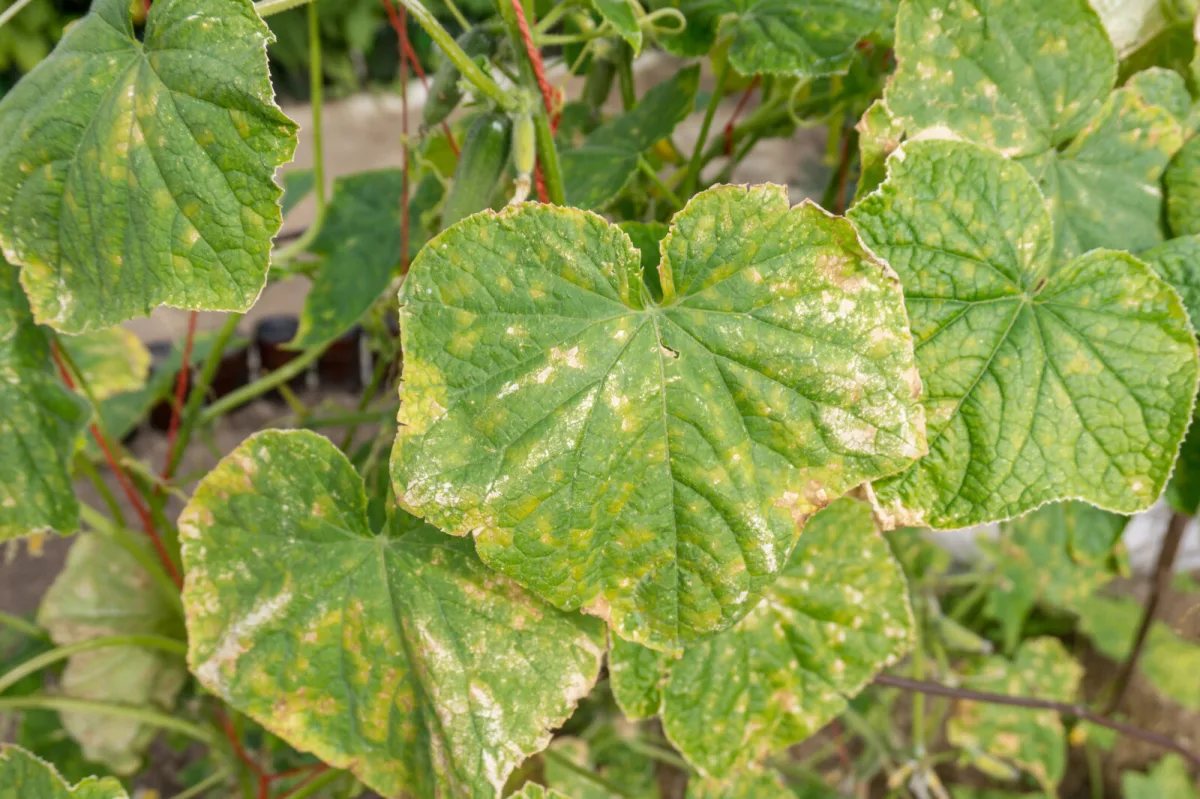
When cucumber leaves start to fade or turn yellow, the plant is usually flagging a problem. It could be a watering mistake, too little light or nutrition, pest damage, an emerging disease, or sometimes simply natural ageing. The key is to act at the first signs, because timely adjustments often bring the plant back into good shape and can save the harvest.
1. Too little water or, conversely, too much
The most common reason for yellowing is drought stress. When cucumbers don’t get enough water, they wilt; the leaves may curl, dry to a brown crisp, and feel brittle. Yellowing can also be caused by waterlogging, when roots are starved of oxygen and may start to rot. With overwatering, problems often show up in the upper parts of the plant too, and darker spots can appear on the leaves.
How to fix it: Cucumbers typically need about 2.5 cm of water per week. A steady routine, drip irrigation, and a layer of mulch help keep the soil evenly moist for longer. Before watering, check the soil with your finger and water only when the top layer is about 2–3 cm dry.
2. Unsuitable light conditions
Cucumbers need plenty of direct sun; otherwise they weaken, pale, and become stunted. On the other hand, in extreme heat and drought they can also suffer sun scorch, when leaves look bleached and may burn, although this is less common.
How to fix it: Choose a site with at least six to eight hours of sun a day. If a heatwave hits, a bit of temporary light shading can protect tender leaves from scorching.
3. Nutrient deficiency and poor soil
Cucumbers are relatively heavy feeders. If they aren’t fertilised regularly or are grown in low-fertility soil, you’ll see slowed growth, fewer fruits setting, and the classic symptom of yellowing leaves with the veins staying noticeably greener.
How to fix it: It’s ideal to start the season by working compost into the soil before planting. During growth, feed roughly every two weeks with a balanced organic fertiliser. Products formulated for tomatoes often work well too, because they have similar feeding needs.
4. Sap-sucking pests
Aphids, whiteflies, spider mites, and other sap-suckers love cucumber leaves. The result is slower growth, distorted foliage, and fine yellow stippling or small spots. A common clue is a sticky coating on leaves and stems, known as honeydew.
How to fix it: Inspect plants regularly, and don’t forget to check the undersides of leaves. Light infestations can often be washed off with a jet of water or removed by hand. For heavier pressure, sprays based on insecticidal soap or neem oil can help, but apply them out of direct sun to avoid leaf damage.
5. Cucumber diseases and their typical symptoms
Cucumbers can be prone to various diseases, such as anthracnose or mosaic-type viruses. What they have in common is a weakened plant, reduced productivity, and changes to the leaves. Mosaic viruses cause an irregular yellow-green pattern, while anthracnose often produces dark lesions with a yellow margin.
How to fix it: Prevention is best: choose resistant varieties and use quality seed. If disease does appear, limit spread with strict garden hygiene, removing infected plants after the season, rotating crops, mulching, and topping up compost regularly to keep the soil in good condition.
6. Natural leaf ageing at the end of the season
Yellowing doesn’t always mean trouble. Older leaves naturally die off, usually starting at the bottom of the plant. This tends to be more noticeable as temperatures drop and often signals the growing season is drawing to a close.
How to fix it: You can extend the harvest briefly with horticultural fleece or cold covers, but it’s only a temporary measure. Cucumbers are warmth-loving annuals and suffer badly when it turns cool. In practice, it’s best to harvest the remaining fruits, remove the plants, and get ready for next spring.
How to prevent yellowing leaves in practice
Most issues can be avoided with good, consistent care. The basics are a sunny position with free-draining soil, enough space, and planting only after the risk of frost has passed. When sowing, place seeds about 1–1.5 cm deep and enrich the soil with compost beforehand. Climbing cucumbers often do better on supports because they get better airflow and are less likely to snap. Regular feeding every two weeks keeps plants growing strongly, and with watering it pays to strike a balance so the soil is neither bone-dry nor constantly waterlogged. Thoughtful companion planting can help too, for example herbs that naturally repel pests.
Source: Martha Stewart, Spider Farmer, Southern Living, Pestrazahrada.cz

A lover of nature, gardens, and everything that moves, blooms, or grows. He literally grows everything, from herbs to rare species, and he enjoys caring for animals just as much. In his work, he connects modern technology with tried-and-tested grandmotherly methods and is happy when both paths lead to the same goal.
Related articles
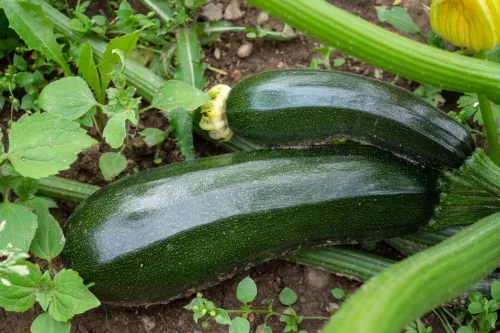
When Zucchini Can Be Toxic and How to Spot the Risk Early at Home and in the Garden
Zucchini isn’t inherently poisonous, but it can become unsafe when bitter cucurbitacins build up in the fruit. Learn what causes it, how to recognize the warning sign, and how to prevent it in the garden.
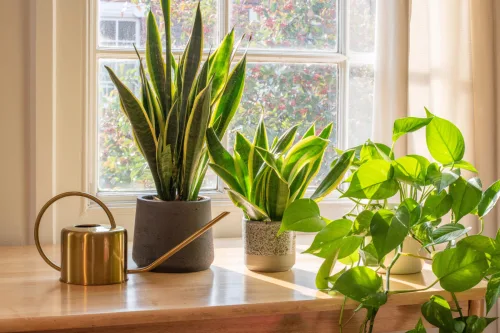
Beer as an Easy Trick for Glossier Leaves and Stronger Houseplants at Home
A small amount of diluted beer can help clean dusty leaves and add a gentle nutritional boost to houseplants. Used sparingly, it can improve shine and overall plant vitality without complicated products.
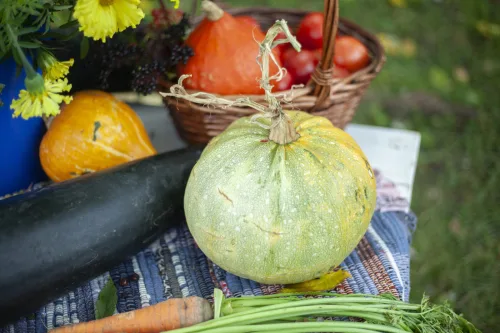
How to store garden vegetables properly so they last all winter
Cool temperatures and the right humidity make all the difference when storing home-grown vegetables. Learn how to handle, cure and store each crop so your harvest lasts for weeks or even months.
Comments (0)
Be the first to comment.