
 English
  Polski
  Deutsch
  Nederlands
  Svenska
  Norsk
Norsk  Dansk
Dansk  Français
  Italiano
  Español
  Português
  Slovenčina
  Suomi
Suomi  Gaeilge
 Effective Mosquito Protection Without Unnecessary Chemicals Indoors and Out
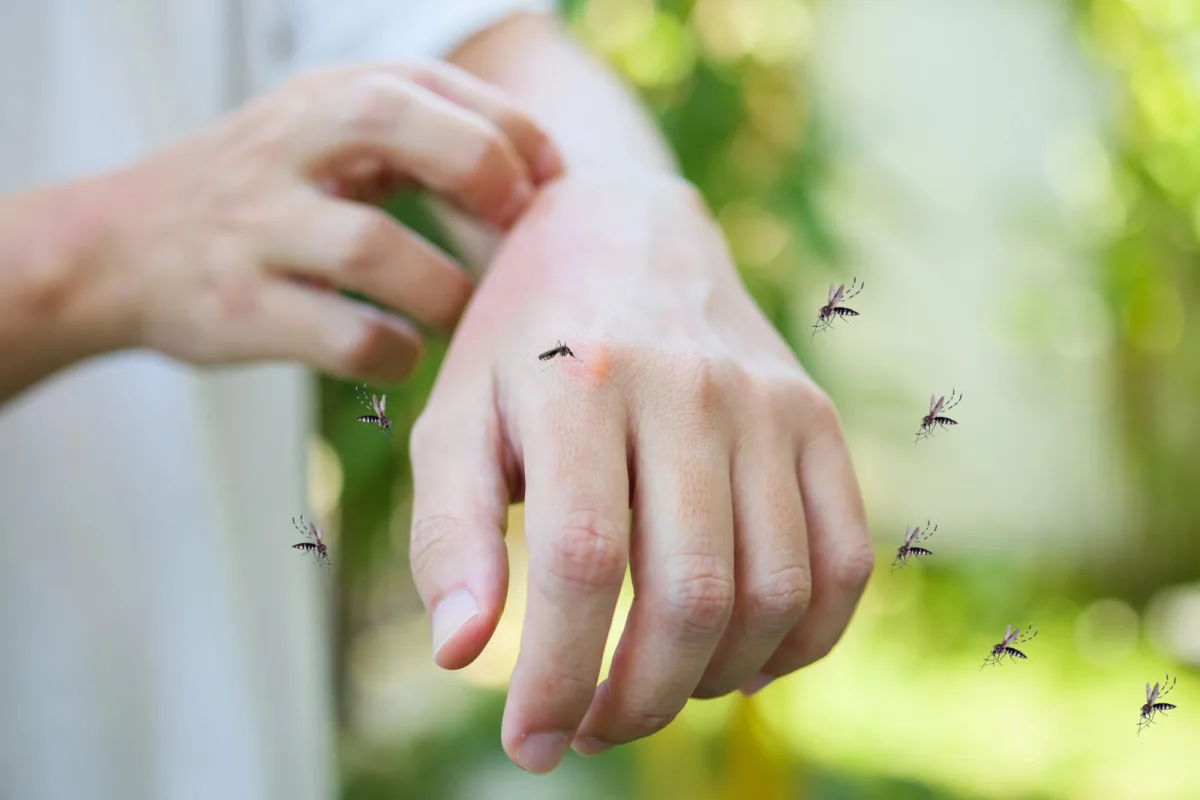
Warm evenings on the patio, camping by the water, or airing out a flat during tropical nights are as much a part of summer as the whine of mosquitoes. A bite is usually not dangerous, but itching and restless sleep can spoil a holiday as well as an ordinary day. The good news is that protection doesn’t have to rely only on harsh chemicals. The best approach is a well-thought-out mix of barriers, prevention and gentle repellents that reduces the number of bites while being kinder to the environment.
Physical barriers as the most reliable first line of defence
The most dependable method is simply stopping mosquitoes from reaching you. At home, the key step is fitting insect screens to windows and doors. When installed correctly, they greatly reduce indoor insects, without any scents or sprays. They’re ideal where there are small children, allergy sufferers, or anyone sensitive to fragrances.
For sleeping away from home, or where fixed screens aren’t possible, mosquito nets are a practical solution. You’ll appreciate them at a cottage, when camping, and even over children’s cots. The important thing is that the net fits snugly and doesn’t leave gaps the insects can slip through.
Outdoor protection is also strengthened by clothing. Mosquitoes are often most active in the evening and at night, so long sleeves and trousers made from light, breathable fabric help. Light colours are an advantage not only for comfort in the heat, but also because insects are less drawn to dark contrasts.
Repellents and their differences: from natural to synthetic
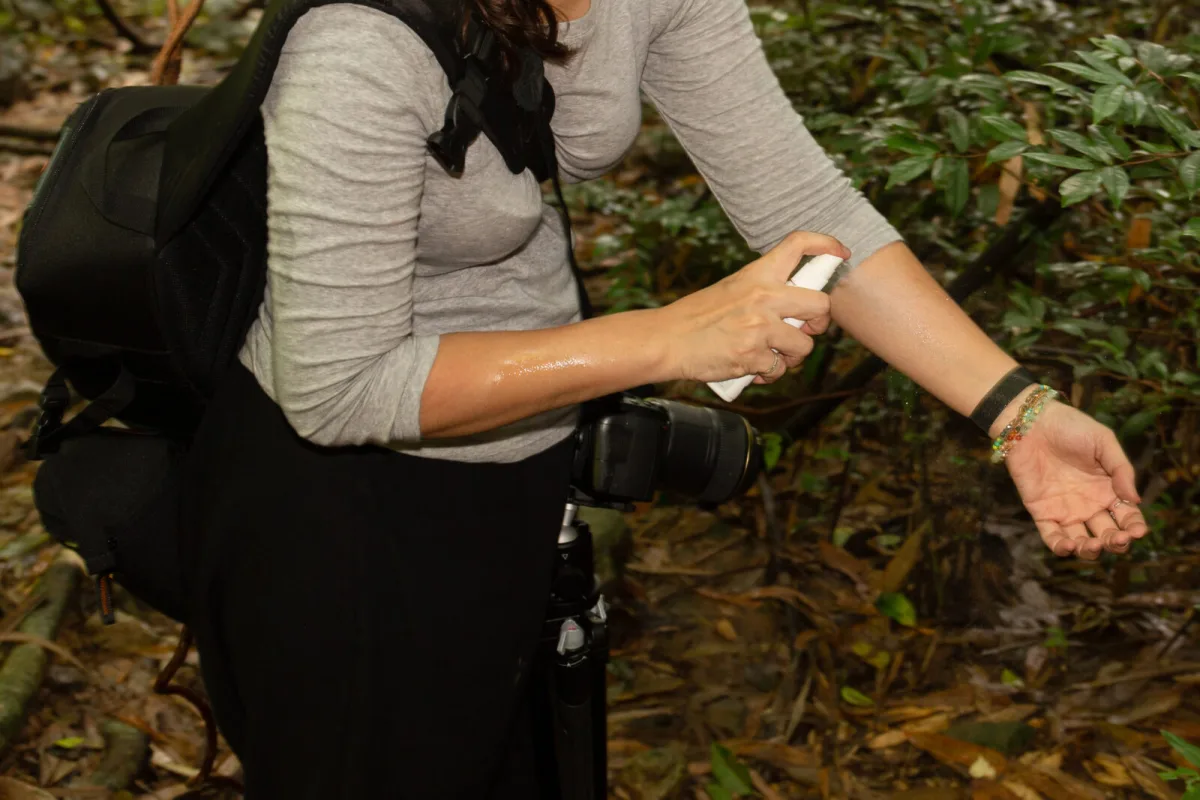
A repellent doesn’t attract mosquitoes; instead, it makes it harder for them to orientate and land on skin. On the market you’ll find both long-lasting synthetic products and natural options that tend to be gentler but need more frequent reapplication. It pays to choose based on the situation, how long you’ll be outside, and how sensitive your skin is.
Among the best-known active ingredients is DEET, which is very reliable, especially in areas with a high insect pressure. At the same time, it may not suit people with sensitive skin and is generally not recommended for small children, or it requires careful dosing and correct use.
An alternative is icaridin, a more modern ingredient that is often well tolerated while offering comparable effectiveness. It’s a common choice for typical summer conditions when you want strong protection without a too aggressive product.
Natural repellents are usually based on scents such as citronella, eucalyptus, lavender or tea tree. They’re suitable where gentleness is the priority and a shorter effect is acceptable. Bear in mind that with sweating, swimming or longer time outdoors, you’ll need to refresh the layer more often so the protection doesn’t lose strength.
Natural deterrents for the home, balcony and garden
Mosquitoes follow scents, and some are downright unpleasant to them. That’s exactly what simple home methods rely on, and they can nicely complement other protection. The advantage is that they don’t leave strong chemicals on your skin and they often scent the space pleasantly at the same time.
On a windowsill, beside a seating area on the patio, or near the front door, you can place aromatic herbs and plants such as citronella, lavender, peppermint or rosemary. On their own they won’t guarantee a mosquito won’t fly in, but combined with other steps they can reduce nuisance and make evening sitting more enjoyable.
Essential oils are another practical option. A few drops in an aroma lamp, diffuser or on a fabric pad by the bed can create an environment that mosquitoes don’t like. Still, it’s sensible to use fragrances with care, especially around small children and pets, and to choose lower concentrations.
Traditional home tricks also include a combination of vinegar and cloves. If you put cloves into a glass of vinegar and set it, for example, by a window, you get a simple deterrent that can help mainly in smaller rooms or as a supplement to screens.
Electronic deterrents and traps for targeted help
If you prefer a tech approach, you can use devices that either repel mosquitoes or eliminate them directly. They’re especially useful where insects are a long-term issue, for instance in a bedroom when you ventilate, or at a waterside cottage.
Ultrasonic deterrents work on signals people can’t hear but that are meant to be unpleasant for insects. Effectiveness can vary depending on the space and specific conditions, so it’s best to treat them as an add-on to barriers and prevention, not as the only solution.
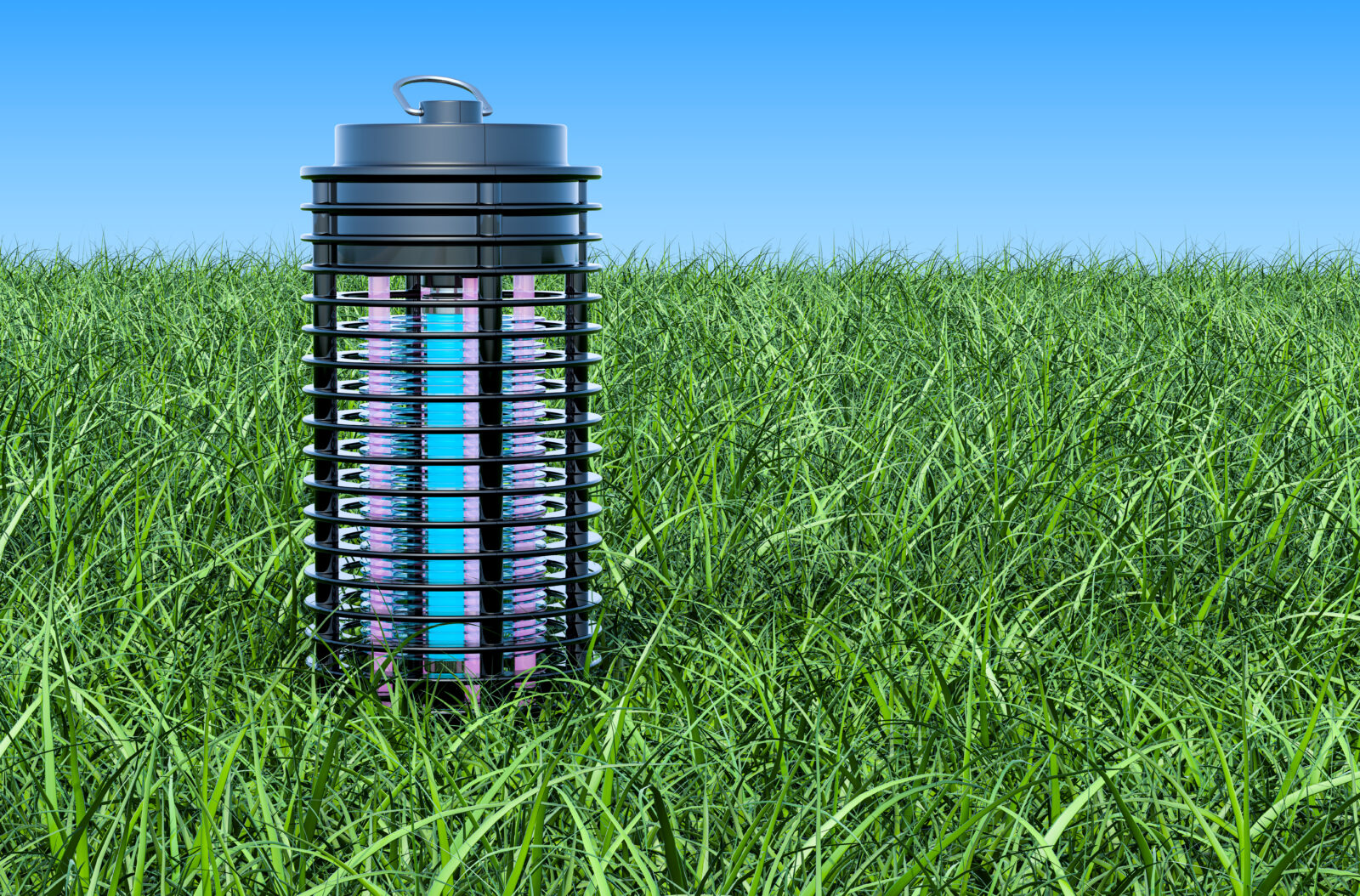
UV traps lure insects with light and then neutralise them, usually with an electric grid or by using a fan and a collection chamber. They work best when there aren’t other strong light sources nearby and when positioned to attract mosquitoes away from where you sit or sleep.
Plug-in vapourisers are also popular, releasing an active ingredient gradually throughout the night. In practice they’re often used in bedrooms, where the goal is quiet sleep without buzzing. When using them, follow the instructions, ventilate, and pay attention to individual sensitivity to scents.
Prevention is key and starts with water
Mosquitoes breed in standing water, where they lay their eggs. That’s why it’s hugely worthwhile to check around your house and garden and remove places where water sits, even briefly after rain. You’ll reduce the number of mosquitoes before you ever have to deal with bites.
It helps to regularly empty water from plant pot saucers, avoid leaving filled buckets and containers around, and keep an eye on places where water hides easily, such as old tyres or children’s toys. If you collect rainwater in barrels, it’s worth cleaning them and ideally covering them so they don’t become a breeding site.
How to build a protection plan that works long-term
The best results usually don’t come from one miracle product, but from a smart combination of several steps. At home, start with screens and keeping the surroundings free of standing water; outdoors, add suitable clothing and, depending on the situation, a repellent. If you want more comfort at night, mosquito nets or the right bedroom technology can help. With a mix of physical protection, gentle natural methods and sensible prevention, you can get through summer with far fewer bites and much calmer evenings.
Source: Qista, Pestrazahrada.cz
Related articles

Yellowing cucumber leaves have a clear cause and with the right response plants recover quickly
Cucumber leaves turn pale and yellow when the plant is under stress—most often from watering mistakes, nutrient imbalance, or sudden temperature swings. Spot the pattern early and you can restore growth and protect your harvest fast.
How to Get Browning Hydrangeas Back on Track Without Chemicals
Brown leaf edges or spots on hydrangeas usually point to a simple mismatch in light, watering, or airflow rather than a lost cause. Learn how to read the symptoms and restore your shrub quickly with gentle, practical fixes.
Turn Ground Cinnamon Into a Secret Weapon for Stronger, Tougher Plants
Ground cinnamon isn’t just for baking—it can help protect houseplants and garden plants from mould and fungal issues, support cuttings, and even act as quick first aid for minor wounds. Used lightly, it’s an affordable, gentle, natural add-on to good growing practice.
Comments (0)
Be the first to comment.