
 English
  Polski
  Deutsch
  Nederlands
  Svenska
  Norsk
Norsk  Dansk
Dansk  Français
  Italiano
  Español
  Português
  Slovenčina
  Suomi
Suomi  Gaeilge
 How to Grow Worm-Free Cherries and Stop Cherry Fruit Fly Before It Ruins Your Crop
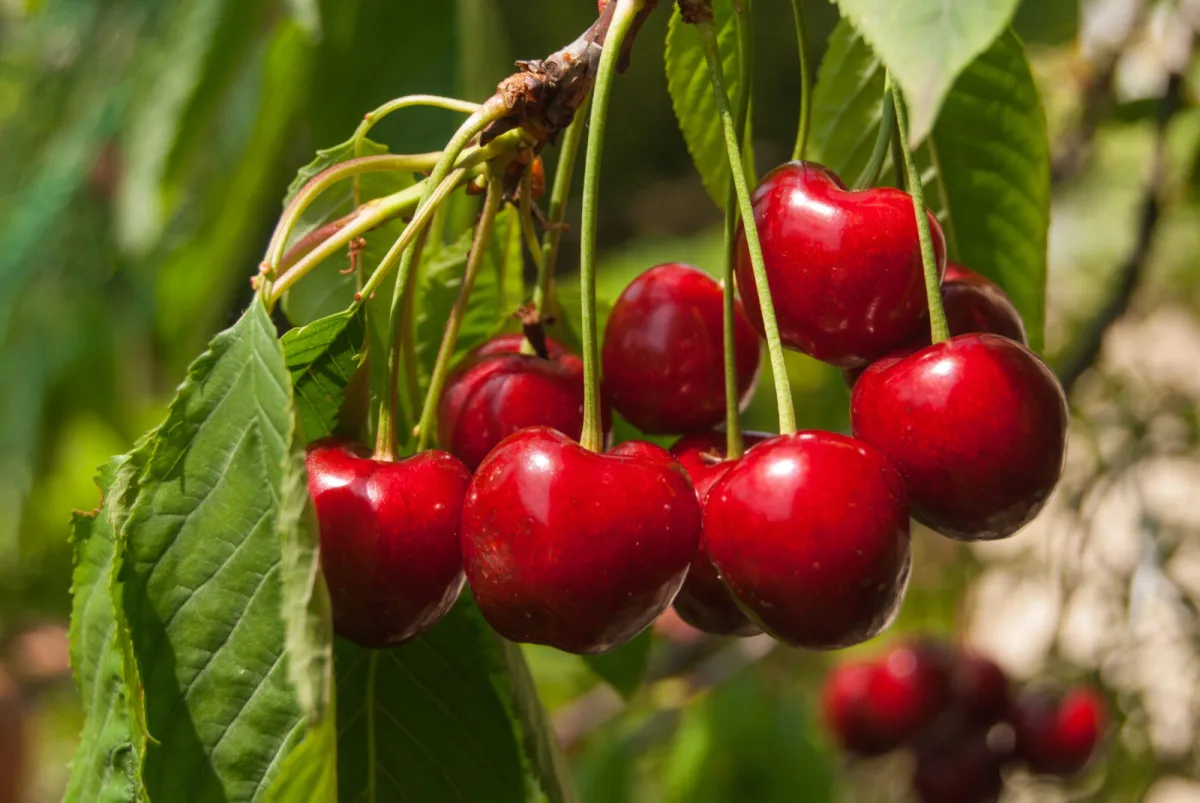
Wormy sweet and sour cherries are most often caused by the cherry fruit fly, an inconspicuous fly that can seriously spoil the crop. At the start of summer, females lay eggs just under the skin of still-unripe, gradually yellowing fruit. After a few days the larvae hatch and immediately burrow into the flesh. The fruit then softens, turns brown, rots easily and often drops prematurely.
Once they finish developing, the larvae leave the fruit, fall to the ground and pupate in the soil. A few centimetres down they survive the winter, then in spring new adults emerge from the soil—so the problem repeats every year unless you break the life cycle.
How to recognise cherry fruit fly and when it attacks
The adult cherry fruit fly is a small black-and-yellow fly. A typical feature is its transparent wings with four distinct dark bands. The female has a yellow head and small yellow markings on a dark body. It usually flies into tree canopies from mid-May into June, depending on the weather and your garden’s location.
This is the highest-risk window, because it’s when the eggs are laid. One female can deposit dozens to hundreds, and adults can stay active in the canopy for several weeks. Once the larvae start feeding inside the fruit, it’s too late to solve the cause with a spray—the maggot is hidden inside.
Choosing a variety as the simplest prevention
The most reliable grower’s trick is to plant very early varieties that ripen by mid-June. The fly may still lay an egg on the fruit, but the harvest comes so early that the larvae are only just hatched or so tiny that they hardly show up in the crop.
With early cherries, you can often avoid infestation without chemicals or complicated interventions. If you grow later varieties, however, expect a much higher risk and it pays to combine several protection methods.
When spraying makes sense and how to time it
On late varieties, chemical control is used when the fruit begins to turn yellow and the flies are just starting to arrive. Correct timing is crucial, because the goal is to hit the adults before they lay eggs.
Simple monitoring with yellow sticky traps hung in the canopy can help, ideally also on the sunnier side of the tree. As soon as you start seeing more flies caught on the traps, it’s time to act. The spray is often repeated after about two weeks. Always follow the pre-harvest interval stated on the product label—the time from application to a safe harvest.
Eco-friendly protection methods without chemicals
If you want to avoid insecticides, it’s worth combining several natural and mechanical methods that make it harder for the fly to reach the fruit and also disrupt its development in the soil.
Yellow sticky traps work as a visual trap. The bright yellow colour strongly attracts the flies, so they get stuck before they manage to lay eggs. For best results, install them at the very start of the flight period.
Another option is repelling with garlic. The fly dislikes the smell, so a garlic infusion is used: crushed garlic is poured over with boiling water and left to steep for about a day. After straining, dilute with water and during the flight period mist it lightly onto the fruit regularly.
On smaller trees, fine protective netting can be used during the critical period to physically prevent flies from reaching the fruit. Careful fitting is essential so there’s no gap for insects to get inside.
A barrier under the tree is also very practical. If you spread plastic sheeting or landscape fabric beneath the canopy, larvae from fallen fruit have a harder time reaching the soil, where they would otherwise overwinter safely. It can also make spring emergence of adults from the soil more difficult.
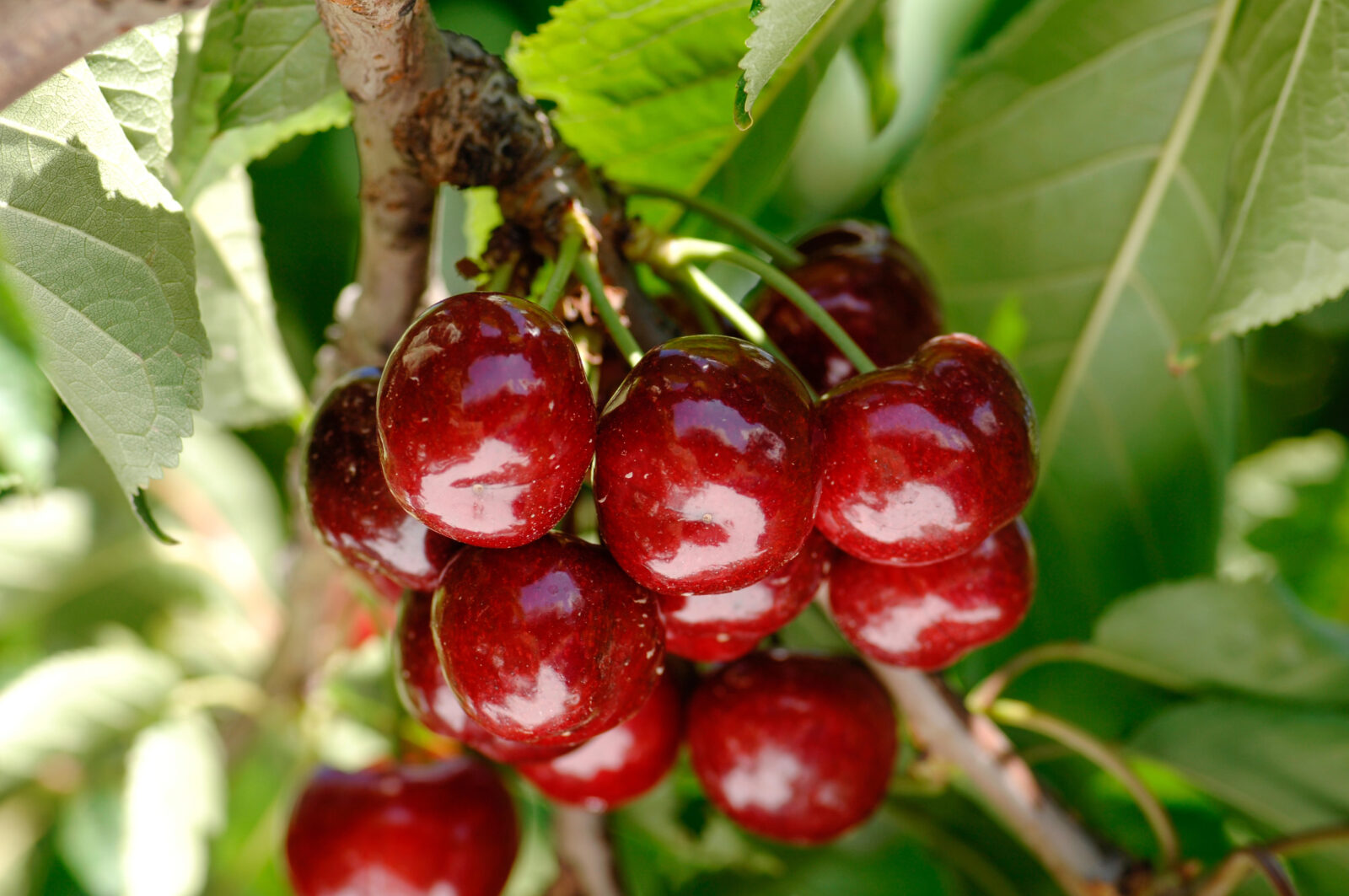
Timely harvesting and consistent removal of infested or fallen fruit also matters a great deal. Don’t leave cherries lying under the tree and don’t put them straight onto a compost heap right by the cherry trees, because you’re simply helping the pest complete its development. It’s better to dispose of the fruit away from the trees or bury it deeply.
Working the soil can help too. If you dig over the soil thoroughly under the tree in autumn or early spring, you disturb the pupae and make them more vulnerable. Burnt lime is sometimes used as well. And if you keep chickens, they can be surprisingly effective helpers, because they will seek out and peck up larvae and pupae in the ground.
How to save the crop when cherries are already wormy
If you discover maggots in the crop, you don’t have to throw everything away. Before processing, a salt-water soak works well to encourage the larvae to leave the fruit. Prepare cold water with salt at roughly 20 grams per litre and fully submerge the cherries for one to two hours.
The larvae will often float to the surface or loosen from the fruit. Then simply rinse the cherries well in clean water. A short soak usually doesn’t noticeably affect the flavour, and you can safely use the cherries for preserving and baking.
Source: Pat Welsh, Salisbury Greenhouse, Pestrazahrada.cz

A lover of nature, gardens, and everything that moves, blooms, or grows. He literally grows everything, from herbs to rare species, and he enjoys caring for animals just as much. In his work, he connects modern technology with tried-and-tested grandmotherly methods and is happy when both paths lead to the same goal.
Related articles
An Orchid That Only Grows but Won’t Bloom Has Three Common Causes You’ll Never Fix with Fertiliser
If your orchid looks healthy but refuses to bloom for months, the cause is usually not a lack of fertiliser. Light, watering habits, and temperature patterns are far more often to blame.
Winter is crucial for raised beds and most people skip the pest prevention step
Your raised beds don’t go dormant just because winter arrives. A few quick, well-timed tasks now will protect the soil, discourage pests, and set you up for a smoother, more productive spring.
When to Mow the Lawn for the Last Time Before Winter
There’s no universal date for the season’s final mow—your lawn and the weather will tell you. Time it just ahead of hard frost and leave the grass slightly higher to help it overwinter healthier and bounce back faster in spring.
Comments (0)
Be the first to comment.