
 English
  Polski
  Deutsch
  Nederlands
  Svenska
  Norsk
Norsk  Dansk
Dansk  Français
  Italiano
  Español
  Português
  Slovenčina
  Suomi
Suomi  Gaeilge
 After harvesting onions and garlic, plant more crops for yields into autumn
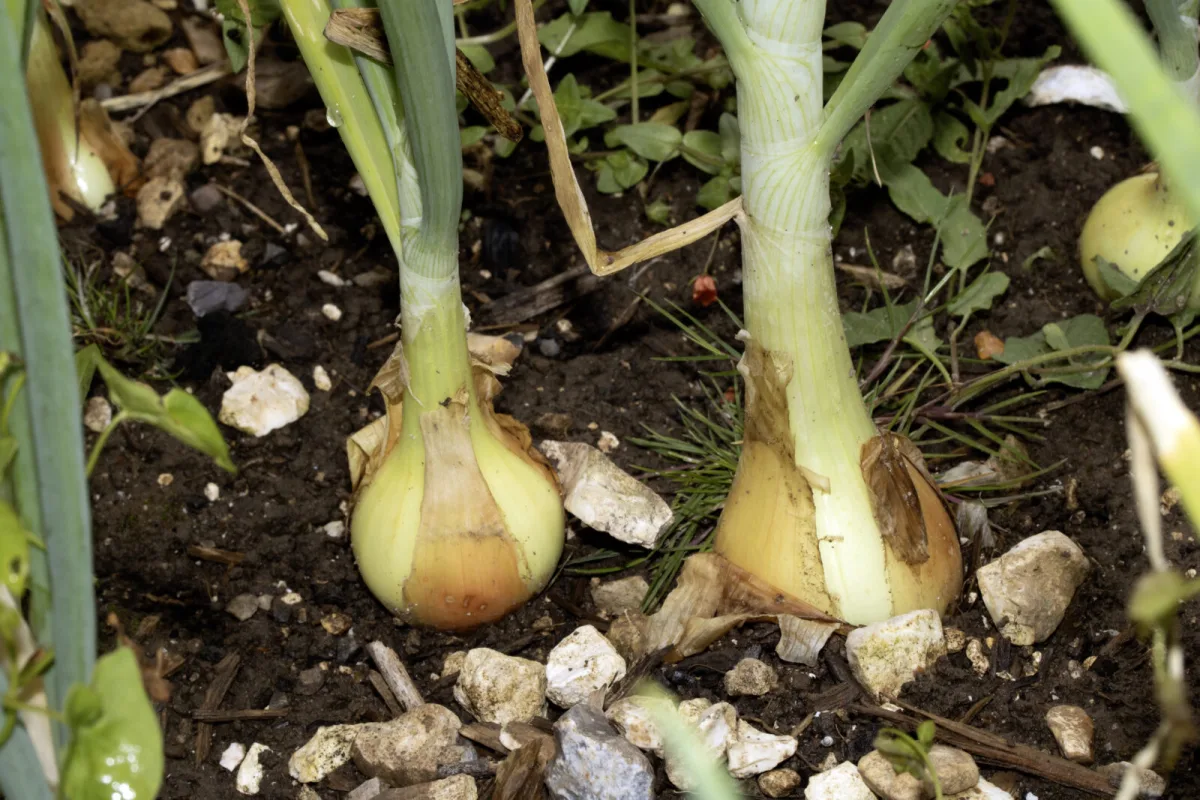
When planning a vegetable garden, it’s not enough to think only about soil and a sunny spot. Just as important are thoughtful crop rotation and choosing neighbouring crops that don’t hinder one another. As soon as you harvest garlic or onions, valuable space opens up at a time when more vegetables can still be grown. If you don’t leave the bed empty, you’ll use the rest of the season to the full and often get a second harvest.
Crop rotation as protection against disease and soil exhaustion
Crop rotation means not planting the same crop, or closely related plants, in the same place year after year. It has two main benefits. The first is reducing pests and pathogens, which can persist easily in soil and plant debris and, with repeated growing, have ideal conditions to spread. The second is better nutrient management, because different vegetables have different needs and draw nutrients from different layers of the soil.
Don’t plant garlic or onions in the same spot again straight after, nor other related crops, because it increases the risk of disease and pest problems.
When the bed after garlic and onions is free and ready for the next sowing
Harvest time depends on whether you grew overwintering or spring-planted varieties. Overwintering garlic and onions planted in autumn are usually harvested as early as June. Spring plantings are typically harvested about two months later, often from July to August. With garlic, a good sign of maturity is the yellowing, drying and wilting of the leaves. Once the crop is out of the ground, it’s the perfect moment to decide quickly what to plant next.
What to sow after a June harvest so it has time to grow before autumn
After an early harvest in June, it pays to choose vegetables that grow quickly or cope well with a later summer sowing. Good choices include beetroot and Swiss chard, Chinese cabbage, rocket, lettuce and radishes. These crops usually have time to form a harvestable yield during summer or in early autumn, provided they get enough moisture and keep growing without checks.
Depending on timing, you can also add carrots, leaf parsley, kale or fennel to a bed after garlic or onions. An interesting option is chickpeas too, if you have a warm site and want to try a less common crop.
What to plant after a later harvest in July and August
If you’re harvesting in July or August, you need to watch the length of the growing season. Long-season crops may not ripen in time, so it’s best to pick either quick crops or ones you can harvest young. In July, beans and peas often do well, and they can also enrich the soil with nitrogen. That helps prepare the bed for the next season’s crops too.
Through July, depending on conditions, you can also plant pumpkin, courgette or cauliflower. In some places, later-planted tomatoes and cucumbers will take too, if they get enough warmth and care. Other options include celeriac, horseradish or potatoes for an autumn harvest.
August suits fast sowings and leafy crops
In August, it’s safest to focus on vegetables with a short growing period. Spinach, radishes, rocket and various types of lettuce work well. Garden dill is also suitable: it grows quickly and can be harvested continuously. With these sowings, the bed won’t sit empty, and you’ll have fresh herbs and leaves at a time when they’re most useful in the kitchen.
How to get the most from an empty bed
The key is to respond to your harvest date and not underestimate how fast your chosen crops grow. After garlic and onions, crop rotation makes sense both for soil health and for future yields. If you choose the right follow-on crops and don’t leave the bed idle for long, the garden will usually reward you with sturdier plants and a tastier harvest.
Source: Gardenia, Gardening Know How, Pestrazahrada.cz

A lover of nature, gardens, and everything that moves, blooms, or grows. He literally grows everything, from herbs to rare species, and he enjoys caring for animals just as much. In his work, he connects modern technology with tried-and-tested grandmotherly methods and is happy when both paths lead to the same goal.
Related articles
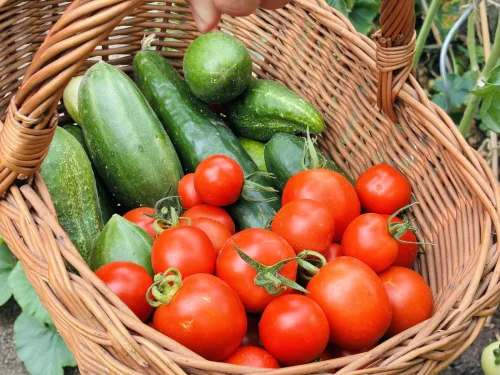
The More Often You Harvest, the Longer Plants Keep Cropping
With fruiting vegetables, frequent picking keeps plants flowering and producing for longer. A few crops, such as aubergines, are tastiest when harvested slightly earlier rather than fully mature.
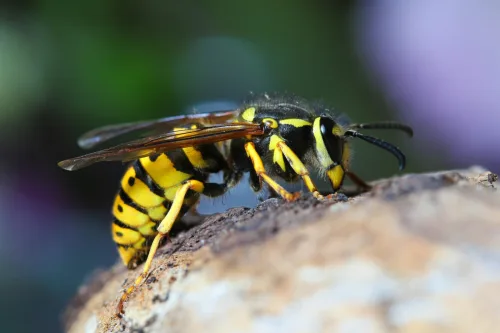
Wasps Aren’t Just a Barbecue Menace They Can Ruin Your Garden Woodwork Too
Weathering isn’t always the main culprit behind damaged outdoor timber. Wasps can scrape fibres from boards and beams surprisingly fast, leaving grooves that soak up water and accelerate decay.
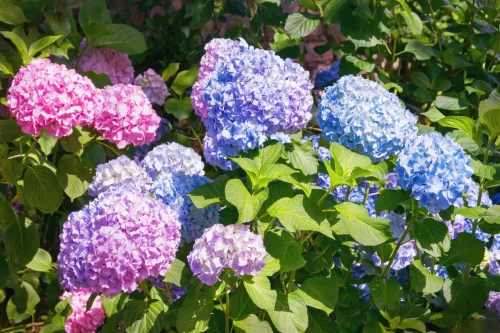
Why hydrangeas wilt in summer even when watered and how to save them fast
Hydrangeas can look limp in hot weather even if you’ve been watering faithfully. The key is to check what’s happening in the root zone, then adjust watering, shade and mulching so the plant can actually use the moisture available.
Comments (0)
Be the first to comment.