
 English
  Polski
  Deutsch
  Nederlands
  Svenska
  Norsk
Norsk  Dansk
Dansk  Français
  Italiano
  Español
  Português
  Slovenčina
  Suomi
Suomi  Gaeilge
 A feared pest from China has reached Europe and it has no Czech name and it devastates everything from grapevines to orchards
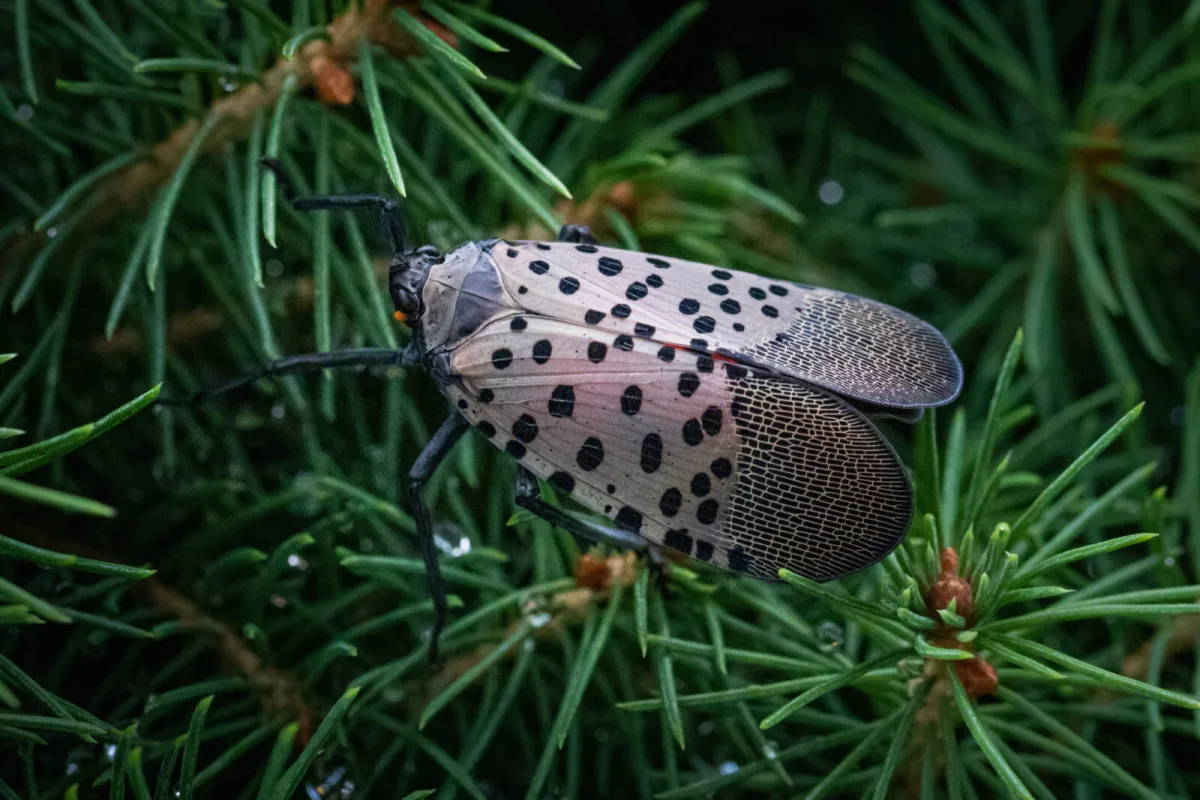
Hungary has announced the detection of the invasive species Lycorma delicatula, known worldwide as an exceptionally dangerous pest. This is the very first confirmed find of this insect on European territory. The occurrence was recorded in southern Hungary, in the Bács-Kiskun region near the Serbian border. After the find was confirmed, local authorities immediately introduced quarantine measures, because this species is linked to extensive damage to agricultural crops.
A local resident drew attention to the unusual insect, unsure of its identification. Subsequent laboratory analyses confirmed that it truly is Lycorma delicatula. The Hungarian food safety authority stressed that rapid reporting of similar finds can play a crucial role in preventing the pest from becoming permanently established in the country and then spreading further out of control.
A pest with no Czech name, but a worldwide reputation
This species does not yet have a Czech common name, which relates to the fact that it has not previously been recorded in the Czech Republic or anywhere else in Europe. All the more well known, however, is its reputation in the United States, where it became a serious agricultural problem after it was introduced. It originates in China, but it only reached the USA in 2014. Since then it has earned a reputation there as an invasive organism that can colonise new areas very quickly and cause major economic losses.
Lycorma delicatula is a conspicuous insect that grows to around 2.5 centimetres in length. Although at first glance it may look harmless, it poses a significant risk especially to grapevines, fruit trees and other economically important plants. In the United States alone, it has been linked to attacks on more than seventy species of plants and woody trees and shrubs.
How it damages affected plants
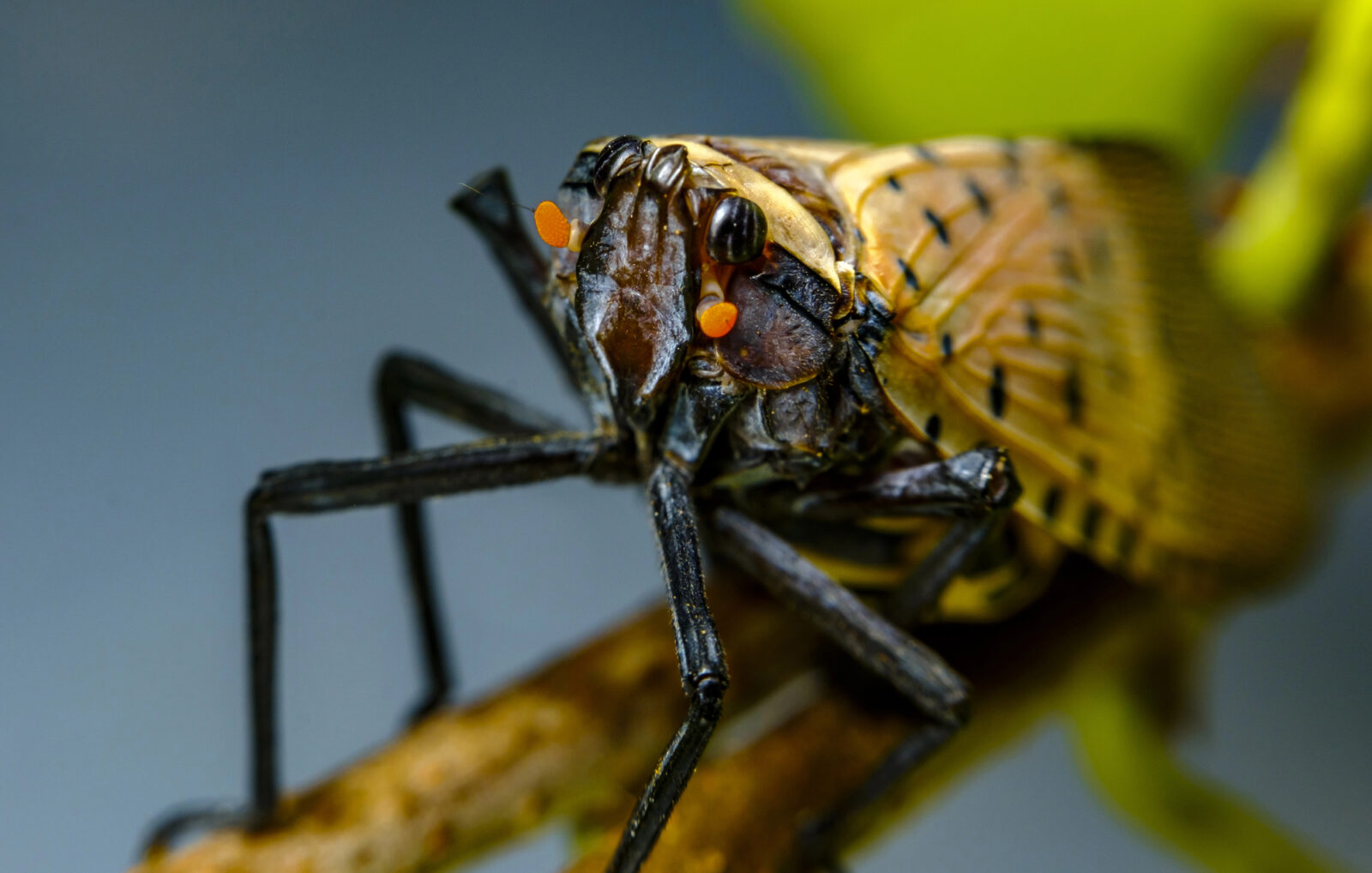
It does not harm plants by chewing leaves or fruit. Instead, it sucks sap and nutrients from them using piercing-sucking mouthparts. A single individual may not be that destructive, but the problem begins when the insect appears in large numbers. It is precisely these mass infestations that can severely weaken plants, reduce their vigour, and make them more susceptible to diseases and other pests.
So it is not a pest that kills a plant instantly, but a species that undermines its condition through long-term pressure. This then shows up in both the quality and quantity of the harvest. It causes the greatest concern among growers of grapes and fruit, because in these sectors the economic consequences can be exceptionally severe.
Rapid spread and exceptional resilience
One of the reasons Lycorma delicatula is so problematic is its ability to travel easily with human transport. It can cling to various surfaces even while they are moving, so passenger cars, freight transport and trains can unknowingly carry it over long distances. This significantly increases the risk that it will appear far from the original site.
A major advantage for this invasive species is also the high hardiness of its eggs. A single egg mass can contain up to fifty eggs, and they can survive very unfavourable weather. The combination of high fertility, resilience and the ability to hitchhike unnoticed makes this insect an exceptionally difficult threat to manage.
Multi-billion losses in the United States
Experience from America shows why the current Hungarian find is being treated with such seriousness. The first US state where this insect was recorded was Pennsylvania. From there it began to spread further and gradually became a major problem for farmers and the local economy.
A 2020 study by Penn State University estimated that in Pennsylvania alone, Lycorma delicatula causes annual losses of 11 billion Czech crowns. In addition to direct crop damage, the impacts were also reflected in the labour market, where almost five thousand jobs lost per year were associated with its presence.
Europe steps up vigilance
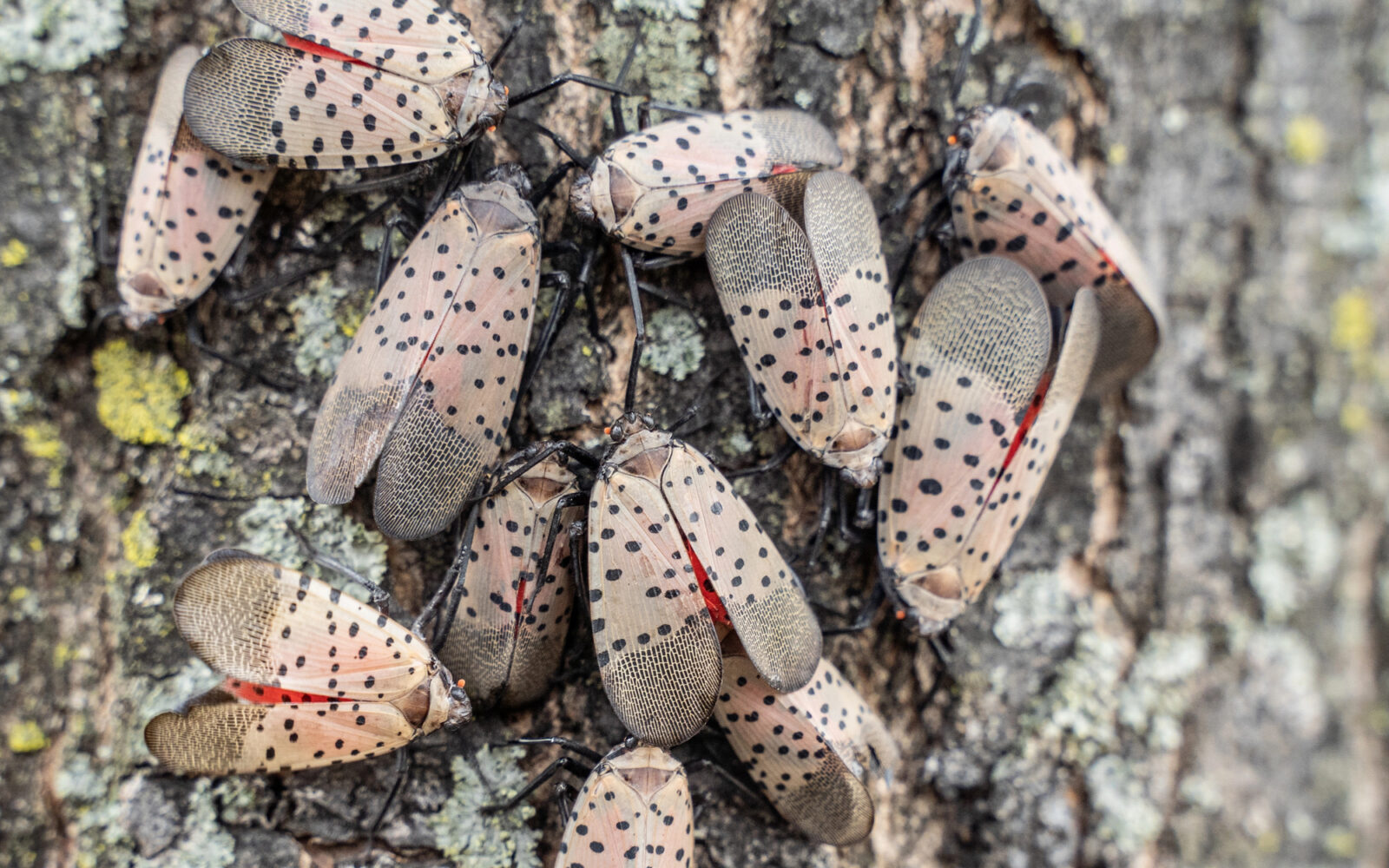
The first European detection is a warning that this invasive species may attempt to move into other countries as well. Decisive factors will be early recognition, rapid reporting of suspicious finds, and rigorous monitoring of outbreak sites. If Lycorma delicatula were to establish in Europe, it could pose a serious threat to vineyards, orchards and other agricultural crops across a wide area.
That is why the Hungarian authorities emphasise the importance of cooperation between the public and specialists. Overseas experience shows that underestimating the first signs can lead to rapid spread and, subsequently, enormous financial losses.
Source: France24, TA3, Czech Television, Pestrazahrada.cz

A lover of nature, gardens, and everything that moves, blooms, or grows. He literally grows everything, from herbs to rare species, and he enjoys caring for animals just as much. In his work, he connects modern technology with tried-and-tested grandmotherly methods and is happy when both paths lead to the same goal.
Related articles
You Can Remove a Hornet Nest Without a Permit If You Meet Legal Conditions
Home and garden owners often worry whether removing a hornet nest could put them on the wrong side of the law. In the Czech Republic, the European hornet is generally protected, but it is not a specially protected species, so removal is usually possible when there is a genuine safety risk.

Grandma’s Favourite Flower Is Back and It’s Surprisingly Easy to Grow
Phlox is a classic cottage-garden perennial that brings rich colour, fragrance, and pollinators into the border with minimal fuss. Choose the right spot for the species, keep moisture even, and you’ll be rewarded with weeks of bloom.
A Simple Plant Propagation Trick That Will Fill Your Garden With Cuttings
Propagating plants can be surprisingly easy when you keep cuttings consistently moist without letting them dry out. This simple plastic-bag method creates a humid microclimate that encourages fast rooting using everyday household items.
Comments (0)
Be the first to comment.