
 English
 Polski
 Deutsch
 Nederlands
 Svenska
 Norsk
 Dansk
 Français
 Italiano
 Español
 Português
 Slovenčina
 Suomi
 Gaeilge
Brown avocado doesn’t always belong in the bin but one sign means it’s truly spoiled
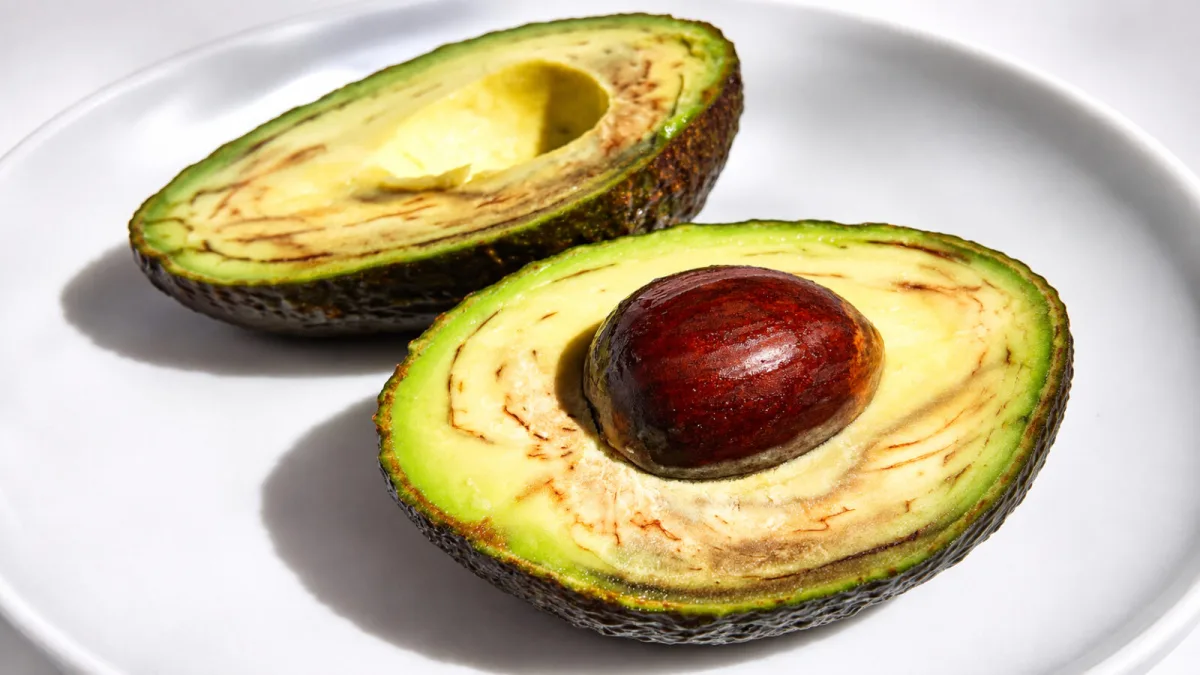
The craving for avocado toast or a light lunch can be strong, but avocado is also a common source of disappointment. It looks ripe on the outside, feels just right to the touch, yet once you cut it open you find brown blotches, unattractive flesh or an odd texture. Throwing away an expensive fruit is frustrating, but nobody wants to eat something that’s gone off. The good news is that not every flaw is the end of it. Many changes are purely cosmetic and the avocado is still safe to eat.
What matters most is appearance, smell and consistency. Some imperfections happen during ripening or because of poor storage. Others are linked to the avocado having been cut already and exposed to air. In many cases, it’s enough to trim away the affected part and eat the rest without worry. But if there’s a bad odour, mould, or the whole fruit is mushy and unpleasantly browned, it’s better not to take the risk.
When the flesh is stringy
Sometimes, once you cut it open, you’ll see fine fibres or little threads inside. This is usually related to temperature during ripening and storage. If the avocado was exposed to excessive heat, or if it was cooled sharply after ripening, the cellular fibres in the flesh can become more pronounced because they didn’t develop properly.
This kind of avocado is usually not unsafe to eat. The problem is mainly that the texture isn’t pleasant and the flavour can be less satisfying. If you don’t mind the stringiness, you can eat it. If you’re after a smooth, creamy texture, it’s better to use it in a spread rather than in a dish where it needs to be beautifully silky.
When a hollow forms under the skin
Many people test ripeness by squeezing and poking with their fingers. It’s common, but it can cause minor bruising. The result can be a small gap between the skin and the flesh, in other words an air pocket. On its own, it doesn’t automatically mean the fruit is destined for the bin.
However, this area is more prone to mould. If you see any coating around the cavity, suspicious discolouration, or you smell a musty odour, don’t eat the avocado. In that case it’s no longer just about looks, but a clear sign of spoilage. Without any signs of mould, the rest may still be usable, but it’s wise to inspect every bite carefully.
Hard bumps near the skin
Now and then, small hard bits show up in the flesh close to the skin. They can form as a defensive reaction in the fruit, for example after damage during growth. It’s nothing dangerous, but it’s usually not pleasant to bite into.
If the avocado is otherwise fresh, simply cut out these parts and eat the rest. The flavour is typically unchanged and the issue affects only a few small spots. There’s no need to throw away the whole fruit.
Brown streaks and spots after cutting
The most common problem comes when you eat only half and save the other half for later. After a short time, brown lines or patches appear on the surface. The reason is simple: the flesh comes into contact with oxygen and a chemical reaction begins that causes it to darken.
It doesn’t look appetising, but on its own it’s usually not dangerous. The avocado is generally still edible. If the brown areas bother you, just shave them off with a thin slice of a knife. The flavour may be slightly less fresh, but it’s typically only a cosmetic issue.
When the entire cut surface turns brown
Sometimes almost the whole surface of a cut half turns brown. Even that doesn’t have to mean the fruit has gone bad. In most cases, it’s mainly the top layer that’s affected because it was exposed to air. Underneath, the flesh can still be green and usable.
Bear in mind that the darker layer can taste a little bitter. If you don’t like that, simply trim it off. It’s not usually a health concern. What matters is to check the smell and overall condition again. As soon as an unpleasant odour appears alongside the colour change, that’s a different situation.
When to throw an avocado away without hesitation
There’s a point where saving it no longer makes sense. If a whole avocado has been sitting around too long and, once cut open, it’s completely dark inside, very soft, greasy and also smells bad, it’s done for. In that state it’s not normal browning from air exposure, but true spoilage.
The main rule is simple. An ugly-looking avocado still doesn’t have to be bad, but an avocado with mould or a rotten smell doesn’t belong in food.
So don’t base your decision on colour alone. Pay attention to the smell, the texture, and whether the change is only on the surface or runs through the whole fruit. In many cases you can safely eat an avocado despite minor flaws. But if it seems suspicious from the first sniff, it’s wiser to say goodbye to it.
Source: FlavorFlav, Jidlo.cz, Pestrazahrada.cz

A lover of nature, gardens, and everything that moves, blooms, or grows. He literally grows everything, from herbs to rare species, and he enjoys caring for animals just as much. In his work, he connects modern technology with tried-and-tested grandmotherly methods and is happy when both paths lead to the same goal.
Related articles
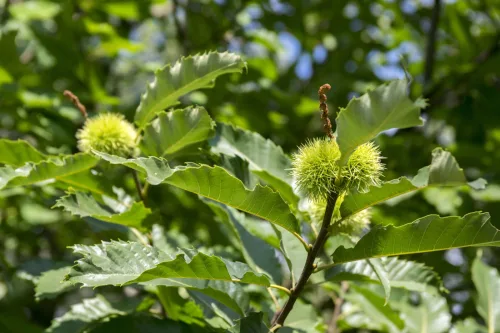
A tree that can outlive generations and drops crops every autumn has one requirement people forget
Sweet chestnut is a long-lived, ornamental and productive tree, but it only rewards you with a reliable crop when it gets warmth, sun and the right soil conditions. Here’s how to grow it, pollinate it well, and harvest and store the nuts properly.
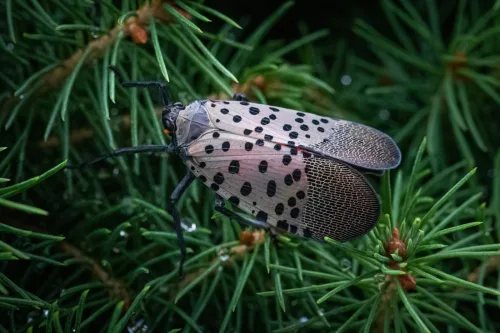
A feared pest from China has reached Europe and it has no Czech name and it devastates everything from grapevines to orchards
Hungary has confirmed the first European detection of Lycorma delicatula, a highly destructive invasive pest known for severe damage to grapevines, fruit trees and many other plants. Authorities have launched quarantine measures to prevent it from establishing and spreading further.
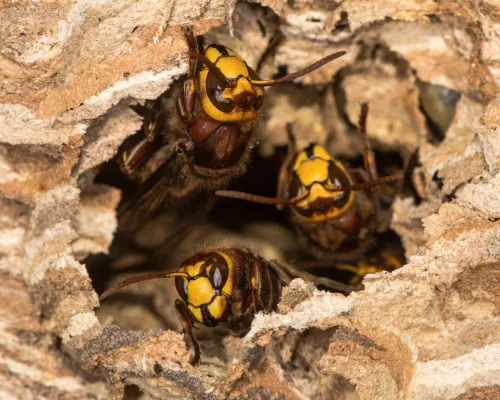
You Can Remove a Hornet Nest Without a Permit If You Meet Legal Conditions
Home and garden owners often worry whether removing a hornet nest could put them on the wrong side of the law. In the Czech Republic, the European hornet is generally protected, but it is not a specially protected species, so removal is usually possible when there is a genuine safety risk.
Comments (0)
Be the first to comment.