
 English
  Polski
  Deutsch
  Nederlands
  Svenska
  Norsk
Norsk  Dansk
Dansk  Français
  Italiano
  Español
  Português
  Slovenčina
  Suomi
Suomi  Gaeilge
 Why Some Gardeners Put Rusty Nails in with Tomatoes and How They Help
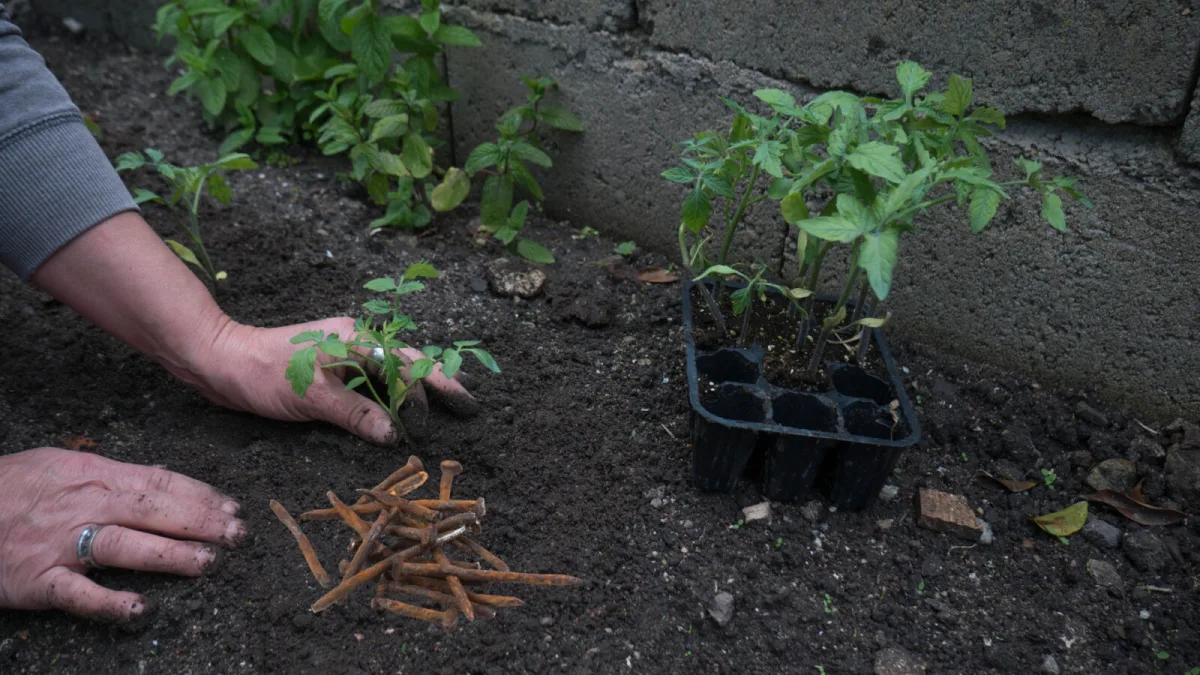
Once the danger period of the so-called Ice Saints has passed, the most important moment of the season arrives for tomato growers. Pre-raised seedlings head into the bed or greenhouse, and everyone is looking for the best possible start. Alongside proven methods, a tip pops up from time to time that sounds almost like a joke: when planting, toss a few rusty nails into the hole. Yet there may be more logic to it than it seems at first glance.
Iron as a subtle but essential element
For healthy growth, tomatoes need not only nitrogen, phosphorus and potassium, but also trace elements. One of the most important is iron. The plant uses it only in small amounts, but its role is critical. It takes part in processes linked to chlorophyll formation—the green pigment that allows leaves to capture light and the plant to manage energy efficiently. Iron is also part of enzymes that govern energy transfer and cellular respiration.
How to recognise an iron deficiency
When a tomato plant lacks iron, a typical issue often appears, known as iron-deficiency chlorosis. The youngest leaves begin to yellow while the veins remain distinctly green. The plant then weakens, grows poorly, and may set fewer flowers and fruits. Growers sometimes mistakenly blame overwatering or cold nights, but the cause can be the availability of iron in the soil.
Why rust alone isn’t enough—and yet it can still help
More experienced gardeners may object that metallic iron and rust are practically insoluble for plants, and therefore poorly usable. That is only partly true. Roots don’t take up solid bits of iron, but dissolved ions, typically in the form of ferrous iron. The key point, however, is that tomatoes can, when needed, influence their surroundings so that iron becomes more available.
Tomatoes can alter the chemical conditions around their roots to release even more tightly bound forms of iron.
What happens in a planting hole with a nail
When you bury an old iron nail in moist soil, it gradually starts to corrode. And the roots are not passive in this process. They release substances into the soil that help them obtain nutrients, such as weak organic acids and metal-binding compounds. These substances can slowly disrupt the rust on the nail’s surface and convert iron into forms that roots can take up more readily. The result is a very gradual supply of iron that can continue to play a role over a longer part of the season.
How to proceed so the trick doesn’t harm seedlings
If you want to try it, it’s important to follow a few rules so planting tomatoes doesn’t turn out worse than without nails. Use only ordinary older iron nails, ideally already started with rust. Avoid materials that don’t belong in the soil.
Which nails you definitely shouldn’t use
This doesn’t include galvanised nails, because zinc can become toxic to plants at higher concentrations. Stainless steel also makes no sense, as it barely breaks down in soil and won’t provide any benefit in the form of available iron.
Correct placement in the hole
Don’t throw the nails directly under the seedling’s fine roots. Dig the hole about 10 cm deeper than you normally would, place roughly 3 to 5 nails at the bottom, and cover them with a layer of soil or compost. Only then set the seedling on this layer. The roots will grow down to the spot gradually on their own once they’ve strengthened.
What you can add for better nutrition at planting
Rusty nails aren’t a miracle cure for everything, but they can be a small extra. If you want to fine-tune the planting hole, you can also add a small amount of wood ash, which contributes potassium and, to a degree, calcium. Calcium is important for preventing certain fruit problems, such as blossom-end rot, when the cause is a deficiency or uneven uptake.
Eggshells as a slow-release source of calcium
Another option is to mix in a handful of dried, crushed eggshells. They break down slowly in soil and can serve as a longer-term source of calcium, supporting strong cell walls. Even so, the biggest difference still comes from correct watering, healthy soil and sensible feeding, while nails are more of a supportive, long-acting detail.
Source: Science Direct, Marschner, H.: Mineral Nutrition of Higher Plants, Pestrazahrada.cz

A lover of nature, gardens, and everything that moves, blooms, or grows. He literally grows everything, from herbs to rare species, and he enjoys caring for animals just as much. In his work, he connects modern technology with tried-and-tested grandmotherly methods and is happy when both paths lead to the same goal.
Related articles
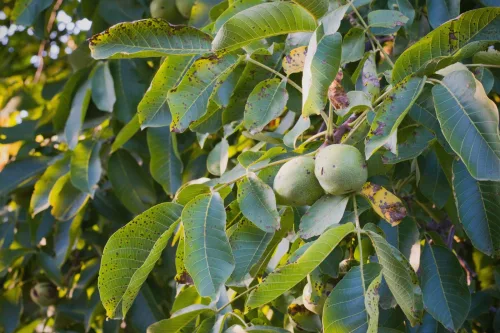
Why the Tree That Feeds a Family for Generations Is Disappearing from Czech Gardens
The English walnut used to be a staple of larger gardens and farmyards, valued for its nutritious nuts and many practical uses. With the right site and variety, it remains one of the most rewarding long-lived trees you can plant.
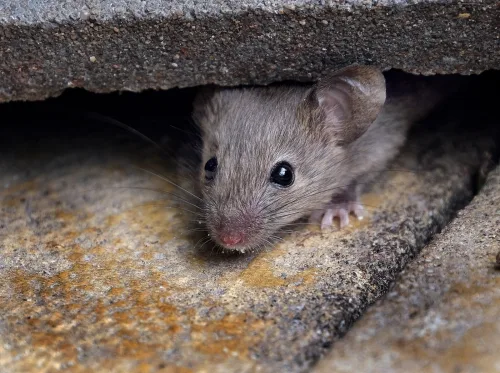
How to Get Rid of Mice and Rats in the House, Loft and Garden Effectively
Mice and rats don’t leave quietly—scratching sounds, droppings and gnaw marks are clear warnings. A lasting solution comes down to three steps: block entry points, remove food sources, then use traps or professional control.
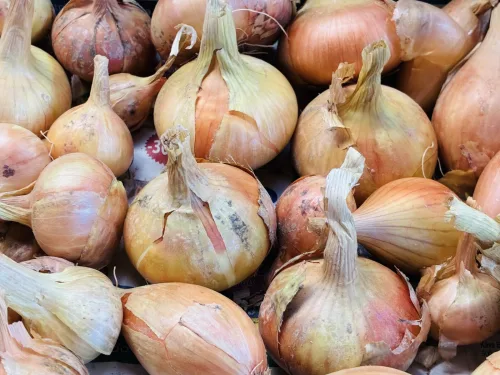
Two Mistakes When Harvesting Onions Can Cut Your Supply by Months
With good growing and the right handling, onions can turn into a near year-round pantry staple. These simple harvest and curing steps determine whether they keep for weeks or for months.
Comments (0)
Be the first to comment.