
 English
  Polski
  Deutsch
  Nederlands
  Svenska
  Norsk
Norsk  Dansk
Dansk  Français
  Italiano
  Español
  Português
  Slovenčina
  Suomi
Suomi  Gaeilge
 Invasive Plants That Can Land You in Trouble with the Authorities
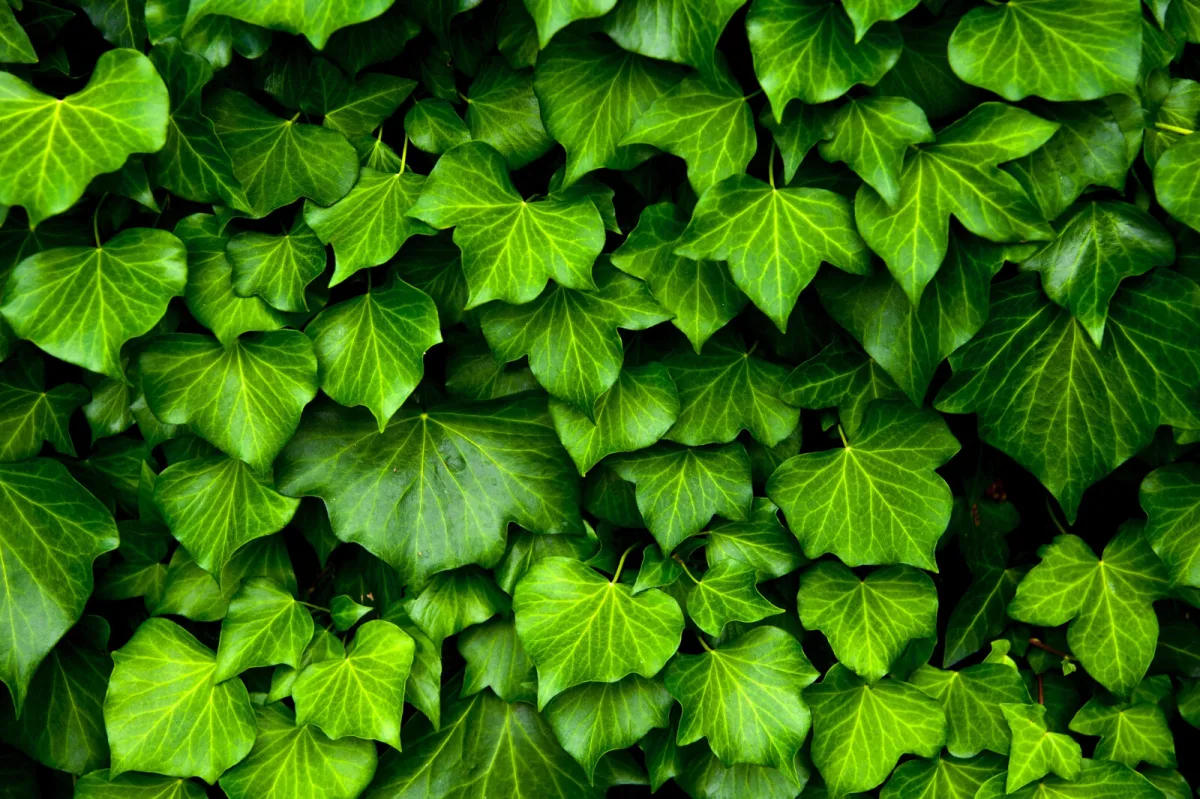
Invasive plants are appearing in the Czech landscape more and more often, and it’s not unusual for them to establish themselves on their own in a garden, along a fence, or on a neglected neighbouring plot. At first glance they can look harmless—sometimes even ornamental—but their main “asset” is the ability to colonise space quickly, push out native species, and gradually turn it into a uniform patch where other plants struggle.
So it’s not just about looks, or about having more weeding to do. With many invasive species, the problem is that they spread into the surrounding area and damage nature, and some can also be dangerous to people or animals. If you leave such a plant unchecked, it often ends with you battling it for years. In extreme cases, you can even end up in a dispute with the authorities, because for selected species their presence and removal are handled very strictly.
Where to check what is an invasive species and what isn’t
Lists of invasive and non-native species are updated on an ongoing basis, because their distribution and level of risk change. If you’re not sure what’s growing on your plot, it’s worth comparing the plant with information on the websites of the Ministry of the Environment and the Nature Conservation Agency of the Czech Republic. Specialist databases published by the Institute of Botany of the Czech Academy of Sciences and nature conservation organisations are also useful. If the situation is unclear, there’s no shame in contacting an expert and having the species confirmed before the problem escalates.
Ten species you’re better off not tolerating in the garden
Black locust
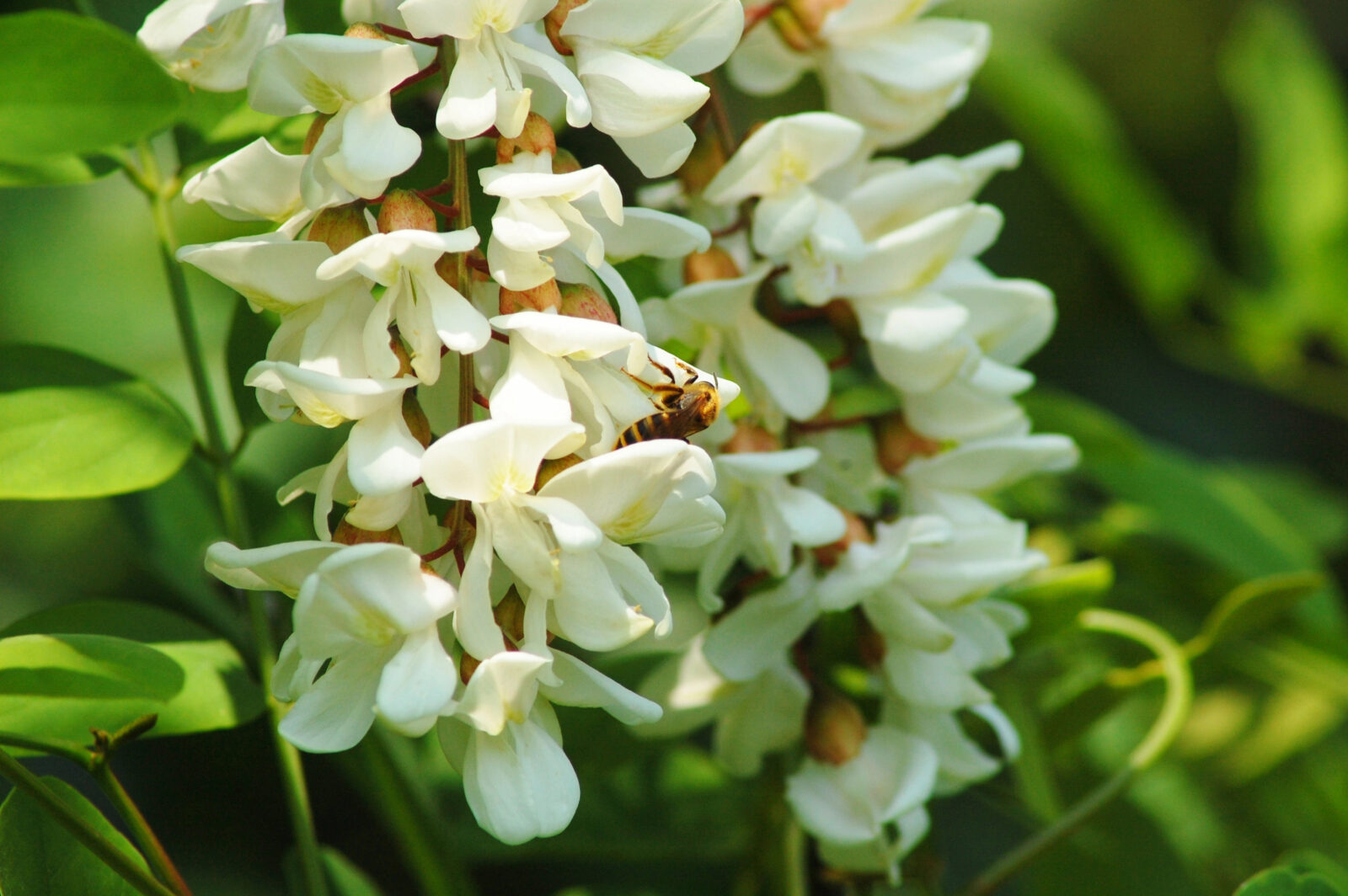
Black locust used to be planted very often, because it grows almost anywhere, flowers profusely, and its scent is a symbol of early summer for many people. But that toughness has become a weakness for the landscape. It spreads not only by seed but also by suckers, so it easily creeps beyond the planted area and gradually takes space from native trees and shrubs. If you don’t want locust on your plot, be prepared for repeated interventions—simply felling it often isn’t enough.
Giant hogweed
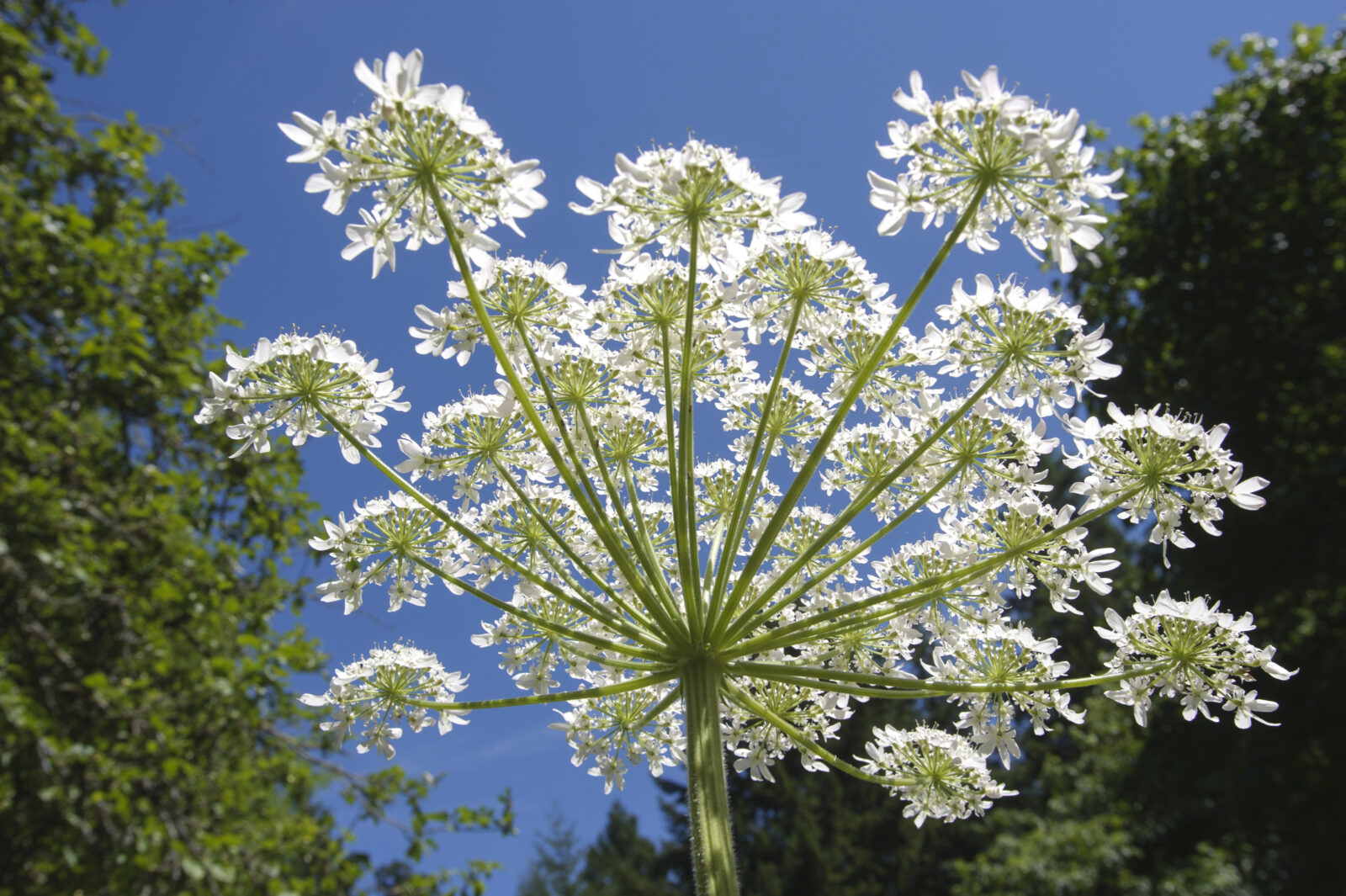
Giant hogweed is among the most high-risk invasive plants of all. It looks impressive and to some even striking, but its sap can cause severe burns when combined with sunlight. If you find it on your land, you should act quickly—and above all safely. Handling it requires thorough skin protection, long sleeves, and sturdy gloves. With hogweed it’s essential to remove the plant including the roots and not allow it to resprout or set seed.
Redroot pigweed
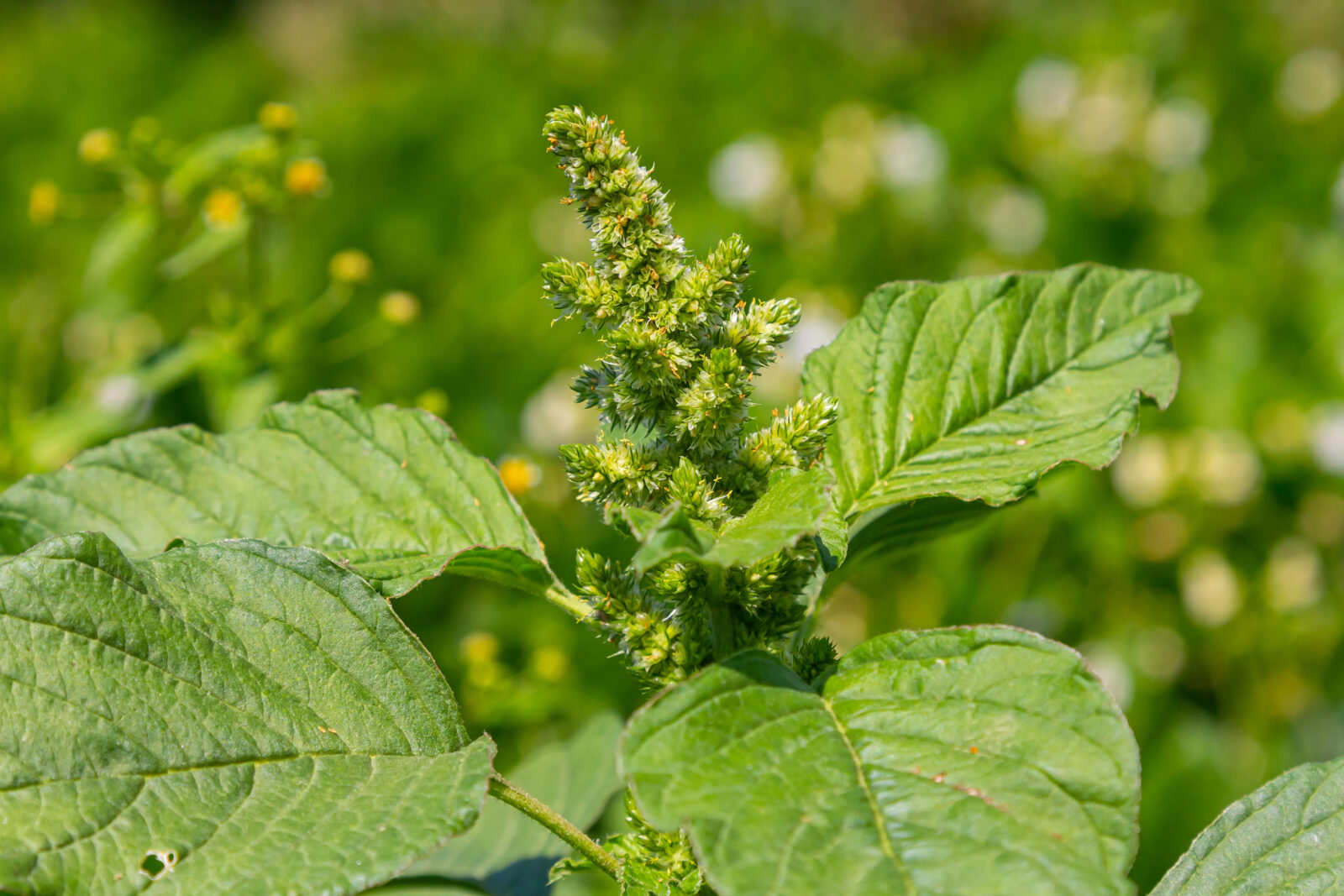
Redroot pigweed is a typical example of an introduced weed that “hitched a ride” with seed or transport. It causes the greatest damage in fields, but in gardens it can behave just as ruthlessly. It grows fast, produces huge quantities of seed, and in some areas it’s already difficult to suppress even with herbicides, because it can develop resistance. If it appears, it pays to act early—before it has time to mature.
Japanese knotweed
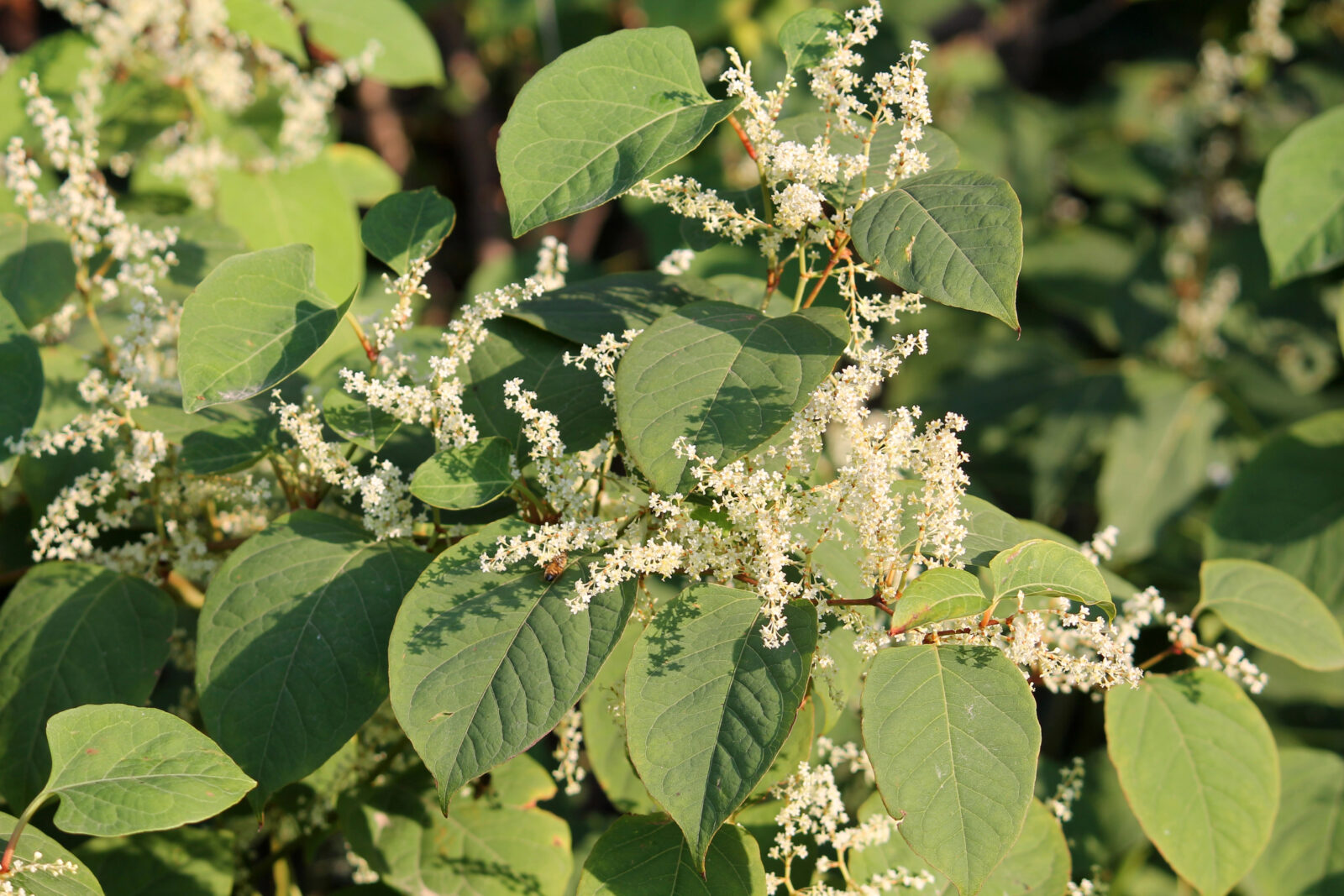
Japanese knotweed often looks like an inconspicuous ornamental shrub that could hide an ugly spot. In reality, it’s one of the most aggressive invasive plants and can completely take over a garden. It spreads extremely fast, forms dense stands, and its underground parts can survive even rough attempts at removal. Once knotweed settles in, eradication is usually long-term and demands consistency—sometimes even targeted use of an appropriate treatment applied directly to the root system.
Staghorn sumac
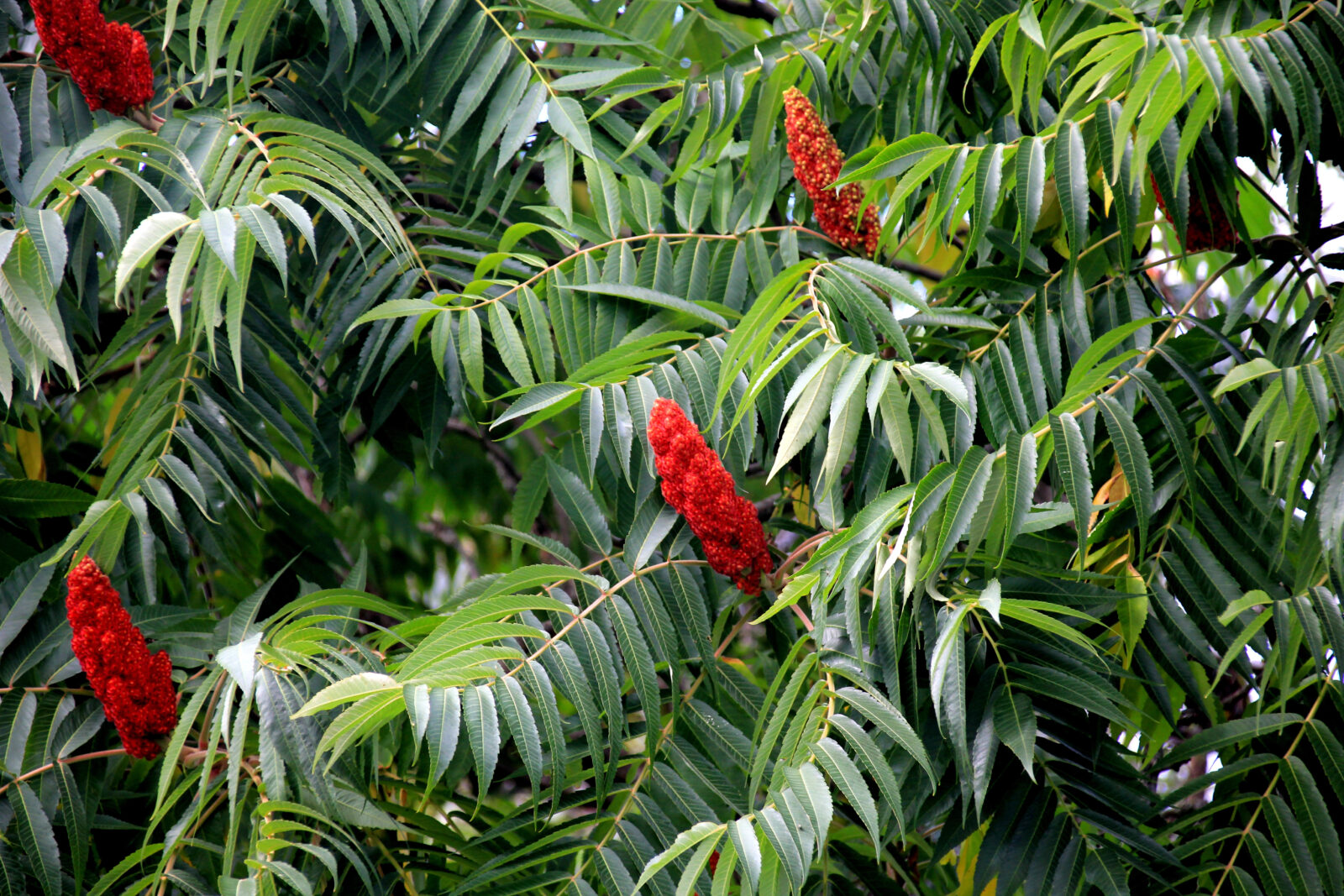
Sumac is tempting as an exotic-looking specimen tree with dramatic autumn colour. That’s exactly why people sometimes plant it without realising they’re setting themselves up for trouble. Sumac can spread by suckers, colonise the surrounding area, and its growth is often hard to keep within reasonable limits. It’s also listed as a poisonous woody plant, so caution is sensible when handling it—especially where children are present.
Golden rain tree
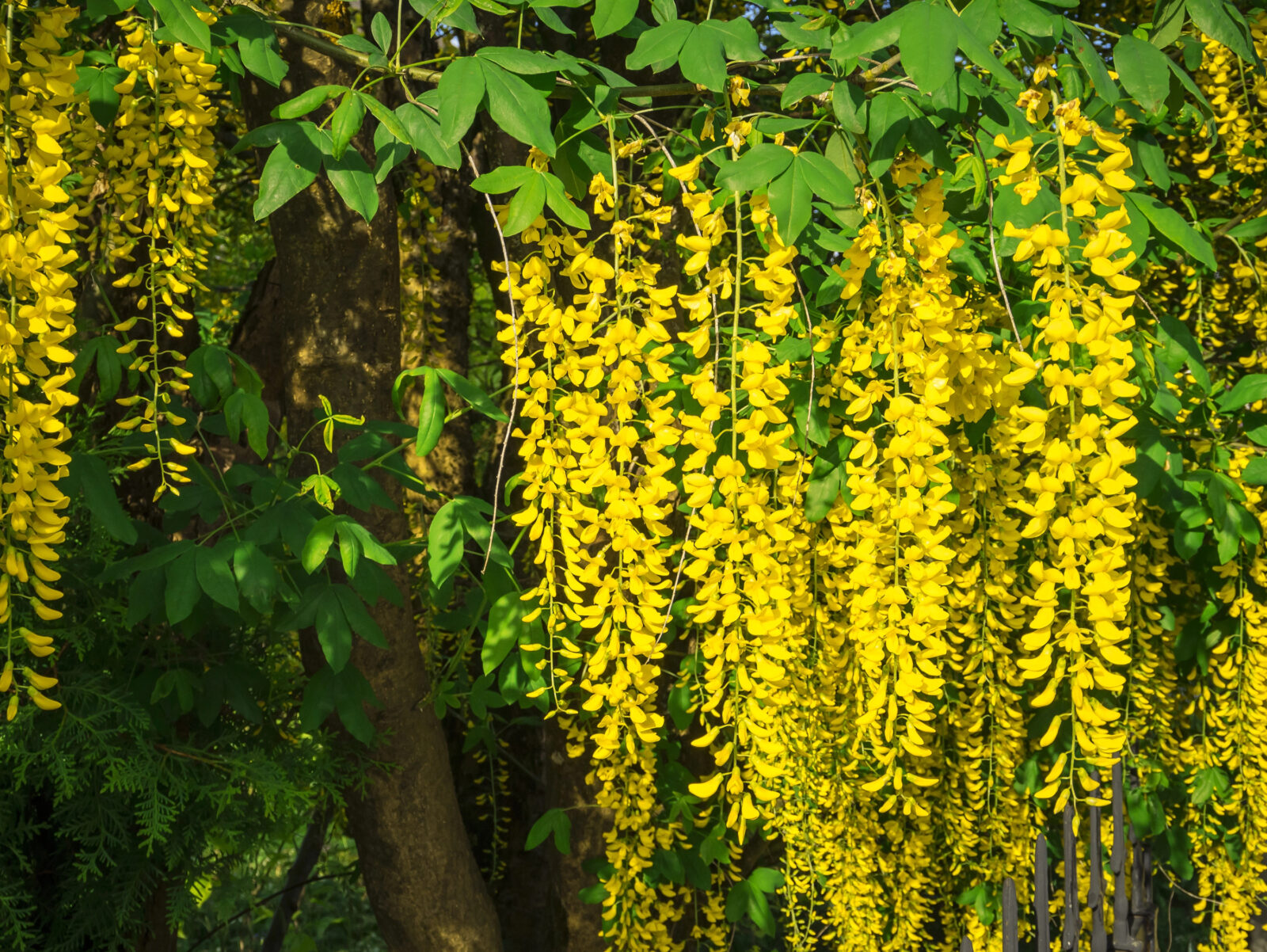
The shrub known as golden rain charms with cascading racemes of yellow flowers that look festive and photogenic. Even so, it’s a plant that’s best avoided if you want a safe environment for family and pets. Golden rain is highly poisonous, with the greatest risk coming from the seeds hidden in the pods. With this woody plant, it’s important not to be swayed by the beauty of the flowers and to consider safety first.
Tree of heaven
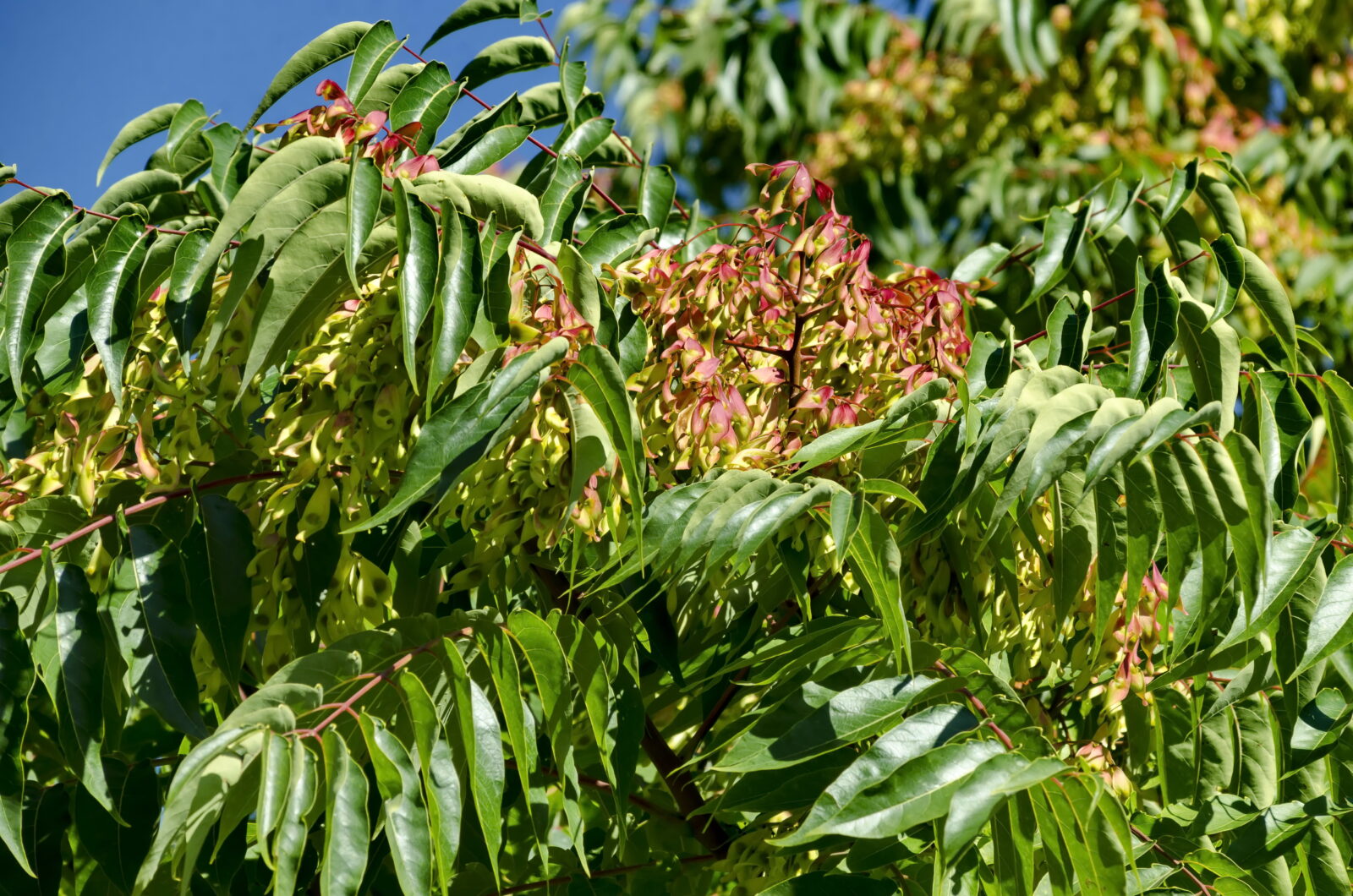
Tree of heaven is an exceptionally tough tree from Asia that tolerates drought, urban conditions, and neglected sites. That’s why it grows very quickly and can take over a wider area in a short time. It displaces native species and leaves behind stands where other plants struggle to establish. If you try to remove it, bear in mind it can resprout from the stump, so you often need to combine mechanical work with targeted treatment of the cut surfaces.
Common ivy
Ivy is widespread and many people see it as a practical climber for walls or fences. But its clinging rootlets can get into tiny cracks and gradually damage structures, and on buildings it can do more harm than good. It also spreads easily and can creep onto neighbouring plots where it isn’t wanted. If you grow ivy, regular and thorough pruning is essential so it doesn’t become an unmanageable problem.
Lantana
Lantana catches the eye with rich blooms that can shift shades through the season. That very changeability and heavy flowering make it a popular ornamental plant. In warmer conditions, however, it can grow more vigorously than you’d expect and then start competing for space with other plants. If you want to enjoy it, it’s more sensible to grow it in a container, where you can keep its growth under control and prevent uncontrolled spread.
Garden lupin
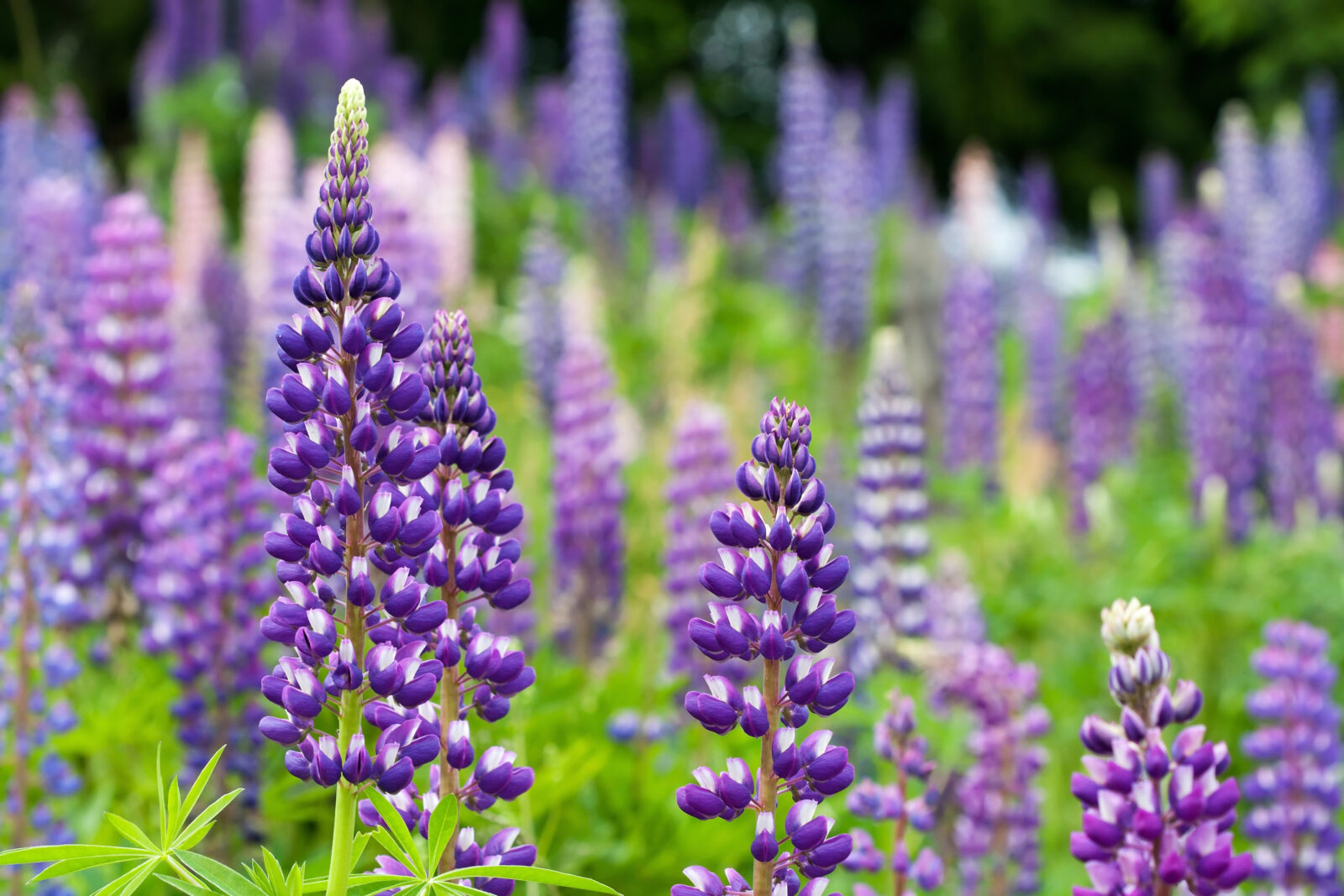
Lupin is a traditional cottage-garden perennial that almost everyone recognises, and it comes in a wide range of colourful cultivars. It looks stunning in a border, but it can spread stubbornly, form extensive stands, and gradually crowd out other plants. It often escapes beyond gardens into the surrounding countryside too, which can be a nuisance not only for nature but also for neighbours, who may eventually find it turning up on their property uninvited. If you don’t want lupins literally everywhere, think carefully before planting them.
What to do if you discover an invasive plant on your plot
The basic rule is simple: act early and don’t let the plant set seed or strengthen its root system. With dangerous species, protect your skin, and with plants that spread by rhizomes, bear in mind that simple mowing can often make things worse by stimulating further growth. If you’re unsure of the right approach, it’s safer to seek advice from professionals. In the garden, an invasive plant rarely disappears on its own—but it will almost always try to take over the whole plot in time.
Source: NKZ, The Srruce, Gardening Know How, Pestrazahrada.cz

A lover of nature, gardens, and everything that moves, blooms, or grows. He literally grows everything, from herbs to rare species, and he enjoys caring for animals just as much. In his work, he connects modern technology with tried-and-tested grandmotherly methods and is happy when both paths lead to the same goal.
Related articles
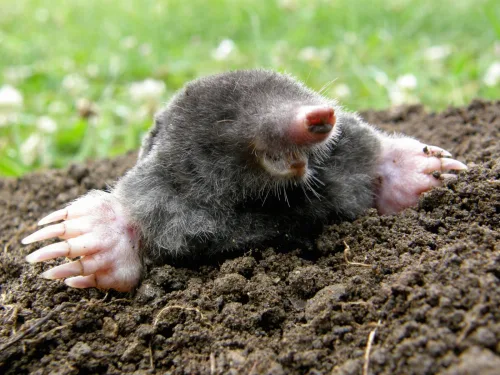
Fighting moles tempts you into a quick fix that can put you on the wrong side of the law
Fresh molehills can ruin a lawn, but the common mole is a protected species and lethal control can be illegal. Learn how to tell a mole from a vole and which lawful, effective methods actually encourage it to move on.
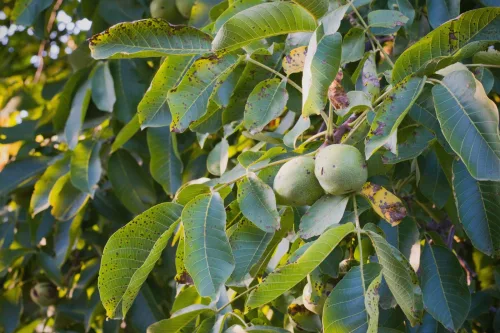
Why the Tree That Feeds a Family for Generations Is Disappearing from Czech Gardens
The English walnut used to be a staple of larger gardens and farmyards, valued for its nutritious nuts and many practical uses. With the right site and variety, it remains one of the most rewarding long-lived trees you can plant.
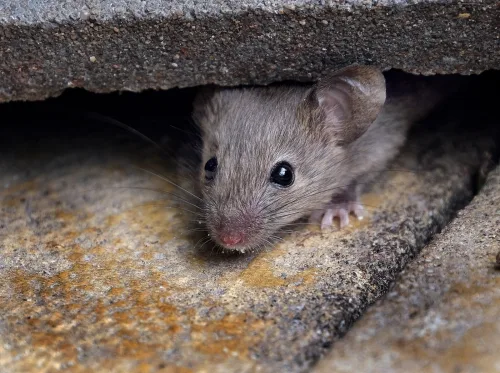
How to Get Rid of Mice and Rats in the House, Loft and Garden Effectively
Mice and rats don’t leave quietly—scratching sounds, droppings and gnaw marks are clear warnings. A lasting solution comes down to three steps: block entry points, remove food sources, then use traps or professional control.
Comments (0)
Be the first to comment.