Tomato season doesn’t end in September: simple tricks to keep harvesting into autumn
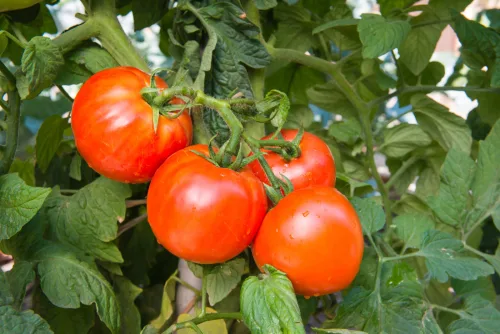
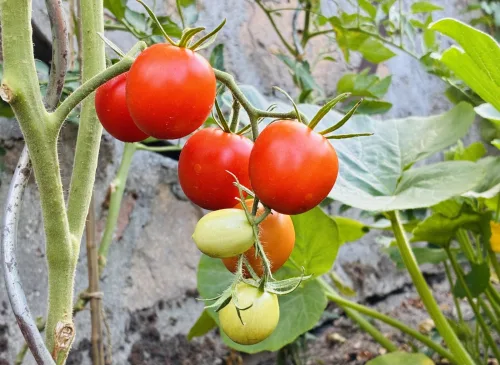
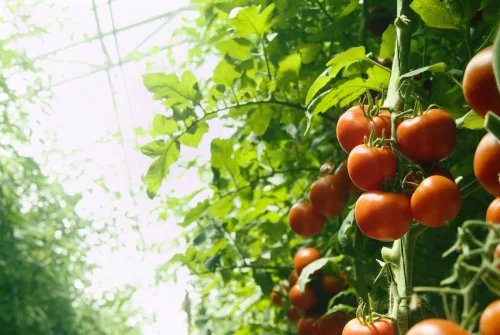
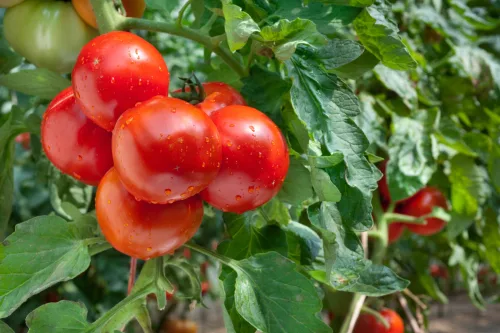
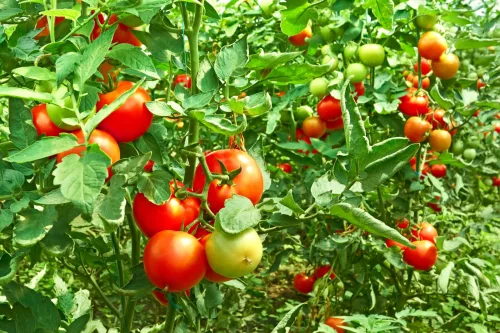
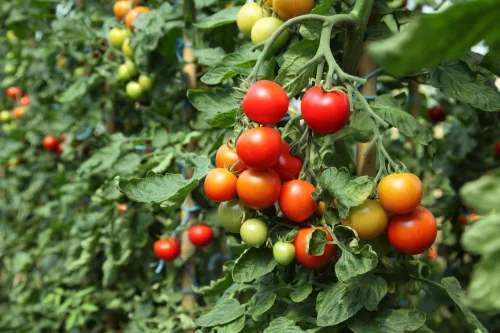
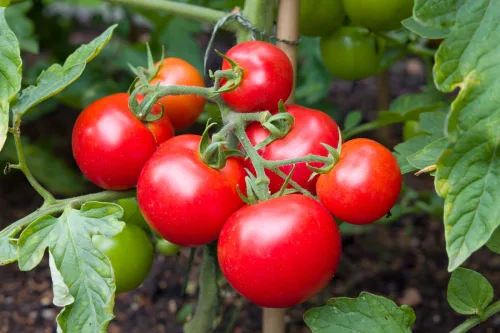
September doesn’t have to mean the end of your tomato harvest. With a few timely tweaks, you can speed ripening and keep plants productive well into autumn.
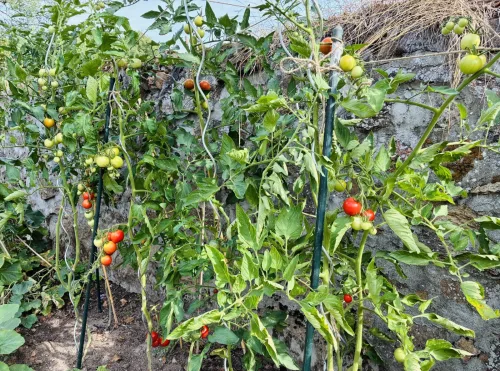
In hot, muggy weather, tomatoes are far more prone to fungal disease when leaves stay wet and air can’t move through the plant. A few targeted cuts and a simple mulch “skirt” at soil level can dramatically reduce disease pressure.
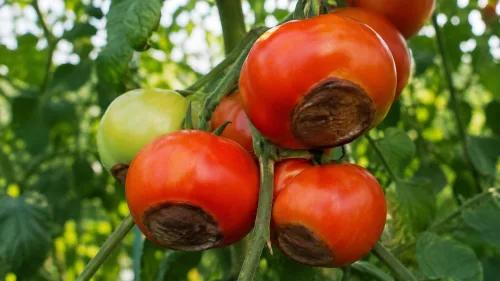
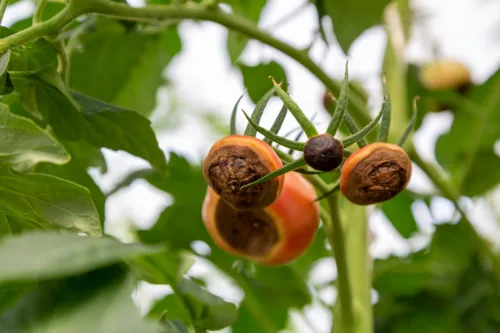
That black, leathery patch on the bottom of tomatoes isn’t blight but blossom end rot caused by disrupted calcium supply. With steadier watering, mulching and a quick calcium foliar feed, you can still save much of the crop.
In August, a few timely jobs can make the difference between a mediocre tomato crop and a long season of sweet, well-ripened fruit. Focus on airflow, steady moisture, sensible feeding, and pest checks to keep plants productive into autumn.
If your tomatoes are growing slowly, flowering poorly, or struggling with disease pressure, the issue is often nutrition and weakened resilience. Whey and household ammonia can help feed plants and support healthier growth without pricey products.
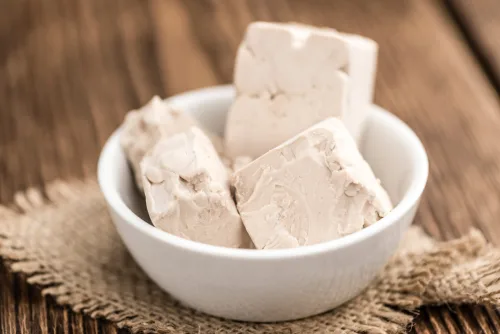
A simple yeast-and-sugar drench can give soil life a quick boost and help plants root faster and grow more vigorously. Used correctly, it’s a short-term biological kick-start rather than a replacement for balanced feeding.
Baking soda can help create a less welcoming surface for certain fungal diseases on tomato leaves when used correctly. It’s not a miracle cure, but it can be a useful addition to good prevention and everyday plant care.
In July, tomatoes shift from leafy growth to flowering and fruiting, and your routine care makes or breaks the crop. Keep watering even, feed consistently, pinch out side shoots, and support plants well—plus add shade during heatwaves.
Dark, sunken patches on the blossom end of tomatoes look like a serious disease, but they’re usually a physiological disorder called blossom end rot. The key is steady moisture and sensible feeding so calcium can reach developing fruit.
Strong plants and a heavy crop of sweet, juicy tomatoes depend on more than water and sunshine. These natural fertilisers improve soil health, feed roots, and support flowering and fruit set without overdoing it.
When tomatoes start to lose momentum mid-summer, a small, targeted boron boost can help restore flowering and fruit set. Here’s how to use boric acid sprays and a simple home feed to keep plants productive into autumn.
Summer tomato success comes down to steady watering, balanced feeding, and good airflow. Get the routine right and you’ll harvest firm, fragrant, sweet fruits with fewer problems.
Tomatoes can look lush and healthy yet set very few fruits when something in their growing conditions pushes them to make foliage instead of flowers. Here are the most common causes and practical fixes to get your plants fruiting again.
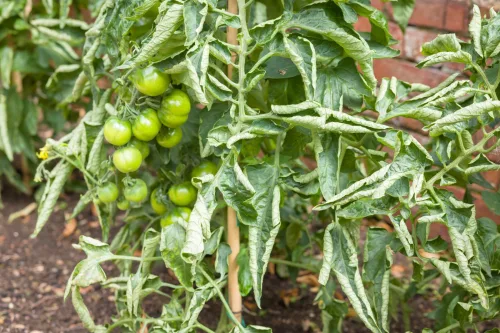
Leaf curl on tomatoes often looks dramatic, but it’s frequently a simple stress response to heat, watering swings, or heavy-handed pruning. Still, in some cases it can signal herbicide drift, pests, or serious disease.
Leaf curl is one of the most common issues when growing tomatoes, and it can have several causes—from heat stress and uneven watering to excess nitrogen, nutrient deficiencies, pests, or disease. The key is to read the pattern of curling and respond quickly with the right fix.
Tomatoes reward steady care with fuller trusses and better flavour. These simple, home-based feeds and practices can support growth, flowering and ripening without relying on shop-bought mixes.
A simple yeast-based feed can strengthen cucumbers and tomatoes, helping plants stay vigorous, crop more reliably, and cope better with disease pressure. Here is how to mix it, dilute it, and use it as both a soil drench and a gentle foliar spray.
Houseplants and garden plants can benefit from gentle, homemade fertilisers made from everyday kitchen scraps. Used sparingly, they provide a steady trickle of nutrients and can improve soil structure without relying on harsh chemicals.
If you pinch out tomato side shoots, don’t send them straight to the compost. Steep them to make a simple, effective homemade spray that helps deter common garden pests.
Tomatoes thrive when they’re planted into properly warmed soil and then given consistent, practical care. These proven basics help build stronger plants, improve flowering and deliver a bigger, healthier harvest.
Tomatoes can deliver a heavy crop, but they are also quick to succumb to fungal and bacterial diseases in warm, humid weather. A well-timed copper spray used preventively can help reduce infection pressure during the most critical part of summer.
Sun and warmth help, but tomatoes still need a steady supply of nutrients once they take off. This simple fermented, plant-based feed made from grass, nettles and sugar supports vigorous growth and reliable fruit set.
Tomatoes are heavy feeders, but both deficiencies and overfeeding can quickly reduce flowering and fruit quality. Learn what tomatoes truly need, when to fertilize, and how to avoid the most common nutrition mistakes for better harvests.
Tomatoes are generous plants, but they’re hungry feeders. With the right timing, balanced NPK, and attention to calcium, magnesium and soil pH, you’ll get healthier growth and heavier, better-tasting harvests.
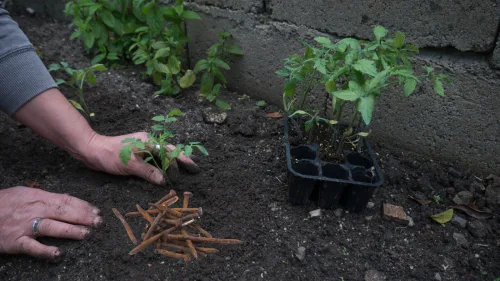
Tucking a few rusty iron nails into the planting hole can provide tomatoes with a slow, steady trickle of iron as the metal corrodes. Done correctly, it’s a small, long-term boost that can support healthy foliage and overall growth.
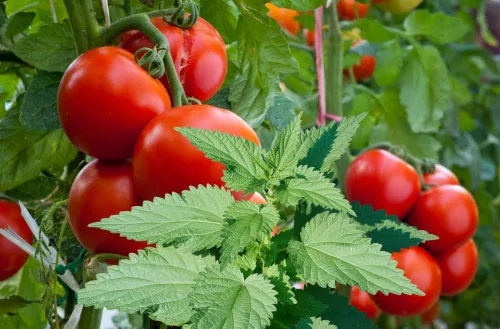
Stinging nettles aren’t just a nuisance weed. Used wisely, they make a brilliant free feed and a simple preventative spray that helps tomatoes grow sturdier and stay healthier.
Tomatoes can be remarkably easy to grow when you support them with a few timely, practical steps. These nine proven tips improve pollination, strengthen roots and help keep plants healthy for a bigger, sweeter crop.
Tomatoes can be fussy about heat and inconsistent watering, but a simple mulch layer can steady soil conditions and reduce stress. Try cardboard mulch for fewer weeds, better moisture retention, and stronger plants that set more fruit.