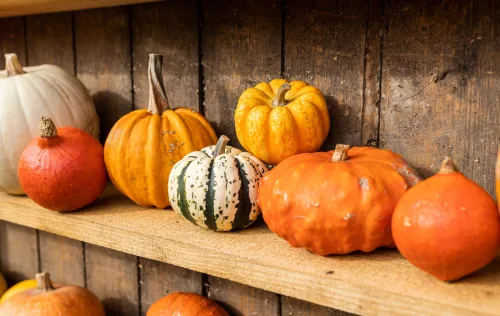
Pumpkins Spoil in Winter Because of a Harvesting Mistake
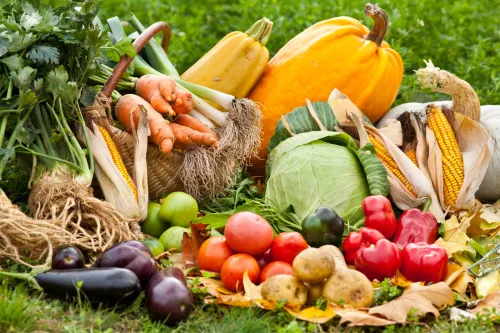
Pumpkins store well only if they’re picked at the right time and cut correctly. The condition of the stem often reveals where things went wrong and why fruit starts to rot in storage.
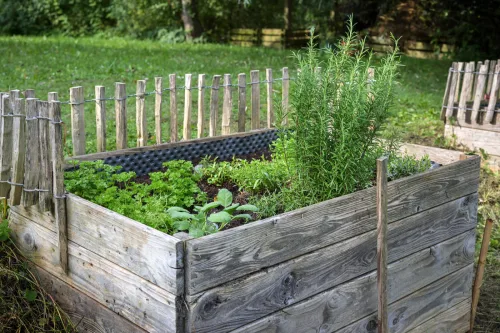
Your raised beds don’t go dormant just because winter arrives. A few quick, well-timed tasks now will protect the soil, discourage pests, and set you up for a smoother, more productive spring.
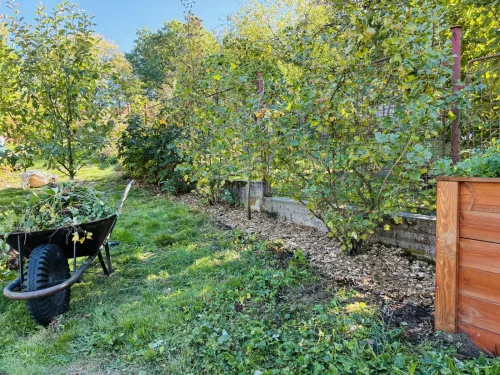
Autumn isn’t the end of the gardening year. With a bit of cutting back, planting, clearing and protecting now, you’ll reduce winter losses and give your garden a stronger start in spring.
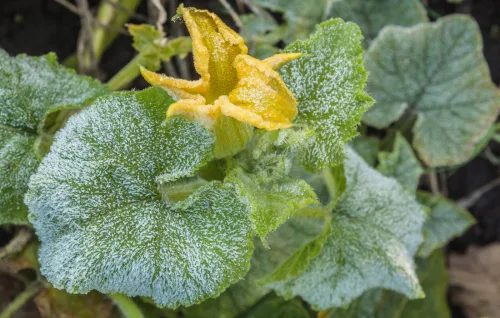
Frost can wipe out tender vegetables and herbs overnight, but a few well-timed steps can greatly reduce the damage. Learn which crops cope with cold, when to cover, and how water, mulch and smart garden layout help buffer temperature swings.
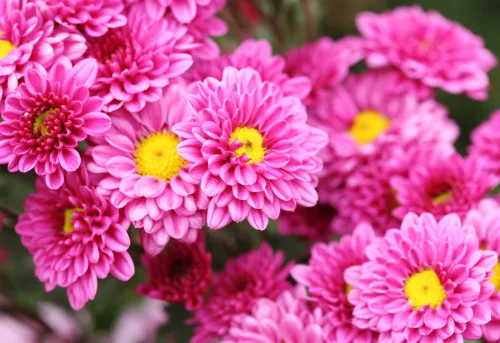
Autumn asters light up borders in September and October with clouds of colour while offering vital nectar and pollen when many other plants have finished. Chosen well, they’ll keep feeding pollinators right up to the first proper frosts.
When summer crops and bedding flowers are fading, the garden doesn’t have to look tired. Choose the right autumn-blooming perennials and you can enjoy rich colour right up to the first frosts.
Autumn is just as important for small fruit as spring and summer, but pruning at the wrong time can weaken plants before winter. Learn what to cut now and what to leave for late winter or early spring to protect next year’s crop.
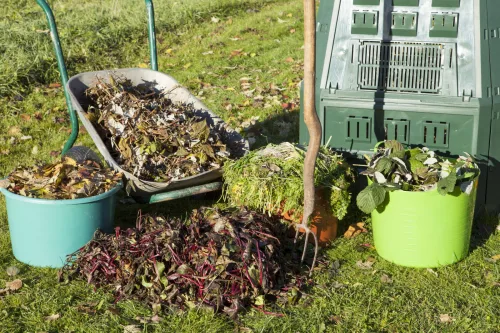
Autumn composting turns fallen leaves and post-harvest garden waste into a nutrient-rich soil improver. It also gives the compost heap time to break down over winter, setting beds and lawns up for stronger spring growth.
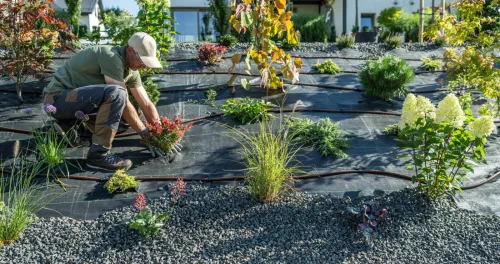
Autumn planting gives many perennials time to build strong roots in warm soil and cooler, moister weather. Come spring, they break dormancy faster, cope better with summer heat, and need less watering.
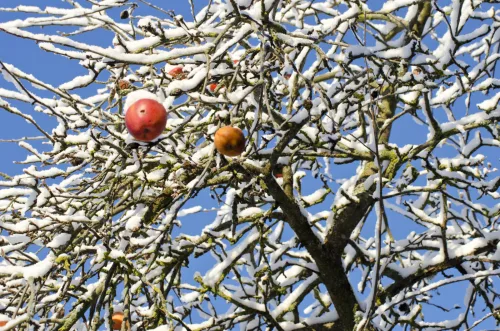
Winter can be tough on garden trees and shrubs, from frost and drying winds to snow load and rapid temperature swings. With a few timely steps in autumn, you can boost resilience and reduce damage that’s hard to fix in spring.
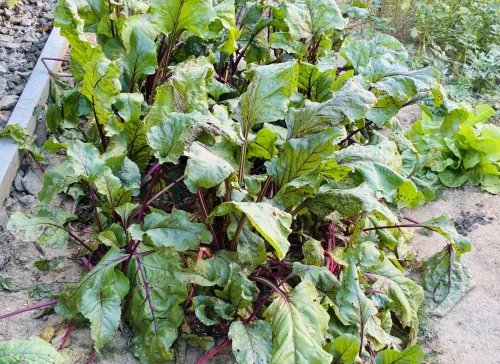
Beetroot is a hardy cool-season crop that rewards you with both sweet roots and flavorful leaves. Learn when to sow, how to care for plants, and how to spot the ideal harvest size for the best texture and juiciness.
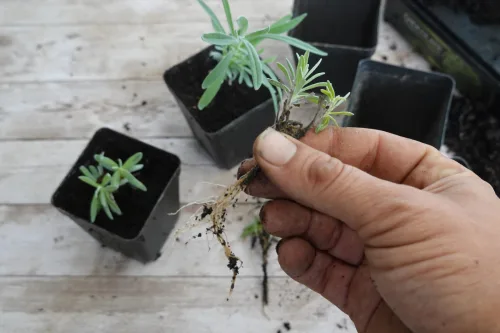
September is one of the best times to take semi-ripe cuttings from many ornamental plants. Root a few now and you’ll have healthy young backups ready for spring if winter takes its toll.
September is ideal for tackling weeds, repairing lawns, dividing perennials and planning bulb planting while the soil is still warm and workable. A few timely jobs now will make next spring easier and your garden more resilient year-round.
Late summer warmth in the soil makes autumn sowings surprisingly fast to germinate, and many crops actually taste better after a light frost. With smart timing and a few reliable choices, you can keep harvesting right up to the first hard freezes.