
 English
  Polski
  Deutsch
  Nederlands
  Svenska
  Norsk
Norsk  Dansk
Dansk  Français
  Italiano
  Español
  Português
  Slovenčina
  Suomi
Suomi  Gaeilge
 Pickling cucumbers are one of the most rewarding vegetables, with big harvests and great flavor
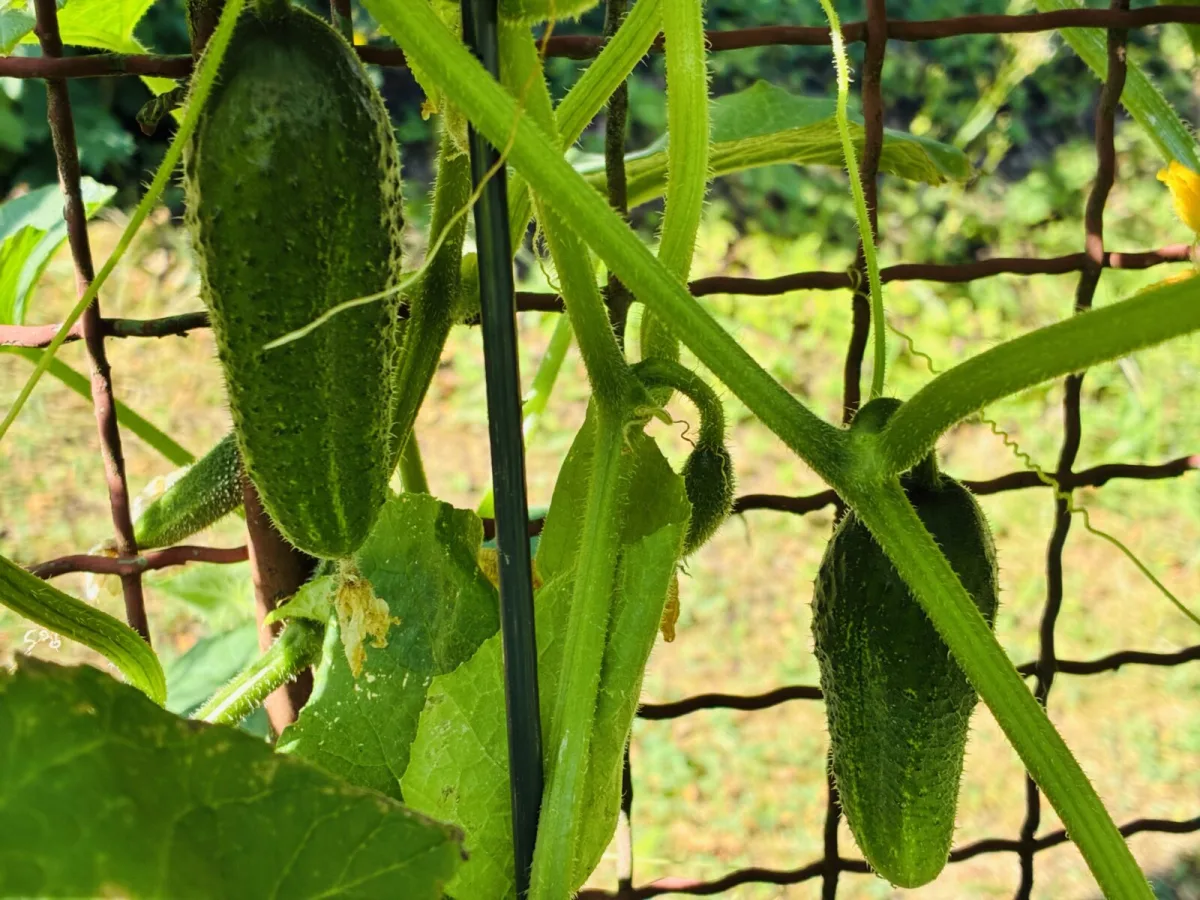
Pickling cucumbers are among the most popular vegetables grown in Czech gardens. Many people associate them mainly with preserving, but their uses go far beyond that. Freshly picked cucumbers are excellent in salads, sandwiches, or simply as a refreshing snack during hot summer days. Thanks to their juicy flesh and pleasantly crisp texture, they’re a crop the whole family enjoys. With proper cultivation, even a few plants can provide a harvest that covers not only immediate eating, but also plenty for pickling.
Modern varieties are also far more resilient than they used to be. Breeders focus on higher yields, better resistance to disease, and more compact growth, which makes cucumbers suitable for smaller gardens or raised beds. There are even varieties that do well in large containers on a terrace or balcony. That means homegrown harvests are within reach even if you don’t have a traditional garden. Follow a few basic rules and the plants will reward you with heavy fruit set.
How to choose the right variety
Choosing the right variety is one of the most important steps for successful growing. Some varieties are bred mainly for sweet-and-sour brines, while others are also excellent for eating fresh. Modern hybrids often offer stronger resistance to powdery mildew, downy mildew, and viral diseases. They also tend to have a shorter growing period, so the first harvest arrives much sooner. It’s worth paying attention to each variety’s traits and selecting according to the conditions in your own garden.
If you’re short on space, you don’t have to give up. More compact cultivars are available that produce shorter vines and thrive even in larger pots. When grown on a support, plants take up less room and the fruit stays cleaner. Better airflow also reduces the risk of fungal diseases. Vertical growing offers several practical advantages at once.
Regular picking is the simplest way to encourage more fruit and extend the harvest season.
Warmth and good soil decide success
Cucumbers love sun and warm soil. Seeds germinate reliably only when the ground has warmed up enough, so it’s best not to rush sowing. Cool weather can slow growth significantly, and young plants are also sensitive to late spring frosts. The soil should be light, well-drained, and rich in organic matter. Working compost into the bed before planting helps ensure a steady supply of nutrients all season long.
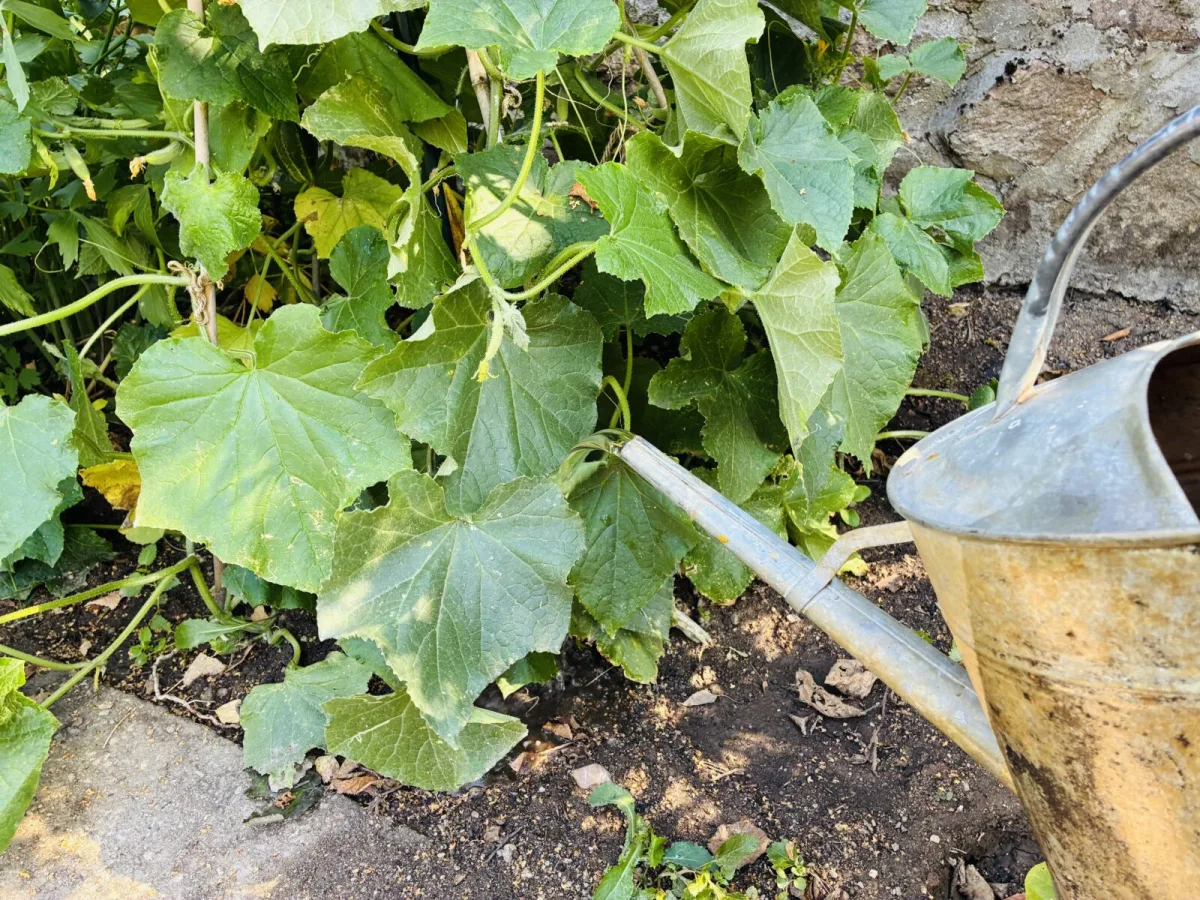
Cucumbers have a fairly shallow root system, so deep hoeing isn’t suitable. It’s easy to damage the roots and weaken the plants. Mulch is a huge help: it reduces evaporation, suppresses weeds, and keeps the soil moist for longer. That means you won’t need to water as often. Plants also cope better during periods of higher summer temperatures.
Without regular watering, you won’t get a big harvest
Cucumbers are mostly water, so they have high demands for consistent moisture. The best approach is a thorough soak at the roots once or twice a week depending on the weather. Frequent light sprinkling isn’t ideal because it encourages fungal disease. Plants prefer less frequent but deep watering that penetrates further into the soil. A steady supply of moisture shows not only in fruit size, but also in flavor.
Too little water can slow growth and lead to bitterness. On the other hand, waterlogged soil encourages disease and can cause roots to rot. Ideally, water in the morning or evening, when it won’t evaporate as quickly. It’s worth using water that has stood and isn’t too cold. That way, plants aren’t subjected to unnecessary temperature shock.
Pests and diseases require a quick response
Among the most common pests are aphids, spider mites, and various beetles that damage leaves and young plants. Mildew problems can also be significant, especially in a damp summer. The foundation of prevention is adequate spacing between plants and good airflow. Rotating planting sites and regularly removing affected leaves also helps. With these measures, you can greatly reduce the risk of more serious trouble.
Young plants are most vulnerable in the first weeks after planting. That’s exactly when regular checks pay off. The sooner you spot any issues, the easier they are to solve. Healthy, well-fed plants also withstand pests far better than weakened ones. Prevention is always more effective than treatment later on.
Regular picking means more cucumbers
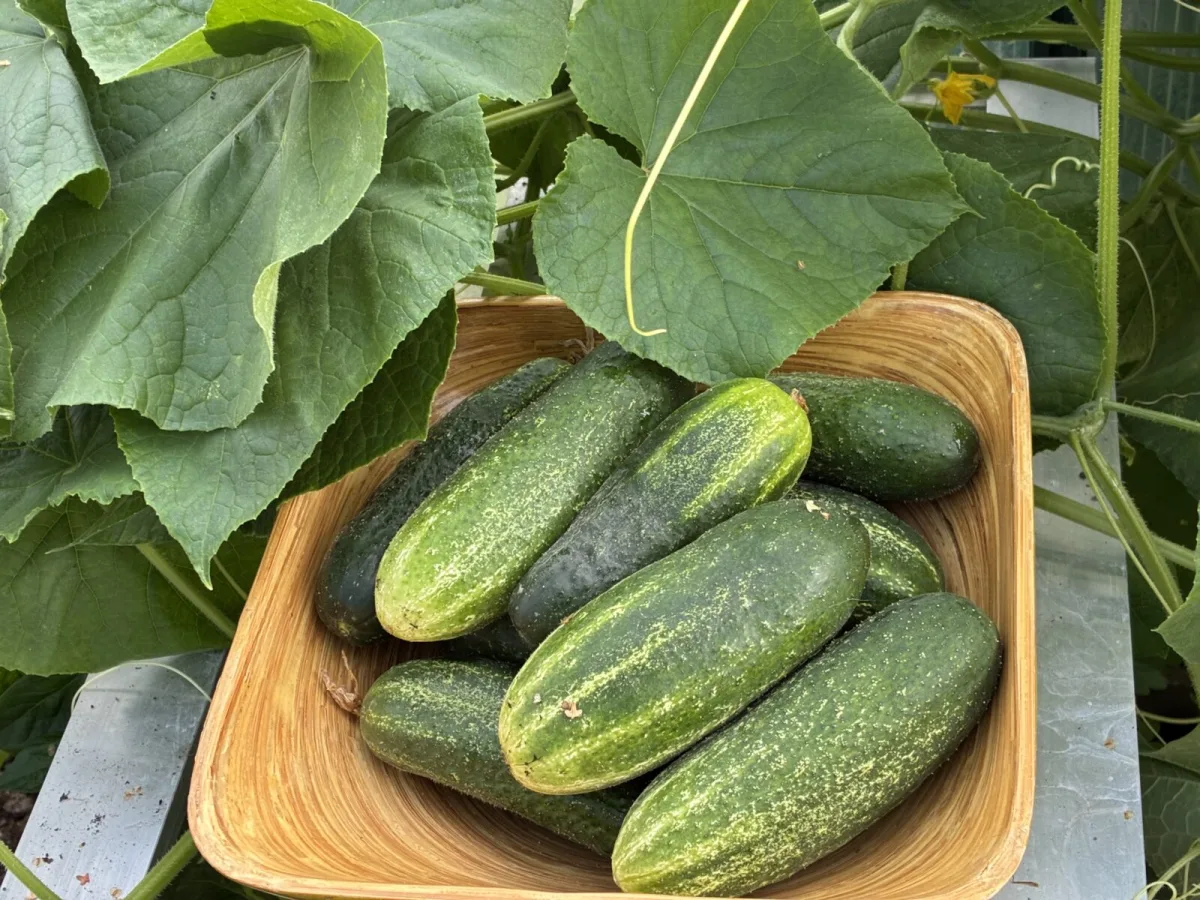
Pickling cucumbers are best harvested when they reach a size suitable for preserving or for eating fresh. Overgrown fruits have larger seeds, tend to be less crisp, and drain the plant unnecessarily. Frequent harvesting encourages new flowers and extends the fruiting period. In peak season, it’s worth checking plants almost every day. That way, no cucumber gets too big.
Freshly harvested cucumbers taste best right after picking. In the refrigerator, they’ll keep for about a week, but they gradually lose firmness and juiciness. If you’re planning to pickle them, it’s best to process them as soon as possible after harvest. That’s how they keep their signature crunch. Freshness is what ultimately determines the quality of homemade pickles.
Pickling cucumbers aren’t just for jars
Although they’re best known in sweet-and-sour brine, fresh cucumbers have much broader uses. They’re great in vegetable salads, cold sandwiches, or as part of summer sides for grilled meat. They’re also delicious with a yogurt dressing, dill, or sour cream. Thanks to their high water content, they’re wonderfully refreshing on hot days. Their mild flavor pairs well with many other vegetables.
For some dishes, it helps to let sliced cucumbers “sweat” briefly with salt. They lose some water, and the finished salad or spread won’t be watery. Cooks all over the world use this simple technique. Just slice the cucumbers, salt them lightly, and after a few minutes pat them dry with a paper towel. The difference in taste and texture can be very noticeable.
One of the most rewarding crops in any garden
Pickling cucumbers are among the vegetables that can delight you with a generous harvest even with fairly low-maintenance care. Give them enough warmth, moisture, and nutrients, and they’ll reward you with a long picking season. Thanks to modern varieties, they can be grown by owners of small gardens or balconies, too. Regular care pays back in dozens of crisp fruits suitable for eating fresh and for preserving. That’s why cucumbers remain one of the most popular summer crops among Czech gardeners.
Source: Gardening Know How, Attainable, Pestrazahrada.cz
Related articles
Next year you can harvest better if you don’t sow carrots where they won’t thrive
Carrot root fly can ruin carrots, parsley and celery from the inside out, often without obvious warning until harvest. Better site choice, rotation, later sowing and simple physical barriers can dramatically cut damage next season.

How to Propagate Roses from Cuttings at Home and Fill Your Garden with Blooms Almost for Free
Want more roses without paying for new plants? With a few healthy cuttings and a simple plastic-bottle mini greenhouse, you can root new bushes at home in just a few weeks.
Heathers can cope where other plants won’t, but one soil detail decides everything
Heathers and heaths are tough evergreen shrubs that can flower across the seasons when you choose the right types. Success hinges on matching the plant to your soil pH and ensuring free drainage.
Comments (0)
Be the first to comment.