
 English
  Polski
  Deutsch
  Nederlands
  Svenska
  Norsk
Norsk  Dansk
Dansk  Français
  Italiano
  Español
  Português
  Slovenčina
  Suomi
Suomi  Gaeilge
 The Duck That Lays 150 Eggs and Patrols the Garden for Slugs
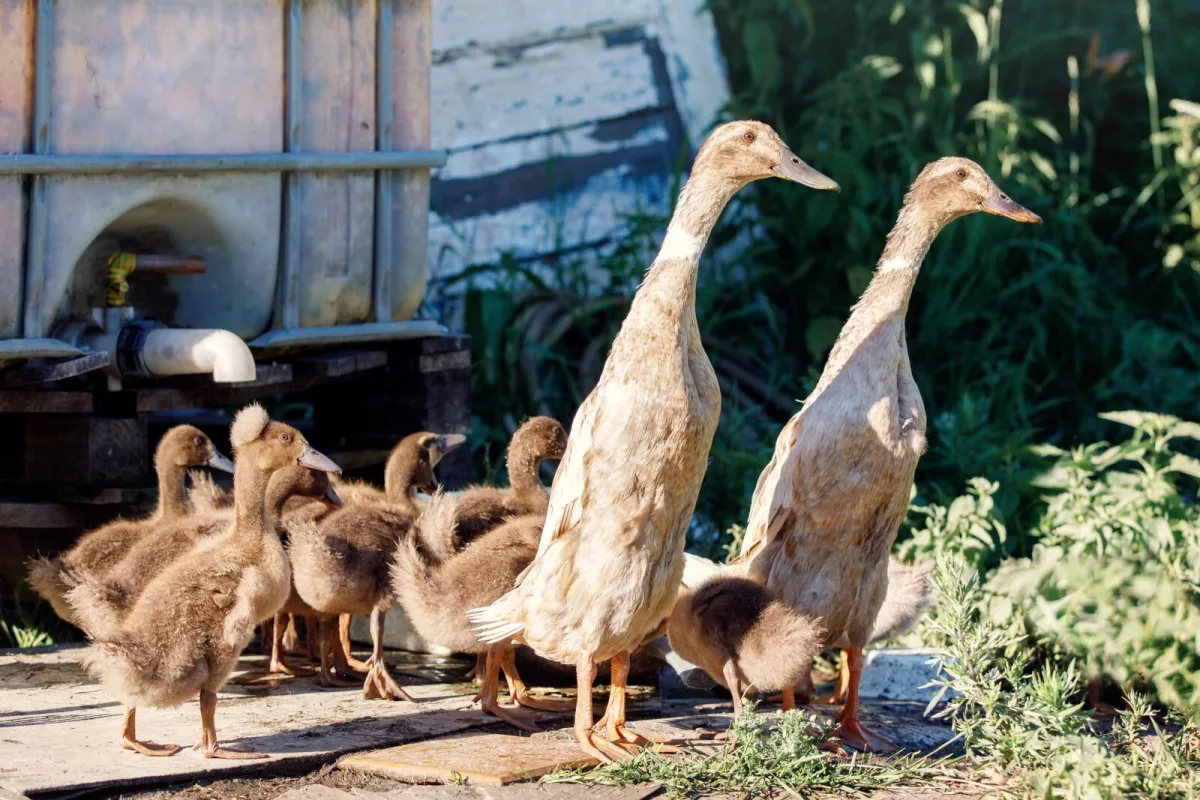
The Indian Runner is a duck that catches your eye at first glance with its upright, penguin-like stance. In the garden, though, it’s not just for show. It’s one of the better laying breeds and, with good care, can produce around 150 eggs from spring through autumn. Many keepers choose runners mainly as natural slug control, because they can significantly reduce slug numbers to a minimum. They also tend to be calm and friendly, so people often feel comfortable having them around children. In some households they even help with run maintenance, because while grazing they can weaken persistent weeds including ground elder, and they can also be a source of lighter meat.
Appearance, size and colour
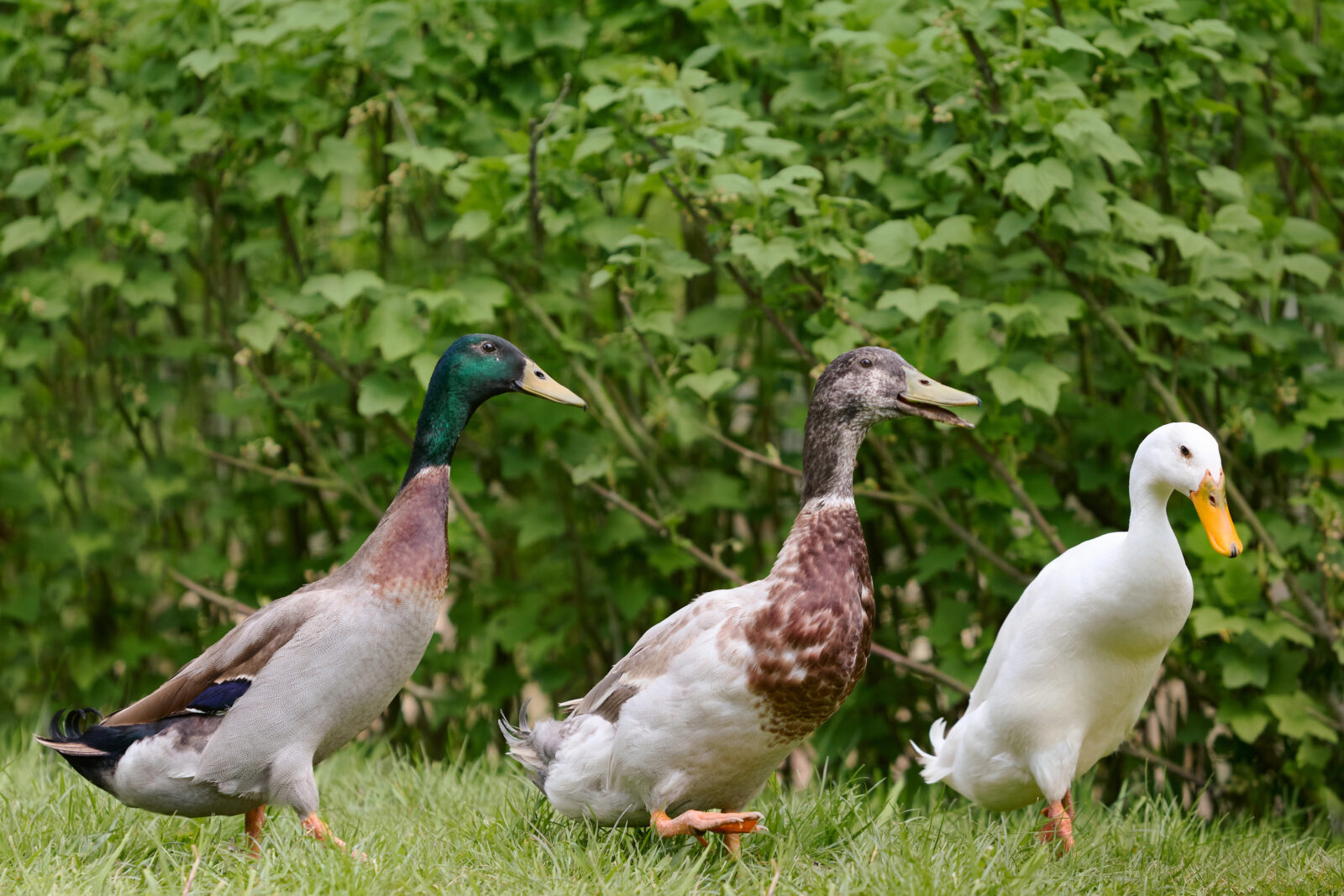
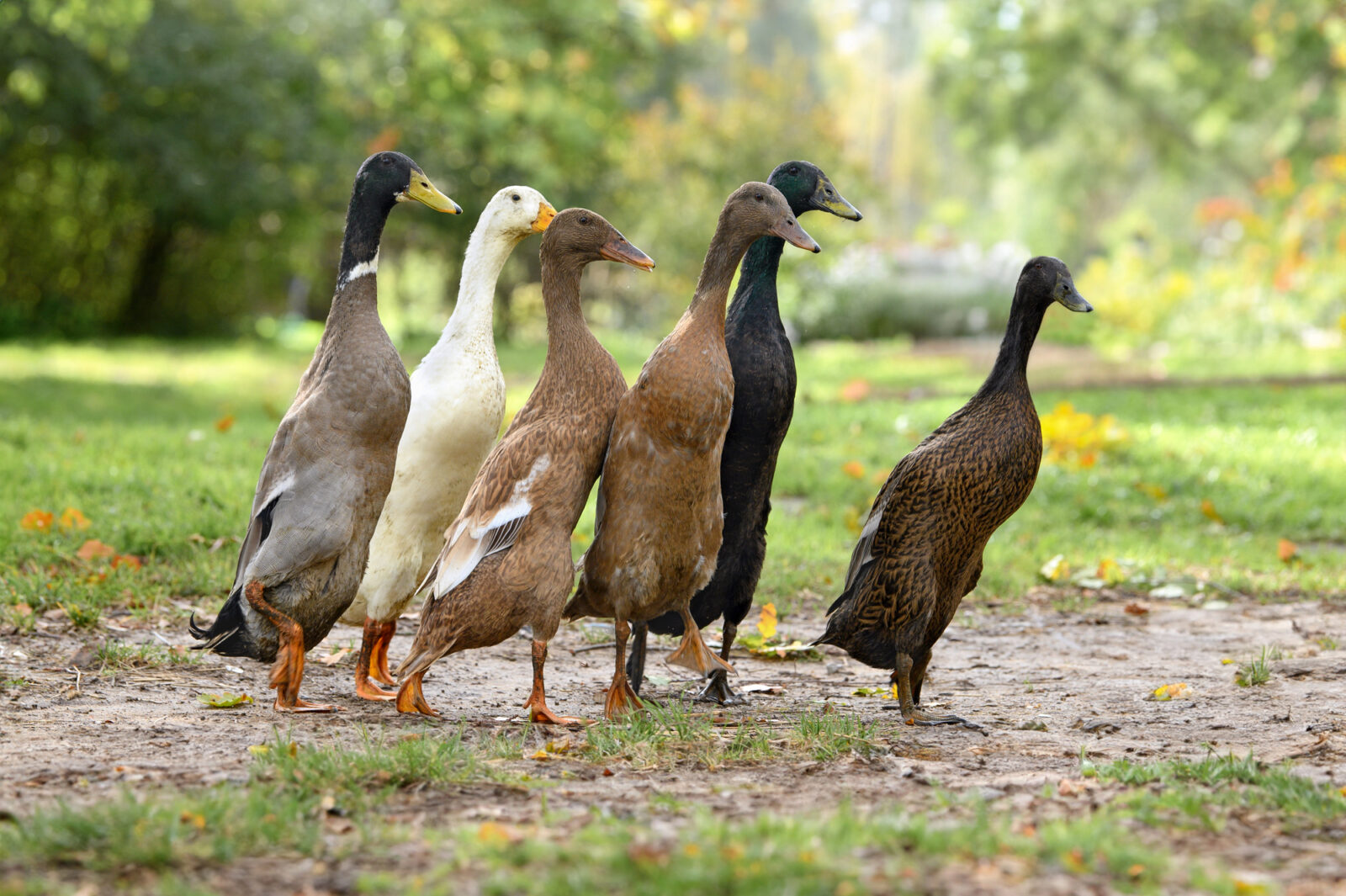
Drakes are usually around 2 kilograms, with ducks slightly smaller. In pure-bred birds there are many colour varieties, from white and black through brown or blue shades to different wild-type patterns. Feather colour often correlates with the colour of the bill and legs. In practice, however, you’ll very often come across birds with mixed colouring as a result of crossbreeding between different varieties. With good care they can live roughly 12 to 15 years, so it’s a long-term commitment.
Run space and roaming the garden
Indian Runners need space. Ideally, let them roam the whole garden and secure the plot with fencing. A small enclosed yard that quickly turns to mud isn’t suitable for them. In the morning they usually head out enthusiastically to patrol the area, combing through mulch, probing the ground with their bills and leaving small dimples behind. They don’t just look for slugs, but also other invertebrates such as larvae, worms, flies, beetles and earthworms. They can even lift off the ground and catch insects in the air when the opportunity arises.
What they’ll do to ornamental and edible plants
Because they’re lighter, they generally don’t wreck ornamental beds the way heavier poultry can. They don’t usually seek out vegetables on purpose, but delicate seedlings can get trampled during slug patrols—especially if you keep a larger flock. Some plants don’t interest them, but others can become favourites and then they can strip them quickly. A practical solution is to protect tempting beds with a simple barrier, such as a low edging made from branches. If you need to mark off an area they shouldn’t enter, a low fence around 40 cm is often enough for them to respect.
Feeding must be proper and always available
The foundation is a quality feed that they should have access to throughout the day. Proven options are complete duck pellets supplemented with grain, typically wheat. Calcium intake is also important, so limestone grit is useful and, during laying, crushed shells as well. Next to the feeder it’s worth keeping a container of river sand, which helps the gizzard grind food. You can occasionally vary the diet with soaked bread, cooked rice or pasta, but always plain and unseasoned. Leftovers from spiced foods aren’t suitable, and ducks usually aren’t interested in them anyway.
Water for bathing and for washing down every mouthful
Runners need water, but they don’t need a pond. A smaller tub is enough—an old bath or a child’s plastic paddling pool—as long as they can get out safely. Bathing is part of their hygiene and feather care; they also like to mate in water and clearly enjoy it. Water by the feed is essential too, because ducks typically wash down almost every mouthful, which is doubly true when they’re eating sticky slugs.
A duck house as overnight security
Indian Runners are flock birds, so it’s best to get at least two so they aren’t alone. At night they need a secure duck house, most often wooden, with dry bedding of shavings, sawdust, straw or hay. As a rough guide, allow about one square metre per two runners; when raising ducklings you’ll need more space. The duck house must be cleaned regularly and kept dry. During the day they can cope with heavy rain, but overnight shelter must be protected from wind, frost and, above all, predators.
In winter it’s important that there isn’t permanent mud in the run. It can freeze onto their legs and cause limping, and in worse cases lead to lasting problems. Letting runners sleep loose in the garden or in an unsecured shelter is a risk, because sooner or later a marten, fox or another predator may appear. Securely shutting them in at night is therefore sensible prevention, much like with chickens.
Hatching and parenting behaviour
It’s often said that Indian Runners don’t have a strong brooding instinct, which is why large-scale breeding relies on incubators. In practice, however, there are also ducks that will hatch their own eggs and care for ducklings exemplary well. Incubation takes about 28 days. Sometimes the drake’s behaviour is notable too—during nesting he stays nearby, as if standing guard. If the flock moves around the garden less for a while, it can also happen that slugs start moving back in from surrounding areas, because the usual ground patrol eases temporarily.
Breed origins and why they look the way they do
The Indian Runner is a domesticated form of the mallard, with roots in Southeast and East Asia. It’s an old breed that also developed through natural crossbreeding without deliberate human intervention. Ducks with a strikingly upright carriage likely reached Europe as early as the 16th century, when sailors carried them on ships as a practical source of eggs and meat. The modern characteristic look—a bottle-shaped body carried almost vertically, legs set further back, and a head with a longer, flatter forehead—was then refined through selective breeding in England and Germany during the 19th and 20th centuries. This body structure is what allows their surprisingly fast movement on land, making them such efficient foragers in the garden.
Source: Runner Duck, Fresh Eggs Daily, Pestrá zahrada, Pestrazahrada.cz

A lover of nature, gardens, and everything that moves, blooms, or grows. He literally grows everything, from herbs to rare species, and he enjoys caring for animals just as much. In his work, he connects modern technology with tried-and-tested grandmotherly methods and is happy when both paths lead to the same goal.
Related articles
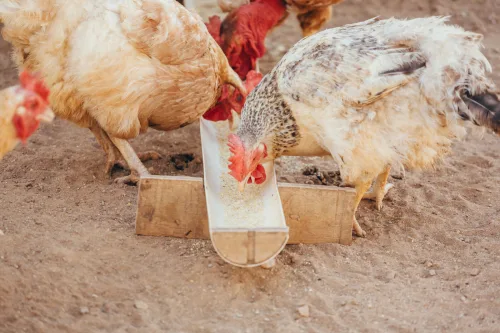
How to Choose a Chicken Feeder That Keeps Feed Dry, Clean and Pest-Free
A good chicken feeder should keep feed dry, reduce waste, and make access difficult for rats and wild birds. The right design and placement can save money and keep your coop cleaner year-round.
How to Feed Laying Hens So They Stay Healthy, Lay Steady All Year and Produce Strong Shells
A well-balanced diet is the key to healthy hens, strong eggshells and consistent laying. Learn what to feed, what to top up, and what to avoid through the seasons.
Which vegetables can chickens safely eat every day
Vegetables make a brilliant daily treat for chickens, adding moisture, fibre and valuable vitamins. The key is to use them as a supplement to a balanced complete feed, not a replacement.
Comments (0)
Be the first to comment.