
 English
  Polski
  Deutsch
  Nederlands
  Svenska
  Norsk
Norsk  Dansk
Dansk  Français
  Italiano
  Español
  Português
  Slovenčina
  Suomi
Suomi  Gaeilge
 July decides the quality of your grapes so don’t neglect this in the vineyard
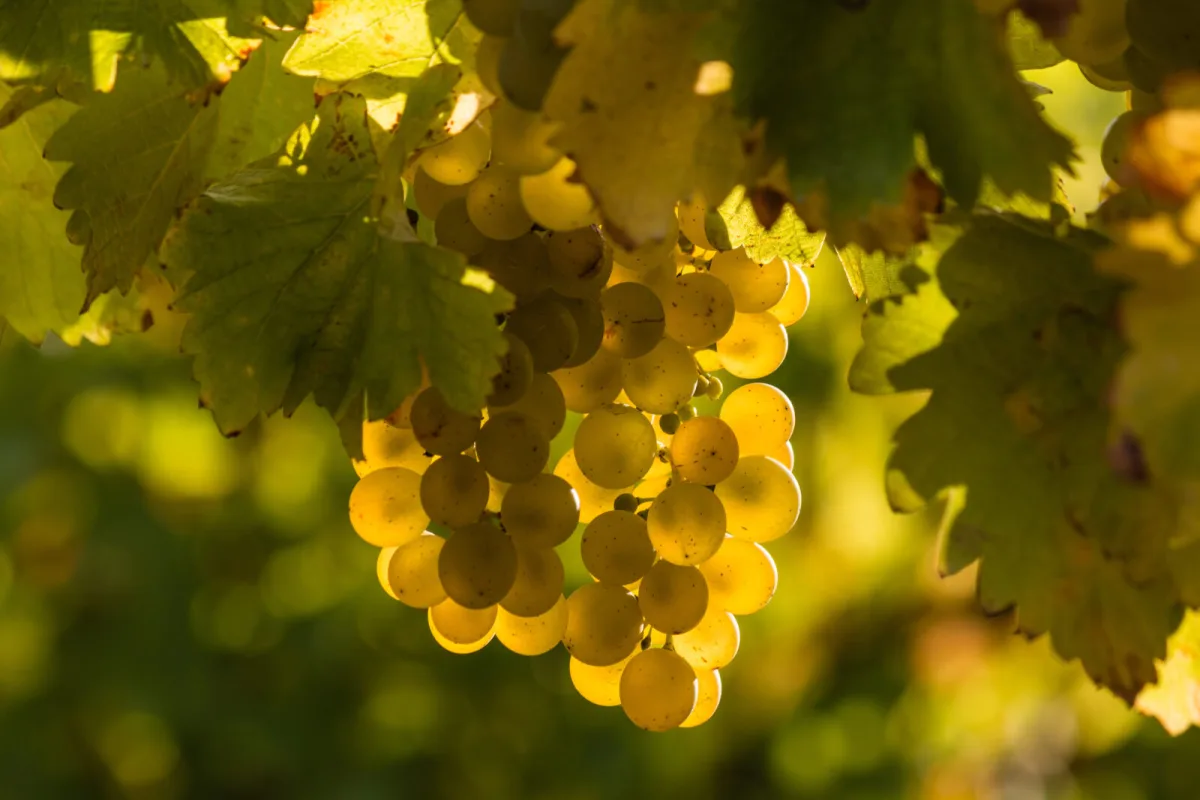
July is one of the busiest times in the vineyard. The vines are at full strength, shoots are growing fast, and the developing clusters are already clearly visible on the canes. Right now, the quality of the harvest is being decided. If care is neglected this month, the vine is exhausted unnecessarily, the canopy becomes too dense, and diseases take hold more easily. Regular checks and a few targeted interventions help keep vines open and airy, clusters healthy, and ripening even.
Downy and powdery mildew in heat and humidity
Typical July weather is warm, sometimes muggy, and after showers it can be very humid. These conditions favour fungal diseases, especially downy mildew and powdery mildew. As soon as the first symptoms appear on leaves or clusters, you need to react without delay so the infection doesn’t spread through the whole planting. Prevention also helps: a better-aerated canopy and correct watering. Once infection is visible, it’s sensible to use available products specifically labelled for grapevines and follow the instructions exactly, including timing and repeat applications.
Summer canopy work that eases the load on the vine
In summer, the vine uses a lot of energy for both growth and feeding the crop. Canopy work isn’t just cosmetic; it’s a way to direct the plant’s strength into the fruit while also reducing disease risk. The basis is to continually regulate the amount of green growth so the vine doesn’t become overgrown, poorly lit, and prone to problems after rain.
Topping vigorous shoots
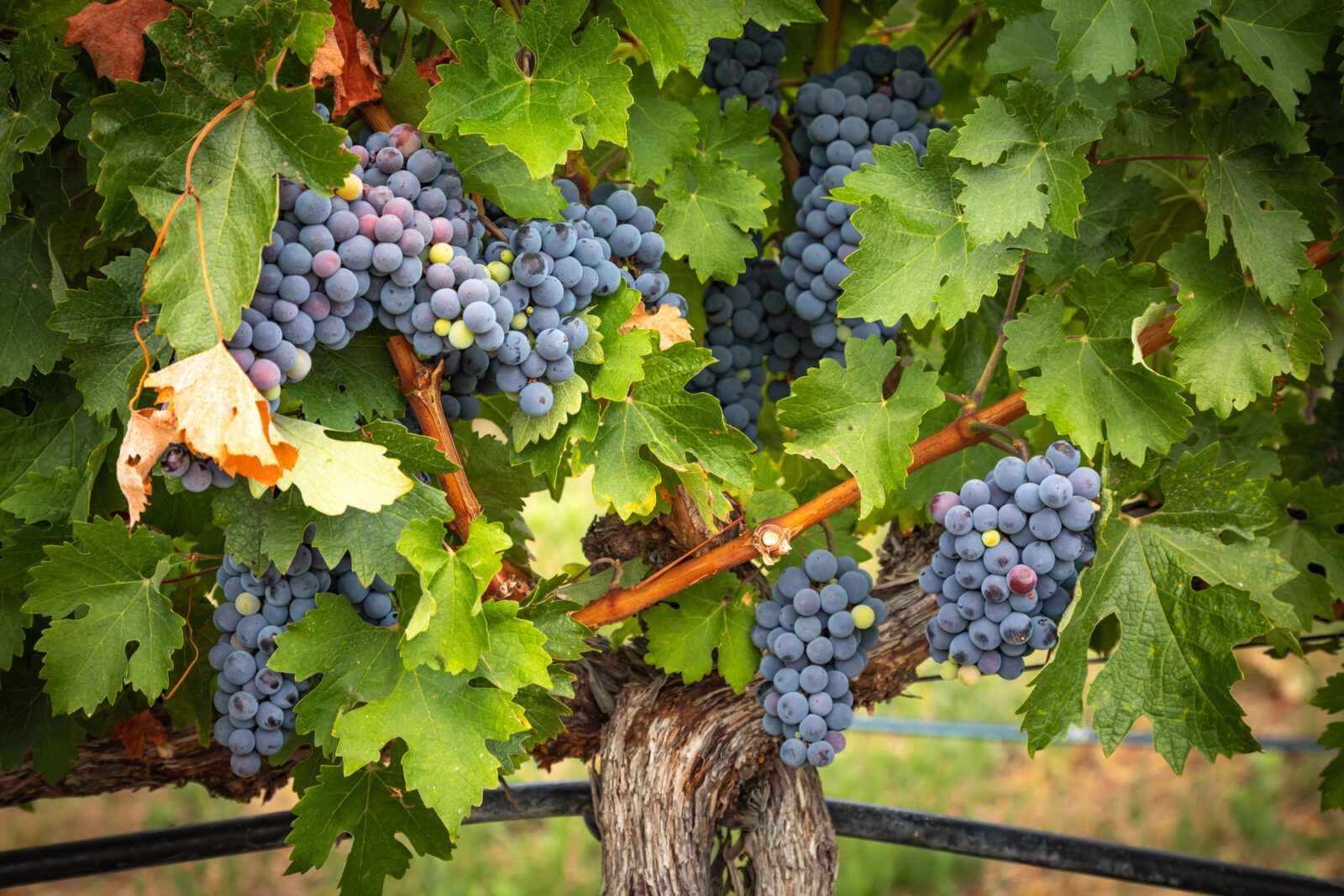
Once shoots grow beyond the trellis or catch wires, it’s time to shorten them, a practice known as topping. Fruiting shoots are usually cut back beyond the last cluster so that roughly four to five leaves remain above it. This prevents the vine from wasting energy on unnecessary length and helps it focus on berry fill.
Pinching out laterals in the leaf axils
Side shoots often grow from leaf axils and quickly thicken the canopy. If left unchecked, they steal nutrients from the main shoot, reduce airflow, and create conditions where diseases spread far more easily. Regularly pinching out new laterals is therefore one of the most important routine tasks in July.
Gradual leaf removal around the clusters
Removing some leaves around the clusters brings several benefits. After rain, bunches dry more quickly, which reduces disease pressure. Better light penetration also supports sugar accumulation and aroma development in the berries. Leaf removal should be done gradually, though. The berries may not yet have enough protection, and a sudden full exposure to sun can cause sunburn, so leaves aren’t stripped all at once and the vine’s response is always watched.
Tying in and tucking shoots into the trellis
As clusters gain weight, the risk of fruiting shoots snapping increases. Strong wind or summer storms can speed up damage even more. Regular tying-in and evenly tucking shoots into the trellis helps keep them stable and the canopy tidy. It’s also true that a smaller, better-organised leaf area means less water loss through evaporation, so the vine copes more efficiently in hot weather.
Watering in drought and why to aim at the roots
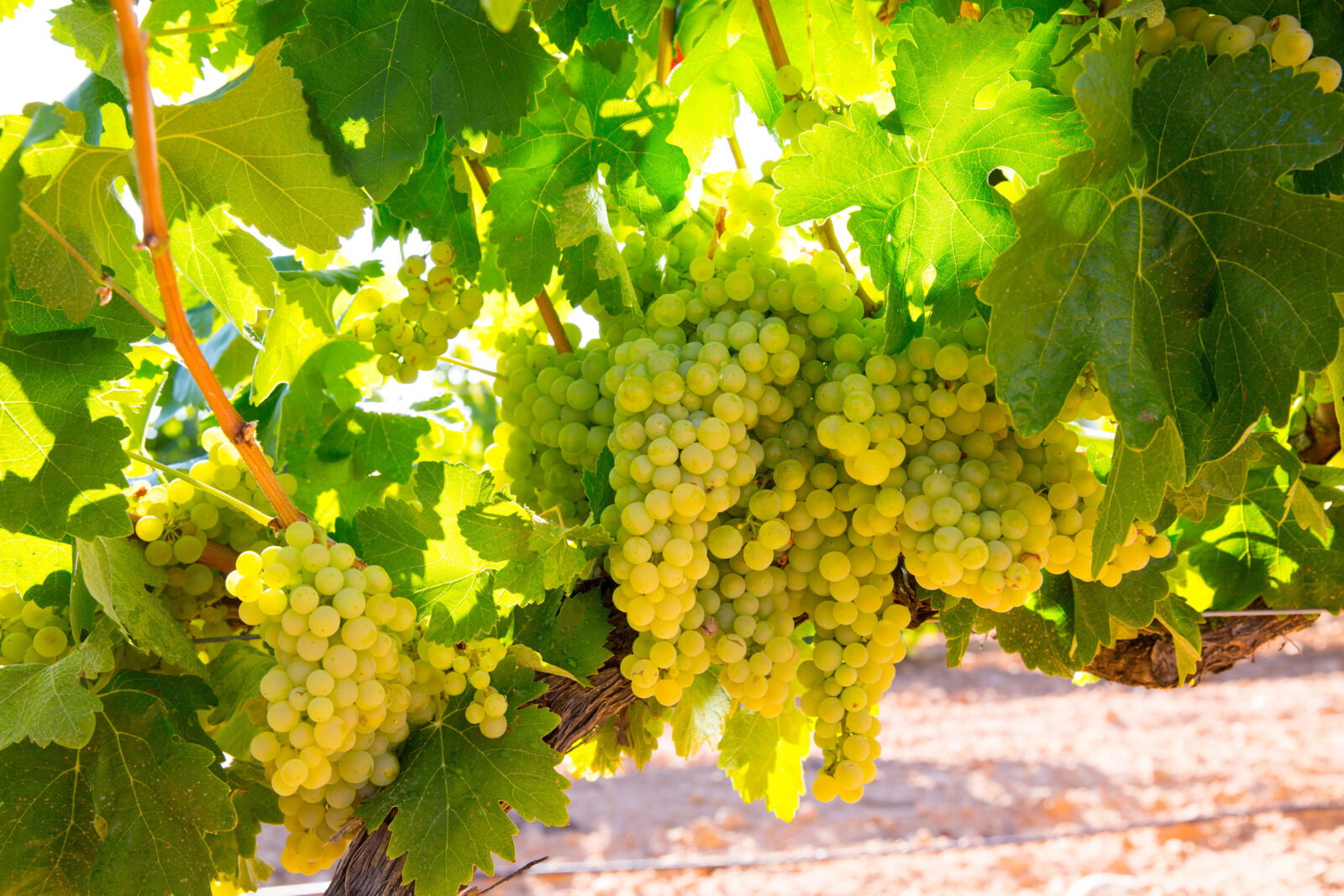
During prolonged drought, grapevines need watering because the berries are starting to size up and water is essential for that process. It’s important to deliver water to the roots, not onto the leaves, so you don’t unnecessarily raise humidity in the canopy and with it the risk of mildew. Drip irrigation works very well, supplying water regularly and in sensible amounts so the soil doesn’t swing between too dry and waterlogged.
Thinning clusters for higher quality
Some vines set so many clusters that they can’t ripen them well. If your goal is better quality rather than maximum yield, it pays to reduce part of the crop. Most often, weak, damaged, or poorly developed clusters are removed. This lightens the load on the vine and gives the remaining bunches a better chance to ripen evenly and taste better.
Grapevine as a traditional helper for tired legs
The grapevine isn’t only a productive plant for wine and table grapes. Long ago, growers noticed its leaves could also be used in home skin care. Grapevine leaves contain antioxidants, tannins, vitamins A and C, flavonoids and other compounds associated with supporting vein elasticity, soothing irritated skin, and reducing swelling. That’s why the leaves were used not only in the kitchen but also in folk remedies.
Homemade oil rub from grapevine leaves
If you have clean leaves that haven’t been treated with chemicals, you can make a simple oil rub from them. Fill a preserving jar with chopped leaves and cover with a good-quality oil. Place the jar in a pot of hot water so it’s roughly half submerged, and warm it gently for about half an hour. Then strain the oil carefully, let it cool, and use it on tired legs, ideally in the evening before bed, or on irritated skin. Traditionally, it’s also mentioned for sun-stressed skin.
Tip: July is the month of regular checks. Short but frequent interventions on the vines are often more effective than a single big job, because vines grow quickly and conditions change from day to day.
Source: Heřmánkův herbář, Jean Leon, Wine Maker Mag, Pestrazahrada.cz

A lover of nature, gardens, and everything that moves, blooms, or grows. He literally grows everything, from herbs to rare species, and he enjoys caring for animals just as much. In his work, he connects modern technology with tried-and-tested grandmotherly methods and is happy when both paths lead to the same goal.
Related articles
The More Often You Harvest, the Longer Plants Keep Cropping
With fruiting vegetables, frequent picking keeps plants flowering and producing for longer. A few crops, such as aubergines, are tastiest when harvested slightly earlier rather than fully mature.
Wasps Aren’t Just a Barbecue Menace They Can Ruin Your Garden Woodwork Too
Weathering isn’t always the main culprit behind damaged outdoor timber. Wasps can scrape fibres from boards and beams surprisingly fast, leaving grooves that soak up water and accelerate decay.
Why hydrangeas wilt in summer even when watered and how to save them fast
Hydrangeas can look limp in hot weather even if you’ve been watering faithfully. The key is to check what’s happening in the root zone, then adjust watering, shade and mulching so the plant can actually use the moisture available.
Comments (0)
Be the first to comment.