
 English
  Polski
  Deutsch
  Nederlands
  Svenska
  Norsk
Norsk  Dansk
Dansk  Français
  Italiano
  Español
  Português
  Slovenčina
  Suomi
Suomi  Gaeilge
 Drought tolerant exotic fruit trees suitable for Czech gardens
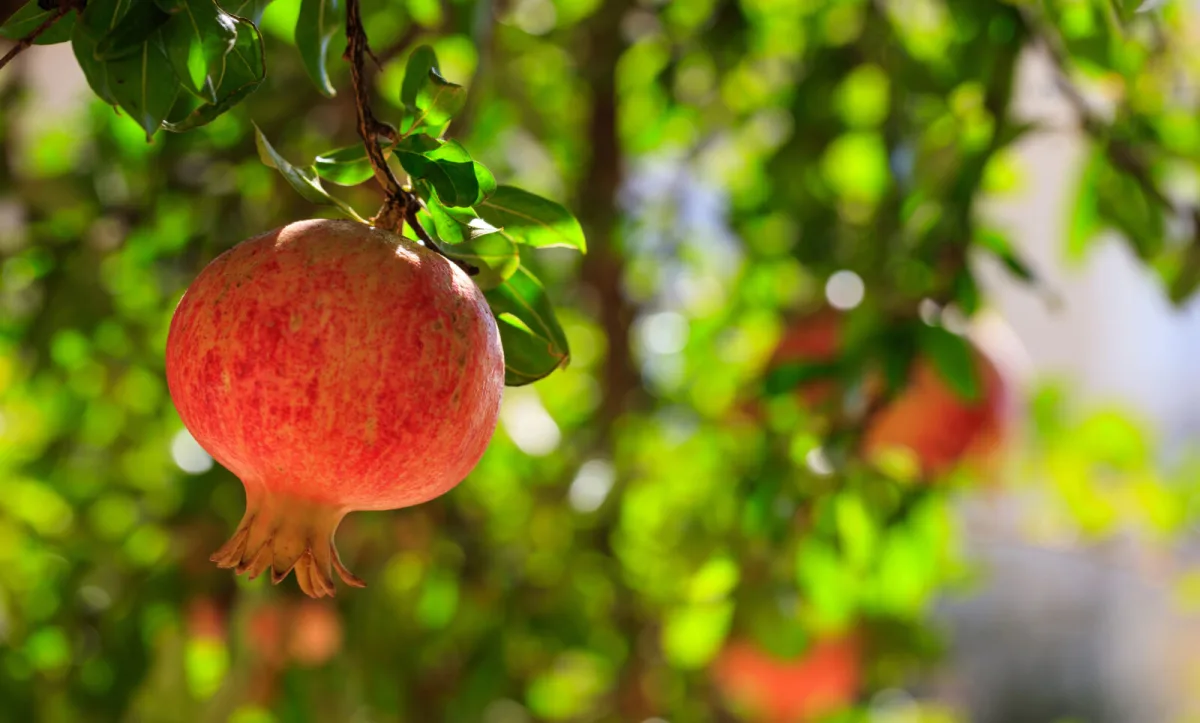
Most people associate fruit trees such as pomegranate, olive and fig mainly with seaside holidays. But the weather is changing, and in many parts of the Czech Republic summer already resembles the conditions these woody plants are used to. That is exactly why they are appearing more and more often in our gardens, where they can surprise not only with their looks but also with their fruit. The key to success is choosing a cultivar that can handle winter temperatures and giving it as much sun and shelter from wind as possible.
When water is scarce, the tough ones win
Recurring dry spells are forcing gardeners to think about what to plant so the garden works even without daily watering. Alongside traditionally drought-tolerant trees and shrubs—such as hazel, sweet chestnut, almond, service tree or cornelian cherry—it is also worth paying attention to species that used to be seen more as exotic. Many of them manage water very sparingly and, with the right site selection, can survive even hard frosts.
From the Mediterranean to Czech gardens only in suitable locations
That does not mean an olive or a pomegranate will suit absolutely everywhere. They will do best in warmer regions, on south-facing slopes and in lowlands with a long growing season. In higher elevations, frost pockets and places where snow lies for a long time, these heat-loving trees generally are not worth planting. Even in warm areas, it pays to plan for protection against extremes, especially during severe winter fluctuations.
Olive trees that have a chance of succeeding
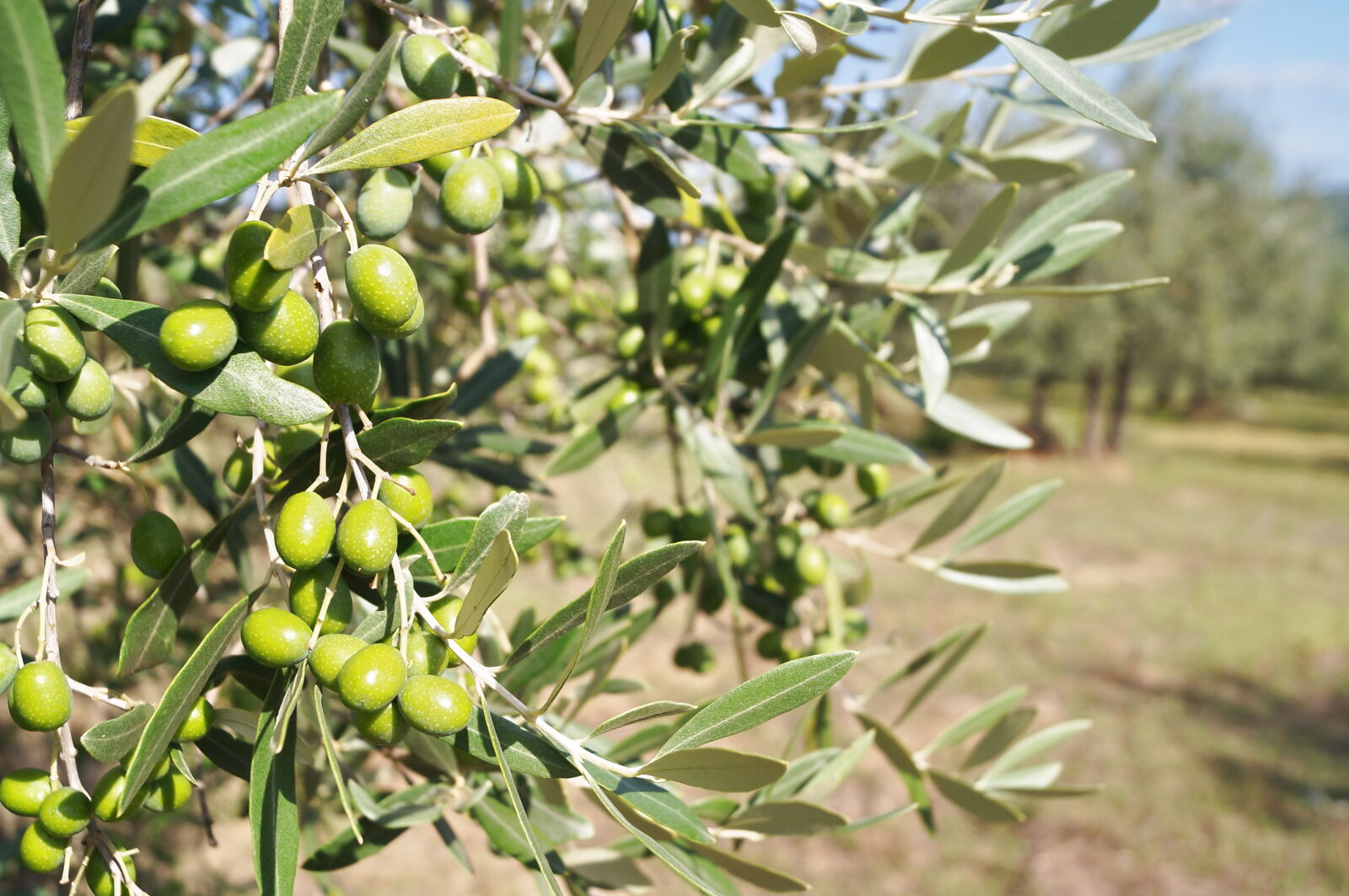
Olive ‘Megaron’
The cultivar ‘Megaron’ is interesting because, in good conditions, it can be grown here as well, and in the ground it reaches roughly three metres. It produces larger olives with a brownish colouring. If truly severe frosts threaten, it is sensible to protect it, or train it so it can be covered more easily. Because it grows quite compactly, it can also be grown as a movable plant.
Olive ‘Chalkidiki’
‘Chalkidiki’ is among the cultivars that tolerate frost to about minus fifteen degrees. At lower temperatures, it is better to plan on protection, especially for young plants. An advantage is that it is well suited to containers, so it can be moved for winter into an unheated greenhouse, conservatory or polytunnel. It grows to around three metres and bears green olives.
Pomegranates for the bold and the cautious
‘Nikitskij černyj’ as a frost-hardy favourite
If you want to try pomegranate and are looking for maximum hardiness, the cultivar ‘Nikitskij černyj’ is often mentioned. In good condition, it can cope with frosts down to around minus thirty degrees. The fruit is strikingly dark, sometimes appearing almost black. The tree benefits from full sun, and fully ripened fruit can be used in fruit salads, drinks or for extracting pure juice.
‘Hermione’ with sweeter, larger fruit
The cultivar ‘Hermione’ is popular thanks to its larger, sweet fruit. Its frost resistance is usually given as between minus fifteen and minus twenty degrees, with a lot depending on microclimate and site protection. It performs best in a warm, sheltered position with sun all day long. The fruit is suitable for eating fresh as well as for salads and fruit mixes.
Common fig and simple rules for success
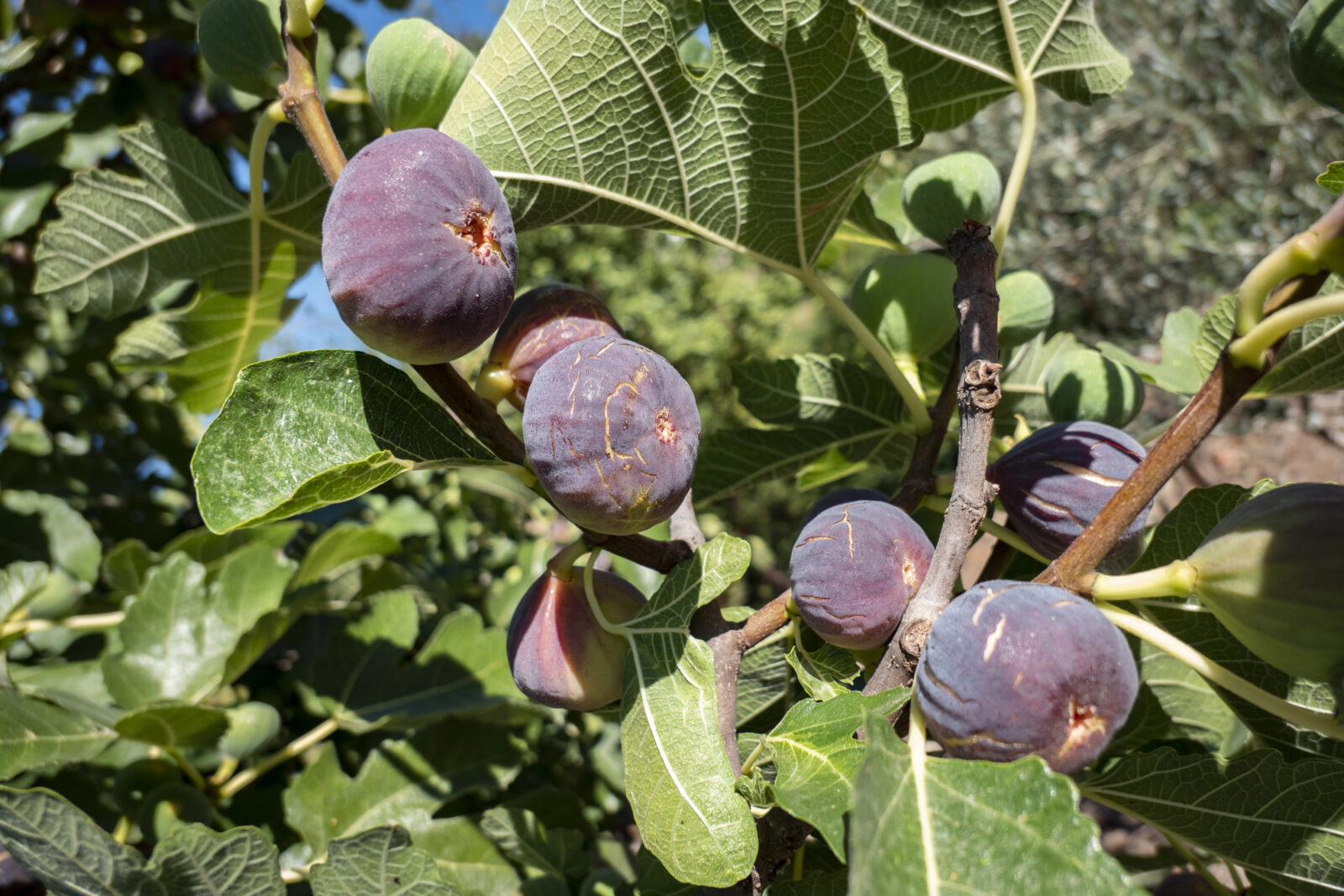
‘English Brown Turkey’ and soil without unnecessary fuss
Common fig, for example the cultivar ‘English Brown Turkey’, is not overly fussy about soil. It does, however, appreciate soil that is not acidic, and it often even suits a heavier, clay-based ground. When planting, it helps to lighten the soil in the planting hole by adding a horticultural planting mix. After that, all it needs is sensible watering—rather on the modest side—and, above all, plenty of sunshine.
Less water can mean better hardiness
With figs, it is worth avoiding overwatering. If they have too much water, they often grow vigorously, make long shoots, and the wood then does not have time to ripen properly. Yet well-ripened wood is crucial for getting through winter. A sheltered position by a wall, out of the wind or in a warm part of the garden helps not only with the crop but also with overwintering.
Winter protection for fig step by step
After harvest in autumn, it is advisable to prune the tree so it can be protected easily. On older figs, branches are often shortened to about two and a half metres. Young, flexible shoots can be bent to the ground and thoroughly insulated, for example with straw, or even a thick layer of conifer branches and leaves. The tied branches are then wrapped in breathable fleece so moisture does not build up inside and mould does not develop. A fig prepared this way can cope even with frosts around minus twenty-five degrees.
Other figs worth considering
Besides ‘English Brown Turkey’, ‘Black Royal’, ‘Black Mission’ and ‘White Royal’ are also mentioned as fairly hardy. Actual success, however, always depends on local conditions, the age of the plant and whether the tree has time to ripen its wood over summer. If you have a warm site and are willing to protect the plants in the first years, these once holiday-only species can become a stable part of your garden and a source of unusual harvests.
Source: Rayon de Serre, Martha Stewart, Pestrazahrada.cz

A lover of nature, gardens, and everything that moves, blooms, or grows. He literally grows everything, from herbs to rare species, and he enjoys caring for animals just as much. In his work, he connects modern technology with tried-and-tested grandmotherly methods and is happy when both paths lead to the same goal.
Related articles
Drought tolerant fruit trees for Czech gardens that handle heat and winter frosts
Warmer summers and longer dry spells are changing what can be grown in Czech gardens. With the right variety and a sunny, sheltered spot, olives, pomegranates and figs can cope with heat, drought and even winter cold.
Thuja hedges are on the way out gardeners are choosing a shrub that shrugs off frost and drought and never looks dull
Thuja may be a long-standing classic, but today’s hedges are increasingly built from more varied shrubs that look better through the seasons. One standout choice is ninebark, prized for its toughness, colour and easy care.
Autumn planted grapevines bud earlier the most common mistake happens before they even go in the ground
Planting grapevines in November can give them a head start in spring, as roots can still establish in warm soil. Success depends mainly on proper planting depth and reliable winter protection.
Comments (0)
Be the first to comment.