
 English
  Polski
  Deutsch
  Nederlands
  Svenska
  Norsk
Norsk  Dansk
Dansk  Français
  Italiano
  Español
  Português
  Slovenčina
  Suomi
Suomi  Gaeilge
 Discover Tayberries and Learn to Grow Them Like a Pro
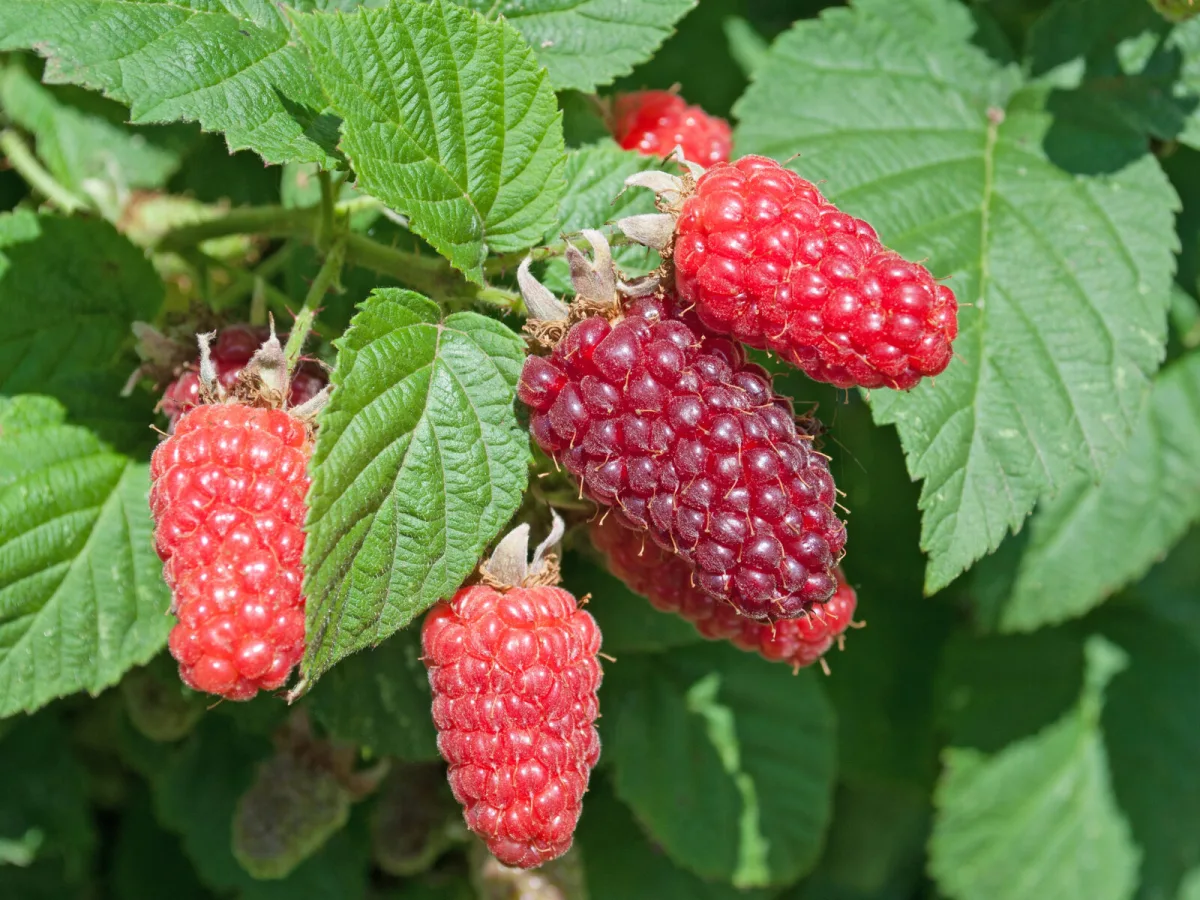
Looking for an unusual fruit that tastes fantastic and is still manageable in a smaller garden? The tayberry, known in Czech as malinoostružina, is a hybrid of raspberry and blackberry. It stands out for its strong fragrance, juicy flesh, and often surprises even those who think they know soft fruit well. With proper care, it can crop extremely heavily.
What a tayberry is and how it differs from raspberry and blackberry
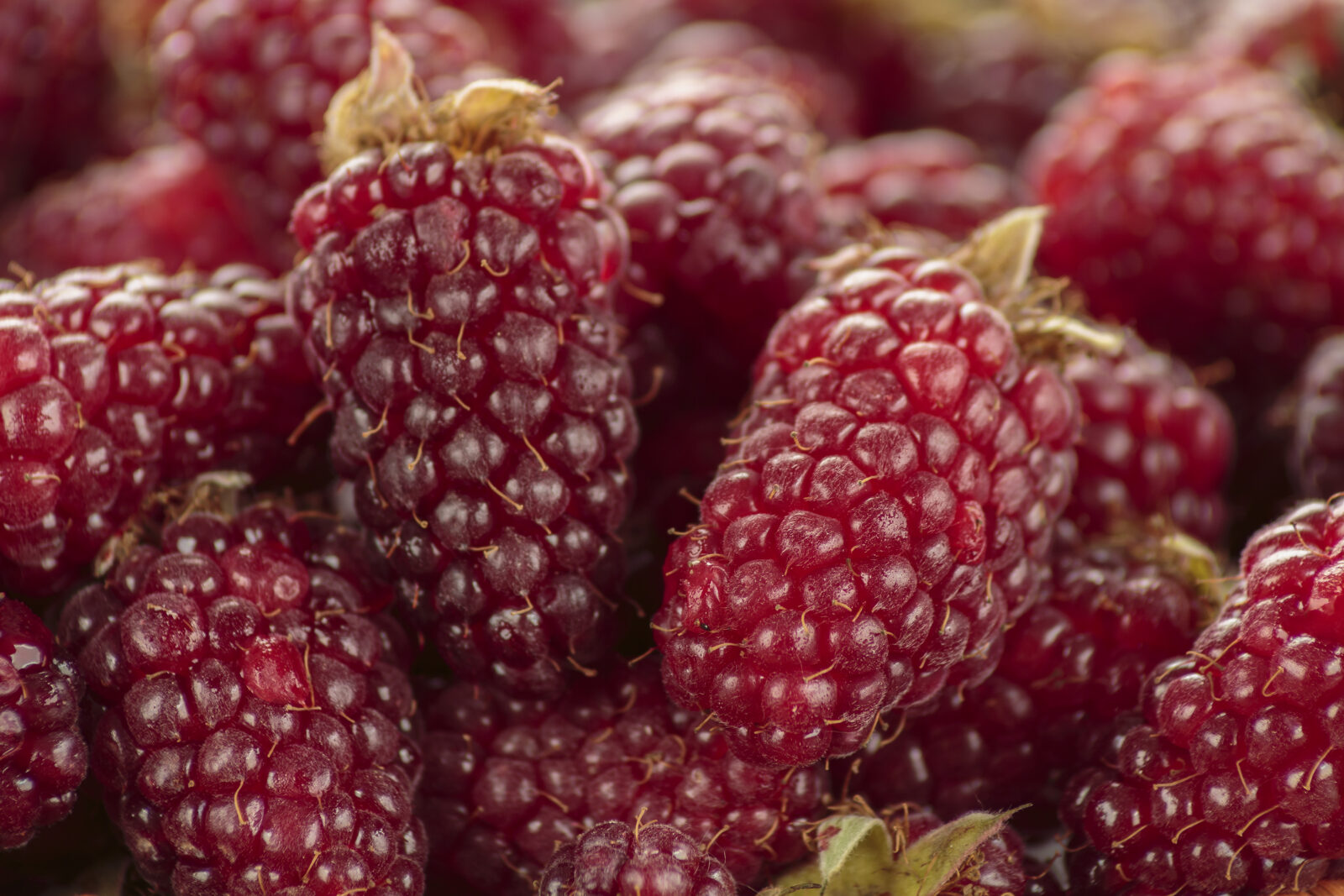
Tayberry was created by crossing raspberry (Rubus idaeus) and blackberry (Rubus fruticosus). The fruits are elongated, larger than raspberries, and range in colour from deep pink to dark purple. Unlike blackberries, they tend to be softer and bruise more easily, which is worth bearing in mind during picking and transport.
The flavour is intensely sweet with a gentle tang. They’re great eaten fresh, made into jams, baked with, or turned into homemade drinks. Thanks to their aroma, they also work well in liqueurs or fermentation, if you like experimenting with less traditional ways of preserving fruit.
How the plant grows and why it needs support
The plant forms a robust bush with long, flexible canes that, without training, will easily snap or sprawl across the ground. Treat support as the foundation of success. Most commonly, gardeners use a wire trellis, a frame with tensioned wires, or a simple lattice. The bush flowers in spring and produces its crop through summer, which can be very generous in good conditions.
A proven method is to train the canes along several horizontal wires, for example the first about 50 cm above the ground and the next ones progressively higher, so the shoots have space and light.
When and where to plant tayberries
The best time to plant is in spring, typically March to April, or in autumn from October to November. Tayberries love sun but will also tolerate partial shade; just expect a slightly lighter set of fruit. The soil should be free-draining, fertile, and not waterlogged, so the roots don’t suffer.
Planting steps for a strong start
Choose a site with plenty of light and prepare the support in advance so you can tie in the canes as they grow. Leave at least 80 cm between plants to give them room and allow better airflow, which reduces disease risk. Improve the soil with compost or a quality organic fertiliser, then water thoroughly after planting. The plant grows fairly quickly and often starts cropping well from the second year after planting.
How to choose quality plants and what to expect from growing
For success, it’s important to buy a strong, healthy plant with a well-developed root system. A good choice is plants grown without chemical sprays, and those suitable for both open ground and larger containers. If you choose the right position, provide support, and keep up with watering after planting, tayberries will reward you with delicious fruit and a reliable summer harvest.
Source: Plukkers, GrowVeg, Pestrazahrada.cz

A lover of nature, gardens, and everything that moves, blooms, or grows. He literally grows everything, from herbs to rare species, and he enjoys caring for animals just as much. In his work, he connects modern technology with tried-and-tested grandmotherly methods and is happy when both paths lead to the same goal.
Related articles
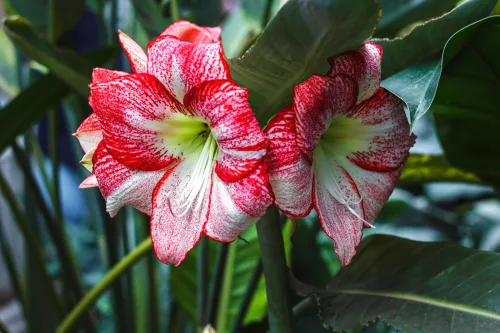
The Christmas Amaryllis That Can Bloom for Years but Most People Throw It Away After Flowering
Hippeastrum is a spectacular winter-blooming bulb that, with the right care, will flower again year after year. Learn how to plant it correctly, look after it after flowering, and bring it into dormancy so it reliably reblooms.
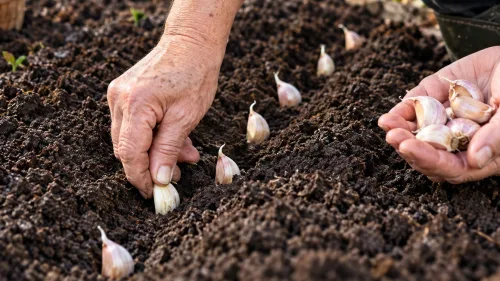
How to Grow Winter Garlic for a Much Bigger Harvest
Autumn planting is the key to strong, healthy winter garlic, but the details make all the difference. With the right timing, bed choice, seed-clove treatment and a simple bicarbonate trick, you can noticeably boost yield.
A tree or shrub planted properly in autumn can outpace spring stock and improve fruiting
Many fruit trees and soft-fruit shrubs establish better when planted in autumn, because roots keep growing while the top is dormant. Done well, this head start means stronger spring growth, less watering, and a healthier first year.
Comments (0)
Be the first to comment.