
 English
  Polski
  Deutsch
  Nederlands
  Svenska
  Norsk
Norsk  Dansk
Dansk  Français
  Italiano
  Español
  Português
  Slovenčina
  Suomi
Suomi  Gaeilge
 Is a Tomato a Fruit or a Vegetable Facts Myths and Juicy Context
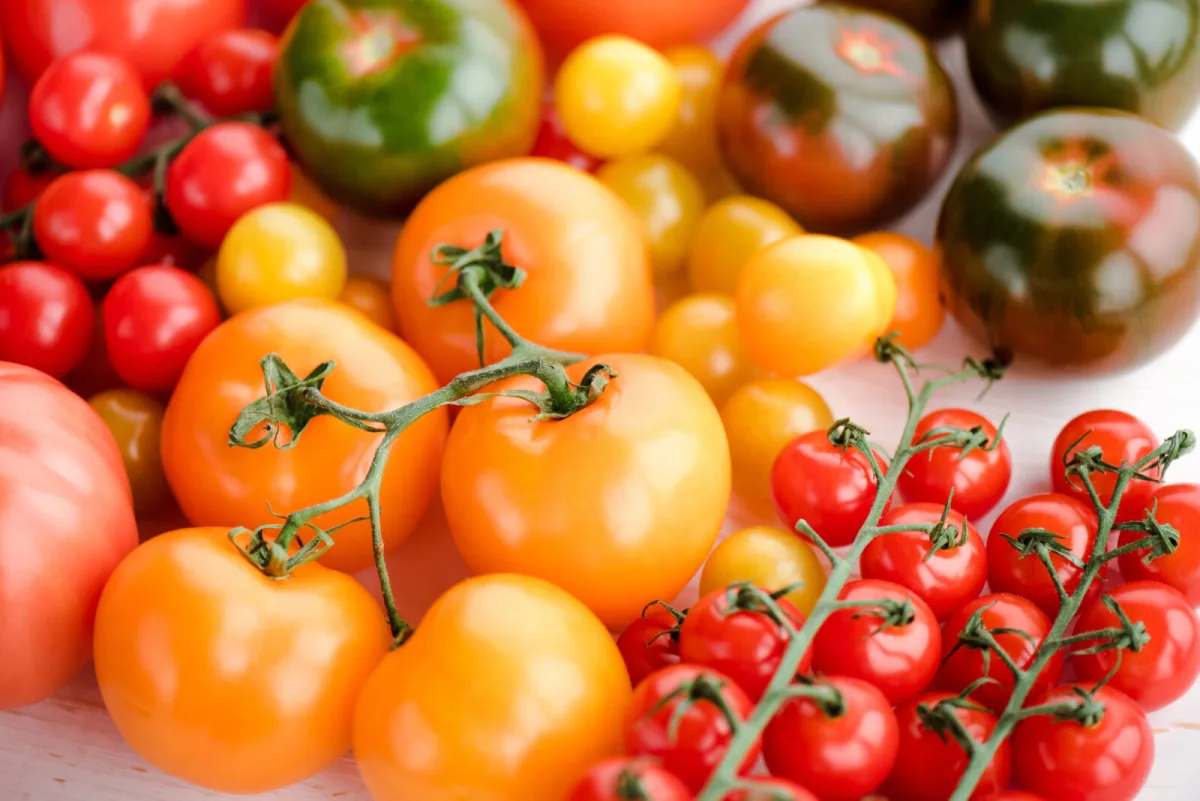
The edible tomato, or tomato plant (Solanum lycopersicum), is a herbaceous member of the nightshade family. In warm regions it can behave like a short-lived perennial, but in Czech conditions we almost always grow it as an annual. It comes from Central and South America, and its fruit is a fleshy berry known as the tomato, formerly also called the “paradise apple”.
It’s exactly this combination of botanical fruit definition and culinary use that lies behind the perennial question that keeps resurfacing in debates and headlines: is a tomato a fruit or a vegetable? The answer depends on whether you’re speaking as a botanist, a cook, or a lawmaker.
Botany is clear: a tomato is a fruit, so “fruit”
From a botanical point of view, a tomato is a fruit formed from a flower, specifically a berry. In that sense it counts as fruit, because in botany “fruit” essentially means the seed-bearing structure. Botanically speaking, cucumber, peppers and squash are “fruits” too, even though we place them elsewhere in the kitchen.
The confusion is further fuelled by languages that use one word for both fruit and the botanical fruiting body (for example the English “fruit”). Then it’s easy for a botanical statement to be translated into everyday speech too literally, creating the sense that someone is trying to deny culinary reality.
The kitchen has its own rules: tomatoes behave like a vegetable
In gastronomy, foods are often grouped by flavour and how they’re used. Tomatoes typically show up in savoury dishes, sauces, soups, salads or on pizza, which is why we generally think of them as vegetables. In Czech usage they’re most often classed as so-called fruiting vegetables, meaning vegetables where the edible part is the fruit.
“Knowledge teaches us that a tomato is a fruit. We show wisdom when we never put it in a fruit salad.”
This quip captures the heart of the dispute: botanical truth and kitchen practice can coexist without contradicting each other.
When courts and regulations decide, there can be two truths
One of the most famous moments in the tomato’s “identity” is a U.S. case from 1893, which asked whether a tomato was a fruit or a vegetable for customs duties. The U.S. Supreme Court decided that for trade and taxation purposes, tomatoes should be treated as vegetables, because they’re usually served as part of the main meal rather than as a dessert.
European law, in some definitions, leans the other way: an EU directive dealing with fruit jams and similar products included tomatoes as “fruit” in the legal sense. That doesn’t mean botany or cooking suddenly changed, it simply shows that categories can be created for practical reasons.
From “poison apple” to a favourite of gardens and kitchens
Tomatoes arrived in Europe after the discovery of the Americas and were viewed with suspicion for a long time. Some of the fear came from the fact that the plant belongs to the nightshade family and its leaves and stems contain toxic compounds. Unripe green fruits can also cause discomfort if eaten in larger quantities, while ripe tomatoes are safe and nutritious.
A curious chapter is the historical “tomato poisonings” that may actually have been linked to cookware of the time. Tomato acidity could leach lead from certain metal plates and cutlery, affecting mainly wealthier households. Poorer people, who ate from wooden ware, didn’t have the same issues and gradually helped rehabilitate the tomato.
What ripe tomatoes contain and why it’s worth eating them
Ripe fruits are rich in vitamin C and beta-carotene, and they also contain B vitamins and lycopene, a pigment associated with antioxidant effects. Tomatoes are also a good source of potassium and, to a lesser extent, chromium. Nutritionally they feel “light”: more than 90% is water, they contain very little fat, and they provide fibre, which makes them suitable for weight-loss diets as well.
It’s also worth noting that breeding modern varieties has often focused on yield, appearance and transport toughness, which has sometimes led to a loss of characteristic flavour. That’s one reason so many people return to home growing and seek out varieties that may not look “perfect” but excel in aroma and a balanced sweet-tart profile.
How many tomatoes are grown and why China leads
Tomatoes are among the world’s most widely grown crops and production has been rising for a long time. The biggest producers include China, India, Turkey and the USA, with China accounting for a significant share of the global harvest. Thanks to greenhouses and hydroponics, tomatoes can also be grown locally out of season, with an emphasis on water efficiency, precisely managed nutrition and consistent quality.
In the Czech Republic, tomatoes are a staple in gardens and on balconies. You can choose from cordon (indeterminate), bush (determinate) and patio types, and an enormous range of shapes and colours: from tiny currant-sized beads through cherry types to large, meaty beefsteak tomatoes, not only classic red but also yellow, orange, purple or almost black.
So is a tomato a fruit or a vegetable
Botanically, a tomato is unequivocally a fruit (a berry), and therefore a fruit in the scientific sense. In the kitchen, however, it’s used as a vegetable, so in everyday life we consider it a vegetable, more precisely a fruiting vegetable. And the law will sometimes, as needed, rely on its own definition.
Perhaps the best way to settle the dispute is practically: wherever you place the tomato, it’s one of the most versatile and beloved “fruits” in the world. And that’s a category botanist, cook and gardener can all agree on.
Source: Wikipedia, Gardenary, Culina Botanica , Pestrazahrada.cz
Related articles
You Can Remove a Hornet Nest Without a Permit If You Meet Legal Conditions
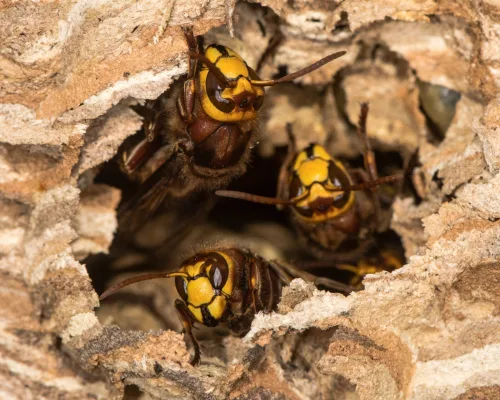
Home and garden owners often worry whether removing a hornet nest could put them on the wrong side of the law. In the Czech Republic, the European hornet is generally protected, but it is not a specially protected species, so removal is usually possible when there is a genuine safety risk.
Grandma’s Favourite Flower Is Back and It’s Surprisingly Easy to Grow
Phlox is a classic cottage-garden perennial that brings rich colour, fragrance, and pollinators into the border with minimal fuss. Choose the right spot for the species, keep moisture even, and you’ll be rewarded with weeks of bloom.
A Simple Plant Propagation Trick That Will Fill Your Garden With Cuttings
Propagating plants can be surprisingly easy when you keep cuttings consistently moist without letting them dry out. This simple plastic-bag method creates a humid microclimate that encourages fast rooting using everyday household items.
Comments (0)
Be the first to comment.