
 English
  Polski
  Deutsch
  Nederlands
  Svenska
  Norsk
Norsk  Dansk
Dansk  Français
  Italiano
  Español
  Português
  Slovenčina
  Suomi
Suomi  Gaeilge
 September Tomato Care Can Extend Harvest Into Late Autumn
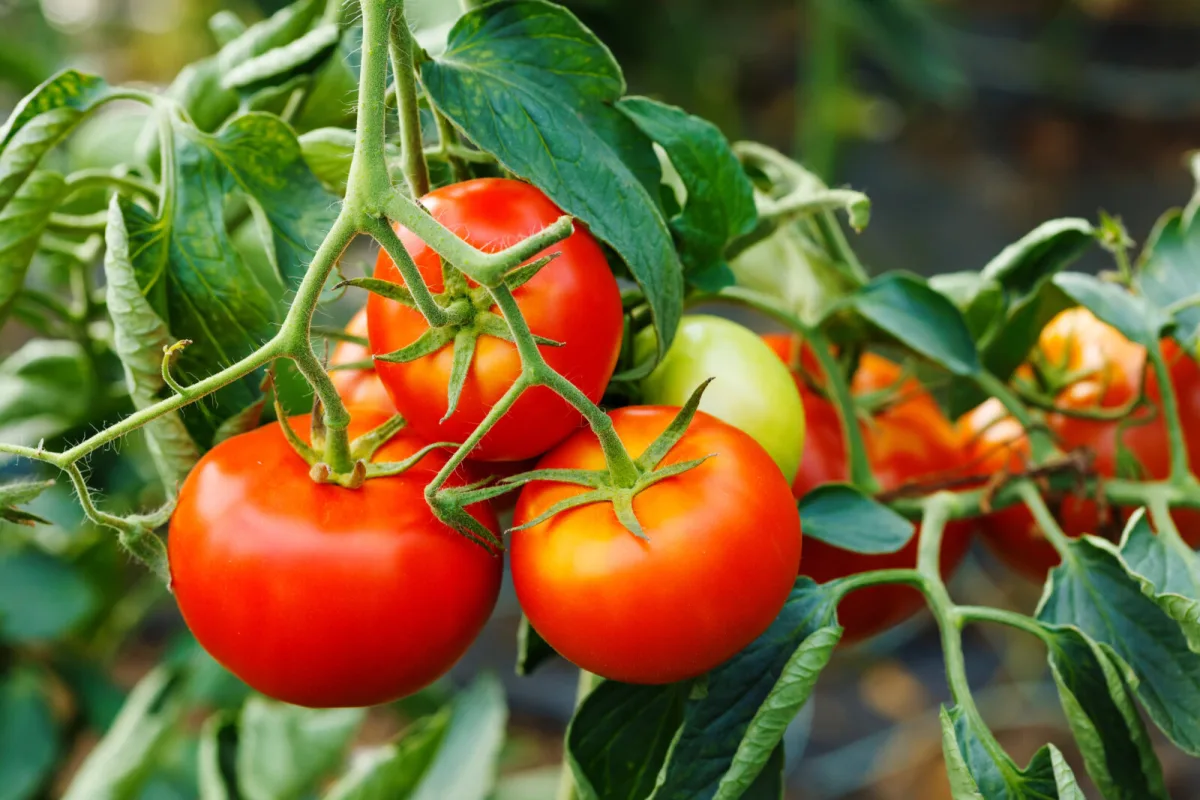
Many people feel that once September arrives, the pace of garden work slows and the harvest is more or less decided. With tomatoes, that’s not the case. Even though the days are shortening and temperatures gradually drop, you can still make a real difference with a few simple steps—how much fruit will finish ripening and how long you’ll keep picking. The goal of September care is to keep plants healthy, focus their energy on fruit already set, and protect them from the first chilly nights.
Lighten the plants and let the sun reach the fruit
By this time of year, the roots and the whole plant are often partly worn out. That’s why it pays to give your tomatoes a bit of relief. One of the easiest moves is to remove leaves that unnecessarily shade unripe fruit. When light reaches the tomatoes directly, ripening speeds up—even when the sun isn’t as strong as it was in summer.
At the same time, you reduce the plant’s overall workload. Less leaf mass means lower demand for nutrients and water, so the plant can put more energy into what matters most: ripening the crop you already have on the vine.
In September, new flowers mostly just drain the plant
If new flowers are still appearing on your tomatoes, it sounds promising—but the reality is usually different. Fruit from these late blooms typically won’t have time to ripen, because cooler nights and shorter days slow development. In practice, they just exhaust the plant.
That’s why it’s worth pinching out or removing those flowers. The plant won’t waste energy on growth that is very unlikely to produce a harvest, and it will better support the tomatoes that are already forming and starting to colour up.
Make the final feed potassium-focused
If you want to encourage ripening even more, choose a last feed with a higher proportion of potassium. Potassium supports colour development and overall fruit ripening. Unlike nitrogen, it won’t push lush leafy growth or more flowering—both of which are more of a drawback at the end of the season.
Always adjust the dose to the product you’re using and the condition of your plants. In September, the aim isn’t to drive tomatoes into fresh growth, but to gently steer them toward finishing what they’ve already set.
Protect plants from cold nights
September weather can surprise you. Even if days are pleasant, nights can bring sharp temperature drops that slow ripening or damage plants. A simple solution is horticultural fleece, which you drape over the tomatoes in the evening and pull back in the morning so they still get plenty of light and airflow.
This light protection is often enough to keep plants in good condition and give the fruit time to finish ripening gradually. It’s especially helpful in areas where morning mists are common and the chill arrives earlier than elsewhere.
Healthy plants keep producing for longer
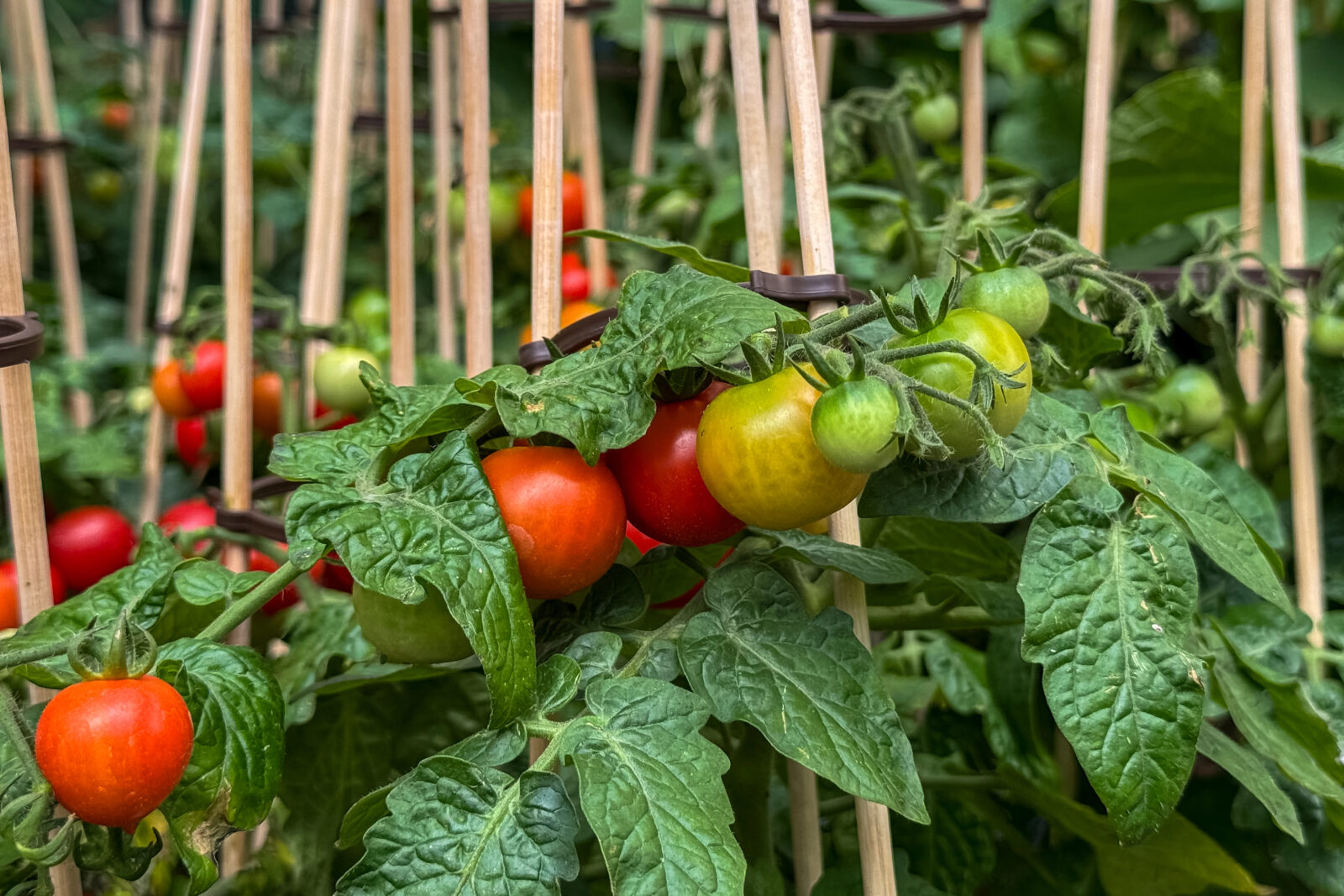
If your tomatoes are going to last a few more weeks, they need to be as stress-free as possible. In September, go back over each plant carefully and look for signs of disease or pests. It’s best to remove damaged or suspicious leaves so the problem doesn’t spread unnecessarily and airflow through the plant improves.
If you do need to treat, prioritise gentle, natural sprays. At this stage, fruit is often ripening for the table, so it makes sense to choose approaches that won’t unnecessarily contaminate your harvest.
A polytunnel trick when tomatoes won’t turn red
Sometimes tomatoes in a polytunnel ripen surprisingly slowly in September, even though they’re protected. One reason can be that the soil is still too rich from earlier heavy feeding. The plant then continues comfortable growth and has little reason to rush fruit to the finish.
In that situation, it helps to pick all fully ripe tomatoes to take the load off the plant, then water the soil thoroughly. This leaches some nutrients deeper down and changes the plant’s pace. After that, delay further watering and let the soil almost dry out. Tomatoes often return to a more natural rhythm and ripening improves.
If you remove unnecessary leaves and flowers in September, add potassium, and protect plants from the cold, the reward is often a harvest that can continue well into late autumn.
Source: Tomato Growing, Gardening Know How, Pestrazahrada.cz

A lover of nature, gardens, and everything that moves, blooms, or grows. He literally grows everything, from herbs to rare species, and he enjoys caring for animals just as much. In his work, he connects modern technology with tried-and-tested grandmotherly methods and is happy when both paths lead to the same goal.
Related articles
Autumn strawberry care takes an hour and you will be rewarded with plants laden with fruit with just three steps
After fruiting, strawberries benefit from a few timely autumn jobs that help them winter well and bounce back strongly in spring. A simple trim, the right feed, and a protective mulch can mean bigger, tastier berries next season.
Christmas cactus will bloom again even after years if you avoid one common mistake
A Christmas cactus can look perfectly healthy yet refuse to flower for years. With the right light, temperature, watering, and a gentle boost, it can set buds again and bloom reliably.
Take care with pruners on ornamental grasses Some are best cut back in autumn others in spring
Ornamental grasses bring movement and structure, but not all of them should be left standing until spring. For several warm-season and self-seeding types, an autumn cut-back keeps borders tidier and helps limit spread.
Comments (0)
Be the first to comment.