
 English
  Polski
  Deutsch
  Nederlands
  Svenska
  Norsk
Norsk  Dansk
Dansk  Français
  Italiano
  Español
  Português
  Slovenčina
  Suomi
Suomi  Gaeilge
 Nettles as a Secret Support for Strong, Healthy Tomatoes
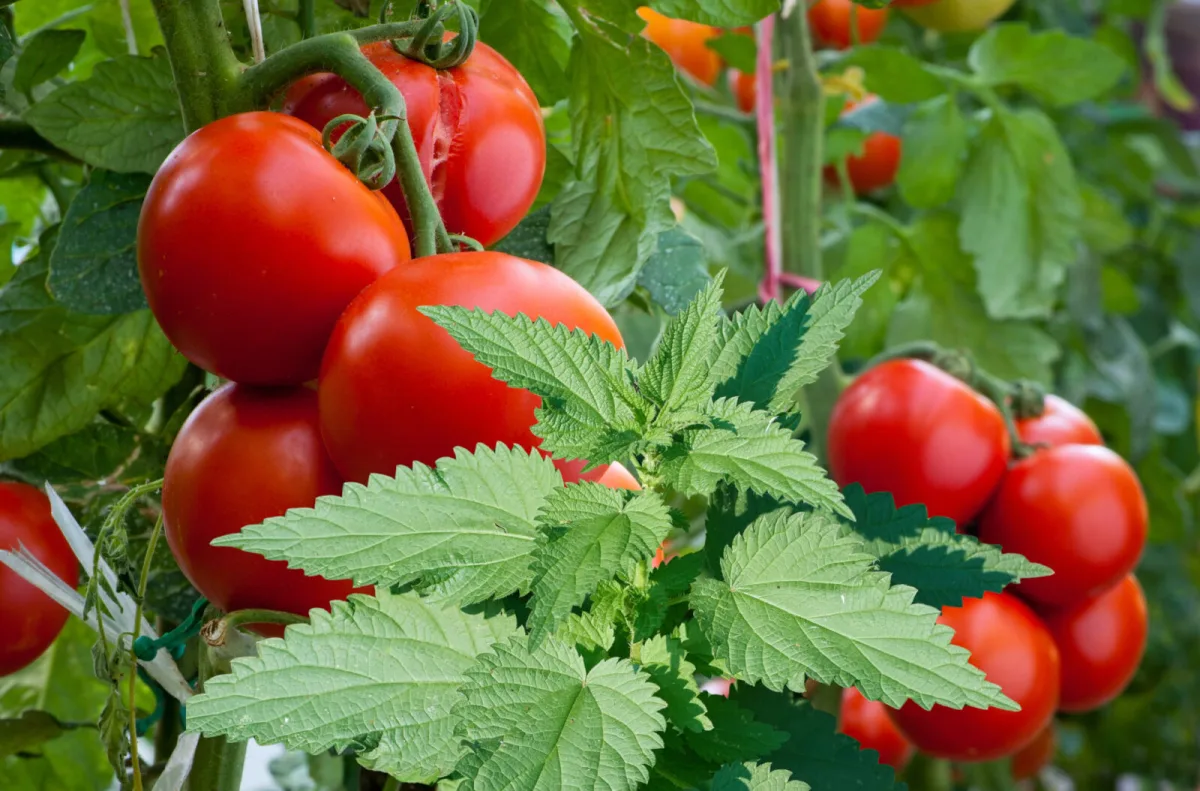
To most people, stinging nettles are nothing but an irritating weed that leaves your fingers smarting. Experienced gardeners, though, know that this plant can give tomatoes a real boost. There are two practical ways to use it. First, as a simple natural fertiliser that encourages growth and vigour, and second, as the base for a spray that helps with mildew prevention. The big advantage is that nettles are easy to find, cost nothing, and when used correctly they’re gentle on both soil life and plants.
Tomatoes are hungry plants and often struggle with weakness, slower growth, or disease pressure. Nettles can supply important substances that support tissue development and overall resilience. They contain minerals such as calcium, iron, silica and manganese, along with other compounds that help maintain a plant’s natural condition. Thanks to this, tomatoes can bulk out more evenly, develop sturdier stems, and cope better with weather swings and the strain that comes with setting fruit.
A simple planting trick: a handful of nettles for each plant
The quickest way to use nettles is right at planting time. When you set out a tomato, you can lay a small amount of fresh nettle on the soil surface around the stem, typically a single handful. It’s an easy step and especially helpful when you want to support the plant during the first weeks after transplanting, as it adjusts to new conditions.
The nettles gradually break down and release nutrients into the root zone. The plant gets a steady, natural supply of growth- and strength-supporting elements. The result is usually tougher transplants, a faster start, and a healthier look overall. The key is not to overdo it and to avoid packing a thick layer right up against the stem, as that can keep the crown too damp for too long.
Nettle brew: a homemade fertiliser rich in nitrogen
Nettles do an even bigger job in the form of a brew, a fermented liquid feed. It’s well known for its high nitrogen content, which promotes leafy growth and overall plant development. In practice, this means tomatoes, peppers and cucumbers can build strength and create a good leaf canopy, which is the foundation for later flowering and fruiting.
The best time to make it is usually May, when it’s warmer and most young plants are outdoors. Fermentation runs better in warm conditions, and you can then use the feed regularly through the season. Alongside nettles, chopped grass clippings and ordinary garden weeds work well in the mix too, turning green waste into something useful at no cost.
How to make the brew and why sugar is added
Take a barrel or large container and fill it to roughly two thirds with freshly cut grass, weeds and nettles. Then add sugar, which is helpful in this process because it kick-starts fermentation and microbial activity. Next, top up with water so the contents are submerged, and leave the mixture to work for about two weeks.
After that, the brew is ready to use, but it needs diluting. A tried-and-tested ratio is one part brew to nine parts water, for example 1 litre of concentrate to 9 litres of water. This gives you a nutritious solution that plants tolerate well and that you can apply at the roots.
How often to feed and which crops it works for
It’s best to repeat feeding about every three weeks. With tomatoes it helps strengthen growth and resilience; with cucumbers and peppers it can improve vigour and recovery after stress. Do keep an eye on plant growth, because too much nitrogen can push lots of leaf at the expense of flowers. If your tomatoes are getting overly leafy, reduce the dose or extend the interval.
Nettle spray as a preventative against mildews
Nettles can also be used as a straightforward spray, mainly as a preventative measure. The aim isn’t to miraculously cure badly infected plants, but to support their resistance and reduce the chance of mildew taking hold in the crop. The benefit is that it’s quick to make and the ingredients are available almost everywhere.
A quick recipe for nettle spray
Prepare about 1 kg of fresh nettles and 3 litres of water. Chop or grind the nettles, pour over warm water, and leave to steep for around 24 hours. Then strain the mixture, add a small amount of liquid soap to help the solution stick to the leaves, and pour it into a sprayer.
This nettle solution works best as prevention: it’s simple, safe, inexpensive, and easy to repeat through the season.
Spray the leaves evenly, ideally in dry weather and out of harsh sun, so the solution stays on the plant and the foliage isn’t stressed unnecessarily. Regular prevention, together with good airflow around tomatoes and sensible watering at the roots, is a combination that often decides whether the season passes without major trouble.
Source: That’s an idea, Gardening Know How, RHS, Pestrazahrada.cz

A lover of nature, gardens, and everything that moves, blooms, or grows. He literally grows everything, from herbs to rare species, and he enjoys caring for animals just as much. In his work, he connects modern technology with tried-and-tested grandmotherly methods and is happy when both paths lead to the same goal.
Related articles
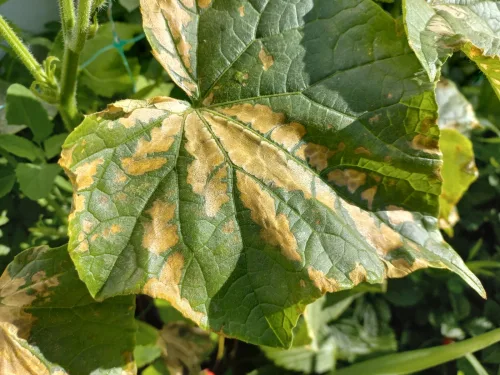
Yellowing cucumber leaves have a clear cause and with the right response plants recover quickly
Cucumber leaves turn pale and yellow when the plant is under stress—most often from watering mistakes, nutrient imbalance, or sudden temperature swings. Spot the pattern early and you can restore growth and protect your harvest fast.
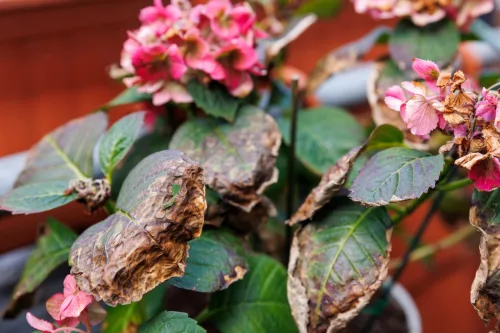
How to Get Browning Hydrangeas Back on Track Without Chemicals
Brown leaf edges or spots on hydrangeas usually point to a simple mismatch in light, watering, or airflow rather than a lost cause. Learn how to read the symptoms and restore your shrub quickly with gentle, practical fixes.
Turn Ground Cinnamon Into a Secret Weapon for Stronger, Tougher Plants
Ground cinnamon isn’t just for baking—it can help protect houseplants and garden plants from mould and fungal issues, support cuttings, and even act as quick first aid for minor wounds. Used lightly, it’s an affordable, gentle, natural add-on to good growing practice.
Comments (0)
Be the first to comment.