
 English
  Polski
  Deutsch
  Nederlands
  Svenska
  Norsk
Norsk  Dansk
Dansk  Français
  Italiano
  Español
  Português
  Slovenčina
  Suomi
Suomi  Gaeilge
 In-Season Tomato Care for Sweet, Juicy, Disease-Free Fruit
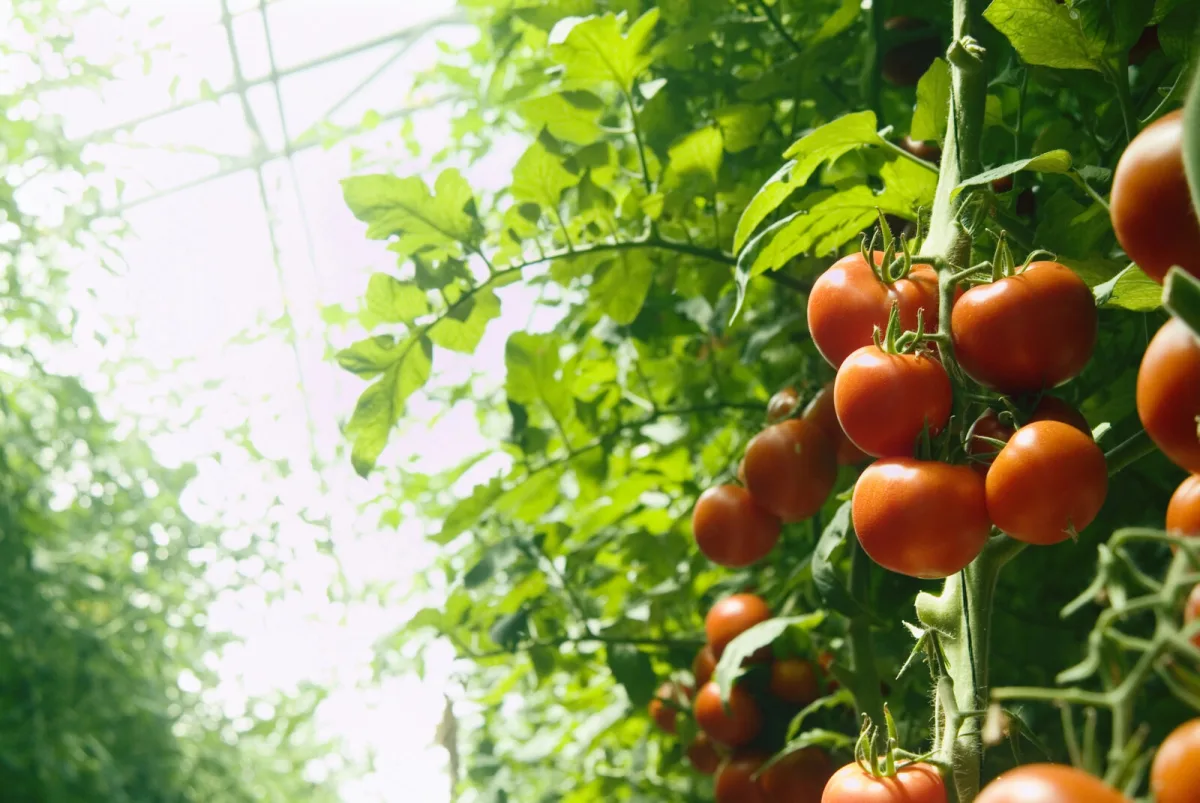
Tomatoes are among the most popular fruiting vegetables, because with the right care they can crop for a long time and heavily. During the season, though, it also becomes very clear how well you’ve mastered watering, feeding, ventilation and training. Tomatoes love warmth and are sensitive to stress from cold and from irregular moisture. Give them stable conditions and they’ll reward you with fruits that are sweet, fragrant and firm. When conditions swing, you’ll often see splitting, blossom-end rot, or an overall loss of plant vigour.
Types of tomatoes and what that means for summer care
In season, it’s crucial to know whether you’re growing cordon (indeterminate) or bush (determinate) tomatoes. Cordon tomatoes keep growing upward, need support, and require regular pinching out of side shoots. Bush types are more compact, usually need far less training, and put more energy into setting fruit quickly. The approach to watering and feeding is similar, but with cordons you also manage tying-in, keeping the plant airy, and gradually removing excess leafy growth.
Watering in summer as the most important habit
During the season, tomatoes need regular, even watering so the compost or soil never dries out completely and then gets flooded. The most damage comes from a cycle of drought followed by heavy watering: fruits often split, and the plant struggles to take up calcium, which leads to darkening and sinking at the blossom end. In containers, water is lost quickly, so in hot weather it’s normal to water daily, sometimes twice a day, but always more thoroughly at the roots rather than “little and often” on the surface.
Practical tip: If you’re growing in the ground, you can sink a small plant pot beside the plant and water into it. The water goes straight down to the roots and doesn’t keep the base of the stem constantly wet, which can lead to rot.
Water ideally in the morning, so plants can get going for the day and leaves aren’t left unnecessarily damp overnight. With tomatoes, aim water at the roots and keep leaf wetting to a minimum, especially outdoors during periods when fungal diseases are a risk.
Feeding and nutrition for heavy fruit set
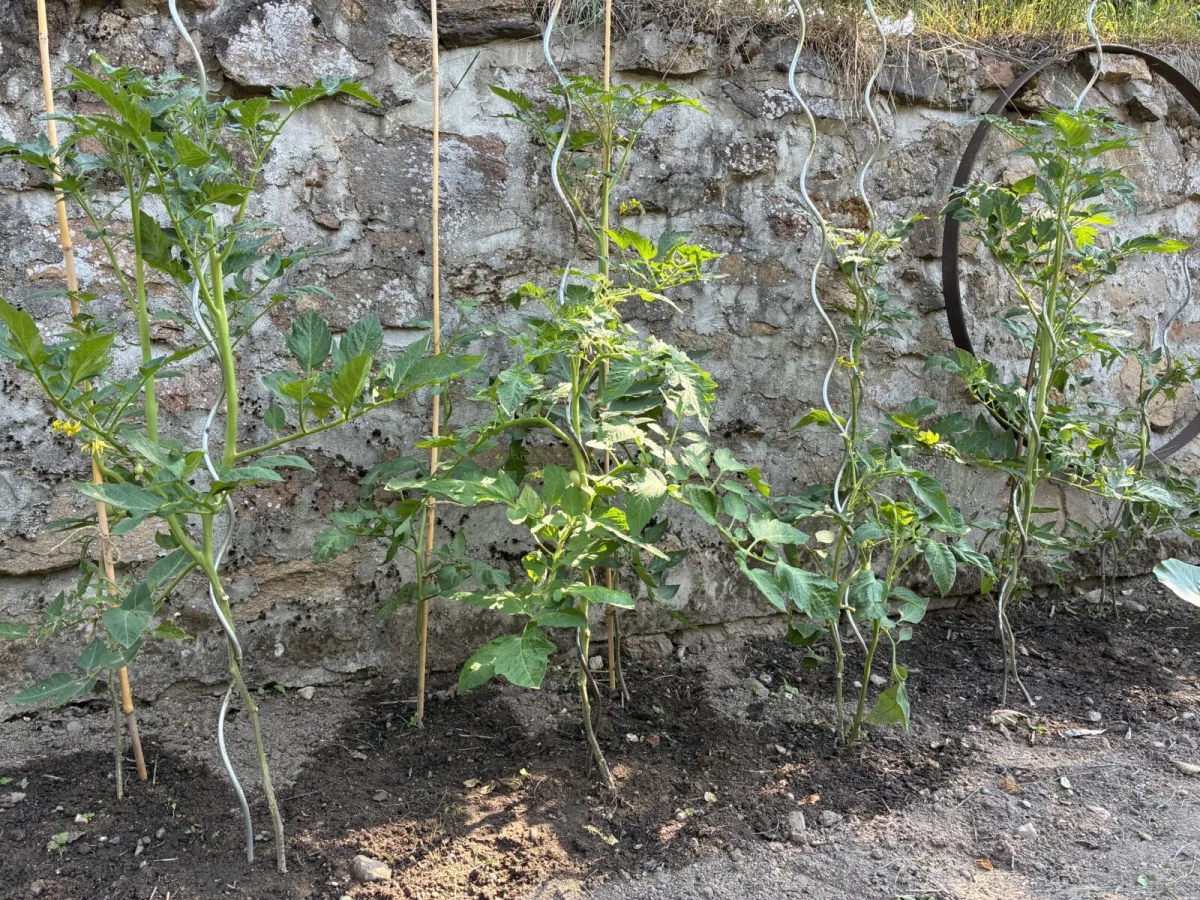
As soon as the first fruits set and start to swell, it’s time to switch to a feed that supports flowering and fruiting. In practice, that means a fertiliser with a higher proportion of potassium. With container tomatoes, nutrients leach out faster, so it makes sense to feed regularly at shorter intervals, typically every 10 to 14 days. In a well-prepared, fertile bed the need may be lower, but even there, sensible feeding often boosts yield and improves flavour.
Make sure the plant isn’t suffering from a long-term excess of nitrogen. Nitrogen certainly produces beautiful foliage, but it delays ripening and encourages lush, dense growth that ventilates poorly and is more prone to disease. During the season, watch for the signs: very dark, thick leaves and few flowers are often a warning that the plant is “all leaf and no fruit”.
Mulching and maintaining stable moisture
In beds, a layer of mulch helps because it reduces evaporation, smooths out temperature swings, and suppresses weeds. You can use compost or well-rotted manure, but leave a small gap around the stem so the base of the plant isn’t constantly damp. Mulch is especially useful during heatwaves, when bare soil dries quickly and plants are more likely to swing between wet and dry.
Ventilation and pollination in the greenhouse
A greenhouse often brings an earlier, heavier crop, but in season it demands diligent ventilation. Excess heat and stagnant air reduce pollen quality, flowers may drop, and disease risk rises. Open vents and doors so insects can get in to help with pollination. When it’s still and the flowers are open, you can gently shake the plants or lightly tap the trusses to release pollen and improve fruit set.
Pinching out, tying-in, and keeping plants airy
With cordon tomatoes, regularly remove side shoots that form in the leaf axils throughout the season. It’s a simple task that greatly improves plant structure, airflow, and directs energy into fruit. Combine this check with watering, because you’ll be looking over the plant anyway. Keep tying the main stem to its support as it grows, so it doesn’t snap under the weight of fruit and so trusses aren’t lost in a dense tangle of leaves.
Bush tomatoes are usually not pinched out so strictly, but when they’re loaded with fruit they may need simple support. If shoots snap or sprawl on the ground, the risk of rot and fruit damage increases, especially after rain.
Pinching out the growing tip and finishing the crop towards late summer
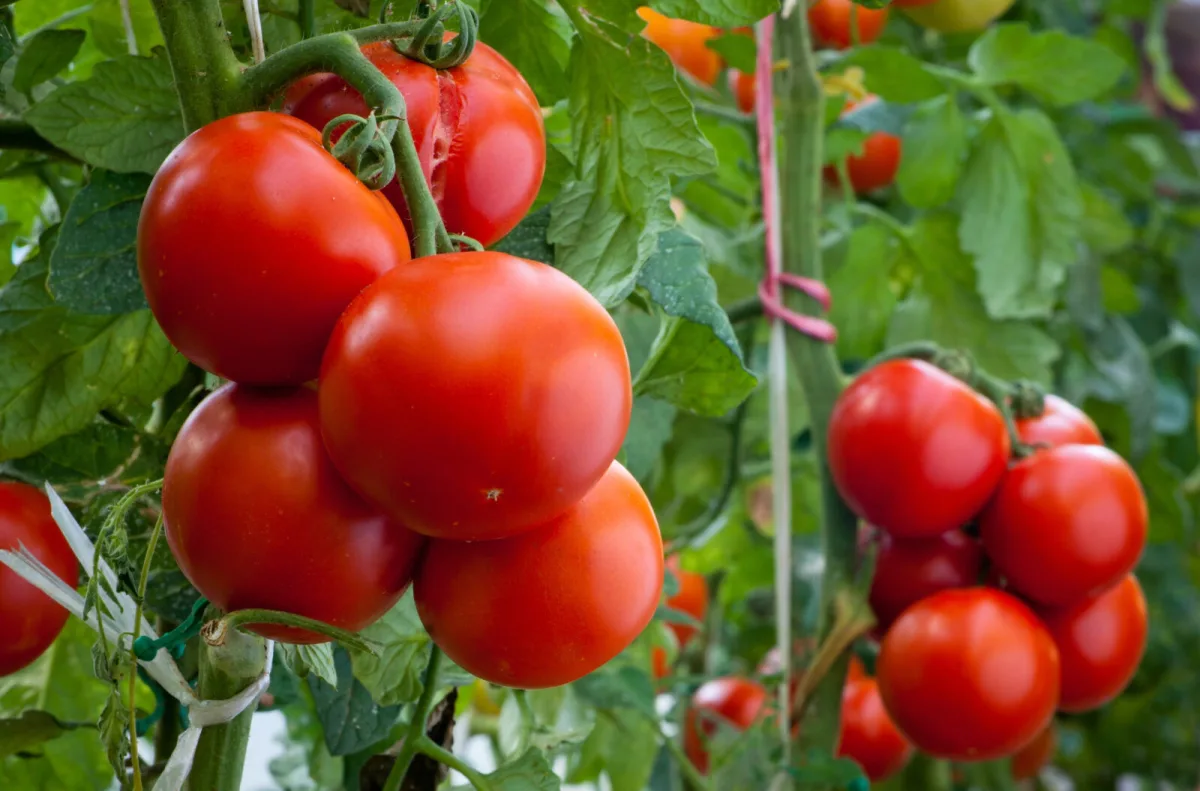
Towards the end of the season, it’s worthwhile stopping further growth on cordon tomatoes and focusing the plant on ripening. Once you’ve set enough trusses and you know any new flowers won’t have time to produce good fruit, remove the growing tip above the last truss, leaving a few leaves above it to feed the plant. This step speeds ripening and makes ongoing care easier too.
Harvesting, ripening, and handling the fruit
During the season, harvest regularly, ideally every few days. Don’t leave ripe fruits on the plant for too long, because it unnecessarily slows further ripening and increases the risk of splitting or pest damage. Tomatoes are best when they ripen on the plant, but at the end of the season you can still rescue green fruits. Either let them ripen in warmth and darkness, or store them with a banana, which releases ethylene and speeds ripening.
The most common in-season problems and prevention without unnecessary chemicals
Most problems appear when conditions are unstable. Fruit splitting is usually linked to a sudden drench after dryness. Blossom-end rot is often the result of irregular moisture and poor calcium uptake, not necessarily a lack of calcium in the soil. In outdoor plantings, keep an eye on the weather and remember that tomatoes are related to potatoes, so they can suffer from similar diseases, especially in wet spells. Prevention comes from generous spacing for airflow, watering at the roots, sensible leaf removal on very dense plants, regular harvesting, and rotating where you grow them in future years.
What to take away: rhythm and stability
Season-long success comes down to a few repeating steps: water evenly, feed for fruit at the right time, keep plants tied-in and airy, ventilate the greenhouse, and harvest continuously. Once you establish a simple rhythm of checking your plants, tomatoes will reward you with a long picking season and a flavour that’s hard to match from the shop.
Source: Rhs, Gardener’s World , Pestrazahrada.cz
Related articles
The More Often You Harvest, the Longer Plants Keep Cropping
With fruiting vegetables, frequent picking keeps plants flowering and producing for longer. A few crops, such as aubergines, are tastiest when harvested slightly earlier rather than fully mature.
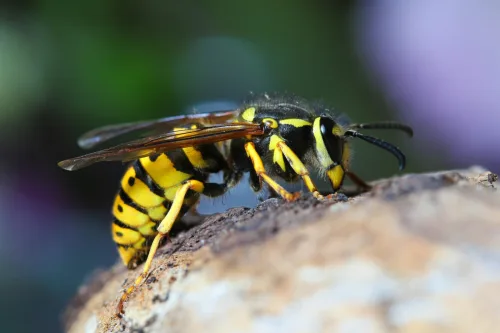
Wasps Aren’t Just a Barbecue Menace They Can Ruin Your Garden Woodwork Too
Weathering isn’t always the main culprit behind damaged outdoor timber. Wasps can scrape fibres from boards and beams surprisingly fast, leaving grooves that soak up water and accelerate decay.
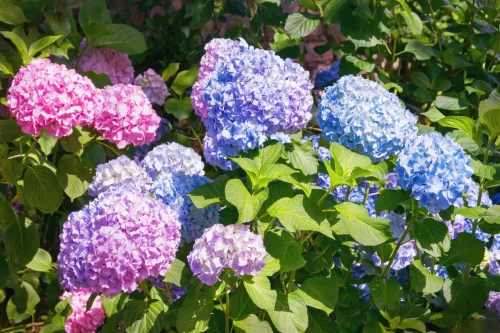
Why hydrangeas wilt in summer even when watered and how to save them fast
Hydrangeas can look limp in hot weather even if you’ve been watering faithfully. The key is to check what’s happening in the root zone, then adjust watering, shade and mulching so the plant can actually use the moisture available.
Comments (0)
Be the first to comment.