
 English
  Polski
  Deutsch
  Nederlands
  Svenska
  Norsk
Norsk  Dansk
Dansk  Français
  Italiano
  Español
  Português
  Slovenčina
  Suomi
Suomi  Gaeilge
 Grandma’s Tomato Trick to Extend the Harvest Into Autumn
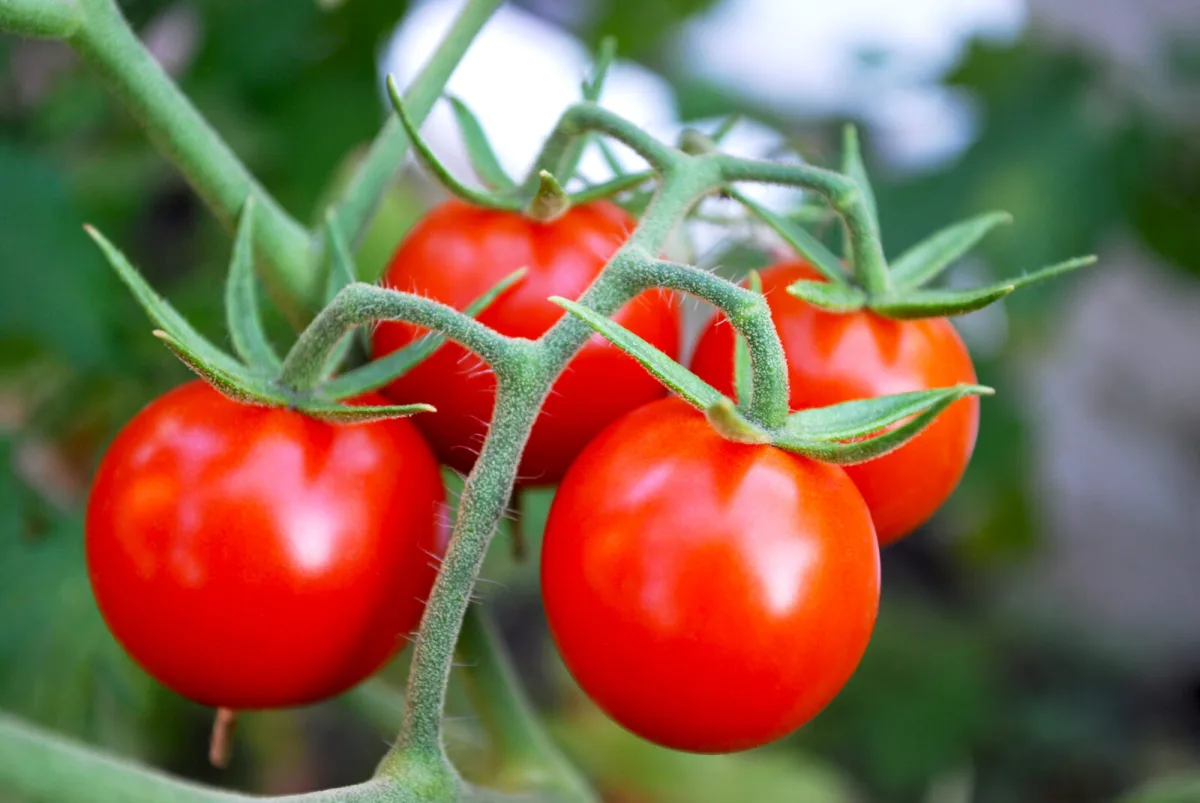
By mid-summer it often happens that tomatoes in beds and in the greenhouse start to look tired. There are fewer flowers, fruit set slows down, and the overall vigour of the plants drops. If you want to keep harvesting into autumn and enjoy fruit that’s full of flavour and juice, you can help the plants with a simple, time-tested method. One option is a targeted boron top-up using boric acid.
Why boron is so important for tomatoes
Boron is a micronutrient that plants need only in tiny amounts, but they can’t do without it. In tomatoes it has a key effect on flowering quality, proper pollination and fruit formation. When there’s too little, flowers may drop, fruit can set poorly, sometimes developing unevenly, and overall yield declines. That’s why it pays to give tomatoes two light applications as a foliar spray during the season.
Two boric acid applications during the season
Spray at flowering
The first treatment is best when the plant is in full bloom. Make a solution by dissolving 2 grams of boric acid in 5 litres of warm water at about 60 to 70 °C. Once it has cooled, use a fine mister and aim mainly at the flowers. Early morning or evening is best, when the plants aren’t heat-stressed. Try not to spread the solution unnecessarily over the leaves.
Spray when green fruit is forming
The second dose comes when the first small green fruits are already visible on the plants. The concentration and method stay the same: 2 grams per 5 litres. Treat the flowers again, and this time also the unripe fruit. The goal is to help the plant keep setting well and to encourage more even ripening.
Root feeding with a homemade fertiliser
Boric acid can also be used as part of a soil drench if you combine it with a homemade mix of whey and wood ash. This kind of solution supplies tomatoes with several nutrients at once, especially elements linked to growth and fruiting. Whey supports nutrition and the root-zone environment, ash can be a source of minerals, and together they can help keep plants in good condition.
A simple preparation method
Pour 1 litre of whey into a container and add 1 litre of wood ash. Leave the mixture to stand for about 12 hours, then top up with water to a total volume of 10 litres. Finally, add 2 grams of boric acid, which is best dissolved first in a small amount of hot water. Before using this feed, water your tomatoes well with plain water. Then apply about half a litre of the mixture to each plant and repeat once a week, no later than the start of ripening.
Availability and care when using it
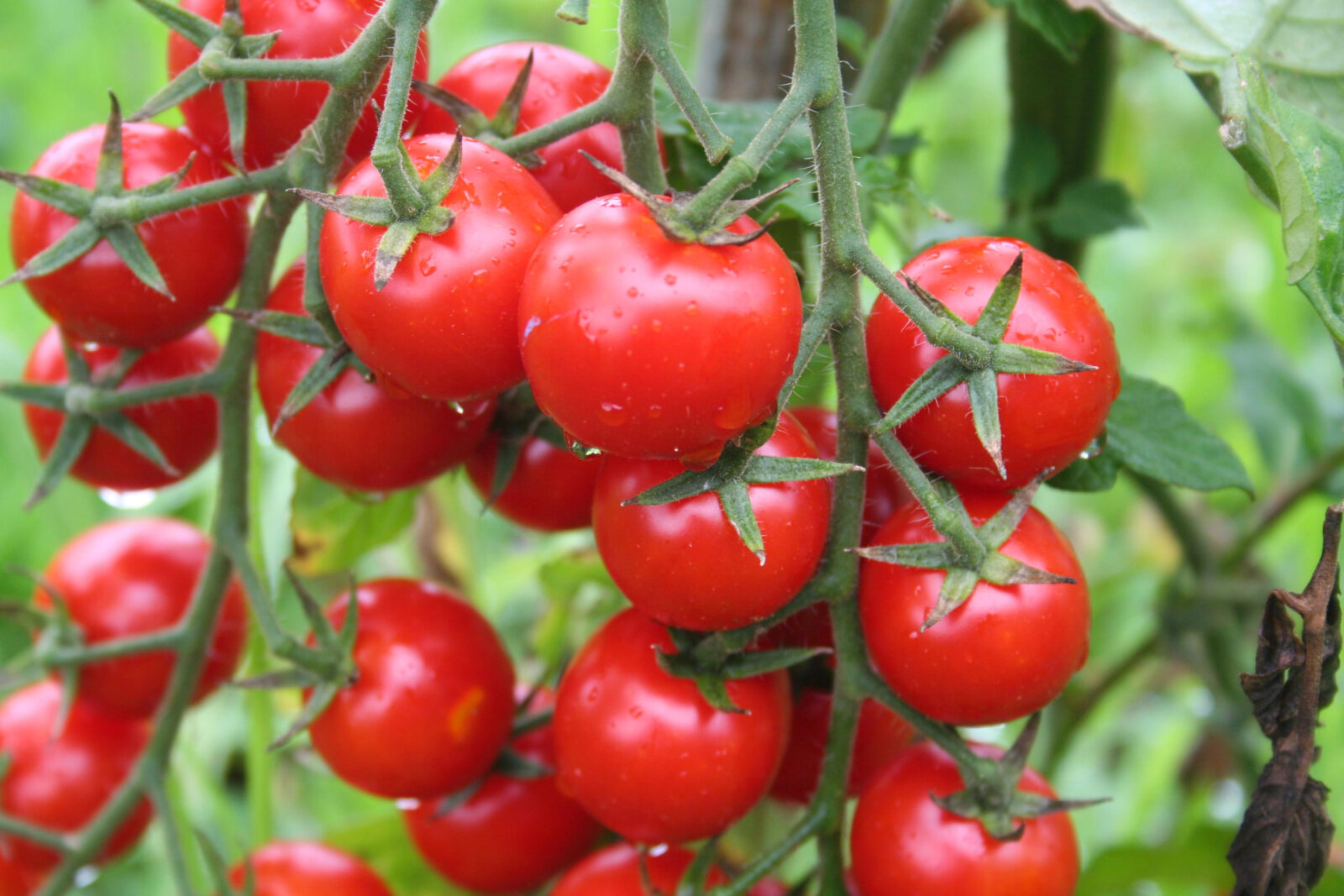
It’s worth bearing in mind that boric acid may not be easy to get. In some cases sales are restricted, so it can help to ask around among friends or use older supplies. At the same time, with micronutrients it’s important not to overdo the dose, because too much can harm the plants.
Hot-weather tip: a protective toothpaste spray
When tomatoes are suffering from strong sun and heat, you can also try a simple home remedy. Stir two tablespoons of toothpaste into a bucket of water and lightly mist the plants. A thin protective film forms on the surface, which may reduce heat stress and help retain the moisture the plants need.
How to keep your harvest going as long as possible
If you want tomatoes to crop for as long as possible and keep the harvest tasty, it pays to combine sensible feeding, gentle sprays and protection from extreme weather. Boric acid in small, targeted doses can support flowering and fruit set, and the homemade drench can help keep plants in good shape right through to the end of the season.
Source: Levity Crop Science, The Spruce, original text, Pestrazahrada.cz

A lover of nature, gardens, and everything that moves, blooms, or grows. He literally grows everything, from herbs to rare species, and he enjoys caring for animals just as much. In his work, he connects modern technology with tried-and-tested grandmotherly methods and is happy when both paths lead to the same goal.
Related articles
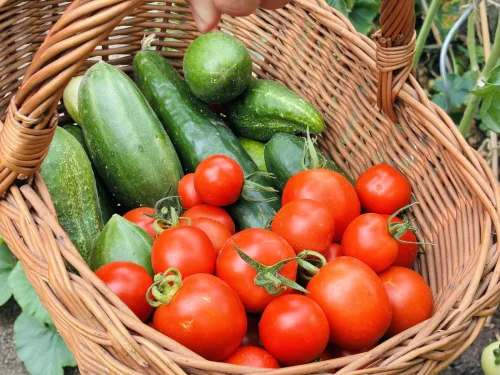
The More Often You Harvest, the Longer Plants Keep Cropping
With fruiting vegetables, frequent picking keeps plants flowering and producing for longer. A few crops, such as aubergines, are tastiest when harvested slightly earlier rather than fully mature.
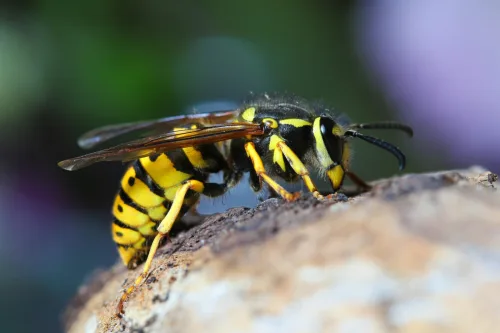
Wasps Aren’t Just a Barbecue Menace They Can Ruin Your Garden Woodwork Too
Weathering isn’t always the main culprit behind damaged outdoor timber. Wasps can scrape fibres from boards and beams surprisingly fast, leaving grooves that soak up water and accelerate decay.
Why hydrangeas wilt in summer even when watered and how to save them fast
Hydrangeas can look limp in hot weather even if you’ve been watering faithfully. The key is to check what’s happening in the root zone, then adjust watering, shade and mulching so the plant can actually use the moisture available.
Comments (0)
Be the first to comment.