
 English
  Polski
  Deutsch
  Nederlands
  Svenska
  Norsk
Norsk  Dansk
Dansk  Français
  Italiano
  Español
  Português
  Slovenčina
  Suomi
Suomi  Gaeilge
 Natural Fertilisers for Tomatoes That Speed Growth and Boost Yields
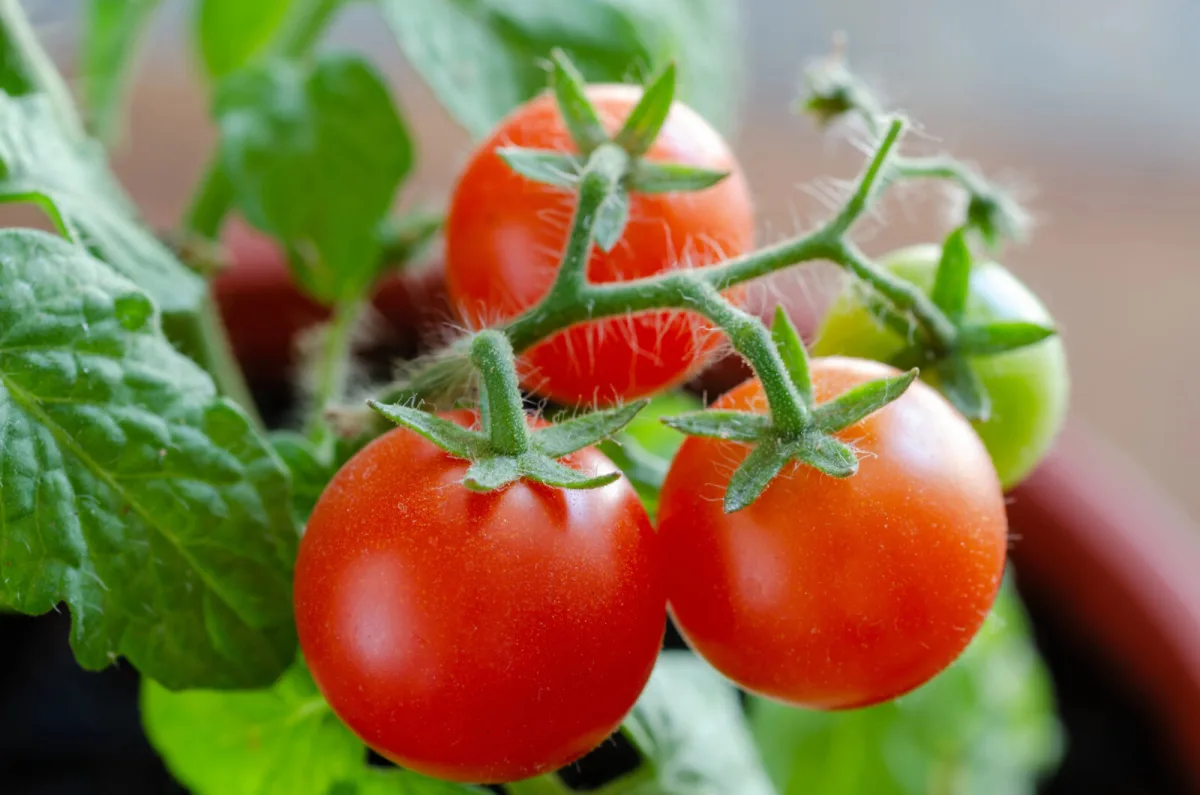
Anyone who grows tomatoes wants sturdy plants and a generous harvest of sweet, juicy fruit. Along with regular watering and plenty of light, nutrition makes a big difference. Well-chosen natural fertilisers supply the soil with nutrients, improve its structure, and support beneficial microorganisms around the roots. As a result, plants cope better with weather swings and disease pressure, and they can set fruit more consistently.
Home and garden fertilisers that work surprisingly well
Rice water as a gentle mineral feed
It’s worth saving the water from rinsing or cooking rice, as long as it’s unsalted. It contains minerals, including phosphorus, which supports roots, flowering, and fruit development. It also benefits soil life. Use it once it has cooled, roughly every 10 to 14 days.
Used tea bags for nitrogen and organic matter
Used tea can serve as a source of nitrogen for leaves and stems, while also adding organic material to the soil. Let the bags dry thoroughly so they don’t go mouldy, then work them into the soil surface or add them to the compost.
Bone meal for roots, flowers, and calcium
Bone meal is one of the most reliable natural options for tomatoes. It provides mainly phosphorus and calcium, with a smaller share of nitrogen. It supports strong rooting, abundant flowering, and better fruit set, and it also helps prevent problems caused by calcium deficiency. Ideally, incorporate it before planting, or lightly sprinkle it near the root zone during the season.
Coffee grounds to improve soil and support leafy growth
Cooled coffee grounds contain nitrogen, potassium, magnesium, and trace elements. In small amounts they improve the soil and encourage growth. Don’t overdo it, as a thick layer can limit airflow to the roots. A light dusting is best, or mix them into the compost.
Hair and pet fur as slow-release nitrogen
Clippings of hair or pet fur may sound unusual, but they contain keratin, which breaks down gradually. This releases nitrogen slowly over time. Snip the material into small pieces and mix it into the soil or compost.
Banana peel tea for potassium and better ripening
Banana peels provide potassium, phosphorus, calcium, and other minerals. To make a soak, cover 2 to 3 peels with about 2 litres of water and leave for 24 to 48 hours. Then use it as a watering feed. This is especially useful during flowering and when fruit is setting.
Fish emulsion as a fast-acting organic feed
Fish emulsion is an effective liquid organic fertiliser with a balanced supply of nitrogen, phosphorus, potassium, and other elements including magnesium, calcium, and sulphur. Plants take it up quickly, so it’s useful during periods of vigorous growth and while fruit is developing. Follow the manufacturer’s dilution rates and apply roughly every two weeks.
Compost as the foundation of fertile soil
Compost is a universal cornerstone of a healthy garden. It provides a broad range of nutrients, improves soil structure, and helps retain moisture. It supports root growth and the activity of beneficial microorganisms, which also shows up as better tolerance to dry conditions. It works best incorporated before planting, and then used as mulch during the season.
Use wood ash with caution
Ash from clean, untreated wood contains mainly potassium and phosphorus, so it can support flowering and fruit ripening. However, less is more: ash raises soil pH, and in larger amounts it can harm tomatoes. Apply only a thin layer occasionally, and lightly work it into the surface.
How to fertilise wisely without overdoing it
The best results usually come from combining several sources. Compost conditions the soil, bone meal supports roots and flowering, banana peel tea supplies potassium when fruit is forming, and fish emulsion helps quickly top up nutrients when growth is fastest. Rice water, tea, or coffee grounds can then serve as simple household boosters. Feed in moderation and watch the leaves, flowers, and fruit development, because too many nutrients can do as much harm as too few.
Source: Gardening Know How, To je nápad, Pestrazahrada.cz

A lover of nature, gardens, and everything that moves, blooms, or grows. He literally grows everything, from herbs to rare species, and he enjoys caring for animals just as much. In his work, he connects modern technology with tried-and-tested grandmotherly methods and is happy when both paths lead to the same goal.
Related articles
The More Often You Harvest, the Longer Plants Keep Cropping
With fruiting vegetables, frequent picking keeps plants flowering and producing for longer. A few crops, such as aubergines, are tastiest when harvested slightly earlier rather than fully mature.
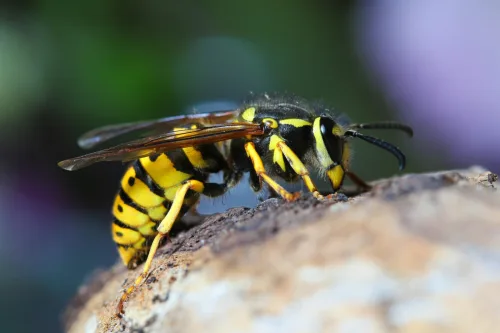
Wasps Aren’t Just a Barbecue Menace They Can Ruin Your Garden Woodwork Too
Weathering isn’t always the main culprit behind damaged outdoor timber. Wasps can scrape fibres from boards and beams surprisingly fast, leaving grooves that soak up water and accelerate decay.
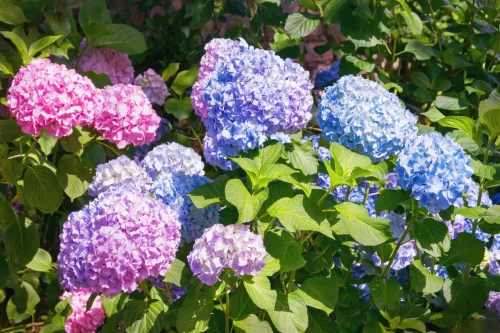
Why hydrangeas wilt in summer even when watered and how to save them fast
Hydrangeas can look limp in hot weather even if you’ve been watering faithfully. The key is to check what’s happening in the root zone, then adjust watering, shade and mulching so the plant can actually use the moisture available.
Comments (0)
Be the first to comment.