
 English
  Polski
  Deutsch
  Nederlands
  Svenska
  Norsk
Norsk  Dansk
Dansk  Français
  Italiano
  Español
  Português
  Slovenčina
  Suomi
Suomi  Gaeilge
 Simple Homemade Kitchen Fertilisers That Help Plants Grow Without Unnecessary Chemicals
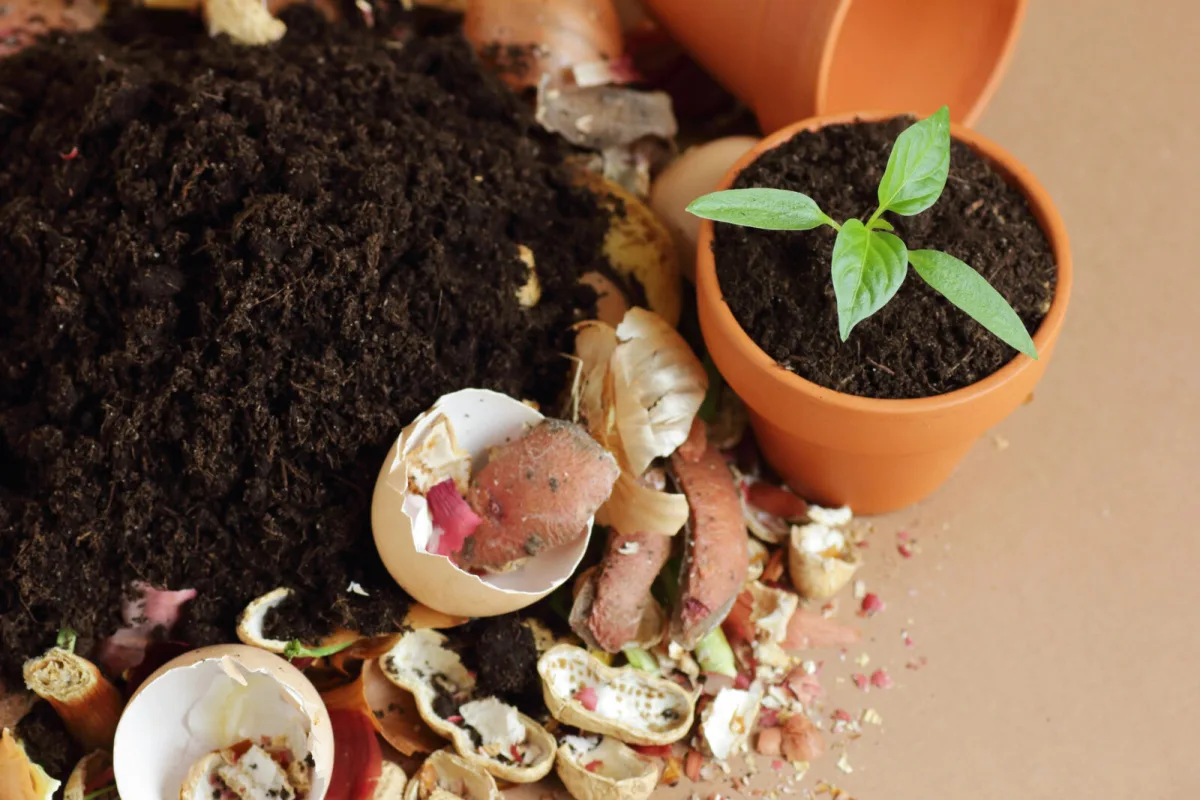
Houseplants and garden plants need light, water and good-quality soil to thrive. Soil is their main source of nutrients, much like food is essential for people. When potting mix is depleted over time or, on the other hand, over-fertilised, it shows up in the leaves, growth and flowering. A plant won’t tell you what it needs, so it helps to read the signs such as slowed growth, pale leaves, or weak flower and fruit set.
Homemade fertilisers from everyday ingredients can give the soil a smaller but regular boost of nutrients, and often improve its structure as well. The advantage is that they’re gentler than concentrated chemical products. Still, one simple rule applies: even with natural sources, less and regularly is better than a big one-off dose. In most cases, this kind of top-up is needed no more than once a month.
Eggshells as a calcium source for stronger plant tissue
Eggshells are mainly calcium, which helps plants build strong cell structure. In practice, this can support resilience and overall condition, especially for plants grown long-term in the same potting mix.
The method is simple. First, remove any egg residue from the shells, rinse them and let them dry. Then crush them as finely as possible, ideally into small pieces or even a powder. Scatter the crushed shells over the surface of the soil, or lightly work them into the top layer. Over time they will break down in the soil and release nutrients.
Grass clippings add essential macronutrients to the soil
After mowing, you’re left with material that can be used as a homemade fertiliser. Lawn clippings naturally contain important macronutrients, especially nitrogen, phosphorus and potassium—exactly what plants most often need for growth and vigour.
It’s best to roughly chop the clippings first and use them as a bottom layer in a bed or a larger container. Then cover them with more soil so they don’t go mouldy on the surface. Thanks to their high water content, they break down fairly easily and will enrich the mix over time. With houseplants, use smaller amounts to avoid rot.
Coffee grounds for plants that prefer a slightly more acidic soil
Coffee is often recommended for species that do well in mildly acidic soil. Coffee grounds can help maintain a more suitable pH while adding organic matter that benefits the soil. They can be used for many plants that generally appreciate acidity.
There are two ways to use them. Once dried, you can sprinkle the grounds evenly over the surface of the potting mix in a thin layer. The second option is to mix a small amount of grounds into water and use it occasionally as a drench. It’s always best to start with a smaller dose and watch how the plant responds, because too-frequent acidifying won’t suit every species.
Banana peels for potassium and phosphorus and improved fruit set
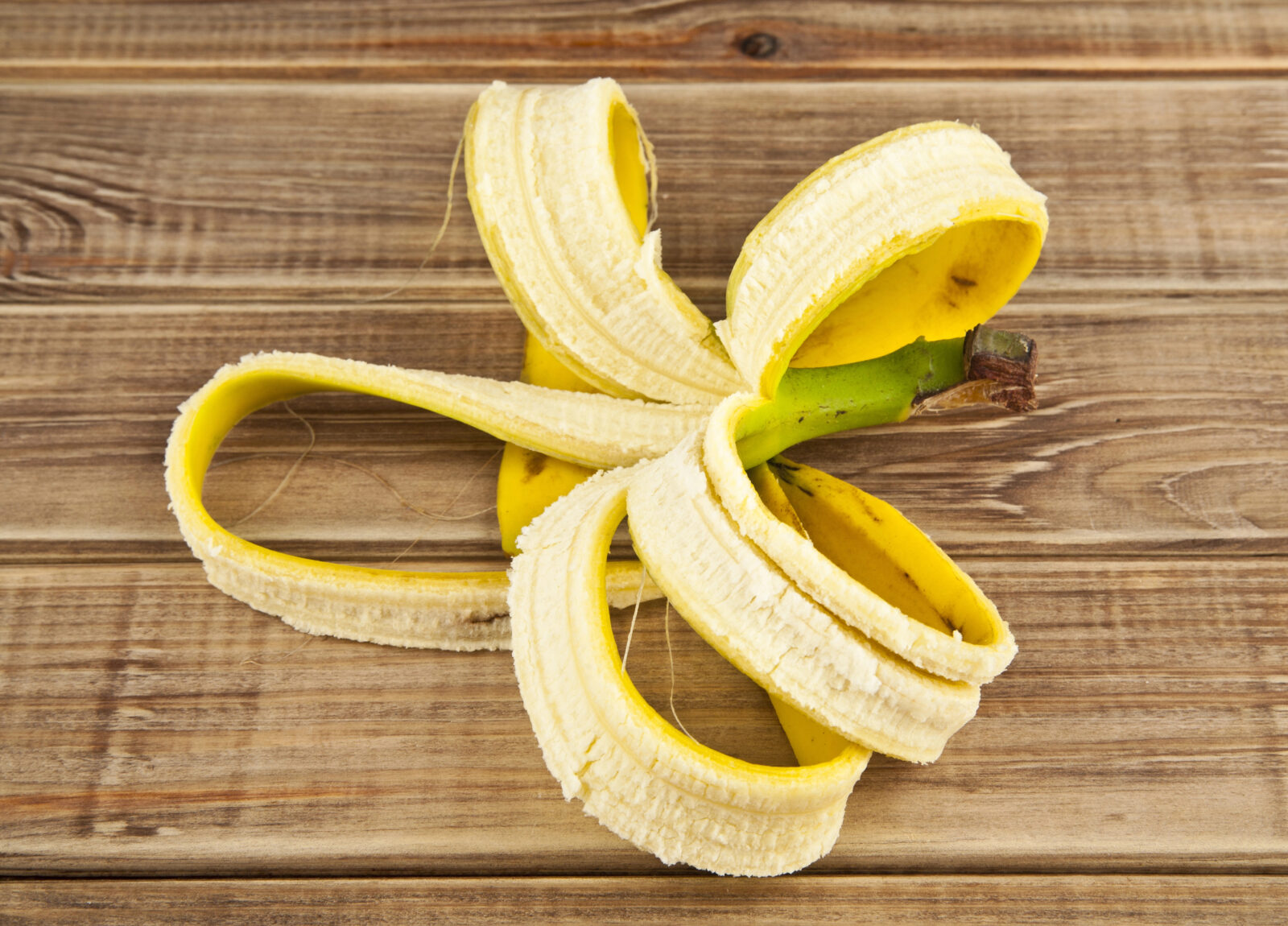
Banana peels are often treated as waste, yet they can be genuinely useful in the garden. They contain mainly potassium and phosphorus—elements associated with plant strength, flowering and fruit development. They may also support overall resilience to stress and certain issues.
You can chop the peels into smaller pieces and bury them deeper in the soil, where they will gradually break down. Alternatively, soak them in water for a few days—usually three to four—and then use the resulting infusion as a soil drench or a light watering over the surface. The key is not to leave peels sitting on the surface for long, as they can attract insects.
Vinegar can help adjust alkaline conditions and deter ants
Vinegar is used where you need to address alkaline conditions in containers, or when you want to limit ant activity around plants. It’s also said to help suppress unwanted plants nearby, so caution is needed.
Never pour undiluted vinegar into a pot. Always mix it with water, for example one cup of vinegar to about two gallons of water, and only then use it for watering.
Dilution is essential, because concentrated vinegar can damage roots. Treat this more as an occasional intervention rather than a regular feed for all plants.
Tea leaves and tea infusion to help maintain pH
Like coffee, tea can suit plants that prefer more acidic soil. Tea contains compounds that may help maintain pH and add an organic component to the soil. The advantage is that it’s an easy-to-find ingredient most people already have at home.
After drinking tea, let the leaves cool, then mix them into the soil. If you use a teabag, you can open it and tip the contents out—again, only once it has cooled. Another option is to steep fresh tea leaves in water and use the brew as a drench directly into the soil. It’s best not to add sweetened tea, and to avoid flavoured blends, which may do more harm than good in the soil.
How to use homemade fertilisers safely and sensibly
Natural feeding is gentle, but it still has rules. Prefer smaller amounts, rotate sources, and watch for mould on the surface or fungus gnats in the pot. With more sensitive plants, always try a weaker concentration first and space applications further apart. If you use homemade fertilisers no more than once a month and tailor them to the needs of each plant, you’ll have a simple way to support growth and vitality without unnecessary chemicals.
Source: FNP, Gardening Know How, Pestrazahrada.cz

A lover of nature, gardens, and everything that moves, blooms, or grows. He literally grows everything, from herbs to rare species, and he enjoys caring for animals just as much. In his work, he connects modern technology with tried-and-tested grandmotherly methods and is happy when both paths lead to the same goal.
Related articles
When Zucchini Can Be Toxic and How to Spot the Risk Early at Home and in the Garden
Zucchini isn’t inherently poisonous, but it can become unsafe when bitter cucurbitacins build up in the fruit. Learn what causes it, how to recognize the warning sign, and how to prevent it in the garden.
Beer as an Easy Trick for Glossier Leaves and Stronger Houseplants at Home
A small amount of diluted beer can help clean dusty leaves and add a gentle nutritional boost to houseplants. Used sparingly, it can improve shine and overall plant vitality without complicated products.
How to store garden vegetables properly so they last all winter
Cool temperatures and the right humidity make all the difference when storing home-grown vegetables. Learn how to handle, cure and store each crop so your harvest lasts for weeks or even months.
Comments (0)
Be the first to comment.