
 English
  Polski
  Deutsch
  Nederlands
  Svenska
  Norsk
Norsk  Dansk
Dansk  Français
  Italiano
  Español
  Português
  Slovenčina
  Suomi
Suomi  Gaeilge
 Most Common Tomato Feeding Mistakes and How to Fix Them for Higher Yields
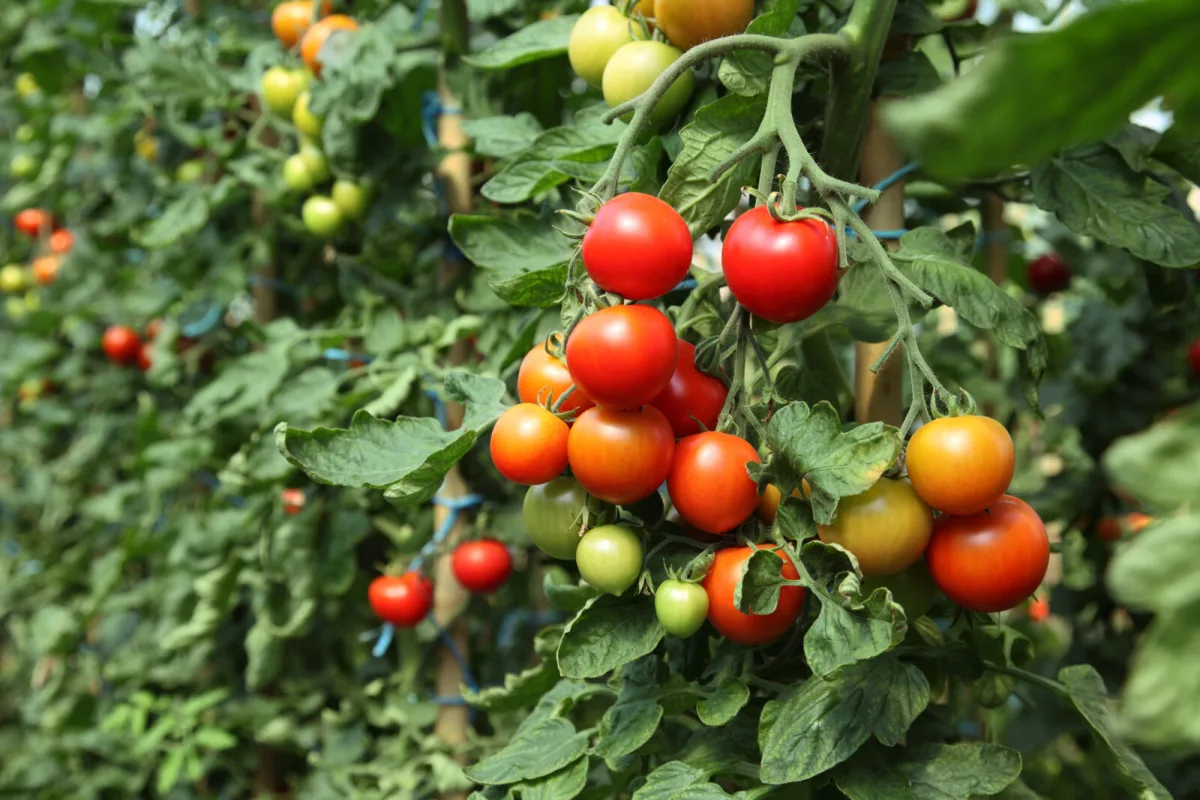
Tomatoes are among the so-called “heavy-feeding” crops. In a single season they must build a strong root system, a lot of leafy growth, then flowers, and finally fill and ripen fruit. All of that requires a steady supply of nutrients, especially nitrogen, phosphorus and potassium (NPK). When one of these components is lacking long-term, the plant slows down, sets less well, and the fruit tends to be smaller or less flavorful.
At the same time, overfertilizing is a common issue with tomatoes. Most typically, excess nitrogen pushes plants “into green mode”: they look spectacular, with huge leaves, but few flowers and fruits. The goal, then, isn’t to fertilize as much as possible, but to fertilize wisely and at the right time.
What tomatoes really need: NPK and trace elements
The foundation of feeding is three main nutrients, usually listed as three numbers on the fertilizer label. Nitrogen supports leaf growth and overall vigor. Phosphorus helps with root formation, rooting in after planting, and encourages flowering. Potassium is crucial for water regulation, nutrient transport, and fruit quality, including flavor and coloration.
Alongside NPK, tomatoes also rely on other substances. In practice, calcium is often the main one people deal with, because a deficiency is linked to blossom-end rot (blackening at the tip of the fruit). Magnesium shows up as yellowing between the leaf veins, especially on older leaves. Small but important amounts are also provided by trace elements such as boron, manganese, or zinc, which support enzyme processes and overall plant condition.
Start with the soil: nutrient testing and the right pH
The best fertilizer is the one that replaces what your soil is missing. That’s why it makes sense to do a simple soil test before the season, or at least a basic pH test. Tomatoes generally prefer a pH of about 5.5 to 7, where they can take up most nutrients efficiently. If the soil is too acidic or too alkaline, nutrients can be “locked up” in the soil and the plant won’t use them, even if they are physically present.
For long-term fertility, compost and well-rotted manure work beautifully. These organic materials improve soil structure and release nutrients gradually, which is ideal for tomatoes. It’s best to incorporate them ahead of time so the organic matter can begin breaking down and nutrients are more available during active growth.
How to choose the right fertilizer for tomatoes
In general, it’s proven best to choose either a balanced fertilizer or a blend with slightly lower nitrogen and a higher share of phosphorus and potassium—especially as flowering and fruiting approach. If your soil is already rich in nitrogen (for example after adding less mature organic matter or following a previous crop that leaves a lot of nitrogen behind), it’s better not to raise nitrogen further and to focus instead on supporting roots and fruit production.
It also matters whether you choose a mineral (synthetic) or organic fertilizer. Mineral fertilizers can work quickly, but it’s easy to overdo them and cause root “burn” or unbalanced growth. Organic fertilizers usually release nutrients more slowly, reducing the risk of shock and supporting soil life. Controlled-release fertilizers are also a practical option, providing a steadier nutrient supply without frequent feeding.
When to feed tomatoes during the season
The first key moment is preparing the bed before planting. This is when it pays to add organic matter and, if needed, a basic dose of fertilizer so plants have something to draw on once they root in. The second important moment is at planting, when you can use so-called “starter” feeding with a focus on phosphorus, because it supports root development and faster seedling establishment.
Further feeding makes sense when the first fruits begin to form. At that point tomatoes significantly increase their nutrient demand, and it often becomes clear whether your nutrition program is balanced. During the season, it’s best to watch the plants and, rather than blindly sticking to a rigid calendar, respond to the growth stage and the weather. After heavy rains, nutrients leach more quickly; in hot weather, plants need a steady watering routine so they can move calcium and other elements into the fruit.
How to fertilize correctly to avoid burning plants
When fertilizing into the planting hole, it’s essential that concentrated fertilizer does not touch the roots directly. A safe approach is to mix the fertilizer with soil at the bottom of the hole, then add a layer of plain soil, and only then set the seedling in place. This reduces the risk of damaging fine roots.
When feeding during the season, it’s a good idea to water the plants first. A dry root ball combined with fertilizer can cause the plant to take up too high a concentration of salts and become damaged. Don’t apply fertilizer right up against the stem either; it’s safer to make a “ring” a few centimeters away from the plant where the active roots are. If you use granular fertilizer, lightly work it into the surface layer and water again so nutrients move into the root zone.
Homemade and organic nutrient sources: what can work
At home, you can use some common materials as supplements, not as the sole source of nutrition. Wood ash is known as a potassium source, but it must be used carefully because it raises soil pH. Coffee grounds contain nitrogen and are better as a gentle, slow contribution to the compost rather than a “quick” fertilizer applied directly to plants.
Some gardeners address calcium issues with eggshells. They only make sense if crushed very finely; otherwise, they break down slowly. Magnesium can be topped up with, for example, magnesium sulfate, especially if leaf yellowing repeatedly appears during summer. As the most consistently reliable long-term route, however, high-quality compost keeps proving itself because it improves the soil comprehensively and supplies a broad spectrum of nutrients.
The best tomato feeding strategy is a combination of good soil, a sensible base level of nutrients, and targeted feeding when the plant transitions into the fruiting phase.
Container tomatoes: more frequent feeding and a steady routine
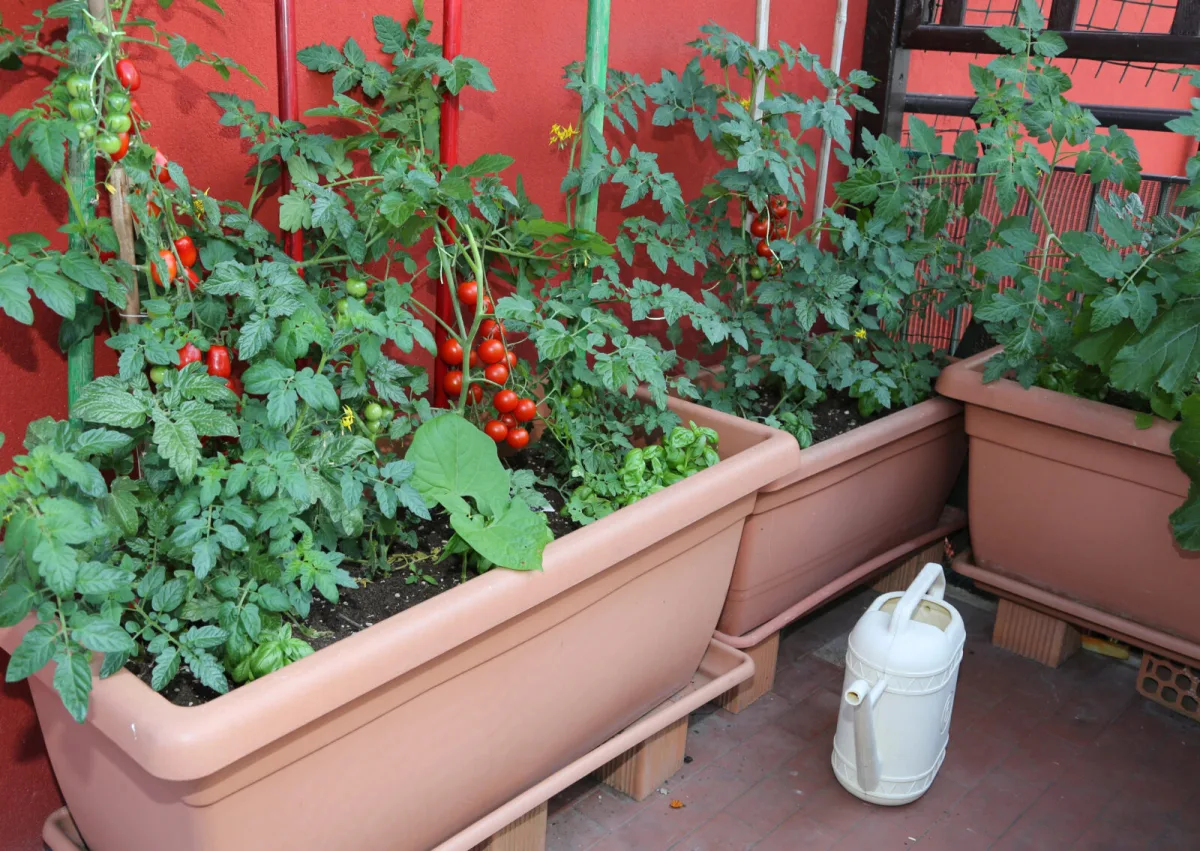
Tomatoes grown in pots or grow bags have a limited volume of substrate to draw from. Plus, with every watering, some nutrients are washed out through drainage holes. That’s why you need to feed more often, but usually in smaller doses. In containers, controlled-release fertilizers work well, or regular light watering with a water-soluble fertilizer. Just as importantly, don’t let the potting mix dry out, because moisture fluctuations worsen calcium uptake and increase the risk of fruit damage.
Most common tomato feeding mistakes and how to avoid them
A typical mistake is too much nitrogen at a time when the plant should already be flowering and fruiting. The result is lush foliage but weaker fruit set. A second common mistake is fertilizing “dry,” or too close to the stem, which can lead to fertilizer burn. A third problem is treating nutrition separately from watering: even the perfect fertilizer is useless if nutrients can’t reach the fruit due to irregular moisture. If you watch your plants, maintain steady moisture, and choose balanced feeding at the right stage, tomatoes will reward you with strong growth and a noticeably better harvest.
Source: Gardening Know How, Botanics, Pestrazahrada.cz
Related articles
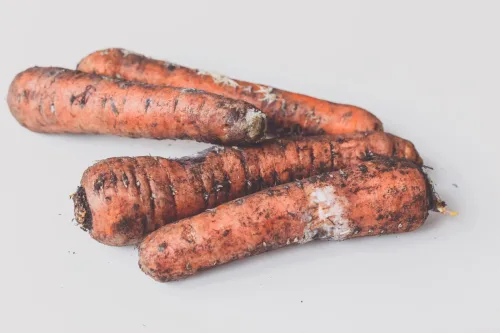
Next year you can harvest better if you don’t sow carrots where they won’t thrive
Carrot root fly can ruin carrots, parsley and celery from the inside out, often without obvious warning until harvest. Better site choice, rotation, later sowing and simple physical barriers can dramatically cut damage next season.
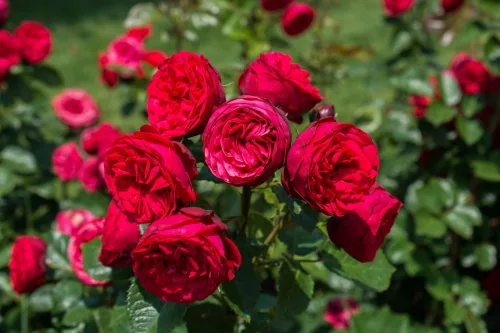
How to Propagate Roses from Cuttings at Home and Fill Your Garden with Blooms Almost for Free
Want more roses without paying for new plants? With a few healthy cuttings and a simple plastic-bottle mini greenhouse, you can root new bushes at home in just a few weeks.
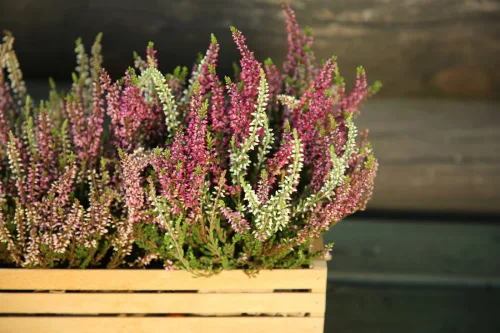
Heathers can cope where other plants won’t, but one soil detail decides everything
Heathers and heaths are tough evergreen shrubs that can flower across the seasons when you choose the right types. Success hinges on matching the plant to your soil pH and ensuring free drainage.
Comments (0)
Be the first to comment.