
 English
  Polski
  Deutsch
  Nederlands
  Svenska
  Norsk
Norsk  Dansk
Dansk  Français
  Italiano
  Español
  Português
  Slovenčina
  Suomi
Suomi  Gaeilge
 Tomatoes Can Fruit More If You Follow These Proven Rules for a Heavy Harvest
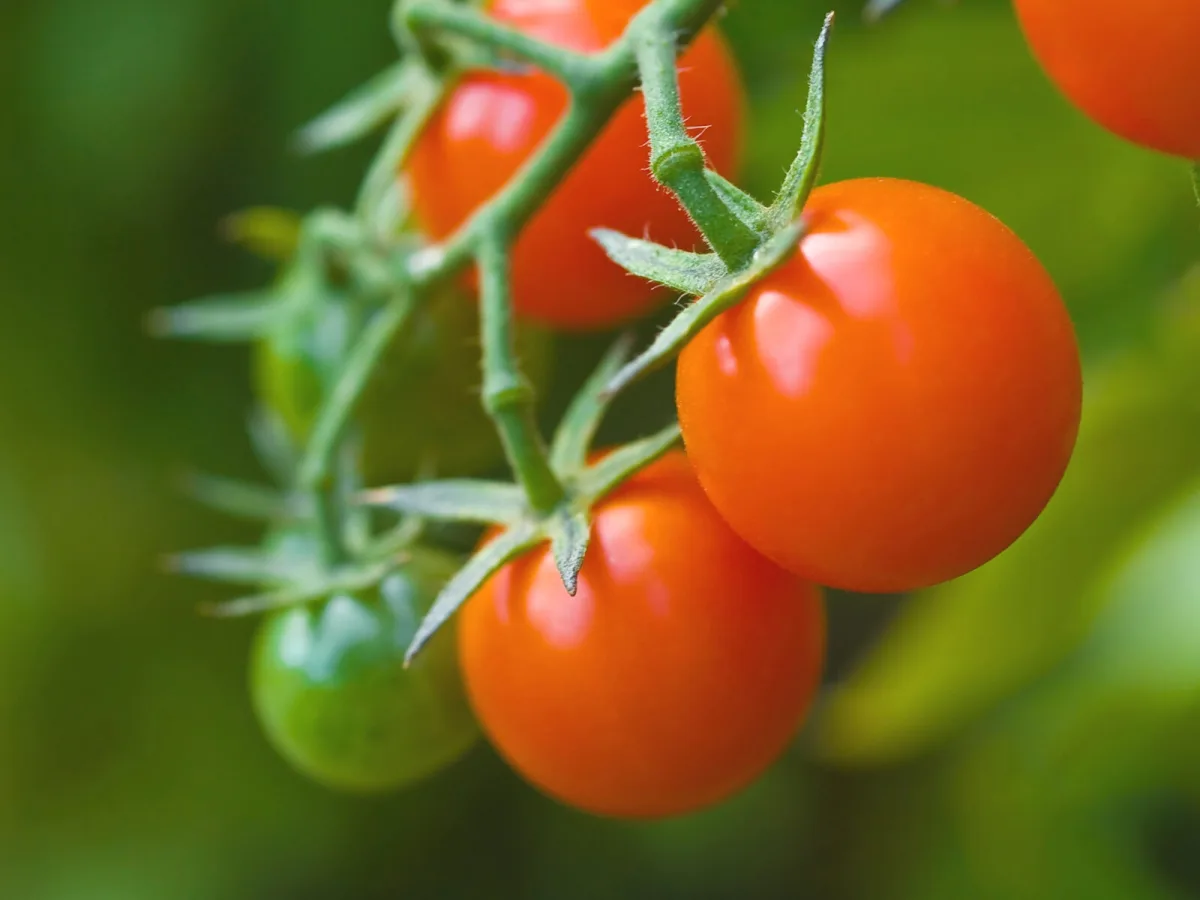
Growing tomatoes can be surprisingly straightforward if you give the plants a timely boost with a few practical steps. When good light, sensible watering and well-planned feeding come together, the reward is larger, juicier and sweeter fruit. Beyond basic care, there are also lesser-known techniques that improve pollination, build stronger roots and reduce disease risk. The following nine rules work both outdoors and in a greenhouse, and most of them can be done without any special equipment.
Encourage flowering with a boric acid spray
During flowering, you can gently treat tomatoes with a weak boric acid solution. Boron supports pollination and fruit set, so more blossoms are likely to hold and develop into tomatoes. Gardeners also notice the fruit often has a fuller flavour and the plant produces new shoots more readily. Typically it’s enough to dissolve 10 g of boric acid in 10 litres of water and apply once or twice during the flowering period, always as a light, even mist.
In a greenhouse, replace wind with a gentle shake
A greenhouse protects plants from rough weather, but it often lacks airflow and insects that would naturally pollinate the flowers. That’s why it helps to gently shake the plant or the flower trusses every few days. This moves pollen more easily and improves fruit set. After doing so, it’s a good idea to water the soil lightly and ventilate the greenhouse to bring humidity down and help the blossoms dry quickly.
Position greenhouse beds to capture more light
With tomatoes, yield also depends on how well the sun reaches the plants. In greenhouses, it’s often recommended to run beds from east to west, because plants then make better use of morning light and shade each other less. As a result, they grow more evenly, flower better and, with good care, deliver higher and more reliable harvests.
Strong roots are the foundation for big fruit
The more robust the root system, the more easily the plant can draw up water and nutrients and send them into the fruit. Tomatoes benefit from regularly earthing up soil around the stem, especially when small bumps appear at the base where additional roots can form. Mulch is also a huge help, for example straw, grass clippings or compost. Mulch holds moisture, suppresses weeds and improves the soil’s microclimate, so roots don’t suffer from temperature swings.
Use healthy plant leftovers as a natural fertiliser
If your plants stayed healthy through the season, you don’t have to throw all the remains away without thinking. In autumn, they can be chopped up and worked into the soil, where they gradually break down and enrich the bed with organic matter. In spring, the soil is often looser and more fertile, giving new transplants an easier start. Only use this method if no serious diseases appeared on the plants, so you don’t carry problems into the next season.
Remove side shoots regularly, but with a light touch
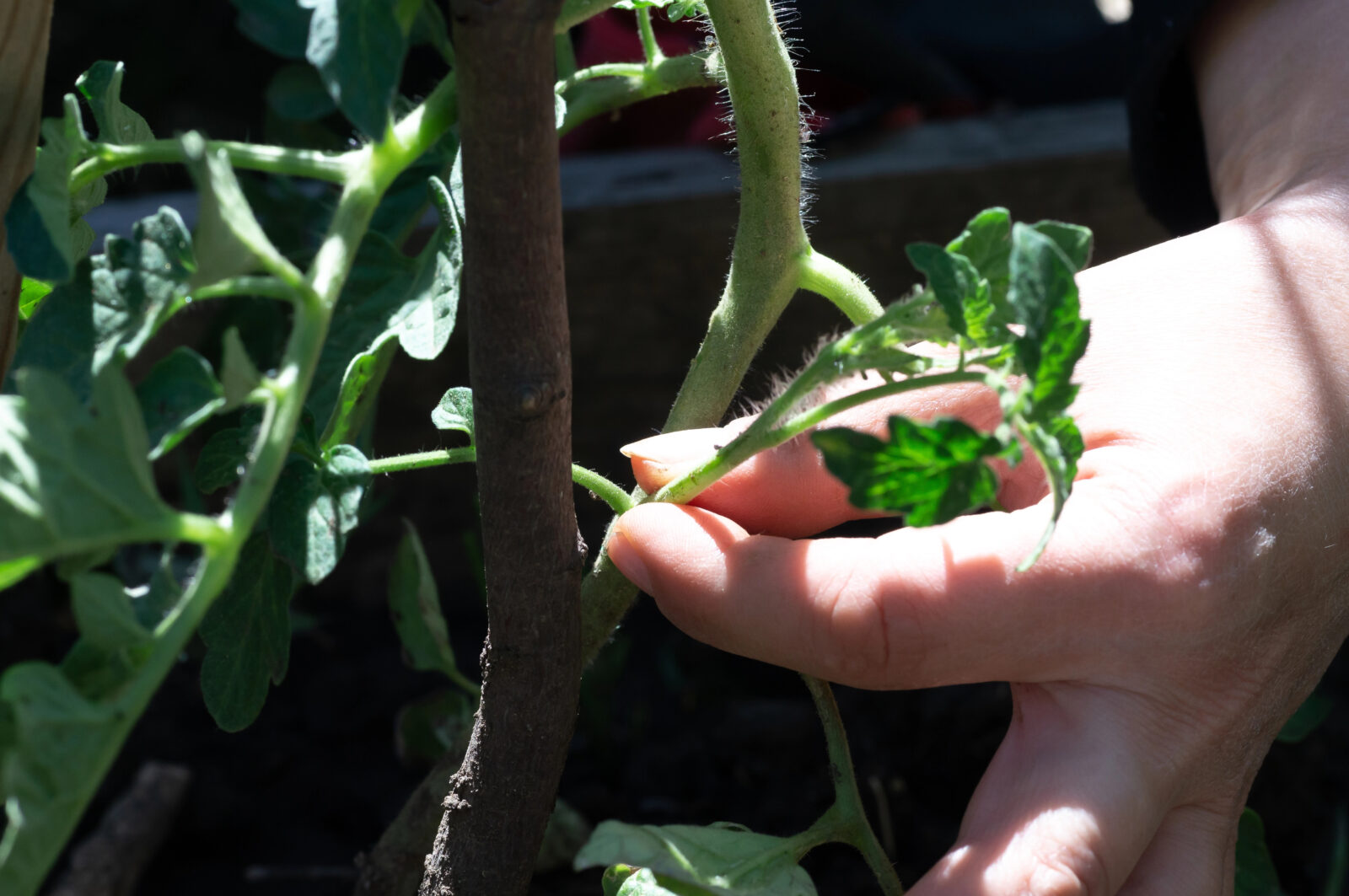
Side shoots, often called suckers, take energy the plant could otherwise put into flowering and ripening fruit. Regular pinching out helps keep the plant airier and more focused on cropping. It’s practical not to cut the sucker flush to the main stem, but to leave a small stub, because this often slows quick regrowth in the same spot.
Remove lower leaves gradually as fruit ripens
Once the fruit starts to ripen, it pays to remove the lowest leaves over time, especially those touching the soil. Airflow between plants improves and the risk of blight and other diseases encouraged by damp, crowded conditions is reduced. The key is to go slowly and leave enough leaf area; ideally remove roughly one to three leaves per week, depending on the plant’s condition.
Foliar feeding can quickly supply essential nutrients
Tomatoes respond well to foliar feeding because nutrients enter the plant more quickly than through the soil. Depending on what’s needed, you can use a spray made with urea, calcium nitrate, or a whey-and-iodine mix that growers also choose to support overall vigour. Foliar feeding is most useful when the plant needs fast help, for example during unsettled weather or at the start of heavy flowering and fruit formation.
For sweeter flavour, choose balanced feeding and a helping hand from wood ash
During fruiting, it’s best not to overdo organic fertilisers, because excess nitrogen can drive lush leaf growth at the expense of flavour and ripening. For sweeter tomatoes, wood ash is often recommended, as it supplies minerals and can positively influence taste. As an extra boost, you can also use homemade yeast feed, which perks plants up and adds certain nutrients for continued growth. Always watch how your plants respond and adjust care to the specific conditions in your garden or greenhouse.
How to keep harvests steady all summer
When you combine better pollination, stronger root development, gradual removal of unnecessary shoots and leaves, and sensible feeding, tomatoes are less stressed and will crop for longer. The biggest difference is usually consistency: small, regular actions over time rather than one-off drastic interventions. That way you’ll harvest more fruit that’s even in size, well coloured and full of flavour.
Source: To je nápad, Gardenly, Graderner’s World, Pestrazahrada.cz

A lover of nature, gardens, and everything that moves, blooms, or grows. He literally grows everything, from herbs to rare species, and he enjoys caring for animals just as much. In his work, he connects modern technology with tried-and-tested grandmotherly methods and is happy when both paths lead to the same goal.
Related articles
Next year you can harvest better if you don’t sow carrots where they won’t thrive
Carrot root fly can ruin carrots, parsley and celery from the inside out, often without obvious warning until harvest. Better site choice, rotation, later sowing and simple physical barriers can dramatically cut damage next season.

How to Propagate Roses from Cuttings at Home and Fill Your Garden with Blooms Almost for Free
Want more roses without paying for new plants? With a few healthy cuttings and a simple plastic-bottle mini greenhouse, you can root new bushes at home in just a few weeks.
Heathers can cope where other plants won’t, but one soil detail decides everything
Heathers and heaths are tough evergreen shrubs that can flower across the seasons when you choose the right types. Success hinges on matching the plant to your soil pH and ensuring free drainage.
Comments (0)
Be the first to comment.