
 English
  Polski
  Deutsch
  Nederlands
  Svenska
  Norsk
Norsk  Dansk
Dansk  Français
  Italiano
  Español
  Português
  Slovenčina
  Suomi
Suomi  Gaeilge
 Never Pull Sunflowers Out After They Finish Blooming
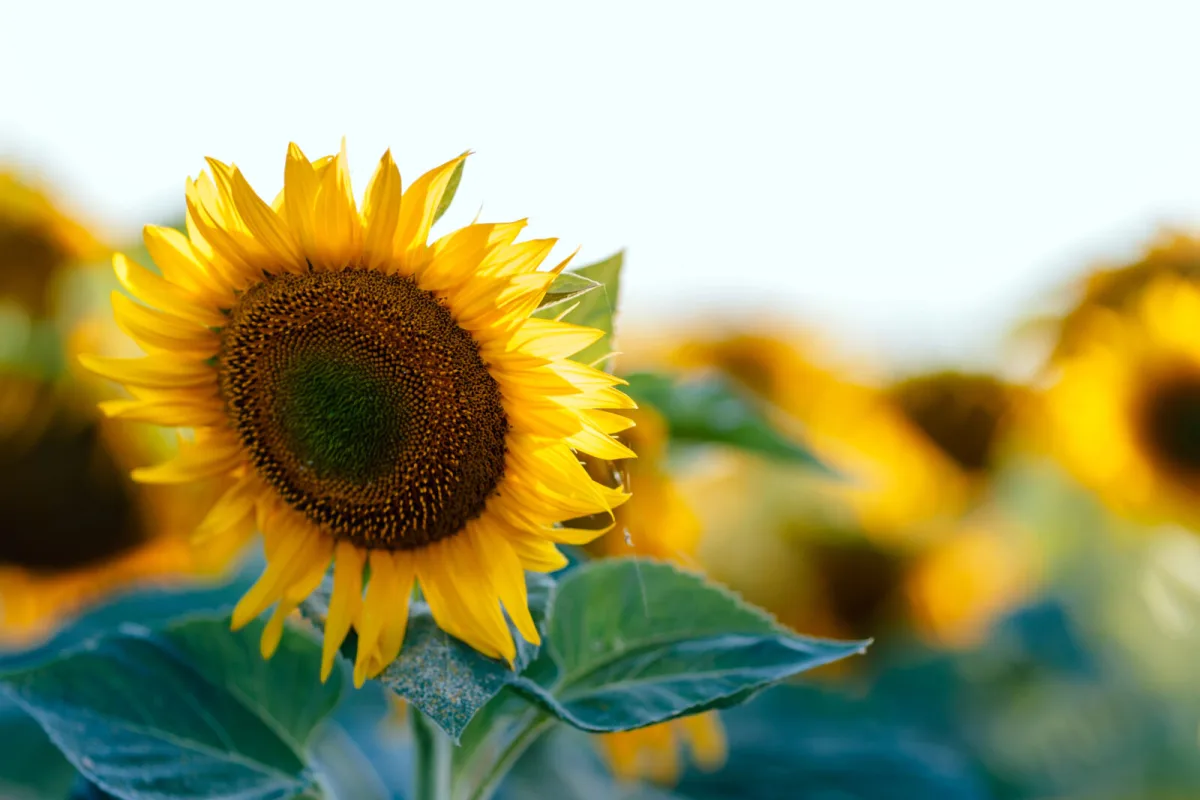
With their big yellow blooms, sunflowers are among the most striking symbols of summer. In the garden they work as an unmissable focal point while also attracting plenty of pollinators, for whom they are a valuable food source. Beyond their decorative appeal, they’re useful too: the seeds are nutritious and can be used in the kitchen as well as for feed.
You’ll find both annual and perennial types and varieties for sale. The most commonly grown is the annual sunflower, which forms a single sturdy stem topped with a large flower head and, in good conditions, can reach up to three metres.
When to sow and when it’s better to start them off under cover
With sunflowers, it doesn’t pay to rush. Seeds germinate reliably only once the soil has warmed up, and young plants don’t tolerate frost well. Direct sowing into the bed is best planned no earlier than late April, but the safer window is after the May frosts have passed. If you want an earlier start and quicker growth, you can raise plants indoors from around the end of March in seed trays or pots.
Whether sowing in containers or outdoors, plant the seeds about 2–4 cm deep. In the bed, keep spacing according to the variety, usually at least around 30 cm, and more for taller, more robust types so they have enough room for their root system and large leaves. Pre-grown seedlings should only be planted out once there’s no risk of night frosts, often from about mid-May.
Position, soil and basic care through the season
Sunflowers thrive in full sun and ideally in a sheltered spot, because tall stems can suffer easily in wind. The soil should be rich, humus-filled and able to hold moisture. For truly strong growth, plants need regular watering, especially in dry spells, along with ongoing feeding, ideally with an organic fertiliser.
With young plants, it’s worth thinking about protection from slugs, which can damage seedlings quickly. Once the sunflower starts to put on height, a sturdy stake as support helps. It stabilises the plant and reduces the risk of it snapping or being blown over in windy weather.
How to tell when seeds are ripe for harvesting
In late summer and into autumn, sunflowers naturally finish flowering and begin to fade. This is the time to watch the flower head if you want to harvest seeds. Ripeness is indicated by the outer yellow ray florets drying out and the small florets over the seeds gradually falling away. Another good clue is the back of the head, which turns brown and dries after flowering.
If the thick stems still aren’t breaking, you can leave the plant standing a few days longer, as the seeds may continue to fully ripen on the plant. Ripe seeds come away fairly easily. You can loosen them by shaking the head, tapping the back, or simply pressing and pulling the seeds from the centre. Then rinse the seeds in a sieve, spread them out on a tea towel and let them dry thoroughly so they don’t spoil in storage.
Using the seeds in the kitchen and for animals in winter
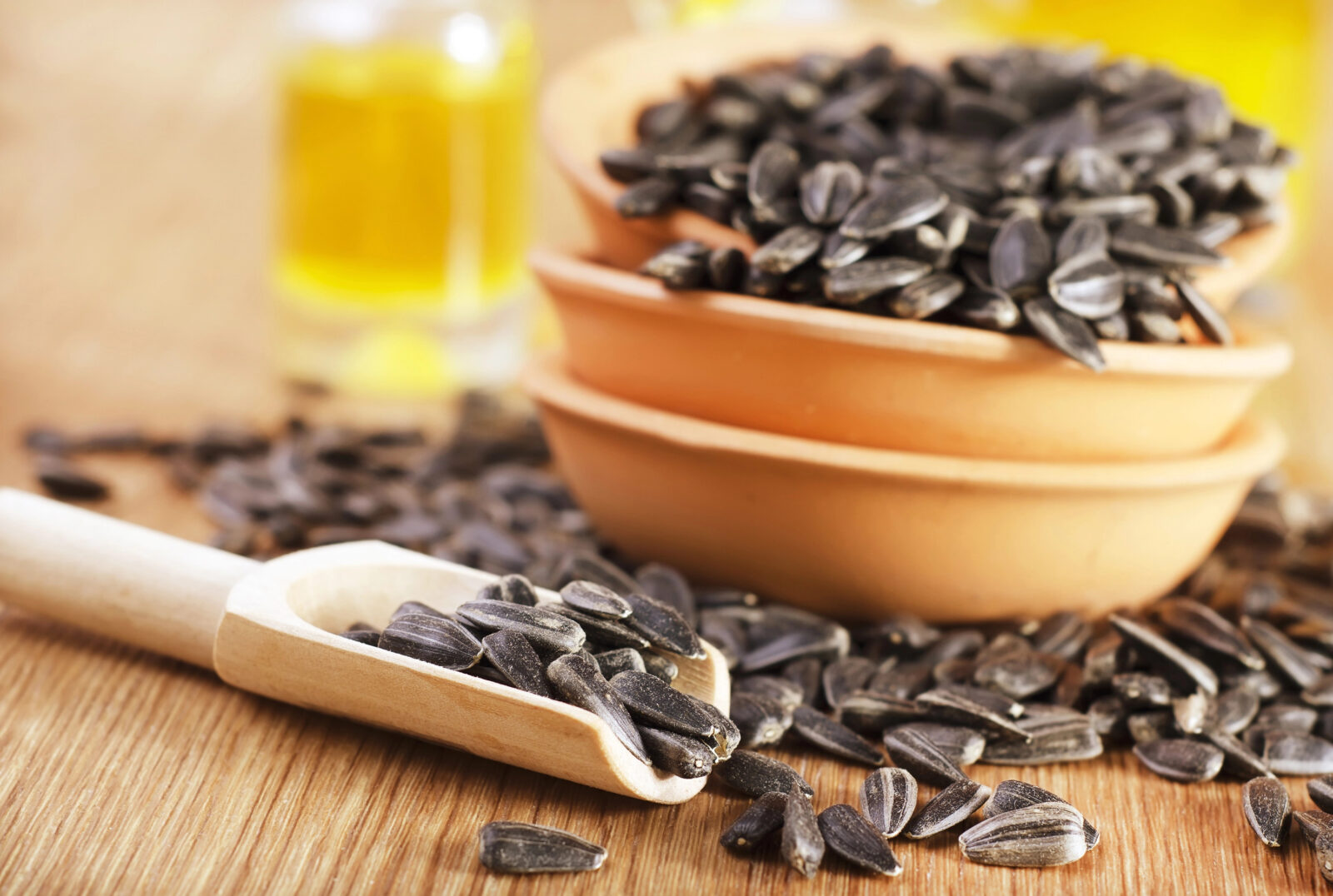
Sunflower seeds are great as a small snack and as an ingredient for baking and cooking. They’re also an energy-rich feed that birds, squirrels and other wildlife appreciate in the colder months, when food is scarcer.
If you don’t want to harvest the seeds and you don’t mind the look of dried plants, you can leave the heads in place through autumn. It gives the garden a more natural feel, and animals will peck out what they need themselves. It may also happen that some seeds drop into the soil and germinate in spring, so you’ll have new sunflowers next season. If you don’t want self-seeding, it’s better to remove the flower heads before they fully ripen.
With large heads, it’s common for them to droop, fall, or snap under their own weight once they wilt. If you want to keep them as a natural feeder, it’s more practical to cut the dry heads off and hang them upside down on a fence or a tree branch so birds and squirrels can reach them easily. It’s important to choose a spot where cats can’t get to them.
What to do with the stems after flowering
When a sunflower dries out, flops over and starts to look untidy, you can simply cut it back with secateurs a few centimetres above the ground. It’s not a good idea to yank the plant out of the soil with the roots. The root system will gradually break down and return some nutrients to the soil, which can benefit other plants in the bed.
Another practical reason is the effort involved: with tall, thick sunflowers, pulling them out can be difficult. Cutting at ground level is quicker, gentler on the soil and naturally supports nutrient cycling in the garden.
Source: Go Journey, The Spruce, Pestrazahrada.cz

A lover of nature, gardens, and everything that moves, blooms, or grows. He literally grows everything, from herbs to rare species, and he enjoys caring for animals just as much. In his work, he connects modern technology with tried-and-tested grandmotherly methods and is happy when both paths lead to the same goal.
Related articles
Next year you can harvest better if you don’t sow carrots where they won’t thrive
Carrot root fly can ruin carrots, parsley and celery from the inside out, often without obvious warning until harvest. Better site choice, rotation, later sowing and simple physical barriers can dramatically cut damage next season.
How to Propagate Roses from Cuttings at Home and Fill Your Garden with Blooms Almost for Free
Want more roses without paying for new plants? With a few healthy cuttings and a simple plastic-bottle mini greenhouse, you can root new bushes at home in just a few weeks.
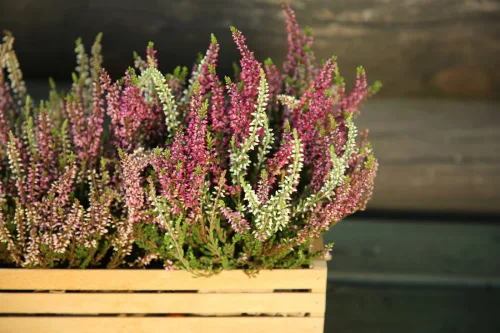
Heathers can cope where other plants won’t, but one soil detail decides everything
Heathers and heaths are tough evergreen shrubs that can flower across the seasons when you choose the right types. Success hinges on matching the plant to your soil pH and ensuring free drainage.
Comments (0)
Be the first to comment.