
 English
 Polski
 Deutsch
 Nederlands
 Svenska
 Norsk
 Dansk
 Français
 Italiano
 Español
 Português
 Slovenčina
 Suomi
 Gaeilge
Want fresh eggs in winter Chickens need more than a warm coop
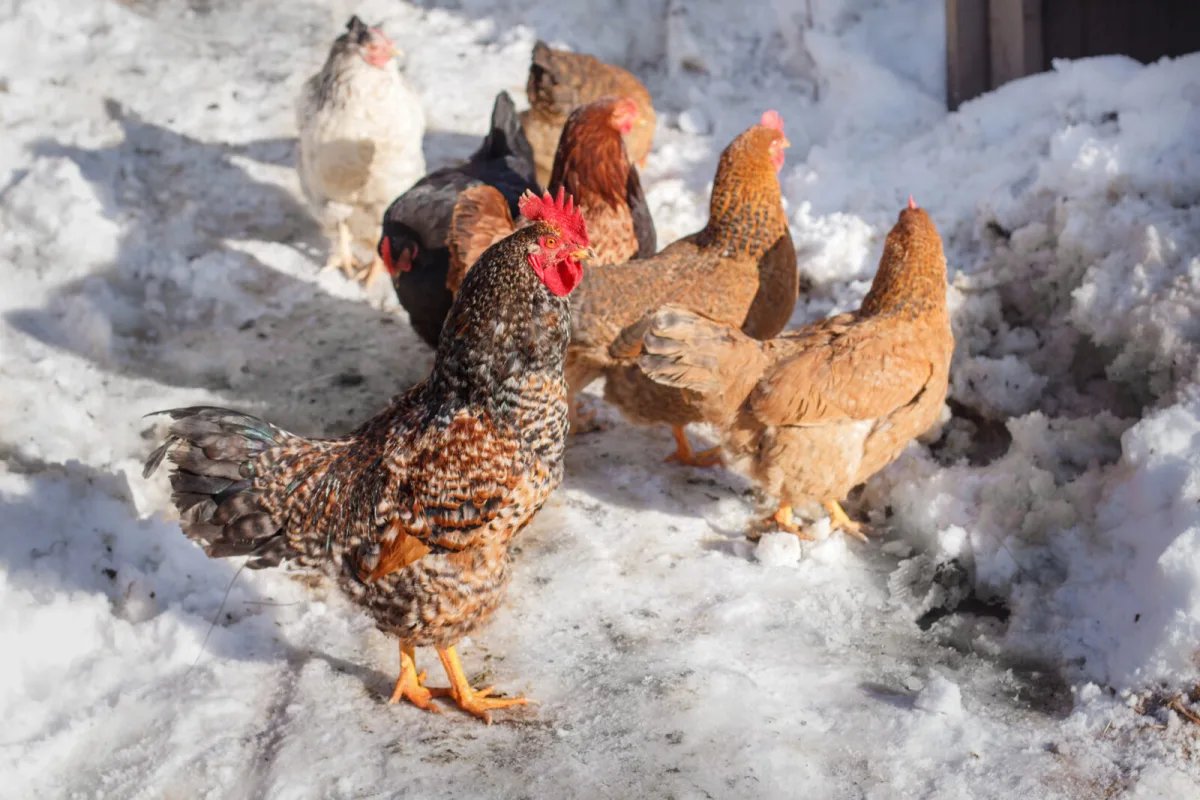
Keeping chickens is a staple of many farms and smaller garden homesteads. They provide both meat and eggs, and regular laying is the main reason many keep them. But as soon as the days shorten and temperatures drop, egg production often slows or stops altogether. That’s nothing unusual—it’s the body’s natural response to the change of season.
Chickens don’t have a set day when they stop laying. It usually happens gradually from mid to late autumn. You’ll notice it most when daylight hours start to fall. The hen’s body gets the signal that it’s time to conserve energy, rest, and focus more on staying warm than on producing eggs.
How light affects winter laying
One of the most important factors in egg production is day length. When there isn’t enough light, hens reduce laying. If you want to support production in winter, artificial lighting can help by extending the day to roughly 12 to 14 hours. That range suits most common breeds.
Lighting should feel as natural as possible and ideally run on a consistent schedule. A timer helps keep a steady routine without sudden changes. Consistency matters because a layer’s system responds very sensitively to light. If the lighting schedule is irregular, the effect may be weaker.
Without enough light, you can’t expect high winter egg production—even with good feed and a sheltered coop.
Warmth yes, overheating no
Temperature plays a role too, but that doesn’t mean you need to turn the coop into an overheated room. Chickens are tougher than many beginners think. What they mainly need is shelter from drafts, a dry environment, and conditions a bit warmer than outside. The goal isn’t a tropical climate, but an environment where they don’t waste unnecessary energy trying to keep warm.
Too much heat can actually be a problem, especially if the birds move frequently between a warmed coop and freezing outdoor air. It’s better to maintain sensible, steady, moderate conditions that protect against chilling without feeling unnatural.
How to winter-proof a chicken coop
A well-prepared coop is the foundation of winter comfort and better laying. It needs to protect against wind, damp and snow, but it mustn’t be sealed up with no fresh-air supply. Proper ventilation is essential to remove moisture, which would otherwise encourage frostbite and make conditions inside worse overall.
Before winter arrives, it’s worth cleaning the coop thoroughly, repairing any loose boards, and sealing gaps where pests could get in. Adding a fresh, thicker layer of bedding also helps—it insulates better and holds warmth. If part of the coop is mesh or wire, you can partially cover it from the outside to keep wind out and stop snow blowing in. You still need to leave adequate ventilation, though.
Chickens should have enough room to move and perches for resting. An overcrowded coop increases stress and health risks. It’s also important to make sure water doesn’t freeze. A heated drinker can make winter care much easier and helps keep up regular water intake.
Nutrition as support for egg production
Laying uses a lot of energy, protein and minerals. In winter, when hens are also dealing with the cold, quality feed is even more important than usual. The foundation should be a balanced layer ration. In cold weather, you can add a bit more protein so they have enough strength for feather regrowth after the moult, staying warm, and egg production itself.
As a supplement, sunflower seeds or other suitable higher-energy treats can help. Calcium is also crucial—without it, you won’t get a strong shell. A reliable source is crushed oyster shell or other poultry mineral supplements.
Water is just as essential as feed. Hens must have access to fresh, unfrozen water all day. If the drinker is frozen in the morning or runs dry during the day, you’ll see it quickly in their condition and laying.
If you leave everything to nature
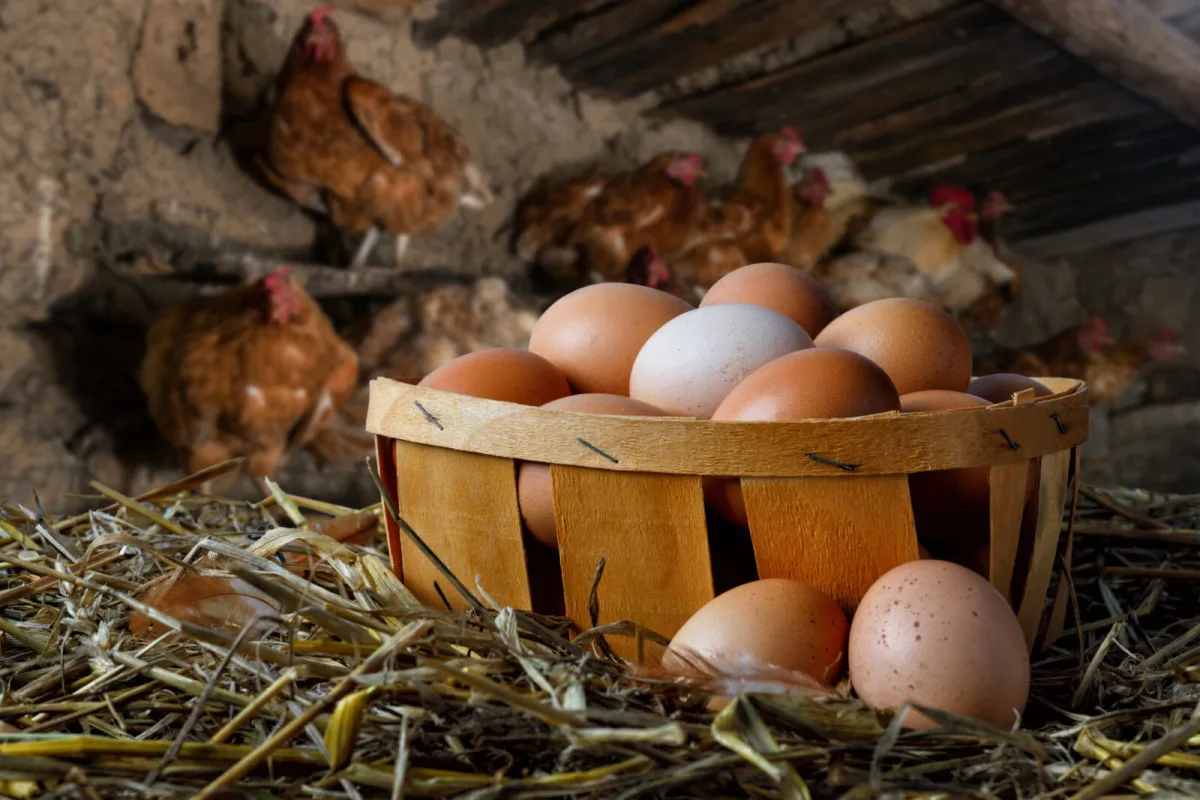
Some keepers choose not to interfere with the natural winter slowdown. That’s a perfectly valid approach. The hens rest through winter and often come back stronger in spring. If you don’t provide extra light, warmth and nutritional support, you should expect fewer eggs. One may appear now and then, but you can’t count on steady, abundant production.
A winter laying break isn’t a management failure—it’s a natural way for hens to conserve energy and get through the cold season.
Choosing the right breed can make a big difference
Not all breeds respond to winter in the same way. Some hens are known for laying better even during colder months. Hardier choices often include certain dual-purpose breeds, selected not only for eggs but also for overall resilience. If you’re only planning your flock or want to expand it, it pays to consider how a breed performs in winter when choosing pullets or chicks.
The birds’ origin matters too. Well-raised chicks with strong genetics have a better chance of growing into robust layers. A quality start shows up not only in health, but also in future productivity.
How to get the best winter results
If you want your hens to lay in winter, you need to combine several measures at once. It’s not enough to just add light or only increase feed. The best results usually come when layers have enough light, protection from bad weather, a dry and clean coop, quality nutrition and constant access to water. Each of these elements supports condition and reduces the energy burden that winter brings.
Winter laying isn’t luck—it’s the result of thoughtful care. If you create stable, safe conditions for your flock, you can enjoy fresh eggs even in the season when they would otherwise be resting.
Source: Freedom Ranger Hatchery, Fresh Eggs Daily , Pestrazahrada.cz

A nurse by profession, she is passionate about healthy living, nature, and everything that benefits both people and the world around them. In her free time, she enjoys gardening, cooking, sewing, and caring for her family. In her articles, she loves combining professional expertise with practical experience from the garden and everyday life.
Related articles
How to Keep a Hive Dry in Winter and Protect the Colony from Dangerous Damp
In winter, moisture—not cold—is often the biggest threat to a bee colony. Learn how condensation forms in the hive and what practical steps help keep bees dry and thriving until spring.
Tame Hens Are Calmer and Happier The Secret Lies in Small Daily Habits
Hens are far more observant and trainable than many keepers expect. With calm routines, consistent signals and small rewards, they can learn to come when called and feel safer around people.
Hens Need More Than Feed and Water: A Simple Homemade Mix to Support Immunity and Vitality
Good hen health starts with balanced nutrition, not just a clean coop and fresh water. A modest blend of garlic, apple cider vinegar and oregano can gently support digestion, immunity and overall flock condition.
Comments (0)
Be the first to comment.