
 English
  Polski
  Deutsch
  Nederlands
  Svenska
  Norsk
Norsk  Dansk
Dansk  Français
  Italiano
  Español
  Português
  Slovenčina
  Suomi
Suomi  Gaeilge
 Grow Your Own Watermelon It’s Surprisingly a Vegetable That Tastes Like Fruit
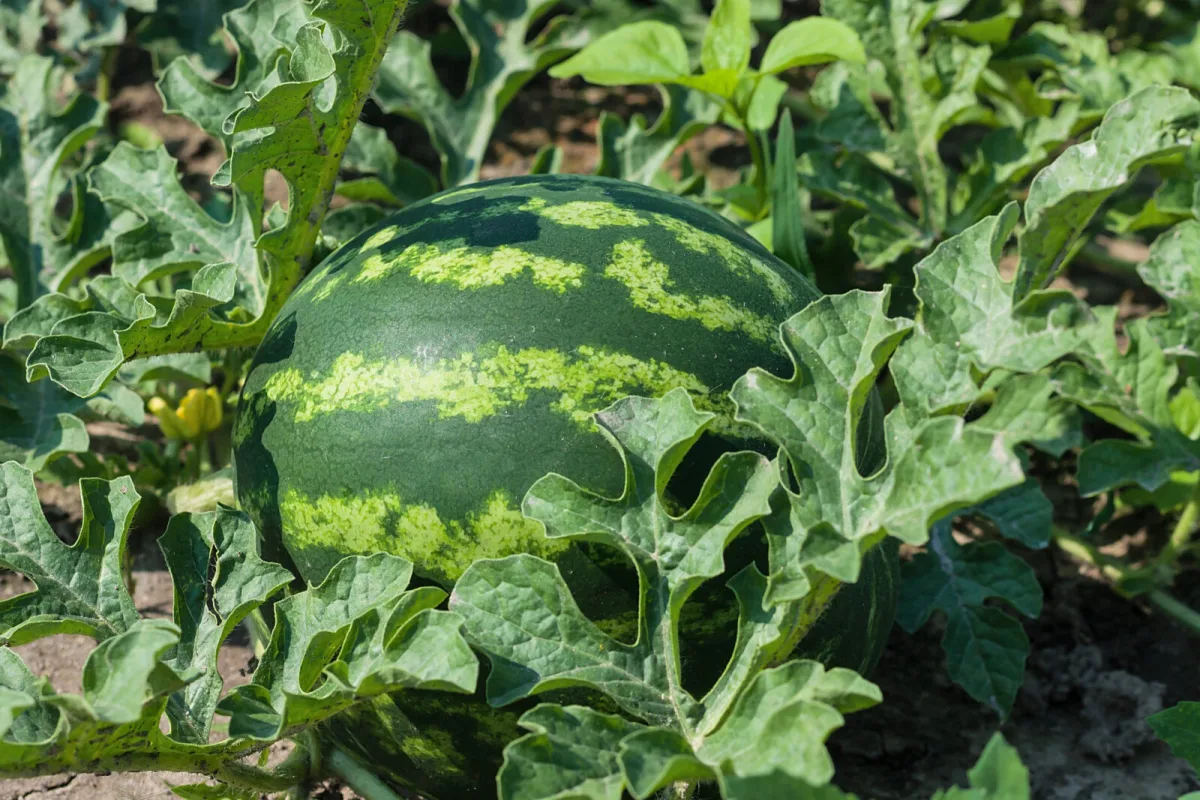
Most people automatically associate watermelon with fruit, but botanically it belongs among vegetables. It’s part of the cucurbit family, which also includes cucumbers and squash. Thanks to its high water content and sweet flesh, it’s an ideal summer crop that can be used in many ways, not only on the plate but also in the home garden.
The most commonly grown is the watermelon, which typically forms round or oval fruits with refreshing flesh in a characteristically red colour. Alongside it there’s also the muskmelon. That’s a different species, usually smaller, often with yellow flesh and a distinctly sweet, almost honeyed flavour.
Where watermelons grow best
Watermelons love warmth, light, and a sheltered spot. Full sun and a south-facing position are ideal, which helps even in cooler regions. They can do well in a greenhouse, on a warm bed, and also in a large pot on a terrace or balcony. Self-watering containers are a big advantage, because a steady supply of moisture is key for growth.
The soil should be loamy, well-draining, yet still able to hold moisture. Watermelons are heavier feeders, so it pays to work well-rotted manure into the bed in autumn. If you’re short on space, you can even grow them on a compost heap, where they naturally have both warmth and nutrients available.
Watering and care through the season
During growth and while fruits are setting, watermelons need regular watering, ideally with water that has stood to reach ambient temperature. At this stage it doesn’t pay to let the soil dry out completely. Once the fruits start to ripen, however, it’s better to reduce watering, because too much water can dilute flavour and sweetness.
Sowing, raising plants, and the right time to plant out
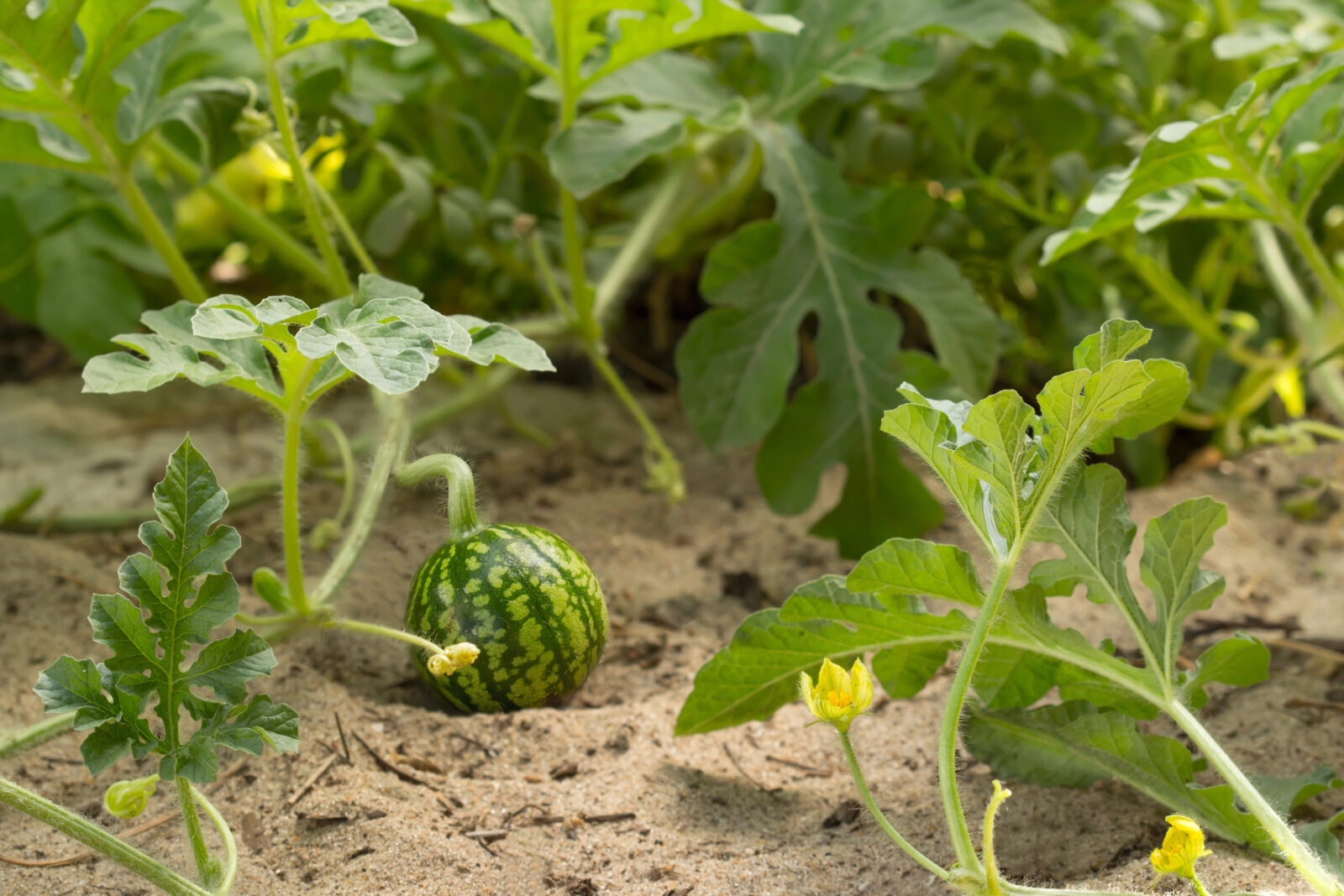
You can raise plants from seed as early as March. If you’d like to save time, buy young plants in April or May. You’ll also find plants grafted onto squash rootstock, which usually cope better with drier conditions and often crop earlier.
Because watermelons don’t tolerate cold well, plant them outdoors only after mid-May, when the risk of ground frosts has passed. In warmer areas, early varieties can reward you with an earlier harvest, but most fruits ripen in August.
Varieties worth trying
Watermelon hasn’t been only red for a long time. There are varieties with almost white, yellow, and even salmon-coloured flesh. Popular choices among gardeners include cultivars with larger fruits around ten kilograms, as well as smaller types weighing roughly five kilograms, which suit smaller gardens and container growing.
Muskmelons tend to have a firmer rind, fruits usually weigh about one to two kilograms, and they’re known for their intense fragrance. With earlier varieties and good conditions, you can be harvesting as early as the second half of summer.
If you dislike the hard seeds in watermelons, there are also seedless hybrids. In a good summer they can produce surprisingly large fruits and are especially convenient for eating fresh.
Why include watermelon in your diet
Both watermelon and muskmelon are relatively low-calorie foods, which makes them a good fit for lighter eating. They contain over 90 percent water, help with hydration, and cool you down pleasantly in hot weather. They also provide fibre, which supports digestion.
Melons also supply the body with important minerals, especially potassium, calcium, and iron. Among vitamins, vitamin C and A stand out, as well as B vitamins. Final sweetness and energy value depend on the variety and the level of ripeness, so it pays to harvest at the right time.
How to tell when a fruit is ripe and why to harvest gradually
Pinpointing ideal ripeness isn’t always easy. With watermelon, a dry, often curled stem is a good clue. A hollow sound when tapped may mean the fruit is already overripe, so it’s better to look for several signs at once. With muskmelon, the main guide is a strong fragrance and a pale patch where the fruit rested on the ground.
It’s best to harvest melons gradually, because after you remove ripe fruits, the plant often continues setting more.
After harvest, melons can be stored for up to about two months in the fridge or in a cellar with higher humidity at around 5 °C. Keep in mind that during storage they gradually lose some aroma and continue to ripen.
Watermelon in the kitchen, sweet and savoury
Most often it’s eaten fresh, as a quick snack or as part of summer salads with fruit and vegetables. Sweet pairings are also interesting, for example with dark chocolate or caramel. On hot days, a sorbet, homemade lemonade, or a summer wine-based drink is especially refreshing.
It also works beautifully in savoury dishes. In salads it pairs well with Balkan-style white cheese or goat’s cheese, or with ham. If you like bolder flavours, you can briefly grill watermelon and season it with a marinade of olive oil and chilli paste. Blended flesh can also be turned into a surprisingly good meat marinade when combined with garlic, soy sauce, salt, and pepper.
Source: The Spruce, RHS, To je nápad , Pestrazahrada.cz

A lover of nature, gardens, and everything that moves, blooms, or grows. He literally grows everything, from herbs to rare species, and he enjoys caring for animals just as much. In his work, he connects modern technology with tried-and-tested grandmotherly methods and is happy when both paths lead to the same goal.
Related articles
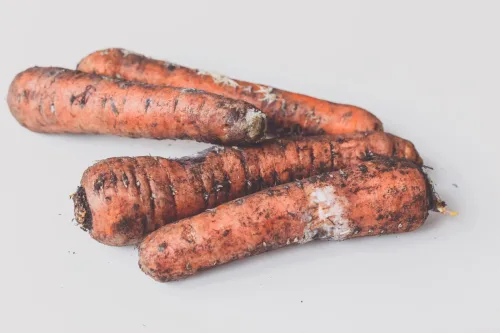
Next year you can harvest better if you don’t sow carrots where they won’t thrive
Carrot root fly can ruin carrots, parsley and celery from the inside out, often without obvious warning until harvest. Better site choice, rotation, later sowing and simple physical barriers can dramatically cut damage next season.
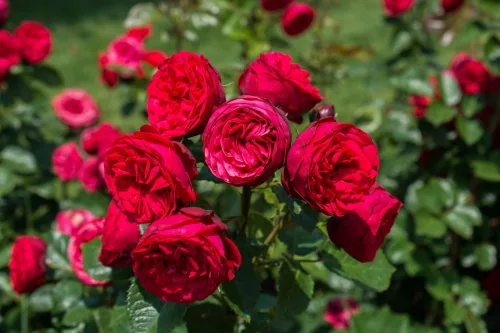
How to Propagate Roses from Cuttings at Home and Fill Your Garden with Blooms Almost for Free
Want more roses without paying for new plants? With a few healthy cuttings and a simple plastic-bottle mini greenhouse, you can root new bushes at home in just a few weeks.
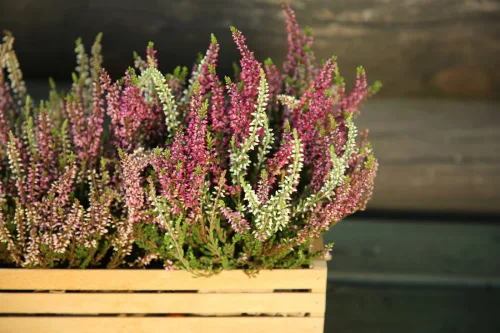
Heathers can cope where other plants won’t, but one soil detail decides everything
Heathers and heaths are tough evergreen shrubs that can flower across the seasons when you choose the right types. Success hinges on matching the plant to your soil pH and ensuring free drainage.
Comments (0)
Be the first to comment.