
 English
 Polski
 Deutsch
 Nederlands
 Svenska
 Norsk
 Dansk
 Français
 Italiano
 Español
 Português
 Slovenčina
 Suomi
 Gaeilge
Do You Store Eggs and Milk in the Fridge Door Your Food May Be Spoiling Because of a Mistake Almost Everyone Makes
In the kitchen, small details often determine how long food stays fresh and whether it remains safe to eat. It’s not just about tidiness, but above all about hygiene and health. This matters especially in the warmer months, when food spoils faster and even a minor mistake can mean needlessly throwing food away.
For example, many people don’t pay attention to the actual temperature inside their fridge. Yet it has a major impact on meat, dairy products, and leftovers. It’s not enough to assume the fridge is “cold.” If the temperature is too high, food can spoil sooner than the use-by date on the packaging would suggest.
What the right fridge temperature should be
In general, it’s recommended to keep your refrigerator at around 4–5 °C. If you’re not sure, it’s worth placing a thermometer inside or checking the display readings if your appliance has them. Signs of a problem can include frosting up, but also food that simply doesn’t feel properly chilled.
At the same time, it pays to follow the storage guidance on packaging. Some types of meat require even colder storage, sometimes no more than 2 °C. In that case, it’s best to lower the fridge temperature or move the food to the freezer. Overlooking these details is one of the most common household mistakes.
Every shelf has a different temperature
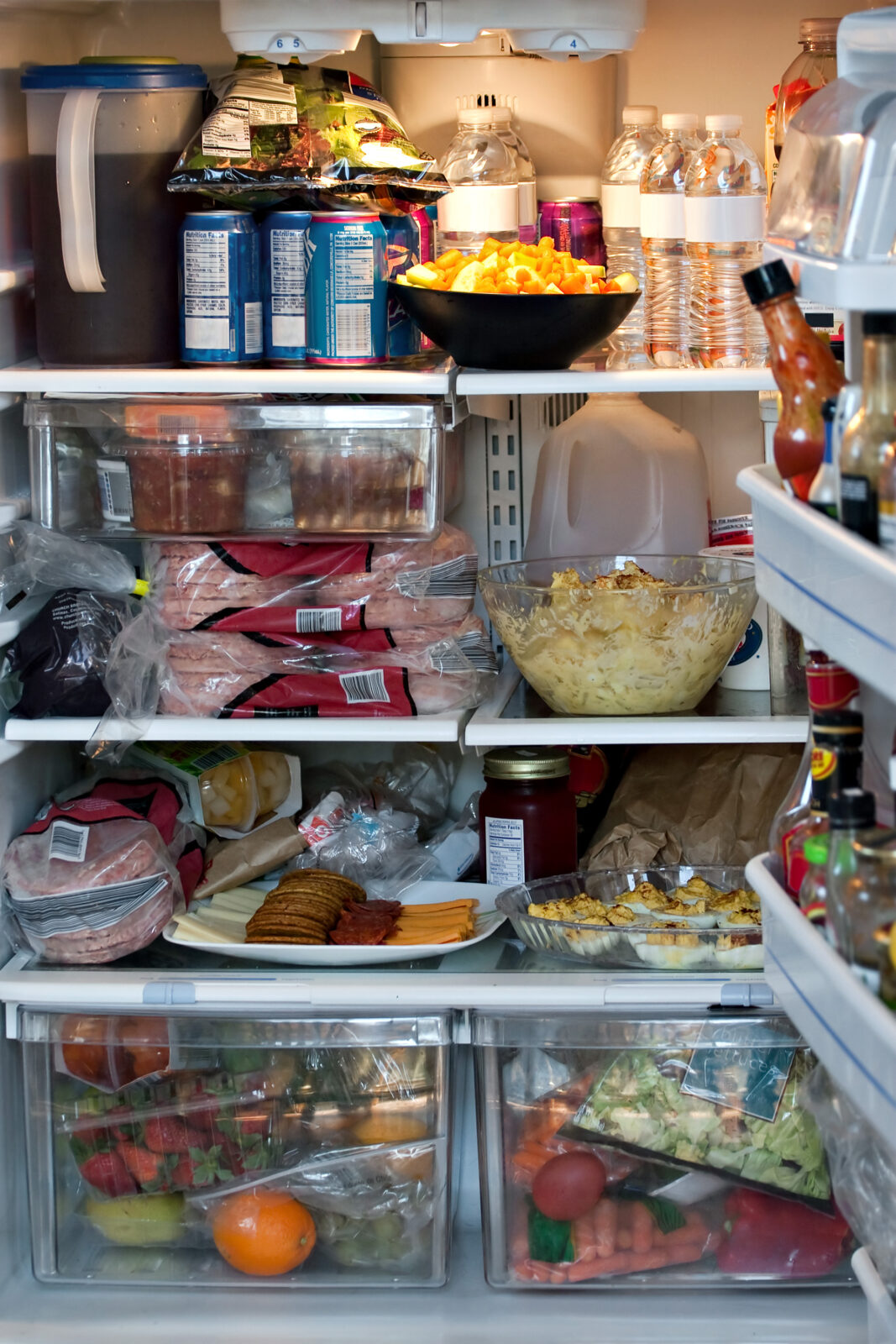
The inside of a fridge isn’t the same temperature everywhere. Different shelves and compartments create distinct cooling zones, so it matters where you put specific foods. The top shelf is best for cooked foods and leftovers, which don’t need the most intensive chilling.
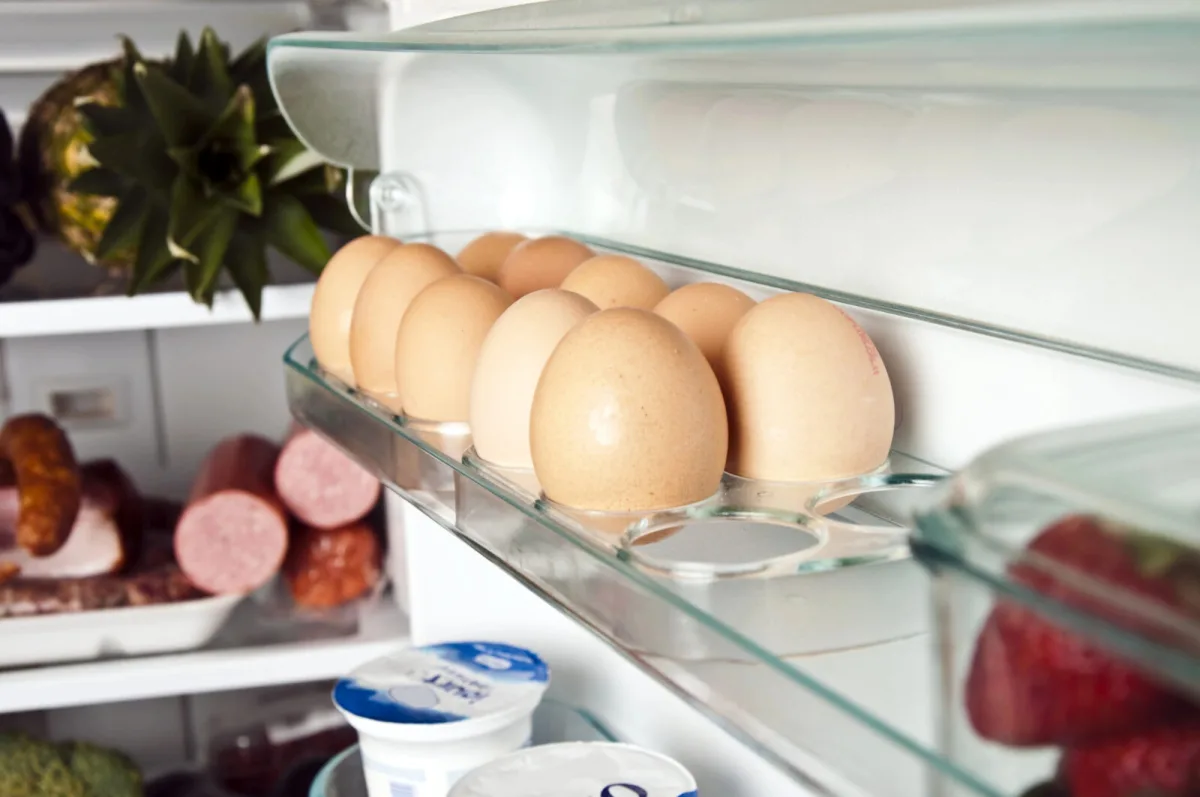
A common misconception is eggs. Even though many people automatically store them in the door, they’re better kept in the middle of the fridge, where the temperature is more stable. The same rule applies to dairy products, and ideally to milk as well. The door is exposed to frequent opening, and therefore bigger temperature swings.
The bottom shelf should be reserved for raw meat and fish. That’s usually the coldest part of the fridge. It also reduces the risk of any liquid from packaging dripping onto other foods and contaminating them.
Cleaning the fridge without unnecessarily harsh chemicals
Along with proper organization, regular maintenance is essential. When cleaning, though, it’s important to know what material the inside of your fridge is made from. Some models have an antibacterial surface, and with those it’s not advisable to use strong disinfectants or vinegar. A gentler option is water with a small amount of dishwashing liquid.
For standard fridges without special interior coatings, products that are safe for dishes or skin tend to work well. Regular dishwashing liquid is suitable, as are certain alcohol-based disinfectants that evaporate after a short time. On the other hand, chlorine-based cleaners aren’t a good choice for areas where food is stored.
Don’t forget the less obvious areas, either. It’s important to clean the drain channel and check any filters your fridge may have. Neglected technical parts can contribute to poorer performance and unpleasant odours.
Dish sponges are often full of bacteria
One of the most underestimated kitchen tools is the ordinary dish sponge. It’s actually among the dirtiest items in the home. A standard sponge should be replaced at least once a week; otherwise, bacteria and grime multiply quickly.
Today, however, there are more durable options with special treatments, as well as sponges that can be washed or run through the dishwasher. These may last longer, but you still need to monitor their condition and avoid using them for too long without thorough cleaning.
Use a separate cutting board for raw meat
Just as important as the fridge is safe handling of cutting boards. Foods meant to be eaten without further cooking shouldn’t be placed on a surface where raw meat was cut. There’s a risk of transferring bacteria that can cause illness. A practical solution is to keep one board dedicated solely to meat.
Wood is often a better choice than plastic. When cutting on plastic boards, tiny particles of the material can be released into food. Wooden boards also have natural antibacterial properties, but that doesn’t mean a quick rinse is enough. After each use, wash them with dishwashing liquid, scrub with a sponge, and let them dry thoroughly.
The right temperature, thoughtful food placement, and consistent kitchen hygiene can significantly reduce food waste and the risk of health issues.
Source: Southern Living, Eating Well, Martha Stewart, Pestrazahrada.cz

A lover of nature, gardens, and everything that moves, blooms, or grows. He literally grows everything, from herbs to rare species, and he enjoys caring for animals just as much. In his work, he connects modern technology with tried-and-tested grandmotherly methods and is happy when both paths lead to the same goal.
Related articles

How to Cook Apricot Jam That Keeps Its Bright Color for Weeks
Apricot jam often turns brown in the jar after a few weeks, even when it hasn’t spoiled. With shorter cooking, a touch of citrus, and proper filling and storage, it will stay beautifully orange for longer.
Summer Lecho with Fresh Vegetables Tips for Perfect Flavor and Texture
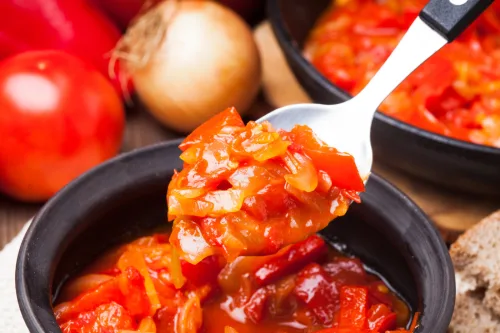
Lecho is a simple summer staple built on ripe tomatoes, peppers, and onions. With the right ratio and gentle cooking, it turns into a juicy, vibrant dish that’s perfect fresh or preserved for later.

Zucchini flowers as a summer delicacy
Many zucchini flowers never set fruit and end up wilting on the plant. Yet they’re edible, delicately flavoured, and perfect for quick frying, stuffing, or baking.
Comments (0)
Be the first to comment.