
 English
  Polski
  Deutsch
  Nederlands
  Svenska
  Norsk
Norsk  Dansk
Dansk  Français
  Italiano
  Español
  Português
  Slovenčina
  Suomi
Suomi  Gaeilge
 Summer Lecho with Fresh Vegetables Tips for Perfect Flavor and Texture
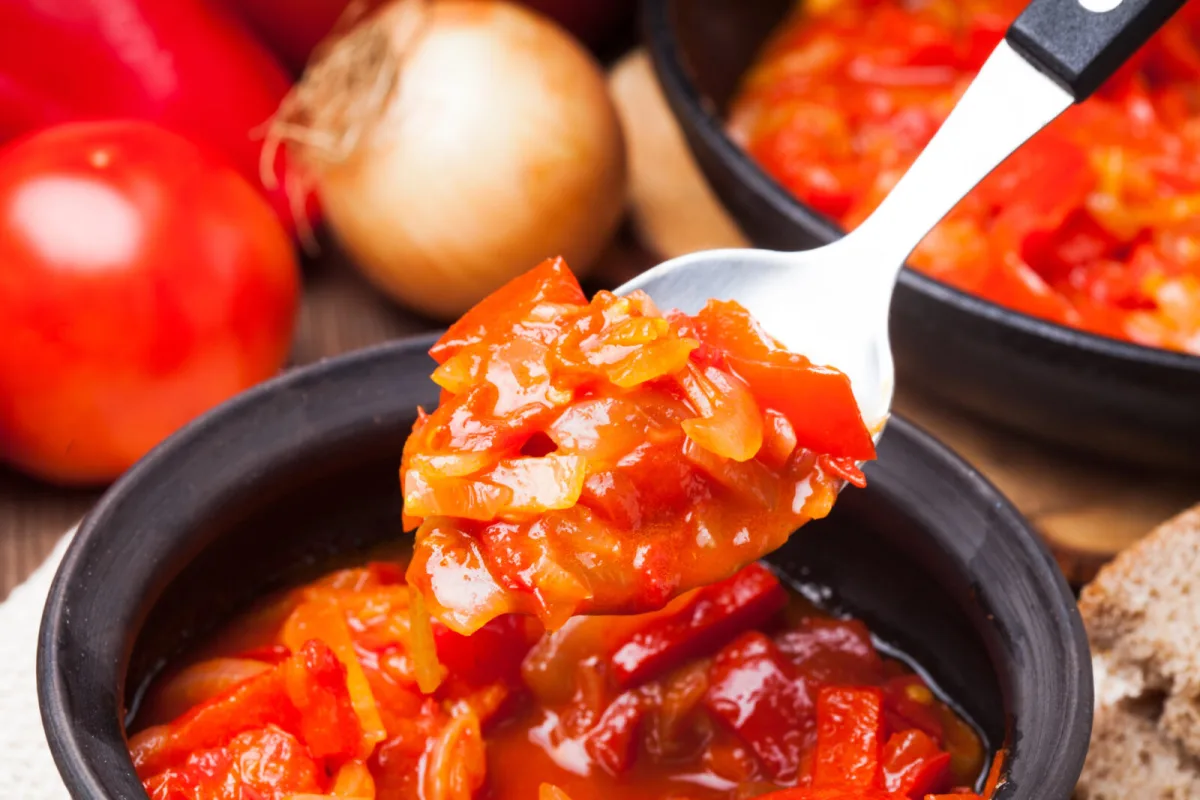
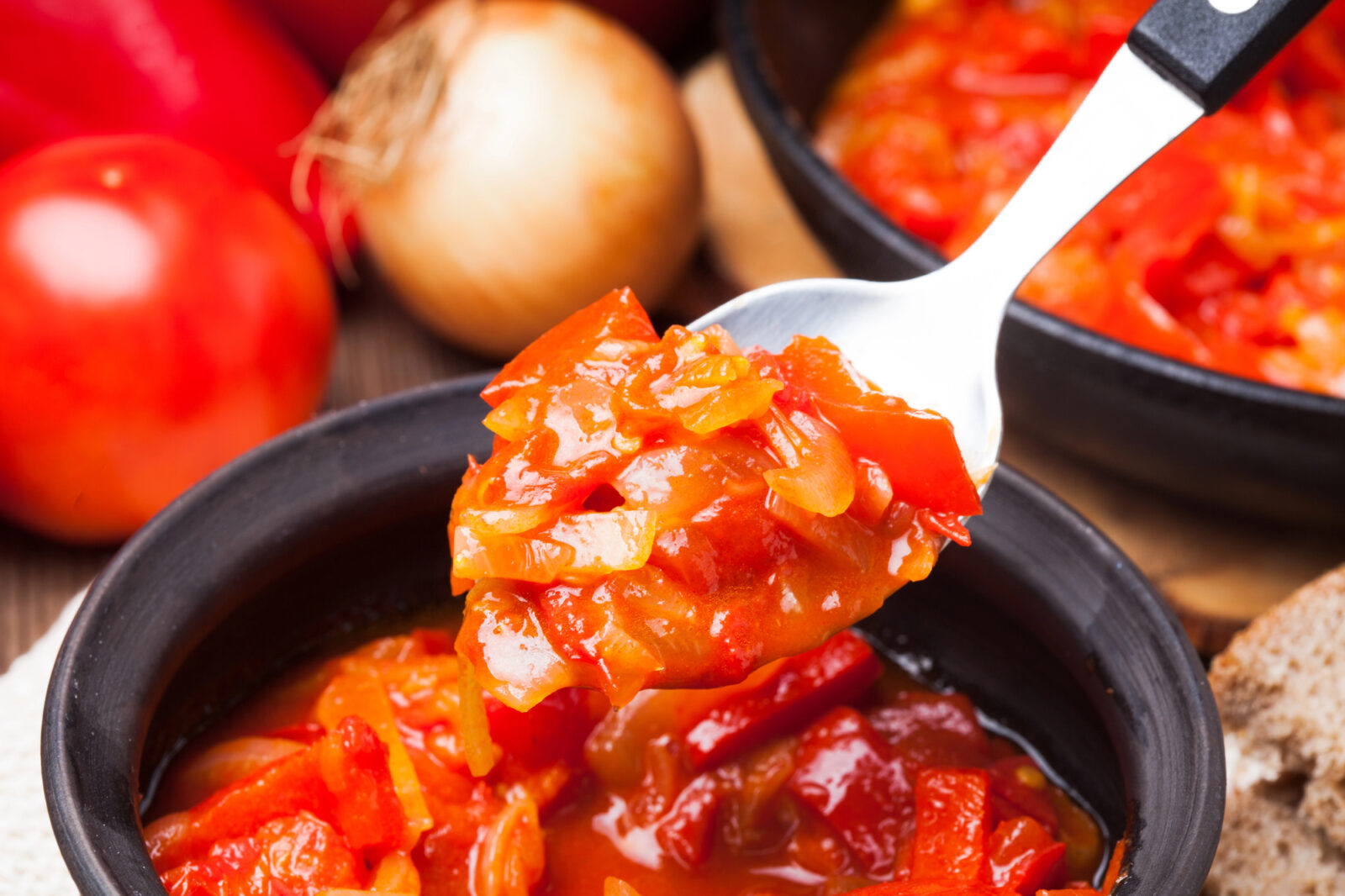
Lecho ranks among Central Europe’s best-known dishes, and in Czech kitchens it has settled in as naturally as other seasonal classics. Its foundation is surprisingly simple: tomatoes, peppers, and onions. But when you choose top-quality vegetables and don’t ruin them with unnecessary meddling, you get a bold, juicy, lightly satisfying meal that smells like summer. That simplicity is lecho’s greatest strength, because you can taste straight away what ingredients you used and how you treated them.
Why one person loves lecho and another won’t touch it
Lecho has a reputation for dividing households into two camps. Often, though, it’s not the recipe that’s to blame, but poor preparation, such as overcooked, flavorless vegetables or thickening that turns a light dish into a heavy stew. Properly cooked lecho is quick, beginner-friendly, and thanks to the tomato juices it tastes bright and fresh. It’s at its best in summer when garden or market produce is plentiful, and it’s also ideal for stocking up, because it can be easily preserved in jars for the months ahead.
Which ingredients to choose and what you can add
Pick tomatoes as ripe as possible, even slightly soft ones, because they release the most juice and deliver the most intense flavor. Traditionally, pale green peppers are used, but sweet red peppers work beautifully too, adding extra sweetness. Onion forms the flavor base and brings depth, although you can leave it out if it doesn’t suit you. Oil works well for sautéing, but if you want a fuller, truly homestyle taste, reach for lard. Lecho is easy to tailor to your diners: some add smoked sausage, others add eggs, which soften the dish and make it more filling.
A ratio that keeps flavor and texture in balance
A tried-and-true rule is a ratio of 4 parts tomatoes, 4 parts peppers, and 1 part onion. This keeps the mixture from turning either too watery or, on the other hand, dry and dense. It’s important not to add water, because the tomatoes release plenty of liquid on their own. For the same reason, it pays to avoid thickening with flour, a roux, or similar tricks, which dull the vegetables’ flavor and turn lecho into a completely different dish.
A reliable method without needless fuss
Prep the vegetables first so they can go into the pan in the right order. Peel the onion, wash the peppers and remove the seeds, and wash the tomatoes as well. Slice the onion and peppers, and cut the tomatoes into larger pieces so they gradually break down as they cook. Heat the fat in a deeper pan and let the onion soften until translucent, creating a fragrant base. Then add the peppers and briefly braise them so they soften but don’t lose their color. Next come the tomatoes, salt, and pepper, and everything simmers under a lid for about ten minutes, until the flavors meld and the vegetables are tender.
When to add sausage and when to add eggs
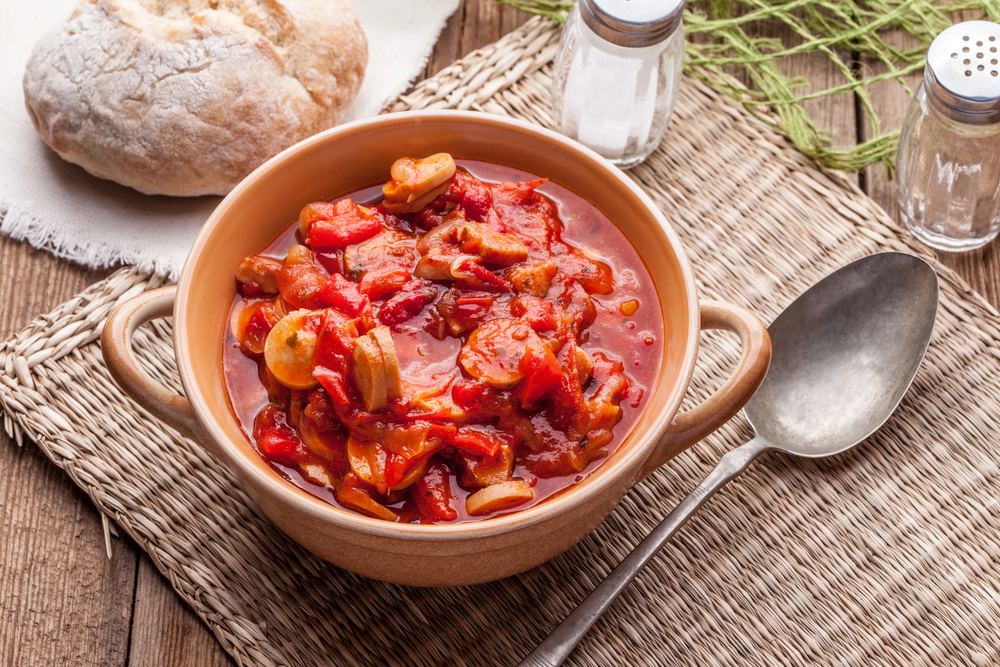
If you want lecho with sausage, slice it and add it near the end, so it just heats through and stays juicy. Eggs go in at the very end: gently stir them into the mixture and let them set under the lid. The result is a softer texture and a more substantial serving, without losing the vegetable-forward flavor.
Serving and enjoying it throughout the year
Most often, lecho is eaten with fresh bread, which soaks up the juices beautifully. It’s also excellent with rice or potatoes, depending on what you’re in the mood for. In summer it’s a quick lunch; in winter it’s a reminder of the season, if you’ve got lecho ready in jars.
A brief history and a few interesting facts
Lecho’s roots reach back to Hungary, although similar dishes exist in many cuisines from the Balkans to the Mediterranean. Written references appear in the early 20th century, and it was originally served as a side to meat. The name lecsó started to be used around 1914 and, according to one version, came from a corruption of the Slovak word všeličo, meaning “a bit of everything.”
Authentic Hungarian lecho is not diluted with water or thickened with flour, because the juices should develop naturally from the tomatoes.
Here, it used to be thickened with breadcrumbs from time to time, which today feels more like a historical curiosity. In Italy you’ll find the related peperonata, often made with garlic and herbs. A Turkish counterpart is menemen, where eggs, and sometimes cheese, commonly appear alongside the vegetables. Whether you choose a purely vegetable version or add smoked sausage or eggs, lecho remains solid proof that great food can come from just a handful of ingredients.
Source: Jidlo.cz, Recept.sk, Pestrazahrada.cz

A lover of nature, gardens, and everything that moves, blooms, or grows. He literally grows everything, from herbs to rare species, and he enjoys caring for animals just as much. In his work, he connects modern technology with tried-and-tested grandmotherly methods and is happy when both paths lead to the same goal.
Related articles

How to Cook Apricot Jam That Keeps Its Bright Color for Weeks
Apricot jam often turns brown in the jar after a few weeks, even when it hasn’t spoiled. With shorter cooking, a touch of citrus, and proper filling and storage, it will stay beautifully orange for longer.
Zucchini flowers as a summer delicacy
Many zucchini flowers never set fruit and end up wilting on the plant. Yet they’re edible, delicately flavoured, and perfect for quick frying, stuffing, or baking.
Comments (0)
Be the first to comment.