
 English
  Polski
  Deutsch
  Nederlands
  Svenska
  Norsk
Norsk  Dansk
Dansk  Français
  Italiano
  Español
  Português
  Slovenčina
  Suomi
Suomi  Gaeilge
 Why courgettes sometimes taste bitter and when you should not even sample them
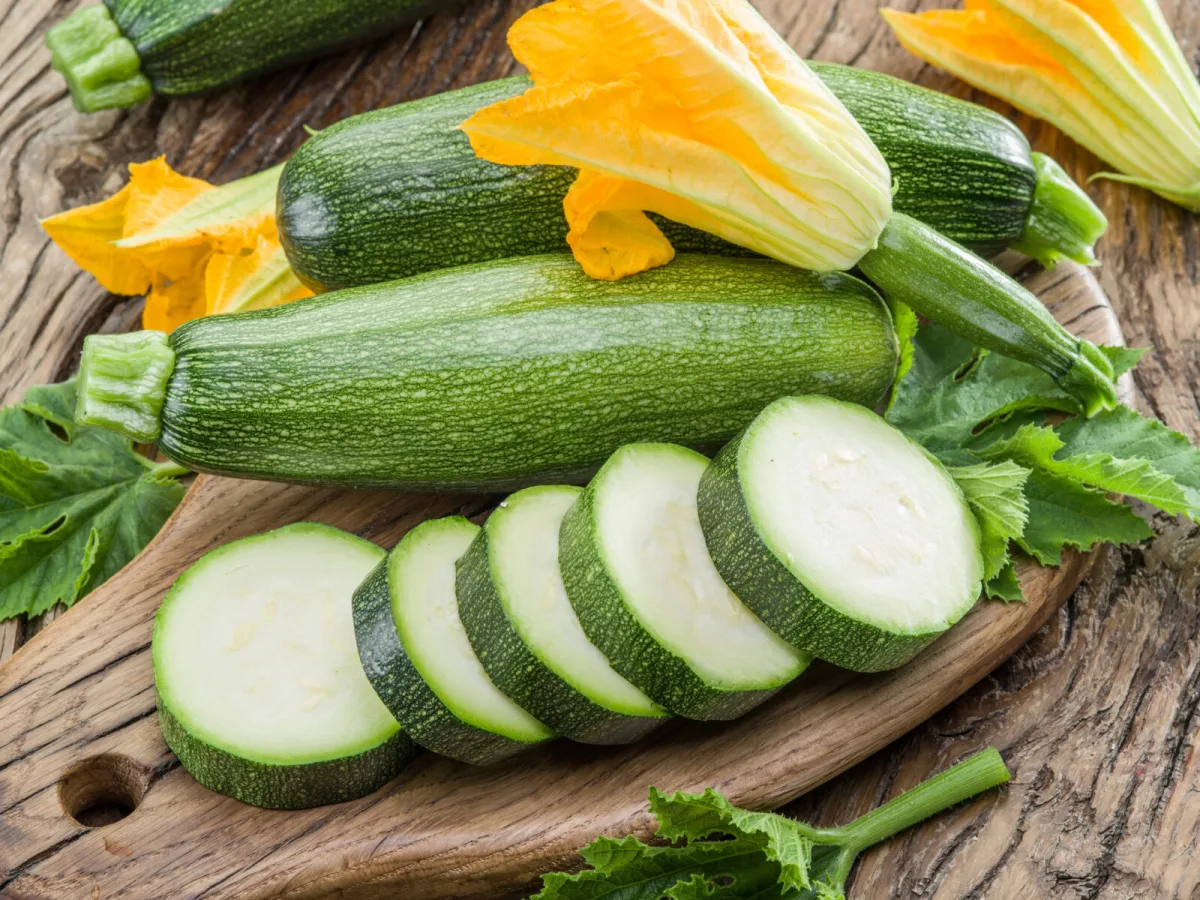
You grow nice courgettes or cucumbers, they look healthy and fresh, but the first taste is a disappointment. Some fruits have a strong bitter aftertaste, similar to what sometimes appears in cucumbers. At that point it’s worth paying attention, because it’s not just an unpleasant flavour, but also a potential health risk.
The bitterness comes from a plant’s defensive compound
Bitterness doesn’t affect only courgettes and cucumbers; it often shows up in squashes and gourds as well. The cause is a substance called cucurbitacin, a plant toxin that can build up in the fruit when the plant isn’t growing under ideal conditions. The purpose of this bitter compound is protection: the plant uses it to defend itself against pests and herbivores, which dislike the taste and are meant to be put off by the fruit.
The most common trigger is stress and weather swings
Cucurbitacin levels rise mainly when the plant is under stress. Most often this is due to poor watering: either prolonged drought or, conversely, waterlogging. Irregular watering is also a problem, when the plant alternates between dry spells and sudden heavy watering. Weather extremes can contribute too, such as heatwaves, sharp cold snaps, or big temperature differences between day and night.
Where the bitterness is usually strongest
The highest concentration of bitter compounds is usually in the skin and at the ends of the fruit. That doesn’t mean it’s enough to peel the courgette or trim off the tips. If it tastes bitter from the first bite, take it as a warning and don’t eat the fruit.
It’s best not to eat bitter fruits
Because cucurbitacins are toxic, bitter courgettes, cucumbers and squashes are strongly not recommended for eating. They can cause unpleasant digestive upsets, and the risk isn’t worth it. Before cooking or processing, it’s sensible to taste each fruit, especially if it’s from your own harvest. Young courgettes should taste mild, sometimes even slightly buttery, without a sharp bitterness.
The myth about salting and “sweating” doesn’t work
Online you’ll often see advice that you can heavily salt a bitter courgette and let it “sweat” to remove the bitterness. That’s misleading. Cucurbitacins are very stable; they aren’t broken down by heat, boiling or baking, and certainly not by salting alone. If you come across a bitter one, the safest option is to discard the entire fruit without compromise, ideally into the compost.
How to prevent bitterness in the next harvest
The good news is that with the right growing practices you can greatly reduce the risk. It helps to choose modern hybrid seed, which has been bred so that bitter compounds stay mainly in the leaves and almost never move into the fruit. Regular, even watering at the root zone is also important, ideally without wetting the foliage and without the soil swinging between drought and overwatering. It also pays to harvest fruits young, ideally at around 20 to 25 cm long, because these most often retain the typical mild flavour.
Source: Záhrada, Jídlo, Pestrazahrada.cz

A lover of nature, gardens, and everything that moves, blooms, or grows. He literally grows everything, from herbs to rare species, and he enjoys caring for animals just as much. In his work, he connects modern technology with tried-and-tested grandmotherly methods and is happy when both paths lead to the same goal.
Related articles
Why the Tree That Feeds a Family for Generations Is Disappearing from Czech Gardens
The English walnut used to be a staple of larger gardens and farmyards, valued for its nutritious nuts and many practical uses. With the right site and variety, it remains one of the most rewarding long-lived trees you can plant.

How to Get Rid of Mice and Rats in the House, Loft and Garden Effectively
Mice and rats don’t leave quietly—scratching sounds, droppings and gnaw marks are clear warnings. A lasting solution comes down to three steps: block entry points, remove food sources, then use traps or professional control.
Two Mistakes When Harvesting Onions Can Cut Your Supply by Months
With good growing and the right handling, onions can turn into a near year-round pantry staple. These simple harvest and curing steps determine whether they keep for weeks or for months.
Comments (0)
Be the first to comment.