
 English
  Polski
  Deutsch
  Nederlands
  Svenska
  Norsk
Norsk  Dansk
Dansk  Français
  Italiano
  Español
  Português
  Slovenčina
  Suomi
Suomi  Gaeilge
 September Tomato Dieback Can Be Reversed With the Right Approach
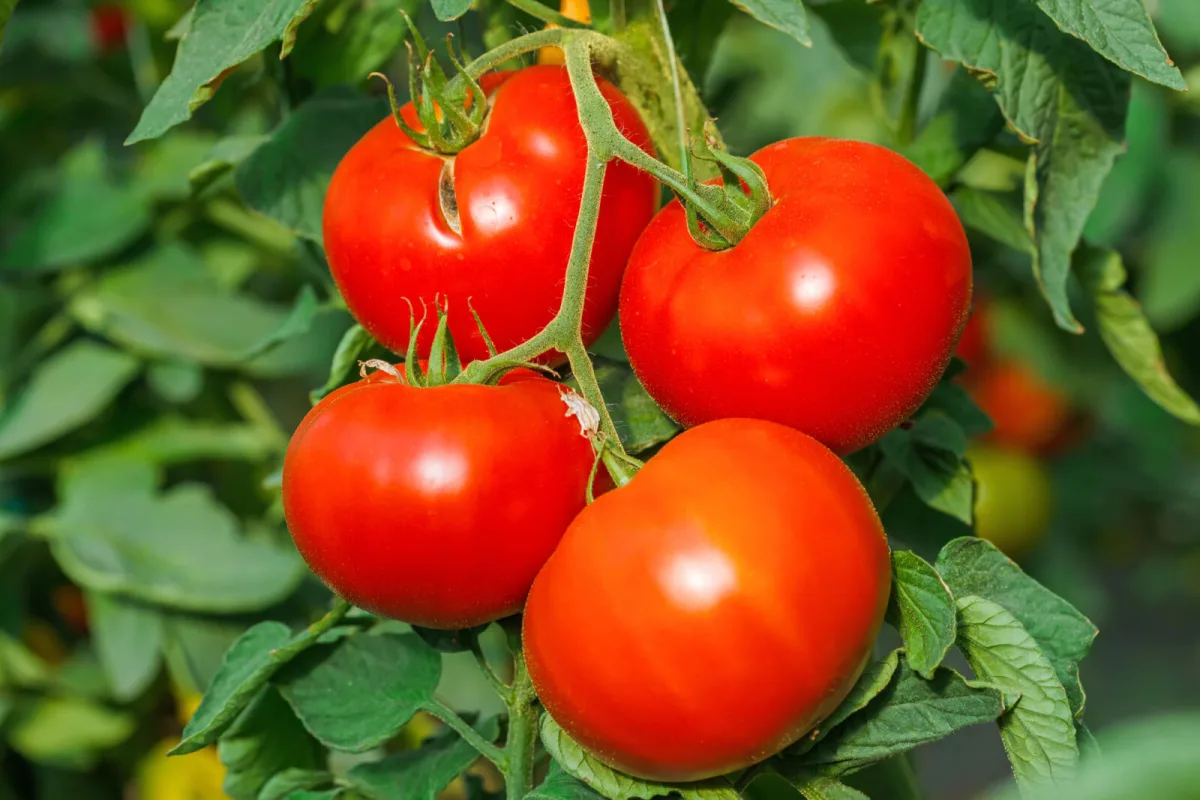
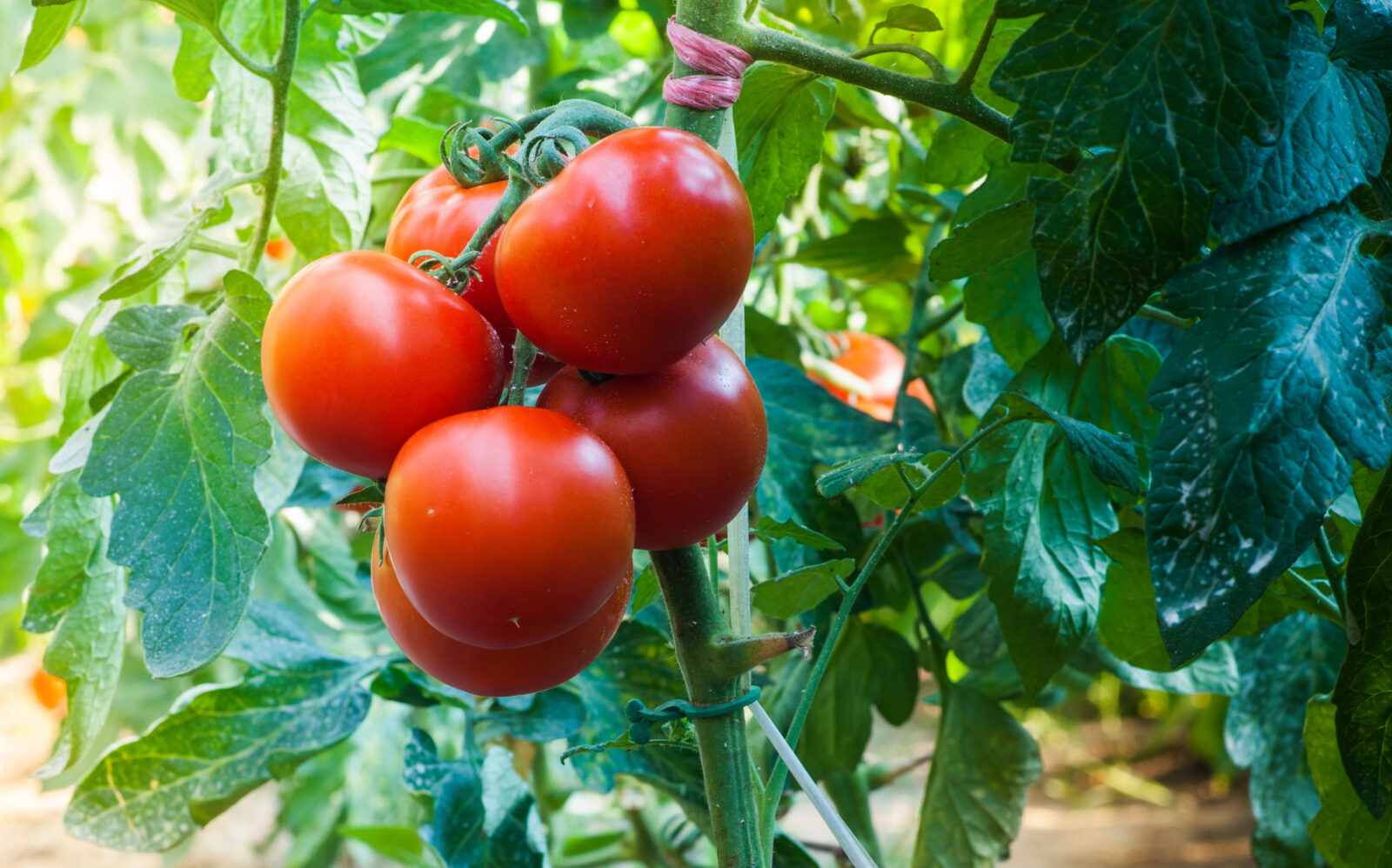
At the beginning of September, the same scene repeats itself in many gardens: tomato leaves turn yellow, some fruits shrivel, and the plants look tired. It’s easy to assume the cause is irregular watering, weak feeding, or pinching out side shoots too late. Often, though, it’s not a care failure at all, but a trait the plant carries from seed.
What matters most is the genetically determined growth habit. Some varieties have their season programmed for a shorter, concentrated harvest; others can flower and set new fruit continuously and keep going until cold weather or frost stops them. If you want to be picking in October, you need to know which group your tomatoes belong to.
Determinate varieties have a built-in end to the season
Determinate tomatoes, often described as bush types, grow differently from cordon tomatoes. Their main stem ends in a flower truss, which naturally stops upward growth. At that point, the plant reduces further flowering and focuses its energy on ripening the fruit already set.
The result is a short, intense harvest period. Fruits typically ripen over a few weeks, then the plant ages more quickly, leaves yellow and dry off, and productivity drops away. In practice, many bush varieties have already used up a large part of their season by early September.
Typical examples include Roma, valued for its meaty fruits ideal for sauces and preserving, or Celebrity, known for setting plenty of larger fruits. They’re excellent for a focused summer harvest—just don’t expect them to keep cropping deep into autumn.
What care can (and can’t) change with determinate tomatoes
With bush types, you can’t expect watering, feeding, or further pinching out to force new flowers if the plant’s growth program is already heading toward the end of the season. It makes more sense to support good ripening of what’s already on the plant and harvest in time ahead of cold nights.
Indeterminate tomatoes crop continuously until frost
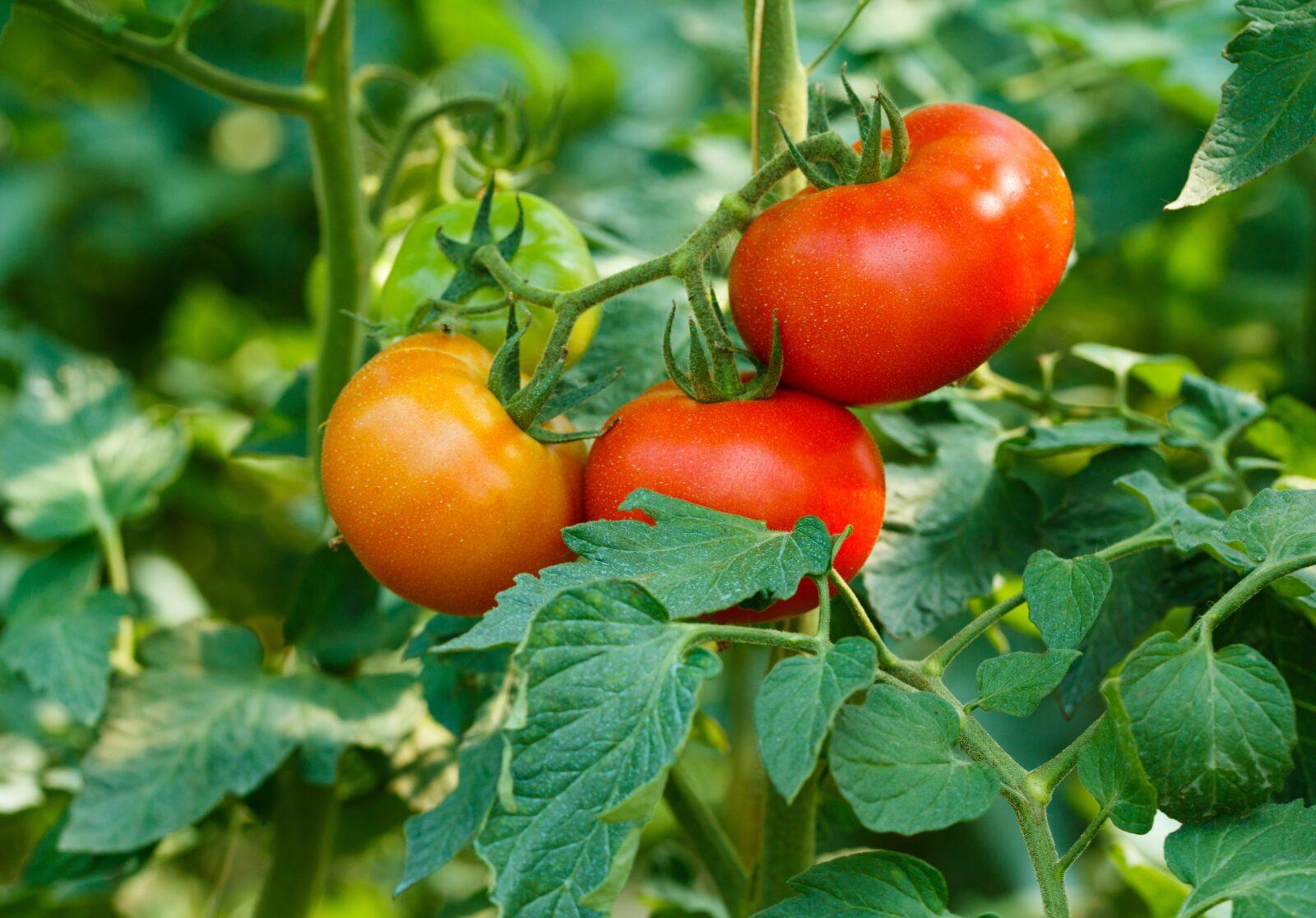
Indeterminate varieties—classic cordon tomatoes—behave the opposite way. Their main shoot doesn’t end in a flower truss; it keeps growing, forming new trusses as it goes, and flowering for as long as temperatures remain acceptable. With good care, they can provide fresh fruit well into autumn.
This group also includes modern varieties bred for outdoor growing and improved disease tolerance. Well-known examples include Primabella, described as a variety that can crop right up to frost and also valued for strong resistance to late blight. It has smaller fruits around cocktail tomato size and copes with less-than-ideal conditions.
Sunviva is another cordon type, this time with yellow cherry fruits, and Resibella offers slightly larger fruits with a pronounced flavour and good tolerance of fungal diseases. There are many other outdoor cordon cultivars—when choosing, you simply need to look specifically for an indeterminate type.
How to identify the growth habit when it’s missing from the packet
Here, gardeners often run into a practical problem: small seed packets are typically required to show mainly identification and quality information, but growth habit isn’t among the commonly mandated details. So it can happen that you buy a variety without clear labelling and only discover its true nature during the season.
Clues you can use to decide at the point of purchase
The quickest way is to look for the terms determinate or indeterminate in an online shop description or catalogue. Wording such as bush and climbing can also help—bush types versus cordon types. The growing notes matter too: if it mentions compact growth suitable for containers, it’s often determinate, while advice that you must pinch out side shoots and tie the plant in usually points to indeterminate varieties. Height is another clue: bush tomatoes often top out at roughly 60 to 120 cm, while cordon types commonly exceed 2 m.
If you want to harvest for as long as possible, confirm the growth habit before you buy—ideally from the breeder or a detailed product description.
September steps that genuinely extend the harvest for cordon tomatoes
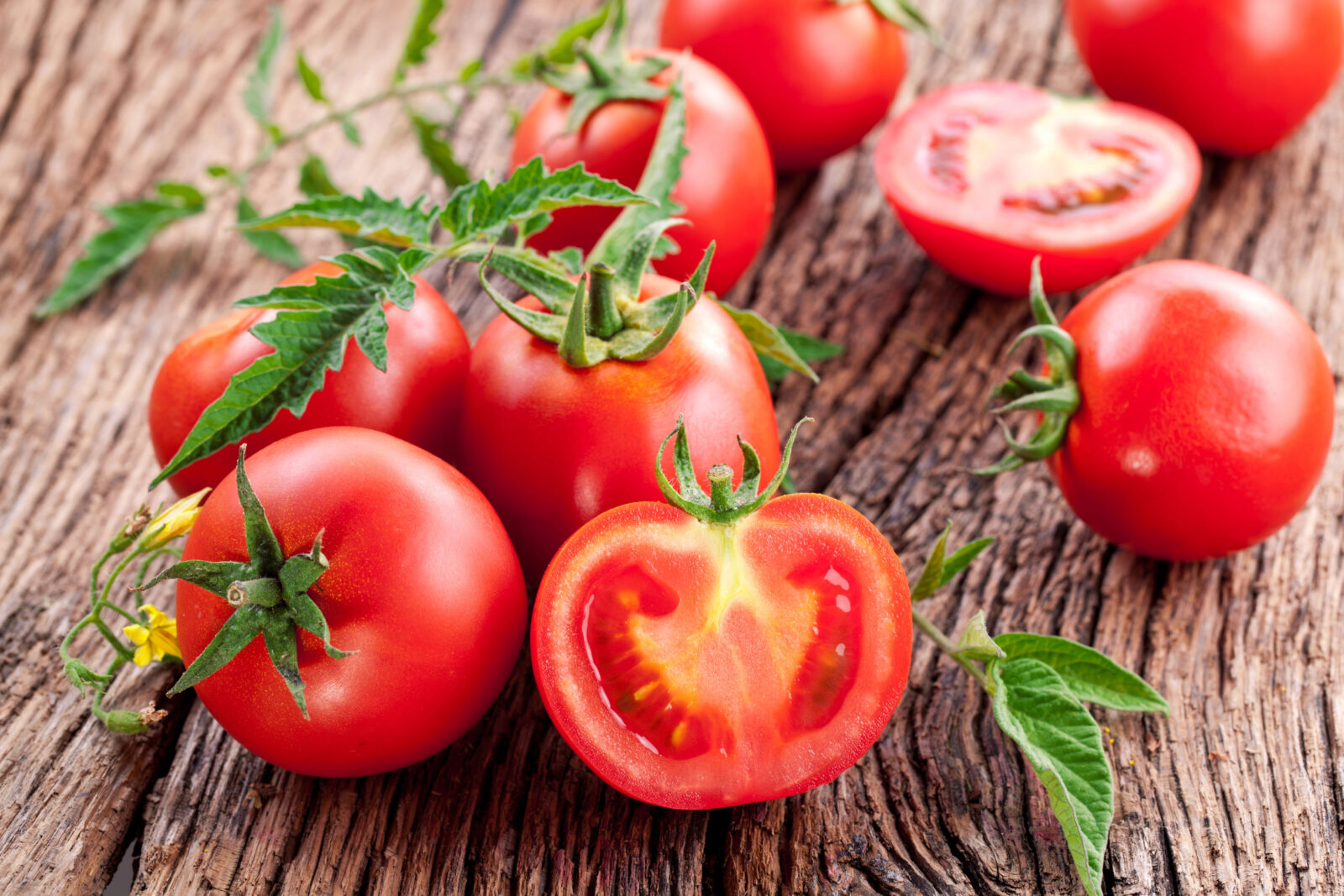
With indeterminate tomatoes, an autumn intervention makes a big difference. If the plant keeps investing in growth and setting new flowers, late fruits won’t have time to ripen. In September, it’s practical to stop further extension growth and redirect the plant’s energy into colouring up and ripening the tomatoes already set.
Pinching out the growing tip and sensible leaf removal
It works well to cut back the main stem above the last truss you intend to keep; often this is around the sixth or seventh truss, depending on the plant’s vigour and the length of the season in your area. Leaf removal should be fairly modest: remove mainly the lower leaves that are no longer doing much, while the upper foliage helps protect fruit from harsh sun and keeps growth balanced.
When to stop feeding based on the expected first frost
At the end of the season, it pays to stop feeding about four weeks before the expected first frost. The timing varies by location. In warmer lowland areas, it may be realistic to push the last feed closer to late September, while in cooler sites it makes sense to stop by mid-month and prepare to protect plants on cold nights.
If you’re growing in a polytunnel or under cover, you can extend the season by several more weeks. With varieties that are genetically able to keep cropping, that head start shows very clearly.
What to do with fruits that won’t ripen outdoors
As soon as frost is forecast, it’s safer to pick even fruits that aren’t fully coloured. Tomatoes that are moving from deep green to a lighter shade, or starting to turn pale, blush, or pink, usually ripen well indoors in a single layer at room temperature.
The fridge isn’t suitable, because cold can dull flavour and aroma. Hard, fully green fruits with an even green colour are less likely to develop full flavour, so they’re more often used for pickling or chutney.
The end-of-season difference between bush and cordon tomatoes
With determinate varieties, bringing the last fruits indoors helps save the crop from frost, but don’t expect fresh growth or new fruit set. By contrast, indeterminate plants grown in containers can keep going for a while after being moved to a sheltered, bright spot—such as a glazed balcony—provided they have enough warmth and light. This is where it becomes most obvious how crucial it is to choose the right growth habit when buying seed.
Source: DUG, The Spruce, Pestrazahrada.cz

A lover of nature, gardens, and everything that moves, blooms, or grows. He literally grows everything, from herbs to rare species, and he enjoys caring for animals just as much. In his work, he connects modern technology with tried-and-tested grandmotherly methods and is happy when both paths lead to the same goal.
Related articles
Next year you can harvest better if you don’t sow carrots where they won’t thrive
Carrot root fly can ruin carrots, parsley and celery from the inside out, often without obvious warning until harvest. Better site choice, rotation, later sowing and simple physical barriers can dramatically cut damage next season.
How to Propagate Roses from Cuttings at Home and Fill Your Garden with Blooms Almost for Free
Want more roses without paying for new plants? With a few healthy cuttings and a simple plastic-bottle mini greenhouse, you can root new bushes at home in just a few weeks.
Heathers can cope where other plants won’t, but one soil detail decides everything
Heathers and heaths are tough evergreen shrubs that can flower across the seasons when you choose the right types. Success hinges on matching the plant to your soil pH and ensuring free drainage.
Comments (0)
Be the first to comment.