
 English
  Polski
  Deutsch
  Nederlands
  Svenska
  Norsk
Norsk  Dansk
Dansk  Français
  Italiano
  Español
  Português
  Slovenčina
  Suomi
Suomi  Gaeilge
 What Your Vegetable Garden Really Needs in Summer for a Heavy Harvest
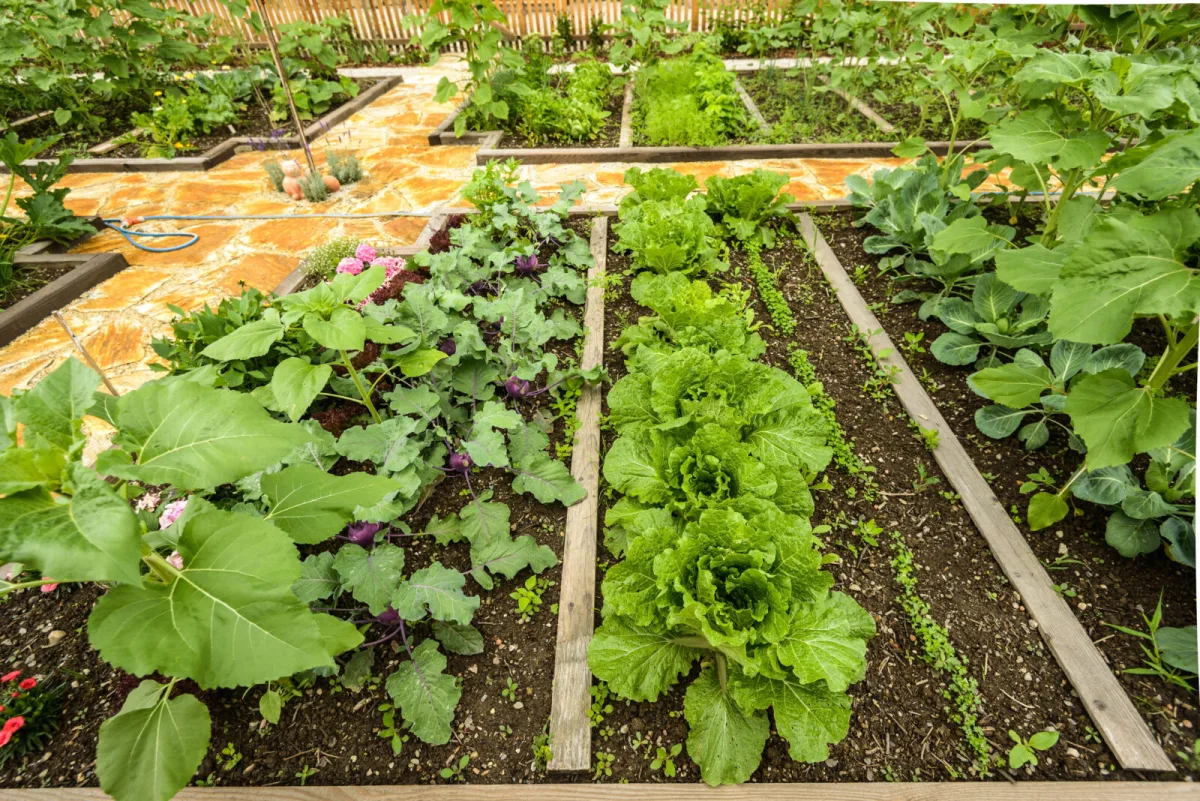
The start of summer is a period of rapid growth, when vegetables use a lot of water and nutrients. Regular watering is the foundation, but consistently high yields also depend on feeding and sensible prevention of diseases and pests. The ideal approach is nutrition that doesn’t just help the plants, but also improves the soil at the same time—supporting humus formation and the ability to hold moisture and nutrients.
In the growth phase, plants especially appreciate nitrogen. Mineral fertilisers work quickly, but organic inputs have the advantage of enlivening the soil over the long term. A great option is fermented plant extracts—often called “plant teas”—which, besides basic nutrients, also add trace elements and compounds that support the vigour of the crop.
Nettle tea as a homemade elixir
The best-known is nettle tea, rich in nitrogen. It’s best made from young nettles, which are full of energy but not yet producing ripe seed, so you won’t accidentally spread them around your beds.
Put the nettles into a plastic or earthenware container; metal isn’t suitable because of corrosion. Fill the container to about three quarters with lightly packed material and pour in rainwater so the plants stay submerged. If they float up, you can weigh them down. Fermentation usually takes two to four weeks; stir and aerate the brew occasionally. Chopping the material speeds the process.
Once it stops foaming and darkens, it’s ready. The leftover plant material is handy to add to the compost. Before use, always dilute the tea—up to a ratio of 1:50 is fine—and feed about once a week. Evening is best, or during rain or after it, not in strong sun.
Expect a smell. The container should stay open for oxygen access, but it’s sensible to cover it with a grate or mesh so birds or other small animals don’t fall in.
Use weeds and other herbs too
Nettles aren’t the only option for plant teas. Fruiting vegetables often benefit from comfrey tea with a higher share of potassium, and horsetail tea is also useful thanks to its silica content, which helps strengthen plants. You can also use common weeds, as long as they haven’t set seed yet. Some medicinal plants can be added too, for example chamomile, traditionally used as a gentle support against fungal issues.
Milder teas with a lower nitrogen content can, after thorough dilution, also be used as a foliar spray. The key is always to choose a gentle concentration to avoid scorching the foliage.
When flowers and fruit set, add phosphorus
When vegetables shift from leafy growth to forming flowers, it’s a good time to adjust feeding. You can keep using plant teas, but to support flowering and fruiting, fermented poultry manure is excellent, as it also supplies phosphorus—often a limiting element for fruiting crops.
Never use fresh manure; it’s far too strong. Let it ferment in water for about three weeks in a plastic container—roughly one third manure and the rest water. Before applying, dilute at least 1:10, preferably more, and feed once a week in the evening. If you don’t keep poultry, you can use pellets or a liquid concentrate instead.
Mulch, moisture, and gentle disease protection
Some crops, such as courgettes, spend a lot of energy on large leaves and continuous flower and fruit production, so they need regular feeding and, above all, steady moisture. Adequate water also reduces stress and can limit the development of problems such as downy mildew on cucumbers, which in heat and drought shows up as a greyish coating on leaves and then plants begin to struggle.
Mulch helps retain moisture, while also supporting soil life and humus formation. However, don’t pile mulch right up against the plant crown; in damp conditions it can rot. If the first signs of disease appear, removing the most damaged leaves helps, followed by treatment with gentle products based on plant oils and milk proteins, or products containing beneficial microorganisms. A common advantage is being able to harvest quickly without long withholding periods.
If yellow patches appear on leaves and the plant starts to become stunted, it may be a viral mosaic. This usually can’t be cured, and it’s better to remove affected plants. That’s why it makes sense to reduce vectors, especially aphids, and at the same time encourage their natural enemies.
Allies against aphids—and why to protect them in the garden
Ladybirds, lacewings, hoverflies, and earwigs can significantly reduce aphid pressure. If they thrive in your garden, plant health improves without unnecessary chemicals. With ladybirds, it’s also helpful to think about overwintering—simply leave a pile of leaves and small branches in a corner of the garden, or a patch of uncut grass, or a richly planted, mulched perennial bed.
On tomatoes, similar gentle products are useful as a preventative against late blight. It’s also true that unnecessary leaf wetness increases the risk on tomatoes. With cucumbers it’s often the opposite: a morning sprinkle over the leaves can reduce spider mites and powdery mildew, but it’s important that the foliage dries by evening. Tomatoes and cucumbers also tolerate a heavier mulch, because they can form roots from the stem.
Strawberries, pollination, and clean fruit without rot
With late and everbearing strawberries, it pays to carefully loosen the surface and remove weeds, then add mulch. Straw, hay, pine needles, or dry leaves all work well. The layer protects roots from drying out, slows weeds, and most importantly keeps the berries clean so they aren’t sitting on wet soil and rotting. In dry weather, water strawberries deeply so the fruit can size up. Feeding with a liquid organic fertiliser, such as well-diluted fermented poultry manure, will support the crop.
Sweet strawberries also need good pollination. A diverse, flowering garden will attract bees and bumblebees, which help not only strawberries but also squash, cucumbers, peppers, tomatoes, and fruit. Without pollinators, you won’t be able to save your own seed from many crops either—for example carrots, cabbage, kale, leeks, parsley, or chives.
Potatoes, earthing up, and watch out for Colorado potato beetle
Potatoes benefit from earthing up with soil or mulch, because it encourages tuber formation. In warm, rainy periods, late blight is a threat; it shows as dark patches on the haulms and later can reach the tubers as well. One preventative measure is not overdoing nitrogen fertilising. On smaller plots, Colorado potato beetle is best controlled by hand-picking adults and larvae—just take care not to confuse them with ladybird pupae, which are beneficial.
Watering, hoeing, and weeds as useful mulch
In dry weather, young seedlings often need regular, sometimes even daily watering until they’re well established. Once roots are stronger and the soil is in good condition, it’s enough to water less often but more deeply, so the moisture reaches down into the root zone. With fresh sowings and germinating plants, even moisture is crucial, because they dry out quickly.
Remove weeds by shallow hoeing or slicing them off just below the surface—this also aerates the soil. Overgrown weeds steal water, light, and nutrients from vegetables and quickly go to seed. If they don’t have seed yet, you can leave them in place on a sunny day as mulch, covering the soil and gradually breaking down. Perennial weeds with long roots are better dug out deliberately so they don’t simply multiply.
Source: The Spruce, Almanac, Pestrazahrada.cz

A lover of nature, gardens, and everything that moves, blooms, or grows. He literally grows everything, from herbs to rare species, and he enjoys caring for animals just as much. In his work, he connects modern technology with tried-and-tested grandmotherly methods and is happy when both paths lead to the same goal.
Related articles
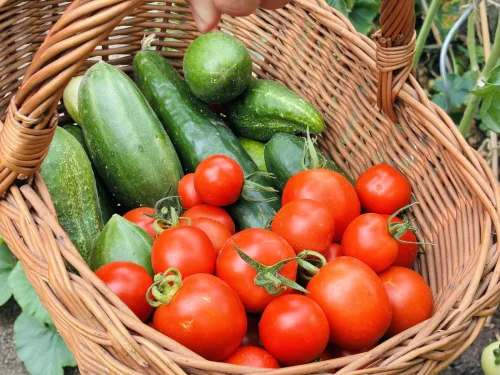
The More Often You Harvest, the Longer Plants Keep Cropping
With fruiting vegetables, frequent picking keeps plants flowering and producing for longer. A few crops, such as aubergines, are tastiest when harvested slightly earlier rather than fully mature.
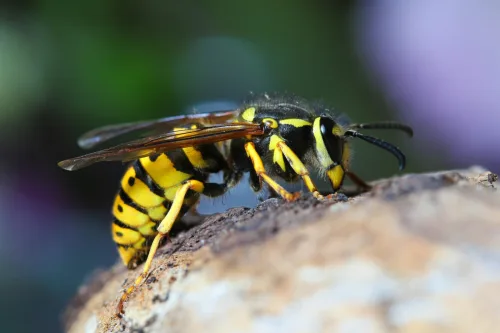
Wasps Aren’t Just a Barbecue Menace They Can Ruin Your Garden Woodwork Too
Weathering isn’t always the main culprit behind damaged outdoor timber. Wasps can scrape fibres from boards and beams surprisingly fast, leaving grooves that soak up water and accelerate decay.
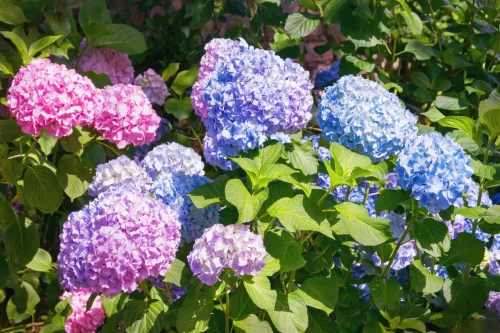
Why hydrangeas wilt in summer even when watered and how to save them fast
Hydrangeas can look limp in hot weather even if you’ve been watering faithfully. The key is to check what’s happening in the root zone, then adjust watering, shade and mulching so the plant can actually use the moisture available.
Comments (0)
Be the first to comment.