
 English
  Polski
  Deutsch
  Nederlands
  Svenska
  Norsk
Norsk  Dansk
Dansk  Français
  Italiano
  Español
  Português
  Slovenčina
  Suomi
Suomi  Gaeilge
 The inconspicuous garden beauty that’s long been banned and can land you a fine
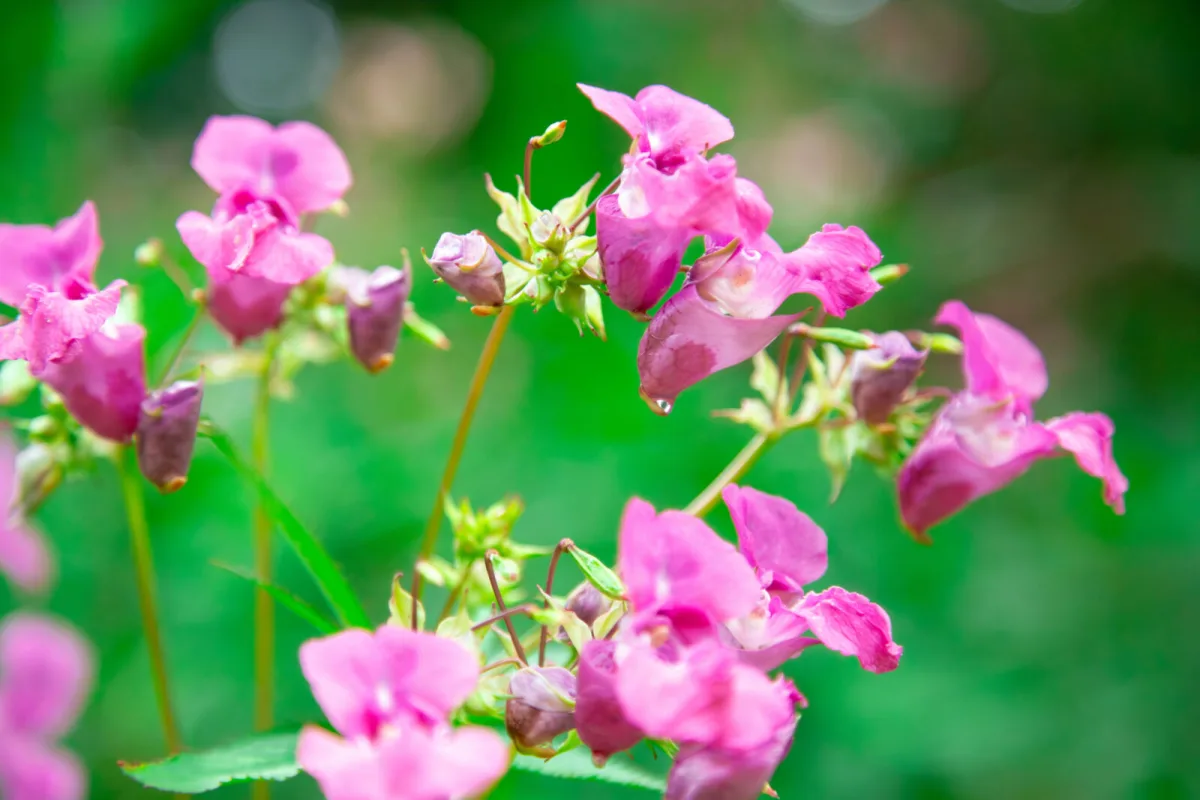
At first glance, the Czech landscape looks natural and tranquil, but some species found in it aren’t native and can spread far more quickly than local plants. That’s exactly why many European countries have strict rules for species that people here often take as a normal part of nature. It’s not about toxicity or a direct threat to people, but about impacts on habitats, land management and the diversity of plant communities.
Himalayan balsam and its route into Europe
Most often, people talk about Himalayan balsam, a showy flowering plant many know from walks along rivers and streams. It originates in the Himalayas and reached Europe in the 19th century. Back then it was valued as an ornamental and also as a nectar-rich plant for bees, so it was planted and gradually escaped into the wild. In the Czech Republic today, you’ll most easily find it along larger rivers and streams, in damp places and on floodplains, where it has ideal conditions.
Why it’s considered invasive and what it causes
The problem with Himalayan balsam isn’t that it’s toxic, but that it behaves as an invasive non-native species. It can colonise space quickly, grow at very high density and form continuous stands. This suppresses germination and growth of native plants, which then lose out in competition. The result can be a loss of species richness in places where a more varied mix of local species used to grow.
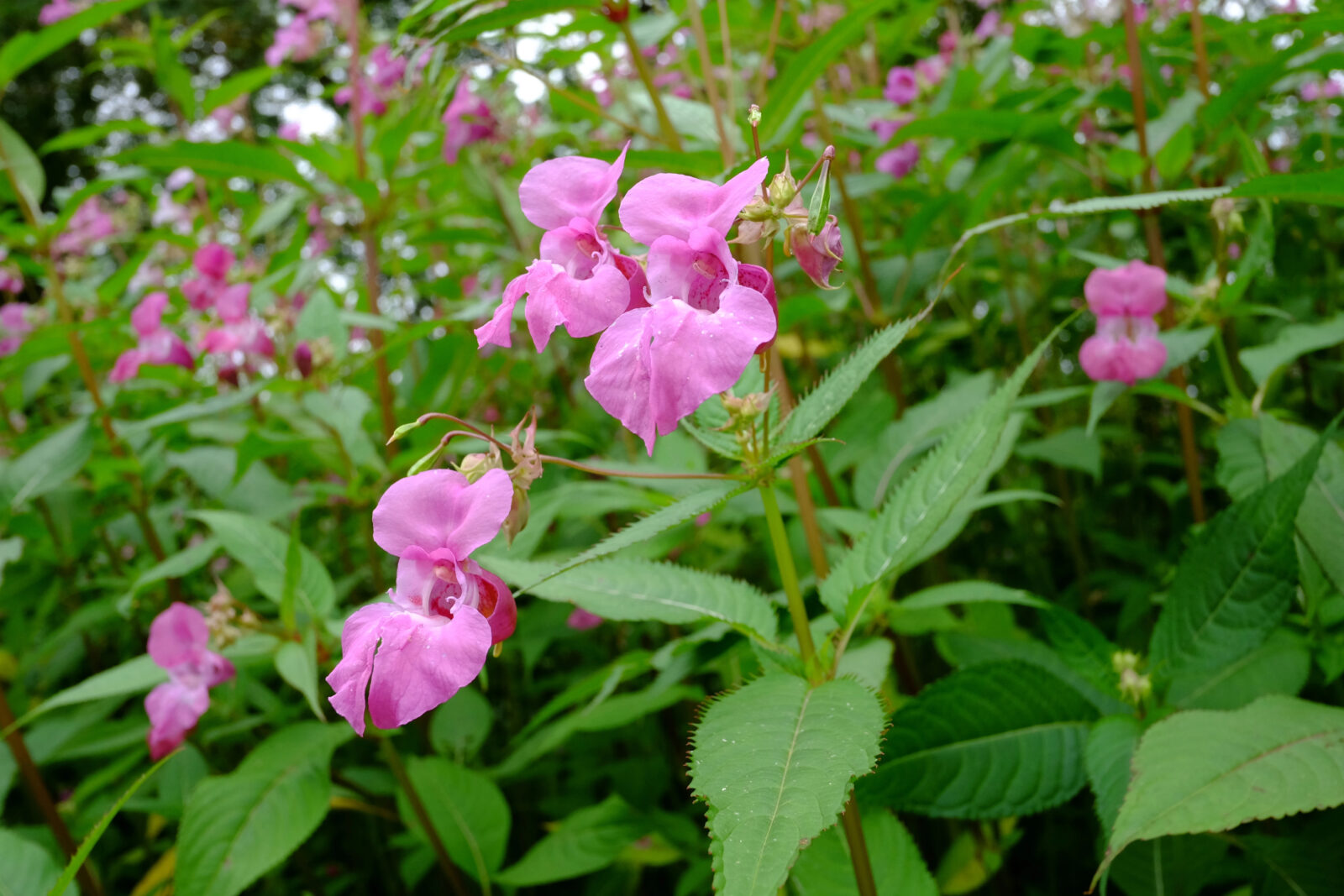
Once it establishes in a spot, it changes both the character of the vegetation and how the site functions. Land managers then have to spend time and money on control measures to keep valuable areas from turning into a uniform strip of balsam. Those costs and the pressure on biodiversity are among the main reasons why many European countries strictly limit its cultivation and spread.
How Himalayan balsam spreads and why watercourses are high-risk
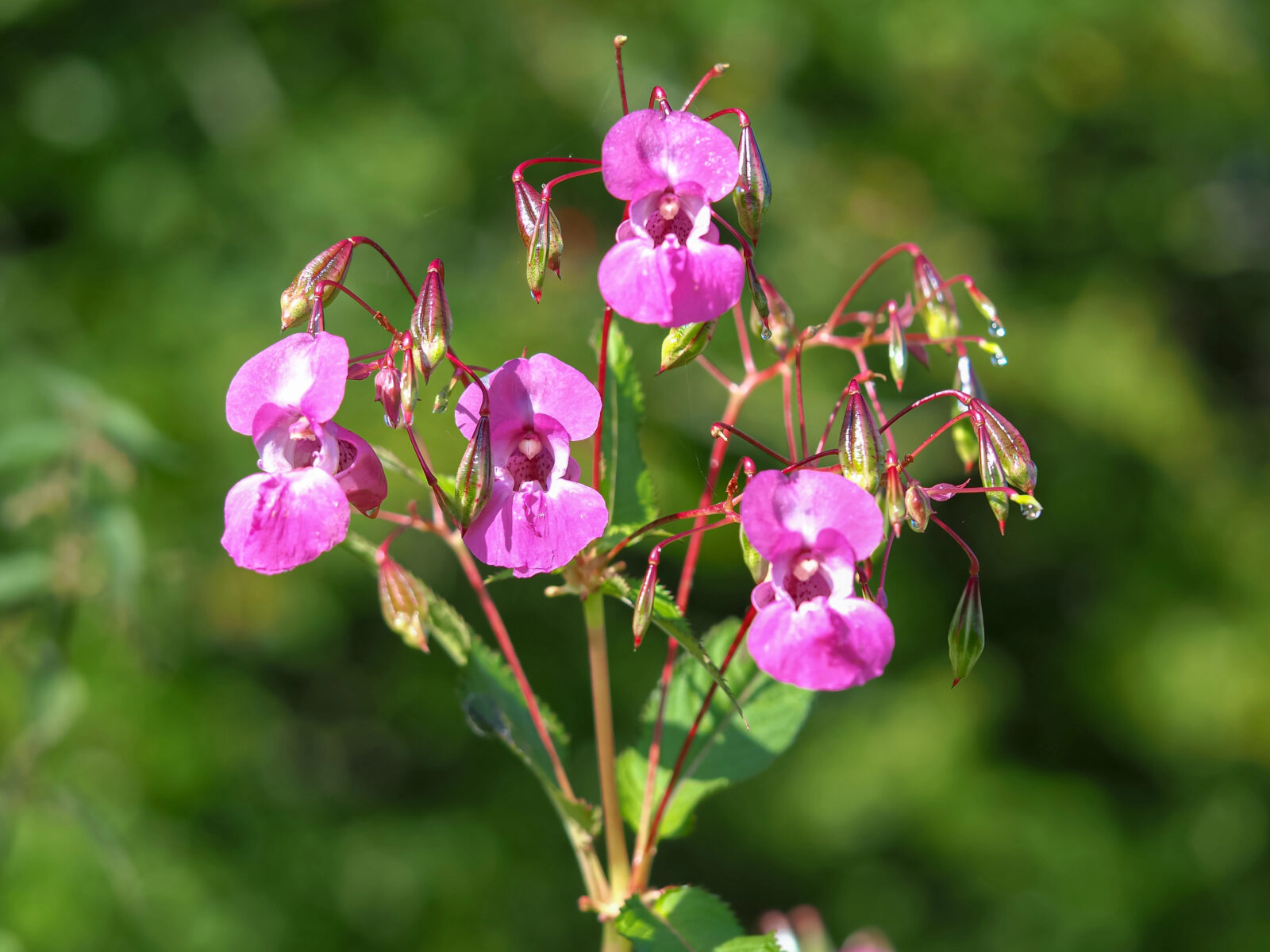
Himalayan balsam has a very effective way of reproducing. It forms plenty of seed pods that burst open explosively when touched. The seeds are literally fired into the surroundings, even several metres away. Even more important, though, is dispersal by water. When seeds fall into a stream, they can be carried far downstream, allowing the plant to reach new sites over distances of kilometres. That’s why you so often encounter it along rivers, where it spreads fastest.
What measures are used across Europe
In countries that want to keep its presence under control, the approach mainly goes in two directions. The first is prevention, meaning an effort to stop the species establishing where it isn’t present yet. The second is targeted removal in sites of high nature value, where its dominance would cause the greatest damage.
Removal and practical advice for gardens
In practice, Himalayan balsam is often removed by hand, either pulled up or dug out. The key is to act early and reduce seed production as much as possible, because seeds are what drive its rapid spread, especially if they reach water. If you find it in your garden or near a stream, it’s worth tackling it straight away and not letting it set seed. You’ll protect not only the surrounding countryside, but also your own plantings, which its vigorous growth can gradually push out.
Source: MZP, Kvetena ČR, iReceptář, iDnes, Pestrazahrada.cz

A lover of nature, gardens, and everything that moves, blooms, or grows. He literally grows everything, from herbs to rare species, and he enjoys caring for animals just as much. In his work, he connects modern technology with tried-and-tested grandmotherly methods and is happy when both paths lead to the same goal.
Related articles
Why the Tree That Feeds a Family for Generations Is Disappearing from Czech Gardens
The English walnut used to be a staple of larger gardens and farmyards, valued for its nutritious nuts and many practical uses. With the right site and variety, it remains one of the most rewarding long-lived trees you can plant.
How to Get Rid of Mice and Rats in the House, Loft and Garden Effectively
Mice and rats don’t leave quietly—scratching sounds, droppings and gnaw marks are clear warnings. A lasting solution comes down to three steps: block entry points, remove food sources, then use traps or professional control.
Two Mistakes When Harvesting Onions Can Cut Your Supply by Months
With good growing and the right handling, onions can turn into a near year-round pantry staple. These simple harvest and curing steps determine whether they keep for weeks or for months.
Comments (0)
Be the first to comment.