

Peppers Aren’t Flowering as Expected, Here’s How to Get Them to Set Fruit
Pepper plants can look lush and healthy yet refuse to flower or set fruit. Check temperature, sunlight, feeding, watering stability and pollination to get them back on track.
Peppers don’t necessarily have to end up on the compost heap after the final harvest. With the right autumn care, a healthy plant can overwinter and crop again next season without resowing.
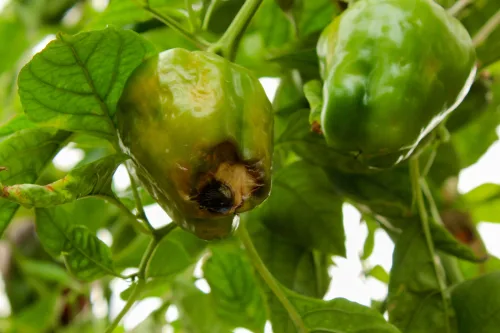
Sunken brown patches on the blossom end of peppers are usually a physiological disorder, not an infectious disease. With steadier watering, mulching, shade and targeted calcium support, the next fruits can still ripen well.
In the greenhouse, peppers can look healthy yet stop flowering and setting fruit in midsummer. One grower swears by a bold cut-back to trigger fresh growth and a second crop through autumn—if conditions are right.
Sweet peppers are easy to grow when you get the timing, warmth, and watering right. Learn the most common mistakes—plus practical fixes—for healthier plants and heavier harvests.
Regular watering and feeding aren’t always enough for a heavy pepper crop. Pinching out the growing tips redirects the plant’s energy into branching, flowering, and ripening fruit faster.
Peppers don’t keep producing thanks to one magic feed, but because their light, warmth, watering, nutrition and disease prevention are kept consistent. Get those basics right and they can crop reliably right through to autumn.
Sweet peppers are generous plants when given warmth, sun, consistent moisture and the right feeding. Learn when to plant, how to prevent growth checks and disease, and how to harvest for the best colour and flavour.
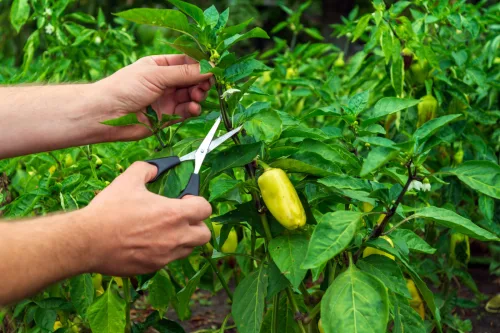
Pepper plants produce side shoots that drain energy and reduce fruit size. With simple, regular pruning and an easy homemade feed, you can boost set, improve quality, and keep plants productive all season.
Peppers can be heavy feeders, especially when growth stalls and flowering is slow. These easy organic feeds help strengthen roots, improve fruit set, and support healthier plants without synthetic fertilisers.
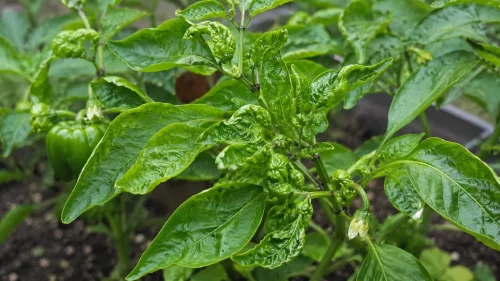
Crumpled, twisted new leaves on pepper seedlings usually point to sap-sucking pests or a calcium issue. Act quickly with careful inspection and gentle treatments to keep plants growing and fruiting well.
Peppers are easy to love, but small early mistakes with temperature, watering, and site choice can quickly lead to pests, disease, and poor crops. Learn how to spot the warning signs and prevent the most common problems.
Removing the first “crown” flower early encourages peppers to branch, building a stronger framework that can carry more flowers and fruit over the season. Done at the right stage, it often trades a slightly later first pick for a heavier overall yield.
May is the make-or-break month for peppers: timing, warmth, and steady watering decide how well they settle in and how many flowers they set. Get planting and early care right now, and you’ll be rewarded with a long, generous harvest.
Peppers reward you with a long, colourful harvest when you give them steady warmth, sun and consistent watering. These practical tips will help you choose the right variety, raise strong plants and set fruit reliably in a greenhouse, bed or container.