
 English
  Polski
  Deutsch
  Nederlands
  Svenska
  Norsk
Norsk  Dansk
Dansk  Français
  Italiano
  Español
  Português
  Slovenčina
  Suomi
Suomi  Gaeilge
 Peppers Aren’t Flowering as Expected, Here’s How to Get Them to Set Fruit
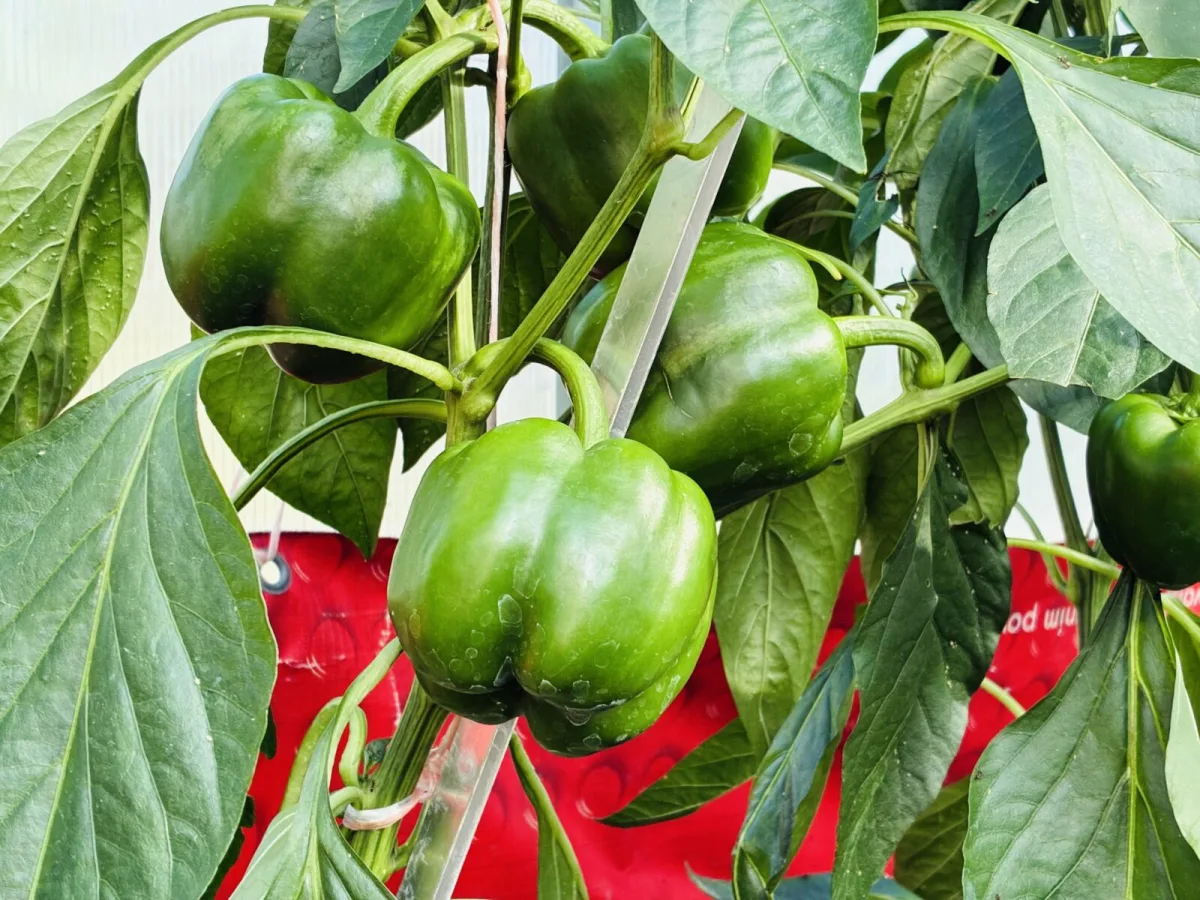
Sometimes a pepper plant in the bed or greenhouse looks perfectly happy. It has a sturdy stem, lots of leaves and seems healthy, yet there are no flowers—and no fruit either. There can be several causes, and it’s often not one mistake but a combination of conditions holding the plant back. The good news is that most problems can be spotted fairly quickly and adjusted step by step.
Temperature is the most common reason for failure
Peppers are heat-loving plants, and their willingness to flower and set fruit is closely tied to temperature. Ideally, they do best with daytime temperatures around 21 to 29 °C and nighttime temperatures around 15 to 21 °C. If nights stay cool for a long time, the plant slows growth and, instead of flowering, puts its energy into survival and leafy growth. The result is a pepper plant that won’t flower—and therefore won’t fruit.
Extended heat can be just as damaging. When temperatures consistently climb above about 32 °C, flowers may appear but often drop before pollination and fruit set can happen. The gardener then sees brief flowering with no payoff and feels like the plant isn’t producing for no obvious reason.
Planting at the right time and giving enough sun
A chilly start to the season is a common trap. Transplants should go outside only once the soil has warmed and there’s no risk of frost. Peppers also need a long season, so it often pays to plant well-started seedlings about six to eight weeks old. Light matters too: without at least six hours of direct sun a day, both flowering and fruiting drop off sharply.
Nutrition and fertilising that can hold peppers back
Another common reason peppers don’t produce is unbalanced feeding. Too much nitrogen leads to lush, dark-green, vigorous growth, but flowering and fruiting get pushed to the side. For fruit set, phosphorus and potassium are the key players. If these are lacking, peppers may flower sparsely, or flowers may fail to turn into fruit.
Peppers usually don’t need heavy fertilising. Often a small dose at planting and a second, equally modest feeding as flower buds start to form is enough. If you’re unsure what your soil is missing, a simple soil test can point to whether the issue is nutrients, pH, or the availability of certain elements.
When you overdo the fertiliser
If overfeeding has already happened and the plant is racing into leaf growth, there is a way to encourage flowering. In practice, growers use a foliar spray made from Epsom salt solution, which supplies magnesium and can support bloom production. Sometimes it’s recommended to repeat the spray after about ten days. It’s not an overnight miracle, but it can help the plant shift its growth direction.
Blossom end rot and a hidden calcium problem
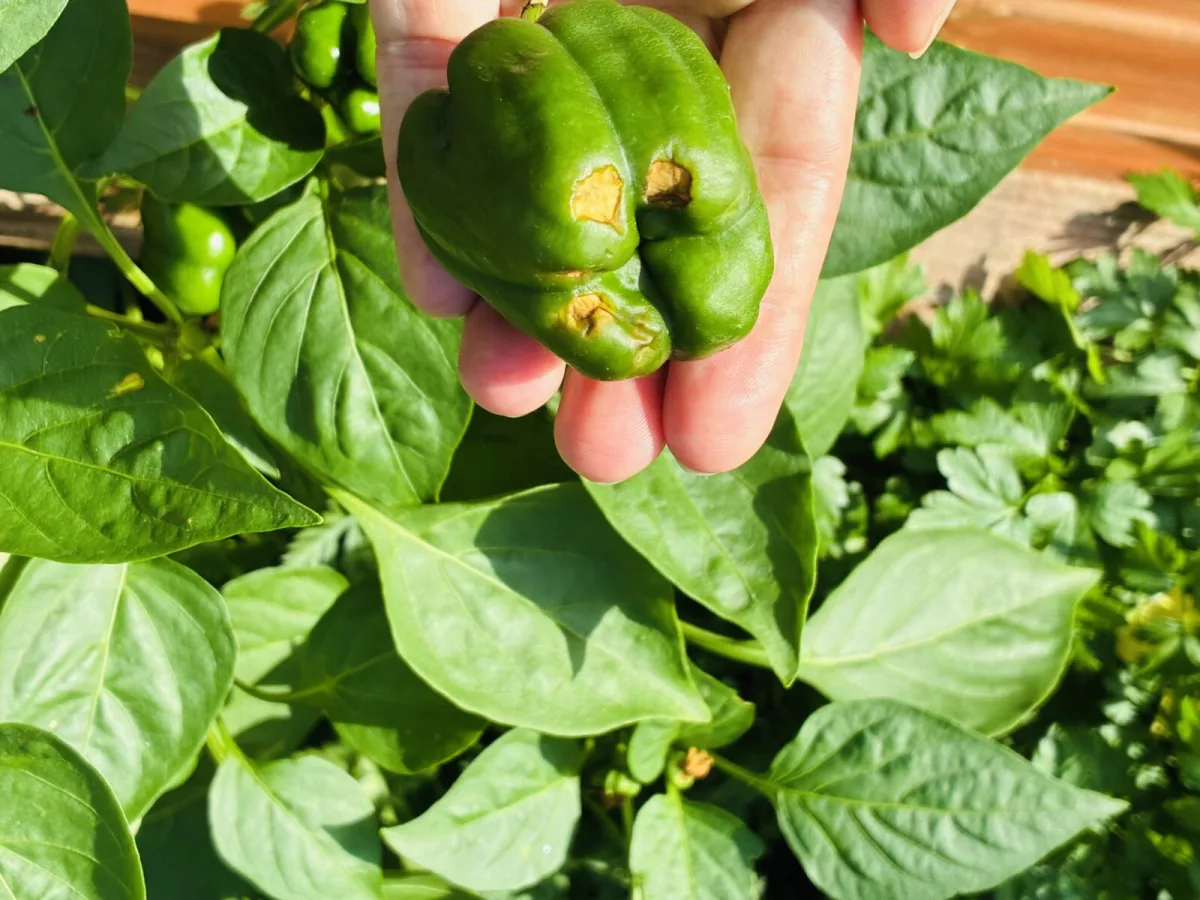
If fruit begins to form but then develops sunken, dark patches on the blossom end, the culprit is usually blossom end rot. This is linked to a lack of calcium, or to poor calcium uptake. It often worsens during periods when nighttime temperatures stay above roughly 23 °C. The result is damaged fruit and losses, so the gardener may feel the plant “isn’t fruiting” even though it’s trying.
Sometimes there is calcium in the soil, but it can’t reach the plant because of irregular watering or stress. That’s why it’s important to keep watering as steady as possible and avoid swings between waterlogged soil and drought.
Pollination that doesn’t always work out
With peppers, it can also happen that flowers are present but fruit doesn’t form because pollination is weak. In a greenhouse, on a balcony, or in still air, pollen may not move well. A gentle shake of the plant can help release and transfer pollen. If you want to be more thorough, you can support pollination by hand—using a small paintbrush, a cotton swab, or even a fingertip. It’s a simple intervention and sometimes makes the difference between no fruit and a productive plant.
Stress from weeds, pests and irregular watering
Peppers are very sensitive to stress. Weed competition, insect damage, or fluctuating moisture can cause the plant to drop flowers or to flower only minimally. It pays to keep the area around the plants clean, check regularly for pests, and water consistently. A rough guideline is about 2.5 cm of water per week, but it always depends on temperature, soil type, and whether you’re growing in containers or in the ground.
Harvesting as a simple way to encourage more fruit set
Paradoxically, harvesting more often can help. If you leave ripe fruit on the plant too long, the pepper keeps sending energy into it and slows the formation of new ones. Regular picking supports continued flowering and new fruit set, because the plant keeps working to meet its reproductive goal.
Quick recap: what to check first
If peppers aren’t flowering or fruiting, focus on temperatures, at least six hours of sun a day, balanced nutrition with an emphasis on phosphorus and potassium, steady watering, reducing stress from weeds and pests, and, if needed, improving pollination with a gentle shake or by hand.
If you adjust these conditions gradually, the odds of a heavy crop increase dramatically. Peppers can be picky, but once they have the right warmth, light and a consistent care routine, they usually reward you with regular flowering and reliable fruit set.
Source: Gardening Know How, Almanac , Pestrazahrada.cz
Related articles
Don’t Prune Hydrangeas in October
Tidying the garden in autumn is tempting, but October pruning can cost your hydrangeas next year’s flowers. Only two light interventions make sense this time of year; everything else is best left until the right season.
A Pineapple Top Will Root in Two Weeks, but Success Depends on the Step Most People Skip
Don’t throw away the leafy crown when you cut a pineapple. With the right prep, light, warmth and careful watering, you can root it and grow a houseplant that may eventually fruit.
Overwintering Geraniums in a Box Ensures Stronger Growth and More Abundant Spring Bloom
Many people throw balcony geraniums away after the season, even though they can overwinter very well. Stored correctly in a box in cool, dark, dry conditions, they’ll come back stronger and flower generously in spring.
Comments (0)
Be the first to comment.