
 English
  Polski
  Deutsch
  Nederlands
  Svenska
  Norsk
Norsk  Dansk
Dansk  Français
  Italiano
  Español
  Português
  Slovenčina
  Suomi
Suomi  Gaeilge
 Most common pepper care mistakes and how to ensure a bumper crop
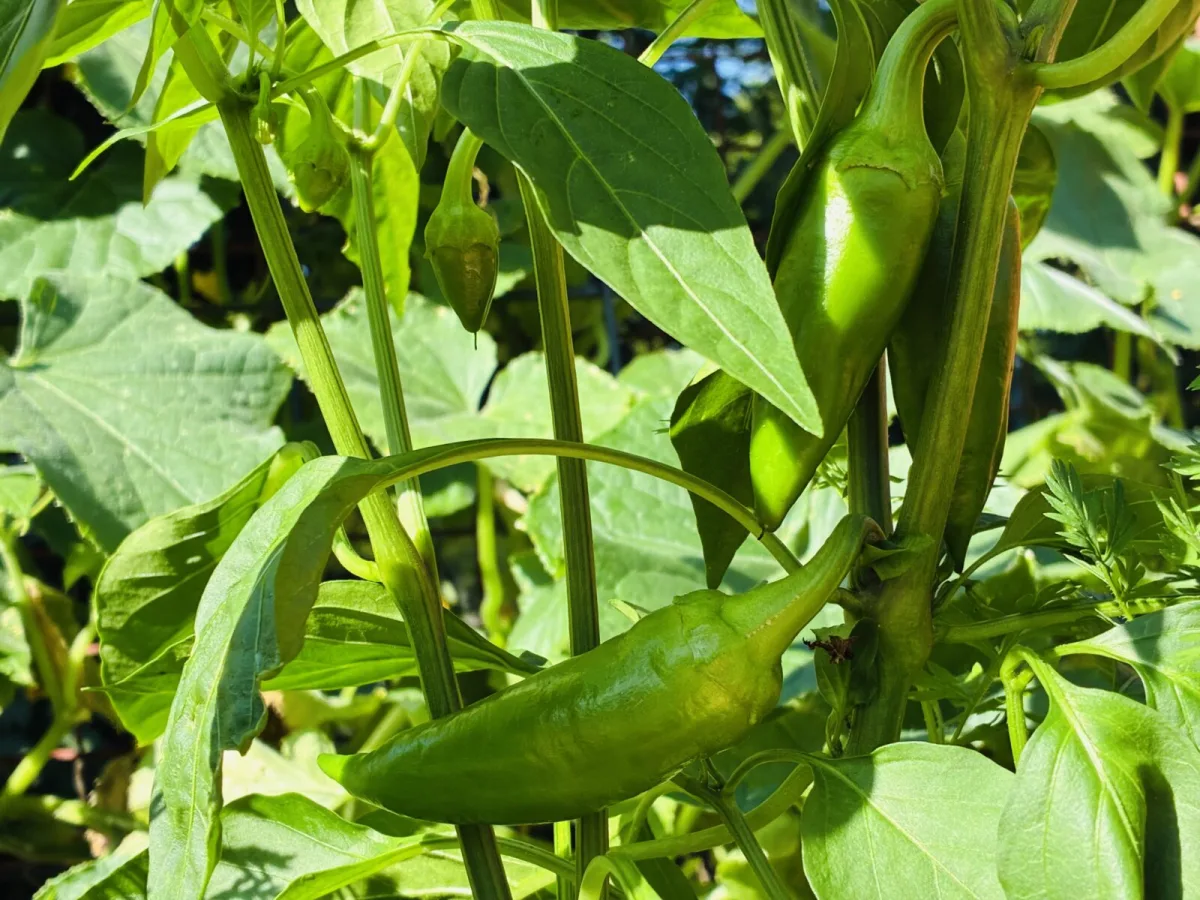
Sweet peppers are wonderfully versatile in the kitchen: you can eat them raw, stuff them, braise them, or grill them, and they also bring gorgeous colour to the vegetable patch. Although they need plenty of warmth and time, they’re not difficult to grow as long as you stick to a few basic rules. The best reward is firm, juicy fruits with a fuller flavour than supermarket peppers—and the chance to harvest them in different colours depending on the variety and how ripe you let them get.
When to start planting
Peppers are among the slower-growing vegetables, and from sowing to harvest they often need roughly 60 to 90 days. For that reason, many gardeners choose ready-grown plants from a garden centre. These are usually planted out 2 to 3 weeks after the last spring frosts, or once the soil has warmed to around 18 °C.
If you want to raise your own plants, sow indoors into pots about 8 to 10 weeks before your last expected frost. Transplant outside only when nights are consistently warmer and the weather has settled.
Site and soil for a generous harvest
Sweet peppers love sun, so choose a spot with at least 6 hours of direct light a day. The soil should be fertile, rich in organic matter, and well-drained so roots don’t sit in water. Working in compost before planting helps improve soil structure and nutrient availability.
In cooler areas, it’s worth warming the soil in advance—using black film, for example—which speeds up early growth. Peppers also grow well in containers; the keys are excellent drainage and a pot volume of about 11 to 19 litres.
Because of disease risk, it’s not recommended to plant peppers where other nightshades have grown recently—tomatoes, potatoes, or aubergines.
How to sow and plant peppers
Raising plants from seed
When sowing into modules, put 2 seeds per cell; in a small pot, you can sow 3. Plant the seeds shallowly, about 0.5 to 1 cm deep. For faster germination, keep the compost temperature around 21 °C or higher, for example with a heat mat.
After germination, give seedlings plenty of light—ideally under grow lights—and keep moisture even. Snip out weaker seedlings so one strongest plant remains per cell, or two per pot. Once the roots fill the space, pot on into a larger container and keep growing them on until it’s time to plant outside.
Planting out and hardening off
Before moving them outdoors, harden plants off gradually for 1 to 2 weeks to help them adjust to outside conditions. Plant into prepared soil at the same depth they grew in the pot. If seedlings are leggy, you can set them a little deeper and cover part of the stem up to the lowest leaves.
It’s best to transplant on an overcast day to reduce transplant shock. Space plants about 30 to 45 cm apart, with roughly 60 to 90 cm between rows. Water thoroughly after planting and consider putting support in place—such as a stake or cage—so you don’t disturb the roots later by pushing supports in afterwards.
Watering, feeding, and ongoing care
Consistent watering without swings
Peppers need regular watering—roughly 2.5 to 5 cm of water per week depending on weather and soil type. A good approach is to let the surface dry slightly between waterings, then water deeply, slowly, and directly at the roots. Mulch helps keep moisture more stable.
Irregular watering stresses plants and can lead to problems such as blossom-end rot.
Nutrition for flowers and fruit set
Compost at planting boosts plant vigour and yield. Once buds begin to form, it’s useful to feed with an organic tomato-style fertiliser, or a feed higher in potassium. A balanced slow-release granular fertiliser with lower nitrogen also works well, because excess nitrogen encourages leafy growth rather than fruit.
Pinching and shaping
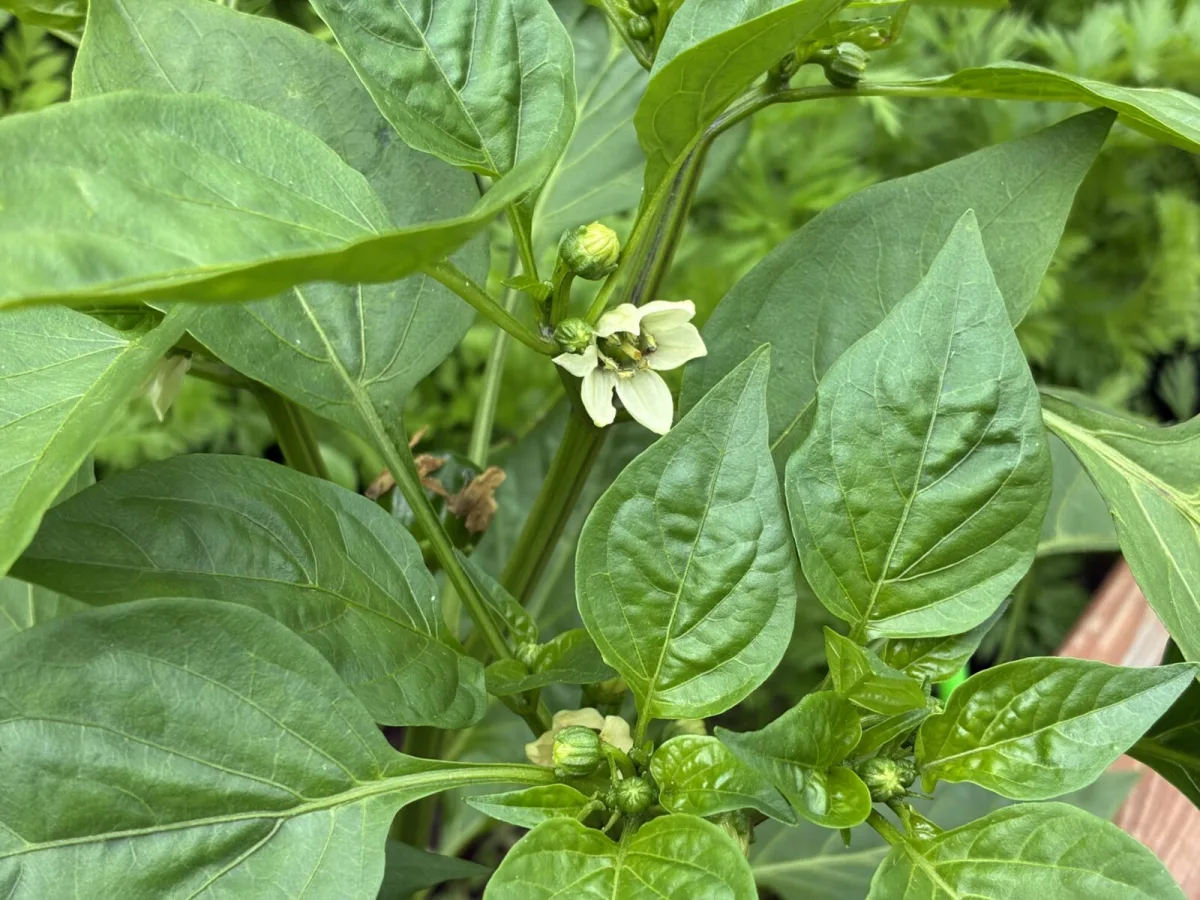
Peppers don’t need hard pruning, but for bushier growth and better cropping you can pinch out the growing tips once plants reach about 20 cm. The plant will branch more and often sets more fruit.
Temperature stress during the season and protecting plants
Peppers react sensitively to fluctuations. In heat above roughly 29 to 32 °C during the day, or with cool nights below about 16 °C, they may drop flowers. A lack of water has a similarly negative effect. Shade cloth helps prevent scorching and overheating, while sudden cold snaps can be managed with simple covers, cloches, or horticultural fleece.
Regular weed control is also important: weeds compete for water and nutrients and reduce airflow around plants.
Harvesting and storing peppers
When to harvest
You can start picking fruits as soon as they reach a usable size. You can harvest green peppers, or let them colour up fully—red, orange, yellow, or purple depending on the variety. Regular picking encourages more fruit set and also reduces the risk of pest damage. On the other hand, the longer a pepper ripens on the plant, the sweeter it tends to be.
How to harvest without damaging the plant
Don’t pull peppers off by force. Hold the stem and use clean scissors, a knife, or secateurs to cut it. Tugging can easily snap branches, and the plant may become less productive.
How to keep peppers
In the fridge vegetable drawer, peppers keep for up to about 10 days. For longer storage, you can chop and freeze them. Another option is to clean them, remove the core and seeds, slice, and dry them in a dehydrator or oven at around 60 °C for roughly 4 to 6 hours.
Most common issues, pests, and diseases
Problems caused by conditions
Flower drop and poor fruit set often appear when temperatures are outside the ideal range, humidity is low, there aren’t enough pollinators, or plants are stressed by inconsistent watering. More consistent care helps, along with attracting pollinators by planting pollinator-friendly flowers nearby.
Blossom-end rot shows up as soft, sunken patches at the bottom end of the pepper. It’s linked to irregular watering and reduced calcium uptake. The fix is usually to improve watering consistency.
Sunscald shows as pale, whitish or yellowish patches that may soften. It often happens after too much leaf removal, when fruits lose their natural shade. Provide some shading and be gentler with leaf removal.
Yellowing leaves are most often connected with overwatering, but disease—or, conversely, drought—can also be the cause. It’s always worth checking soil moisture and the condition of the roots.
Common pests
Aphids leave sticky residue and distort leaves. They can often be knocked off with a stronger jet of water; otherwise, regular applications of an insecticidal soap suitable for organic growing can help.
Slugs and snails can chew irregular holes in young fruits and leaves. Traps, hand-picking, and reducing hiding places in damp spots are effective.
Spider mites feed on leaves, make fine webbing, and plants can look grimy. It often helps to raise humidity, improve watering, and use a gentle soap-based spray.
Deer don’t usually target peppers, but when food is scarce they may nibble fruit. Deterrent planting and physical measures can help, such as motion-activated lights or sprinklers.
Diseases you may encounter
Blight is a fungal problem that creates lesions on stems and can lead to rapid wilting. Remove affected parts, mulch the soil to reduce water splash, and grow peppers in a different spot next year.
Viral mosaic is often spread by aphids and causes mottled yellow-green leaves, stunting, and reduced yield. There is no cure: infected plants must be removed and disposed of, the area cleaned up, and crop rotation followed in future.
Varieties and useful notes
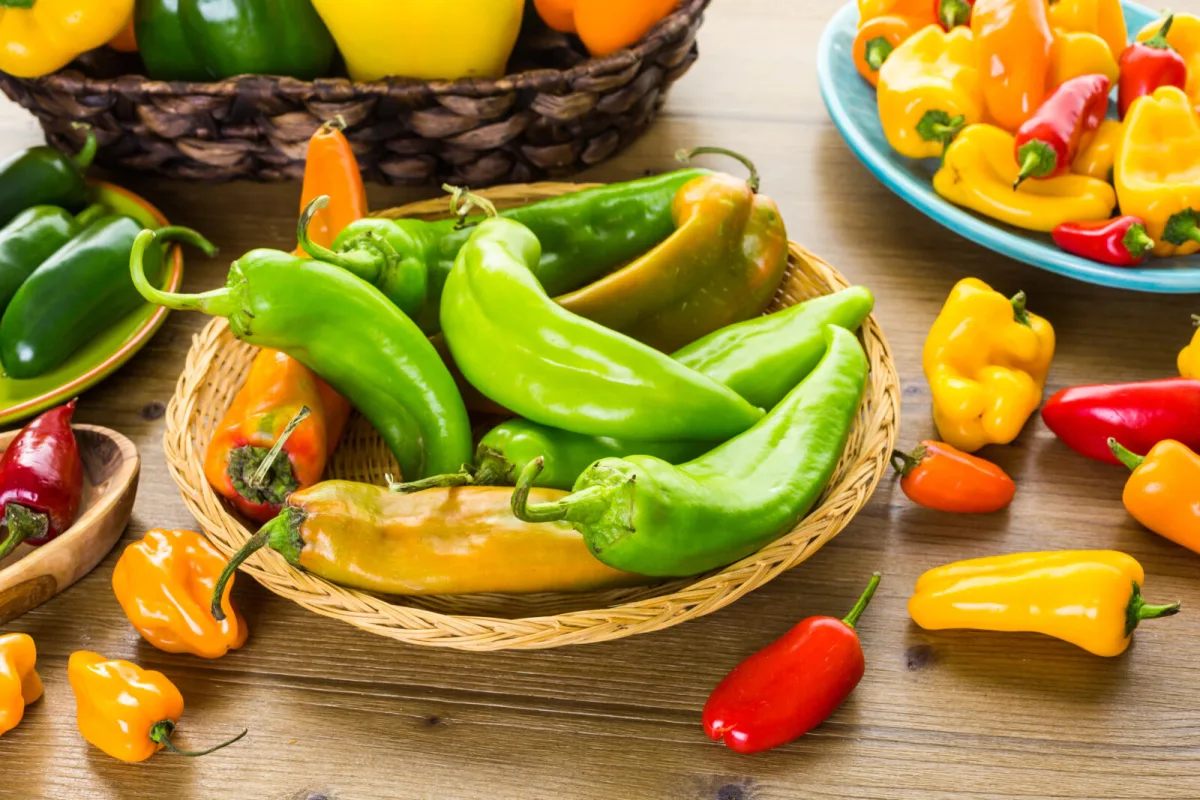
When choosing varieties, it’s worth looking for ones that ripen quickly to their final colour, because fully ripe peppers tend to be tastier and more nutritious. Well-known types include varieties that turn from green to red, as well as orange and yellow forms.
Sweet peppers contain no capsaicin, the compound responsible for the heat in chilli peppers. The green and red peppers you commonly see in shops can actually be the same pepper at different stages of ripeness; red is typically riper, sweeter, and usually higher in vitamin C. There’s also a persistent myth that peppers have “male” and “female” fruits based on the number of lobes on the bottom—however, fruits don’t have sexes, and the differences mainly come down to variety and growing conditions.
Source: Almanac, Rhs , Pestrazahrada.cz
Related articles
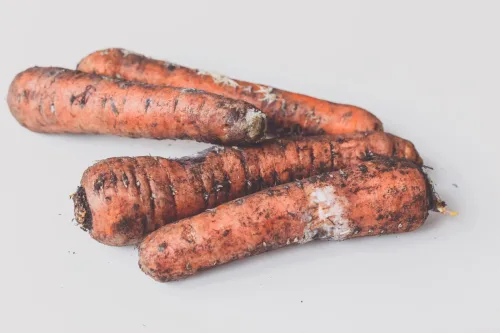
Next year you can harvest better if you don’t sow carrots where they won’t thrive
Carrot root fly can ruin carrots, parsley and celery from the inside out, often without obvious warning until harvest. Better site choice, rotation, later sowing and simple physical barriers can dramatically cut damage next season.
How to Propagate Roses from Cuttings at Home and Fill Your Garden with Blooms Almost for Free
Want more roses without paying for new plants? With a few healthy cuttings and a simple plastic-bottle mini greenhouse, you can root new bushes at home in just a few weeks.
Heathers can cope where other plants won’t, but one soil detail decides everything
Heathers and heaths are tough evergreen shrubs that can flower across the seasons when you choose the right types. Success hinges on matching the plant to your soil pH and ensuring free drainage.
Comments (0)
Be the first to comment.