
 English
  Polski
  Deutsch
  Nederlands
  Svenska
  Norsk
Norsk  Dansk
Dansk  Français
  Italiano
  Español
  Português
  Slovenčina
  Suomi
Suomi  Gaeilge
 Gardeners make one fatal mistake with peppers right at the start
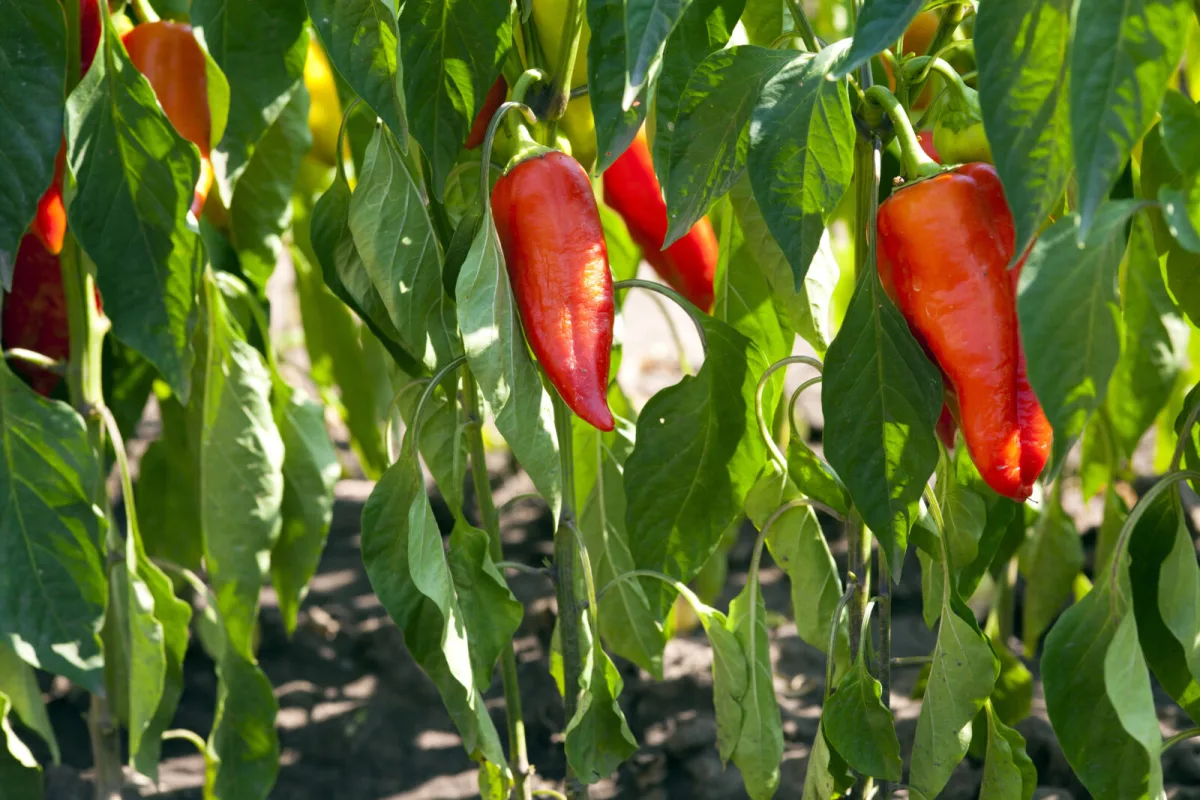
Peppers are among the most popular vegetables for gardens and greenhouses alike. Sweet types are perfect for salads, snacking and cooking, while hot varieties can really sharpen the flavour of a dish. Beyond taste, peppers also add real ornamental value, as the fruits ripen into a whole range of colours. Although they’re generally straightforward to grow, things can quickly get complicated with diseases, pests or unsuitable conditions. The key is recognising symptoms early and responding with the right approach.
Growing basics and the right conditions
Peppers are heat-loving plants. They grow and set flowers best at around 21 to 30 °C. It also matters that night temperatures don’t stay below 16 °C for long periods, because cold will slow growth significantly. In cooler areas, peppers are therefore often started indoors or in a greenhouse, then planted out only once the risk of frost has passed. Before planting, it’s worth hardening plants off gradually so they cope better with the move outdoors.
Crop rotation and related plants
Peppers belong to the nightshade family, like tomatoes and aubergines. That’s why it makes sense not to plant them where other nightshades were grown the previous season. Rotating crops reduces pressure from soil-borne pathogens and helps prevent repeat problems that persist easily in the soil.
Problems caused by the environment and care
A common source of trouble isn’t infection at all, but poor conditions. Peppers need a loose, fertile and, above all, free-draining soil. If the soil holds water, roots can suffer from lack of oxygen and then rot. Just as dangerous is a sudden frost, which can damage plants or wipe them out completely. If a cold night is forecast, covering with horticultural fleece or another frost protection can help.
Correct watering as prevention against rots and stress
Ideally, water deeply but not too often. A thorough soak encourages a stronger root system. At the same time, the soil surface should dry slightly between waterings to reduce the risk of fungal disease. It also matters that waterlogging combined with warmth creates the kind of environment where disease spreads fastest.
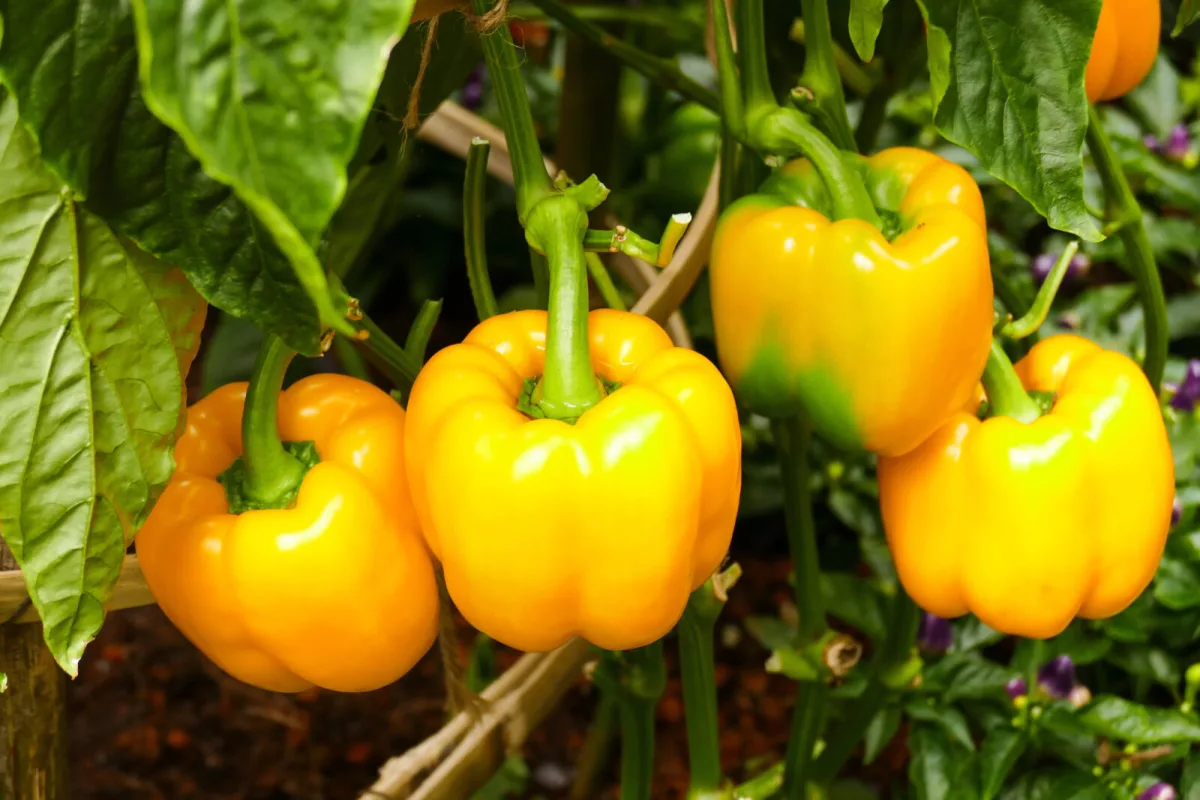
Nutrient deficiencies and typical symptoms
Other problems can come from inadequate nutrition. Different deficiencies show up as slowed growth, yellowing leaves, browning leaf edges, misshapen fruit, or flower and fruit drop. Having a soil test done is practical, because it tells you what’s actually missing. Nitrogen supports leafy growth, phosphorus is important for roots, and potassium has a major influence on flowering and fruit development. Calcium also plays a key role, and its shortage is often behind the well-known disorder called blossom end rot.
The most common pepper pests and how to recognise them
Peppers attract a range of pests that damage leaves, stems and fruit. With a small planting, regular checks and hand removal often help. In many cases, spraying with a soap solution or using suitable natural products can also work. Bed hygiene matters too, because plant debris and dead leaves are an ideal hiding place where pests can multiply.
Insects and other pests most often found on peppers
Among the most destructive are caterpillars that can cut down young plants at soil level, causing the seedling to topple. Aphids are also common, especially on the undersides of leaves. As well as sucking plant sap, they leave sticky honeydew, attract other insects and can spread dangerous viruses. Leaf miners can also cause significant damage, with their tunnels showing up as pale trails in the leaves.
Thrips are hard to spot. They’re tiny and often go unnoticed, but when numbers build up they can seriously weaken a crop. They lay eggs in plant tissue, and once hatched all life stages feed on the plant. In some areas there’s also a specialised pest that attacks the fruit directly, with females laying eggs inside, followed by dropping of flowers, buds or small fruits.
Other caterpillars often target young, tender fruits and sometimes damage leaves as well. Small beetles can make the characteristic shot holes in leaves, especially on young plants. Some pests get right into the fruit and eat it from the inside, only becoming obvious later at harvest. Large caterpillars that are easy to see can usually be picked off by hand. Whitefly can also be a serious problem; besides weakening plants, they can spread viral diseases and cause yellowing, curling and leaf drop.
Pepper diseases and prevention starting with seed choice
With diseases, it helps to think ahead even before sowing. Seed packets sometimes show resistance codes indicating what a variety has been bred to withstand. Choosing more resistant types reduces the risk of infection spreading through the entire planting. With peppers it’s also important to use healthy, reputable seed, because some bacterial and viral issues can arrive with nursery-raised plants or with the seed itself.
Fungal diseases and their typical symptoms
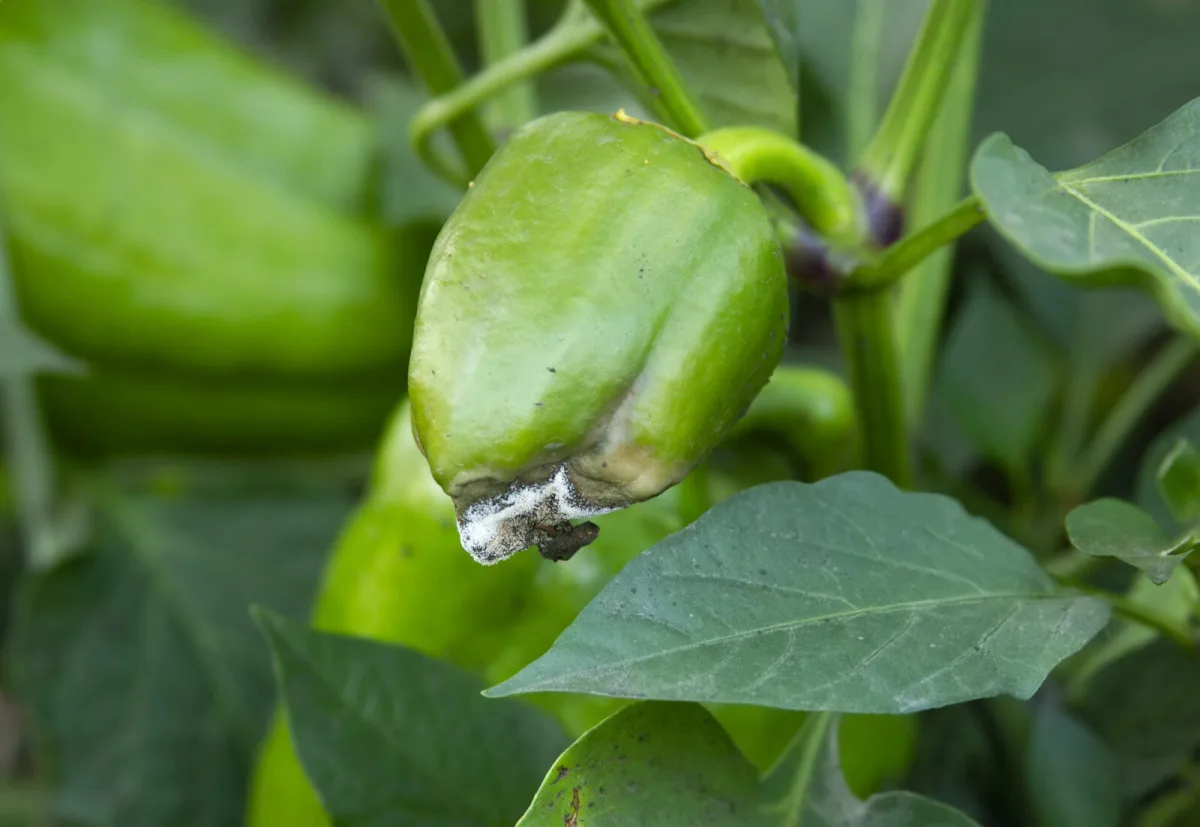
Many problems on leaves and fruits are caused by fungi that thrive in wet conditions and warm weather. For example, anthracnose appears as spots in various shades that show up after soil splashes onto leaves or fruit. Another common disease forms oval spots with a typical centre and coloured margin and can affect multiple parts of the plant, including the fruits. Soft rot is recognised by a whitish to grey coating that looks like mould. There are also serious rots and wilts that gradually take over the whole plant and can lead to death. In general, fungi prefer warmth and persistently humid conditions.
Bacterial and viral infections
Bacterial spot can show as irregular lesions on fruit and spots on leaves that turn yellow, then brown, and eventually drop. Bacteria spread easily in water, so overhead watering makes the problem worse. With viral diseases the situation is more difficult, because once a virus is established in a plant there is usually no direct cure. A mosaic pattern on leaves, stunting and low yields are common. Spread is often linked to insects, especially aphids and thrips.
Imbalanced feeding and physiological fruit disorders
Not every spot means an infection. Blossom end rot is typically linked to calcium deficiency and irregular watering, when the plant can’t transport calcium into the fruit properly. Another issue can arise during ripening in warm, humid weather, when fruits rot more easily. Harvesting promptly and storing your crop cool and out of direct light helps. Sunscald is also common, when peppers are too exposed to strong sun; they bleach out, and the surface can look dry and papery.
How to help peppers and reduce losses
The most important thing is correct diagnosis. With fungal diseases, suitable fungicides can help, but often adjusting your watering routine is enough. Avoid watering over the foliage, and water in a way that allows plants to dry quickly; this greatly reduces disease pressure. With viral issues, controlling the vectors is crucial, mainly aphids and thrips, because the virus itself usually can’t be cured.
Prevention matters enormously. It pays to buy certified seed and plants, and to keep tools, hands and footwear clean if you move between beds. Against pests you can use biological controls, for example products based on Bacillus thuringiensis, horticultural oils and soaps, or by encouraging natural predators such as ladybirds. Crop rotation, growing resistant varieties, regular clearing of plant debris, and above all soil that doesn’t stay waterlogged for long periods also help.
Source: Gardening Know How, Rhs , Pestrazahrada.cz
Related articles
A Simple Autumn Trick Will Protect Your Hibiscus Over Winter and Bring a Flush of Flowers
A thick mulch layer in autumn can be the deciding factor in whether hardy hibiscus comes through winter unscathed. Combine root protection with smarter watering and feeding, and you’ll be rewarded with stronger growth and heavier flowering next season.
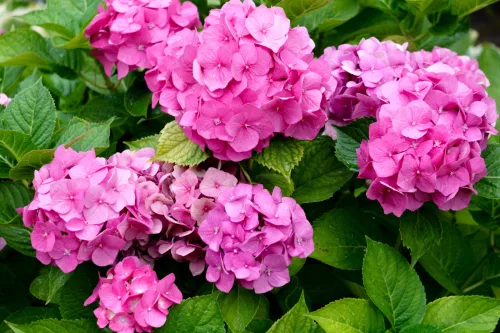
Be careful with hydrangeas in autumn or one mistake will cost you blooms
Tidying up hydrangeas in autumn can be tempting, but cutting at the wrong time can remove next year’s flower buds. Everything depends on whether your hydrangea blooms on old wood or new wood.
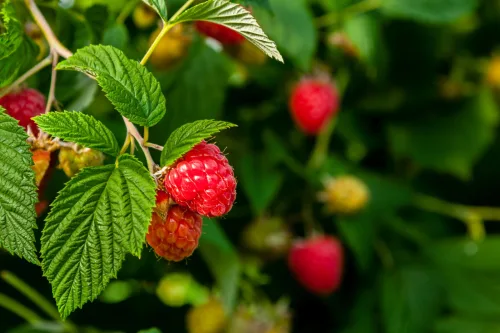
Raspberries Need Gentle Feeding or You Can Damage Roots and Lose Up to a Third of the Crop
Raspberries have very shallow roots and don’t respond well to heavy, nitrogen-rich feeding worked into the soil. Choose a potassium-forward fertiliser and apply it gently on the surface to protect roots and improve flavour and yield.
Comments (0)
Be the first to comment.