
 English
  Polski
  Deutsch
  Nederlands
  Svenska
  Norsk
Norsk  Dansk
Dansk  Français
  Italiano
  Español
  Português
  Slovenčina
  Suomi
Suomi  Gaeilge
 Simple pepper pinching that can significantly boost your harvest
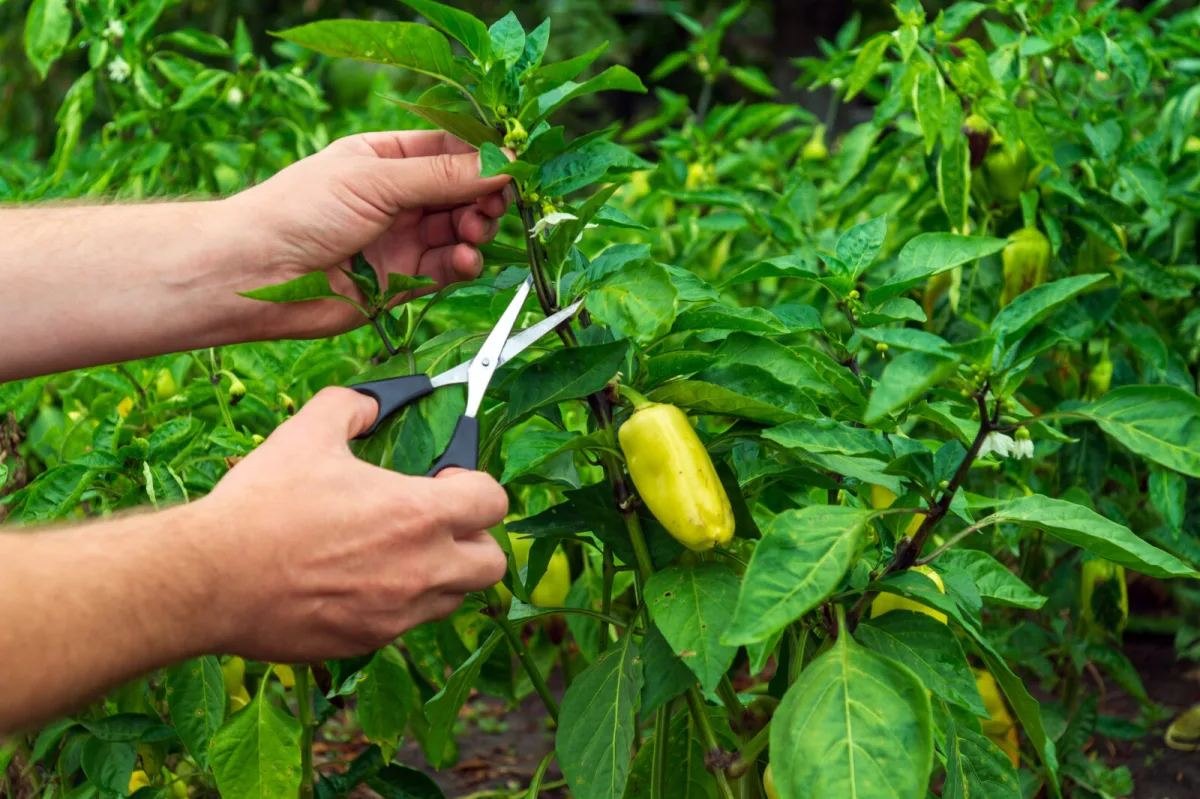
Many growers rely on the idea that peppers only need plenty of light, regular watering and fertile soil for a generous crop. Those conditions are indeed the foundation, but there’s one more subtle step that can noticeably lift yields. It’s correct pinching out early in growth, which encourages the plant to branch more and later creates more places for flowers and fruit to form.
What branching in peppers means and why it matters
A pepper plant first grows as a single main stem. Only later, at a certain height, does it split into two main branches and gradually produce additional side shoots. Right at that very first split, the first flower bud often appears. This early flower is commonly called the crown flower, and it has a major influence on how the young plant develops from that point on.
The crown flower as a brake on further growth
If you leave the crown flower in place, the plant may set its first fruit very early. The advantage is a slightly earlier first harvest. The downside is that a young pepper channels a substantial amount of energy into that single fruit and, at the same time, slows the development of further shoots. When the crown flower is removed, the plant is more inclined to invest in branching, it strengthens up, and later sets more flowers—and therefore more peppers—throughout the season.
A small intervention at the right time can decide whether you get a few large fruits early, or more fruits steadily over a longer period.
When is the best time to pinch
The ideal moment comes when the seedling has around 6 to 8 true leaves and you can see the main stem starting to split. At the first branching point you’ll find a tiny bud, or a young flower already forming. It’s best to act before the flower fully opens. This technique is most beneficial on vigorous plants grown for a long season.
How to do it so the plant doesn’t suffer
First, examine the pepper plant and locate the first fork in the main stem. That’s where the crown bud usually sits. Gently pinch it out with your fingers, or snip it off with clean garden scissors. The key is not to injure the surrounding young shoots, because these will become the main branches that carry your future crop. The task takes only a moment—then continue with normal care: even watering, plenty of light, and gradual feeding.
What to do after removing the first flower
After pinching out the crown flower, a pepper plant typically starts producing side branches more vigorously. It’s worth watching which shoots are the most robust, because these will later carry the most fruit. Conversely, very weak, damaged or misshapen shoots—especially low down near the soil—can be carefully removed so the plant doesn’t waste energy where it won’t pay back.
Support and nutrition as insurance for a bigger harvest
Branched pepper plants often become heavier through the season, because more fruit hangs from more stems. Without support, the stems can bend and, in wind or under the weight, may snap. That’s why it pays to tie the plant to a cane or other sturdy support early, before the branches spread too far. At the same time, a denser, more productive plant uses more nutrients, so regular, moderate feeding helps maintain strong growth and good flower set.
When it’s better not to remove the crown flower
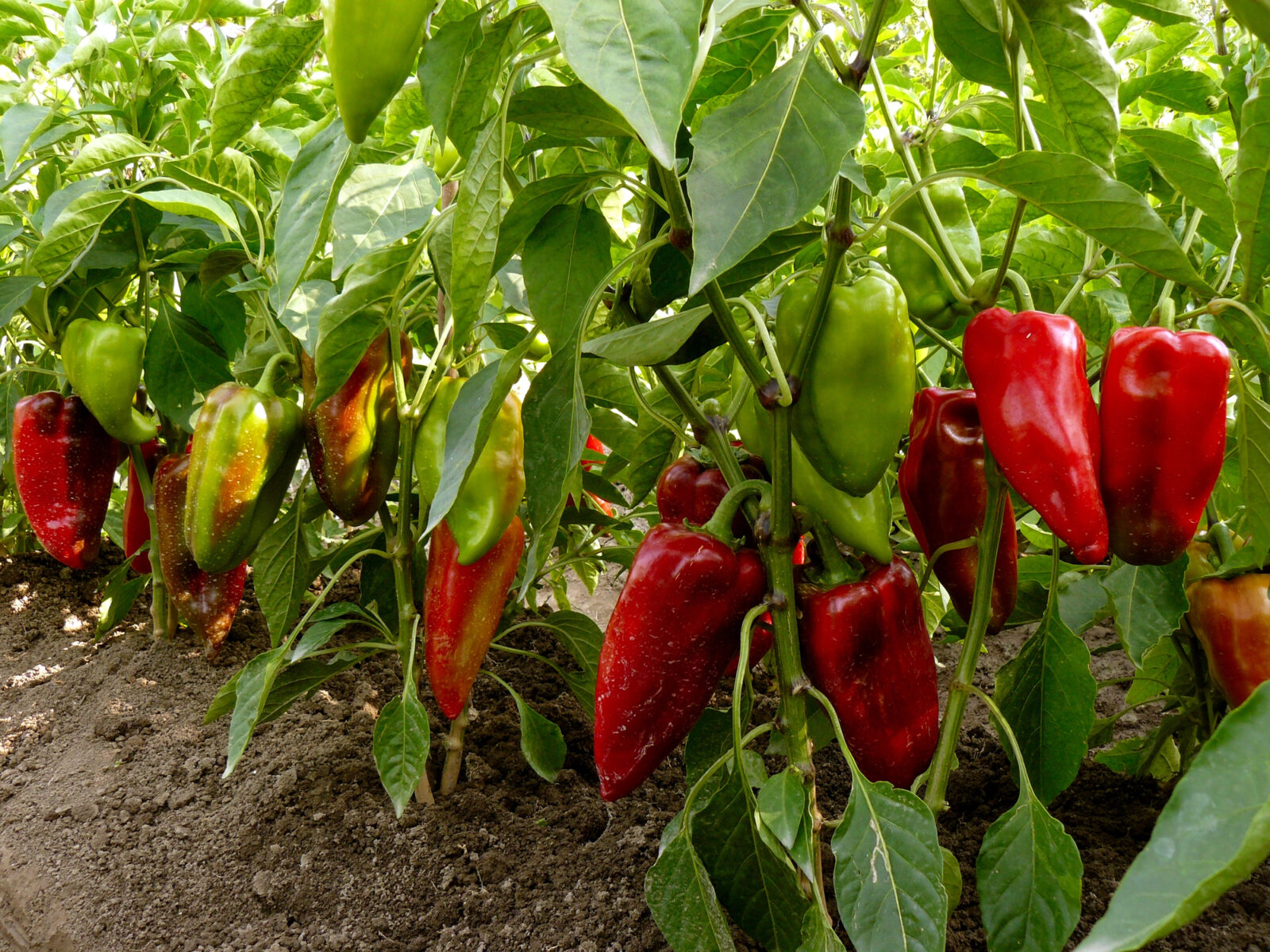
Although this technique is widely used by gardeners, it isn’t essential in every situation. With very early varieties, or where you’re growing peppers in a short season, it can make sense to leave the first fruit and get a quicker harvest. Only pinch out on healthy, well-developed seedlings. Weak or stressed plants may be slowed by further interference rather than strengthened.
Hygiene while working and small details that make a difference
If you use scissors, always keep the tool clean. This helps prevent diseases being spread between plants, especially when you’re growing several close together. If you pinch out with your fingers, do it gently and don’t tug at the whole fork—remove only the bud or flower itself. Afterwards, give the plant stable conditions without swings in watering, because it’s at this stage that it’s building its basic framework.
A simple step that can pay off all summer
Removing the first flower is a subtle but effective growing technique that supports branching in peppers and increases their potential to set fruit. When you combine it with good soil, regular watering, plenty of sun, support and a sensible supply of nutrients, you’ll get stronger plants and often a more generous harvest spread over a longer period. If you haven’t tried it yet, this season may show you why so many experienced growers swear by the method.
Source: Gardener’s World, To je nápad, Pestrazahrada.cz

A lover of nature, gardens, and everything that moves, blooms, or grows. He literally grows everything, from herbs to rare species, and he enjoys caring for animals just as much. In his work, he connects modern technology with tried-and-tested grandmotherly methods and is happy when both paths lead to the same goal.
Related articles
Next year you can harvest better if you don’t sow carrots where they won’t thrive
Carrot root fly can ruin carrots, parsley and celery from the inside out, often without obvious warning until harvest. Better site choice, rotation, later sowing and simple physical barriers can dramatically cut damage next season.
How to Propagate Roses from Cuttings at Home and Fill Your Garden with Blooms Almost for Free
Want more roses without paying for new plants? With a few healthy cuttings and a simple plastic-bottle mini greenhouse, you can root new bushes at home in just a few weeks.
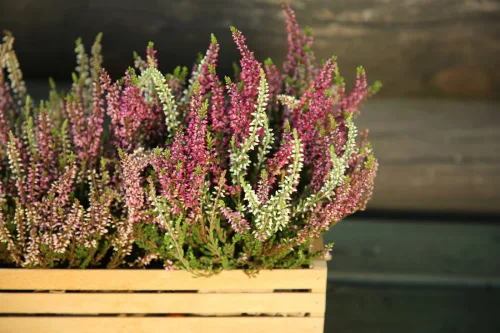
Heathers can cope where other plants won’t, but one soil detail decides everything
Heathers and heaths are tough evergreen shrubs that can flower across the seasons when you choose the right types. Success hinges on matching the plant to your soil pH and ensuring free drainage.
Comments (0)
Be the first to comment.