
 English
  Polski
  Deutsch
  Nederlands
  Svenska
  Norsk
Norsk  Dansk
Dansk  Français
  Italiano
  Español
  Português
  Slovenčina
  Suomi
Suomi  Gaeilge
 Peppers don’t have to be just for one season
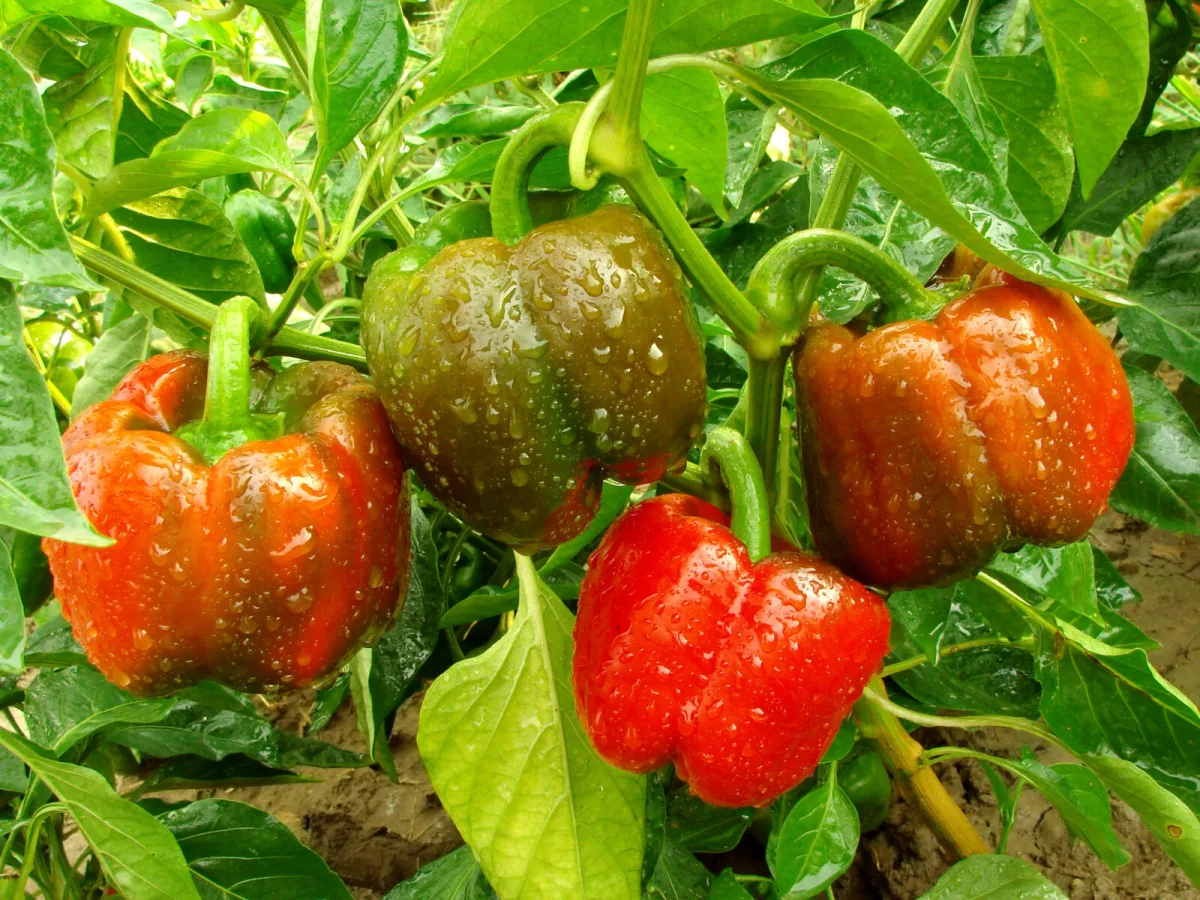
Not many people realise it, but peppers don’t have to automatically end up in the compost after the last harvest. If you treat them properly in autumn, they can make it through winter and set flowers and fruit again the following season. That means you won’t need to start new seedlings or sow fresh seed in spring. You just need a simple method older growers already knew, and it works best with healthy, well-grown plants.
What to do right after harvesting the last fruits
As soon as you harvest your last peppers in late summer or autumn, carefully lift the plant from the soil with its roots. Ideally, choose one that hasn’t been badly affected by disease. Then pot it up so it can overwinter out of the bed. Do the transplant gently; don’t tear the root ball apart unnecessarily. Just shake off excess soil and check that the roots aren’t rotting.
Cleaning the leaves and checking for pests
Before you settle the pepper in for its winter rest, take time to clean it. Aphids and other tiny pests often linger on the leaves, and indoors they would multiply quickly. Wipe the leaves and stems gently, or shower the plant with lukewarm water and let it dry. The aim is to move the cleanest possible plant into its winter quarters, without any unwanted hitchhikers.
Where and how to keep peppers over winter
The easiest option is to move plants into a greenhouse, but a cooler room in the house works too, such as a hallway, an unheated bedroom, a cellar with a window, or any other space that stays consistently cool. What matters is that it’s on the dry side and the plant gets at least a little light.
Temperature, light and watering during dormancy
An ideal temperature is around 10 to 14 °C, in a spot near a window. In its resting phase, a pepper needs almost no attention—just minimal moisture. Water roughly once every two weeks, only enough to stop the compost drying out completely. It’s normal for leaves to drop gradually, much like trees in autumn.
A prune that helps keep the plant in shape
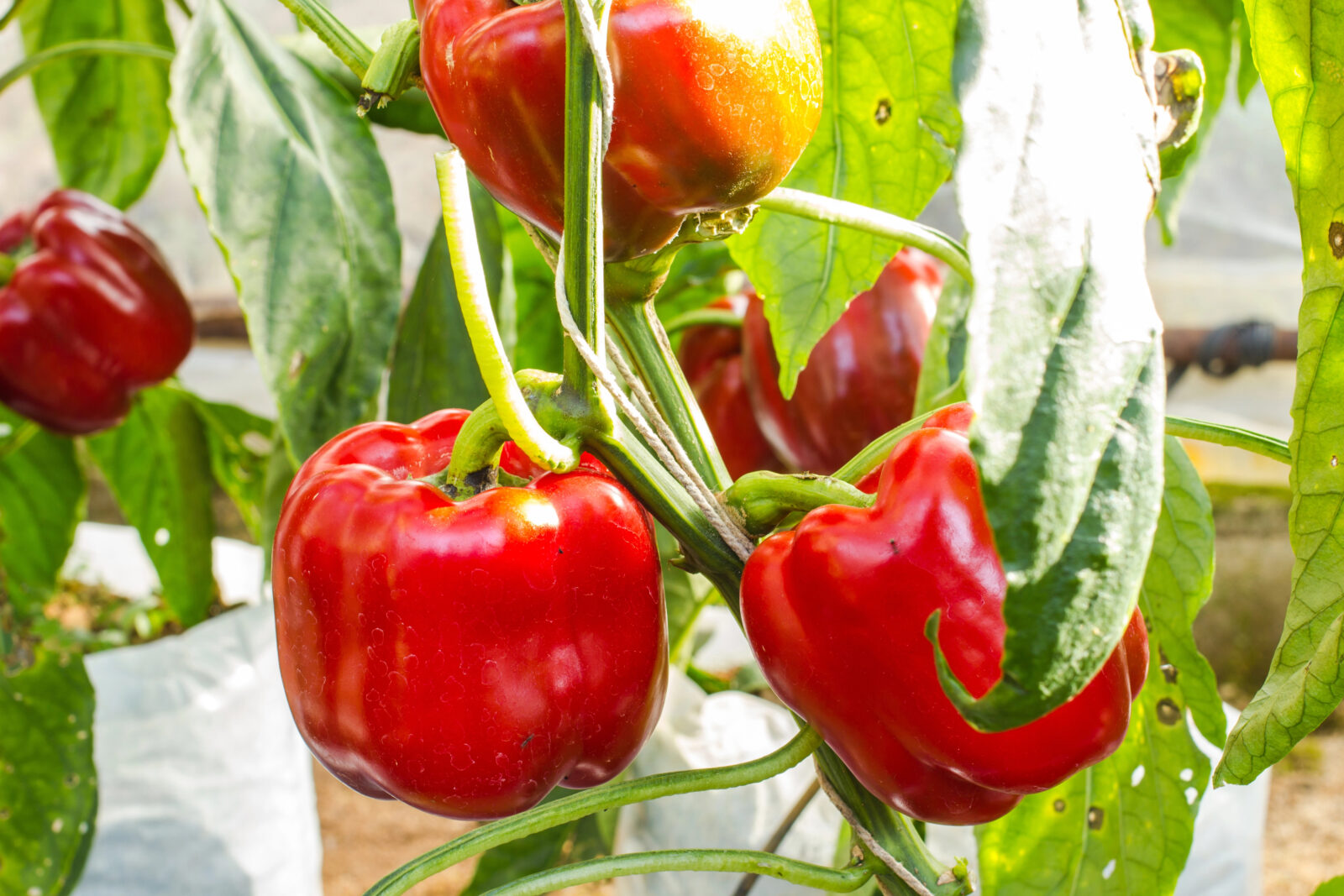
Once the pepper has shed some leaves, it’s a good idea to shorten it slightly. This isn’t a drastic cut back, but a tidy-up that helps the plant overwinter and shoot again in spring. Leave two to three main stems forming a Y shape, and keep the top parts to roughly 4 to 6 cm long. This encourages compact growth and reduces the plant’s demands while it rests.
Spring wake-up and moving back outside
Towards the end of April, start watering a little more often to wake the plant naturally. New shoots will soon appear and the pepper will begin growing again. Once outdoor temperatures settle at around 12 to 15 °C, you can move it back into the garden. At first, acclimatise it to outdoor conditions gradually, and give it nutrients too, so it has the strength to flower and set fruit again.
Homemade pepper feed from banana peels
If you want to boost your plants with an easy homemade feed, you can make a simple banana-peel soak. It’s useful for fruiting vegetables because it releases mainly potassium into the water, which is very important for flowering and fruit formation. You can make it from everyday ingredients—just peels, water and a container.
How to address worries about sprays on the peels
Some people worry that the peels may be treated. So wash them thoroughly in warm water before use. Warm water helps remove surface residues without stripping out what’s useful for the soak. Don’t be afraid to use a sponge or cloth—just a quick rinse isn’t enough.
How to prepare and use the soak
Put the washed peels into a roughly 3-litre container and top up with water to the brim. Leave them to stand for at least two days—you’ll notice the water darkens. Then you can water your peppers regularly with this extract. The potassium reaches the roots in a higher concentration than is usually found in soil, and plants often respond with better vigour and a higher-quality harvest.
If you move your pepper into a cool place in autumn, reduce watering, prune it lightly and then wake it gradually in spring, the same plant can fruit again next season without any new sowing.
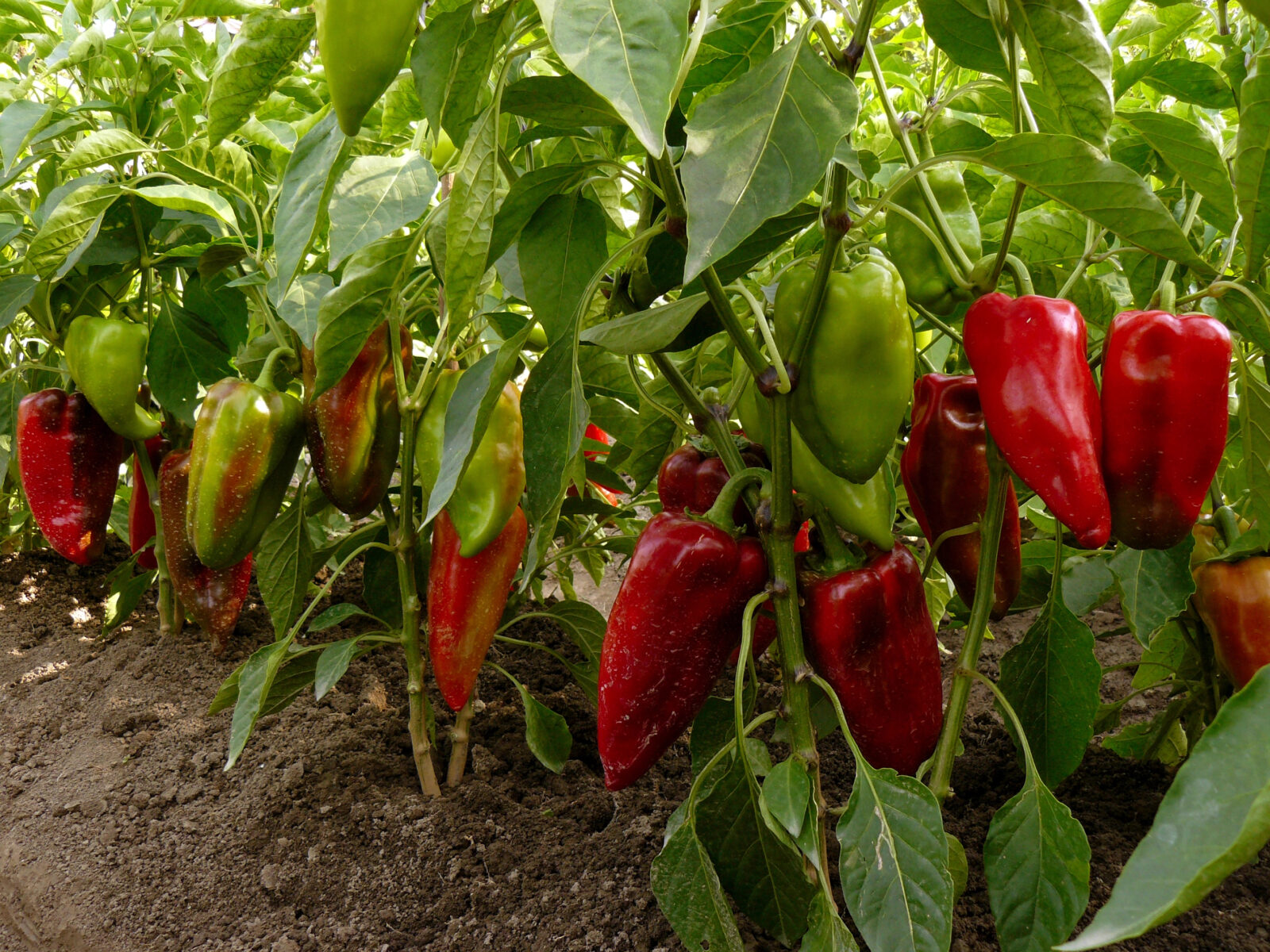
The key is to choose healthy plants, avoid overwatering in winter, and give them a gradual return to warmth and nutrients in spring.
Source: To je nápad, Gardening Know How, GrowVeg, Pestrazahrada.cz

A lover of nature, gardens, and everything that moves, blooms, or grows. He literally grows everything, from herbs to rare species, and he enjoys caring for animals just as much. In his work, he connects modern technology with tried-and-tested grandmotherly methods and is happy when both paths lead to the same goal.
Related articles
Don’t Prune Hydrangeas in October
Tidying the garden in autumn is tempting, but October pruning can cost your hydrangeas next year’s flowers. Only two light interventions make sense this time of year; everything else is best left until the right season.
A Pineapple Top Will Root in Two Weeks, but Success Depends on the Step Most People Skip
Don’t throw away the leafy crown when you cut a pineapple. With the right prep, light, warmth and careful watering, you can root it and grow a houseplant that may eventually fruit.
Overwintering Geraniums in a Box Ensures Stronger Growth and More Abundant Spring Bloom
Many people throw balcony geraniums away after the season, even though they can overwinter very well. Stored correctly in a box in cool, dark, dry conditions, they’ll come back stronger and flower generously in spring.
Comments (0)
Be the first to comment.