
 English
  Polski
  Deutsch
  Nederlands
  Svenska
  Norsk
Norsk  Dansk
Dansk  Français
  Italiano
  Español
  Português
  Slovenčina
  Suomi
Suomi  Gaeilge
 Peppers Need the Right Routine in May for a Heavy Crop
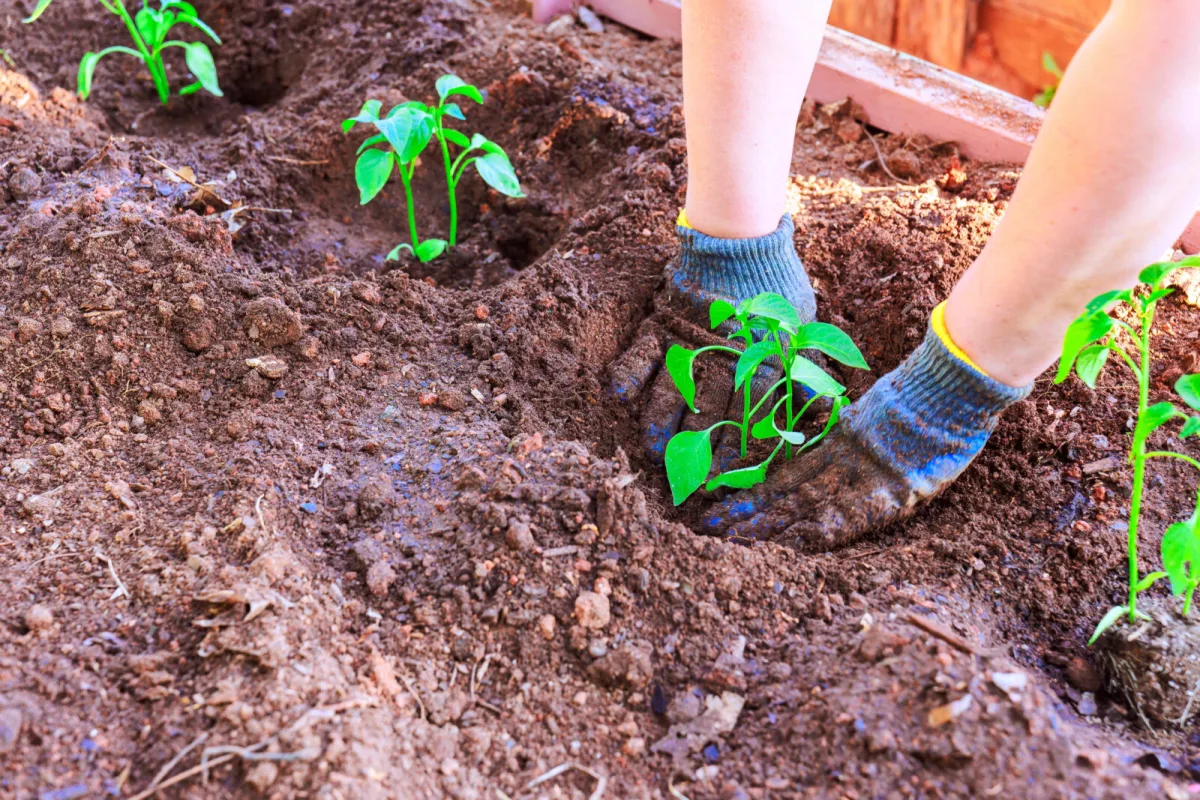
May is often the turning point for growing peppers. The seedlings have finished being raised on, and the gardener is deciding when and how to move them outside safely so growth isn’t checked by cold and the plants aren’t stressed unnecessarily. Pepper (Capsicum annuum) is heat-loving and, unlike some other crops, it won’t forgive cold soil or long nights with low temperatures. If you time planting well in May, prepare the soil, and set a sensible watering routine, you’ll usually be rewarded with abundant flowering and, later, plenty of fruit.
When to plant peppers outside in May
The most important guide isn’t the calendar, but temperature. Transplant peppers outdoors when night temperatures stay reliably above about 10 to 12 °C and the soil has warmed up. After colder nights, seedlings often just “sit”, stall, may yellow, and take longer to recover. In warmer areas, planting can succeed from early May; at higher elevations it’s common to wait until the second half of the month or protect the plants with a cover.
If a cold spell is forecast, it’s better to delay planting by a few days than to harden peppers off by shock. Once they’re outside, temporary night-time covering helps keep leaves from staying cold and damp for too long.
Hardening off seedlings before planting
In May, pepper seedlings often have beautiful leaves, but they’re used to the steady conditions of an indoor space or greenhouse. Hardening off should take at least a week. Start by putting plants outside in light shade and shelter, then gradually extend the time outdoors and add morning or late-afternoon sun. Sudden midday sun without a transition can scorch leaves and slow the plants’ start after transplanting. The goal is for peppers to handle wind, temperature swings, and direct light without wilting.
Site and soil in May
Peppers need as much light as possible, ideally full sun for most of the day. In May, it’s worth assessing whether the bed is protected from northerly winds and whether water sits in it. The soil should be fertile, open and crumbly, with good drainage and a near-neutral reaction around pH 6.5 to 7. Waterlogged or compacted ground increases the risk of fungal and bacterial diseases that are then hard to stop later in the season.
Crop rotation matters too. Peppers are in the nightshade family, so it’s not suitable to plant them where tomatoes, potatoes, or aubergines grew last year. May is your last chance to adjust the bed so peppers go into soil rich in organic matter, but not overfed with fresh nitrogen.
How to plant peppers properly in May
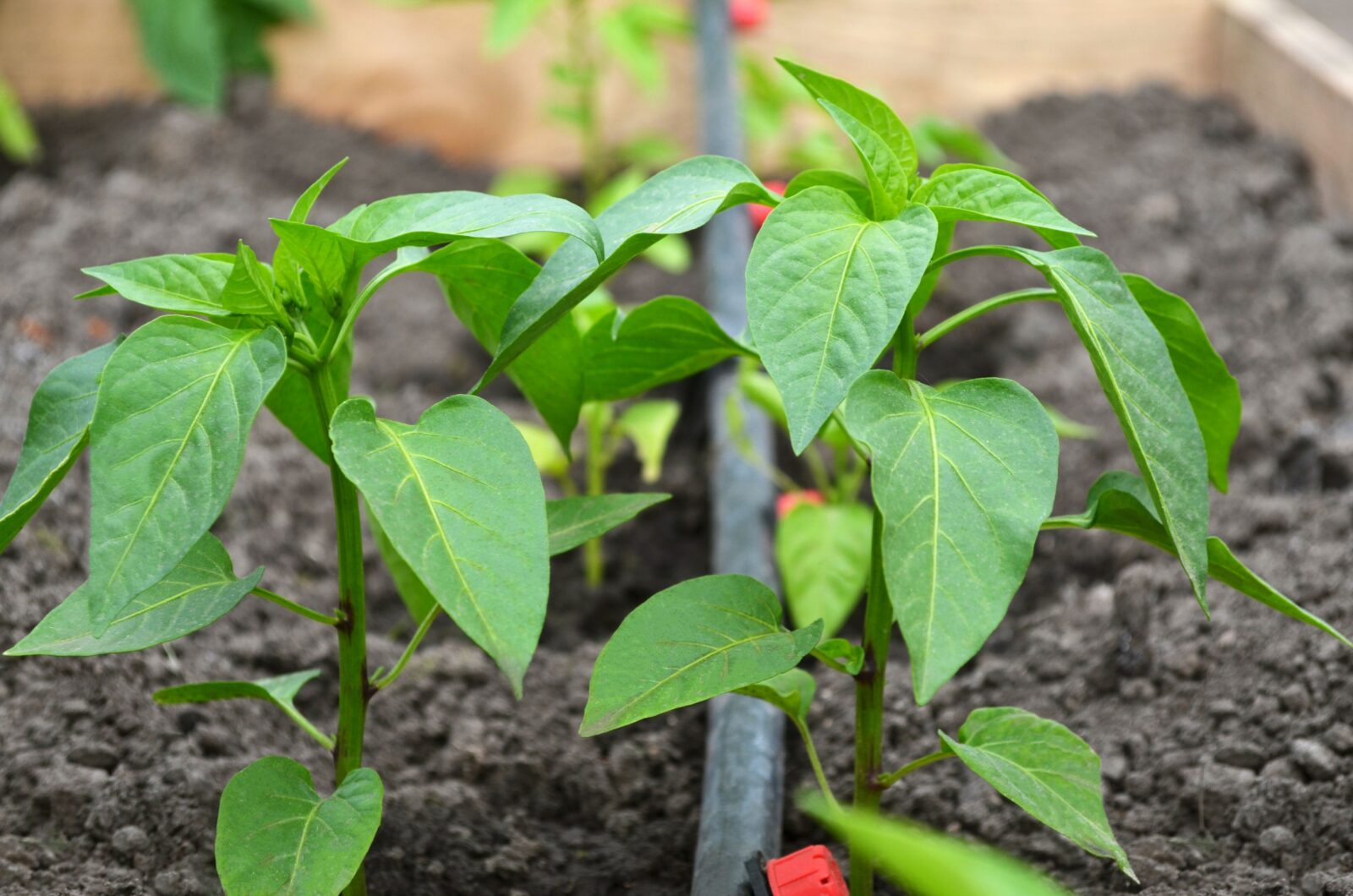
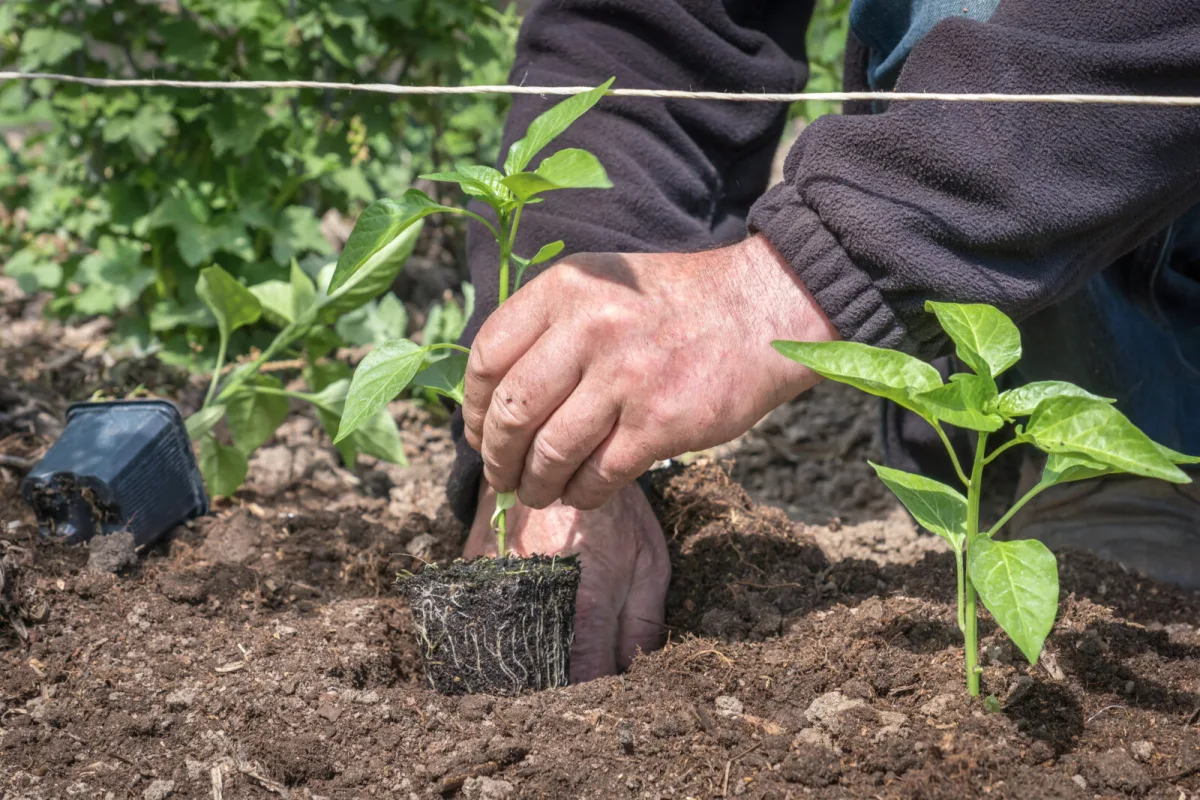
Space plants so the bushes dry quickly after rain and get plenty of light. A common spacing is about 40 to 50 cm between plants, with wider gaps between rows. Set the seedling into the planting hole so it sits at roughly the same level as it was in the pot. Unlike tomatoes, peppers are not usually planted deeply up the stem, because the crown can suffer and the plant is slower to get going. After planting, a thorough watering at the roots and a gentle firming of the soil is essential, but avoid unnecessary compaction.
For plants already covered in buds, it can be worth considering removing the first flower or the first set fruit so the pepper strengthens its root system first. It’s not a strict rule, but with weaker seedlings it often improves later fruit set.
Watering in May and why consistency matters
May weather can be changeable, and peppers hate extremes. Too much drought slows growth and leads to flowers dropping; overwatering encourages disease and can suffocate roots. The ideal is to water deeply but less often, so moisture penetrates down. If you water frequently only at the surface, roots stay shallow and the plant copes worse with hot weeks later in summer.
The safest approach is morning watering directly onto the soil. Wetting foliage in the evening can, on cooler nights, keep the plant damp for longer and increase pressure from mildews and leaf spots. If you can, drip irrigation or a soaker hose is ideal, because water goes to the roots and leaves stay dry.
Fertilising and nutrition for peppers at the start of the season
Peppers are among the more nutrient-demanding crops. In May, though, the key point is that an excessive dose of nitrogen produces lots of leaves and few flowers. At planting, it’s suitable to add compost or well-rotted organic matter and choose a fertiliser that supports rooting and future flowering. As soon as flowers begin to appear, it’s time for a moderate feed with an emphasis on phosphorus and potassium. Once fruits are forming, it makes sense to move to a more balanced nutrition programme.
The most common mistake with peppers in May is trying to “push” them with a big dose of nitrogen. The plant may grow lush, but flowering is delayed and the fruits come later.
Support, shaping, and handling the plant
Peppers don’t usually need complicated tying-in, but in May it’s practical to think ahead. Once the plant starts carrying more fruit, branches can snap. A simple cane on one side and a loose tie around the stem is often enough. Pruning peppers isn’t necessary, though later you can remove weak shoots without buds so energy goes into the set fruit. In May, focus mainly on helping the seedling root in quickly after transplanting and not weakening it with unnecessary interventions.
Temperature, humidity, and protection from weather swings
Peppers grow best with warm days and mild nights. May, however, can still surprise. During cold nights, flowers may be damaged and the plant responds by dropping buds. On the other hand, sudden heat combined with drought leads to wilting and poor pollination. If you grow peppers in an open bed, mulch helps by stabilising soil temperature and reducing moisture swings. In cooler locations, growing in a polytunnel or at least providing temporary cover after planting makes sense.
Diseases and pests that appear as early as May
In May, prevention pays off because some issues spread quickly through the season. Typical pests include aphids and thrips, which can deform young leaves and transmit viruses. Check especially the undersides of leaves and the shoot tips. Keeping the area around the bed clean, avoiding overcrowding, and watering sensibly are the basics. With diseases, it’s critical not to overwater, not to water onto the leaves, and to remove suspicious leaves before the problem spreads through the planting.
Peppers in containers in May
May is also a great time for growing in pots, because you can move the plant according to the weather. The container should be large enough and have excellent drainage. Use a quality potting compost, not heavy garden soil. In containers, peppers dry out faster, so you need to check moisture more often than in a bed. At the same time, overwatering during a cool May week is easier in a pot, so water only when the top layer is noticeably drier.
What to watch in May for an earlier harvest
The path from planting to the first harvest runs through steady warmth, light, and regular watering. If you want to pick sooner, maximise the plants’ thermal comfort in May, but without overfeeding. Remember that many varieties ripen first to the green stage and only then, over the following weeks, colour up to red, yellow, or orange. A good May start is therefore an investment not only in the number of fruits, but also in their size and flavour at full ripeness.
If you give peppers what they need in May, namely warmth, sunshine, airy soil, and a calm, consistent watering routine, they’ll reward you in summer with compact plants, abundant flowering, and a long harvest right through to autumn.
Source: The Spruce, Rhs , Pestrazahrada.cz
Related articles
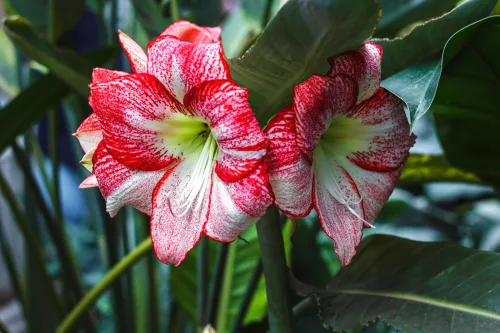
The Christmas Amaryllis That Can Bloom for Years but Most People Throw It Away After Flowering
Hippeastrum is a spectacular winter-blooming bulb that, with the right care, will flower again year after year. Learn how to plant it correctly, look after it after flowering, and bring it into dormancy so it reliably reblooms.
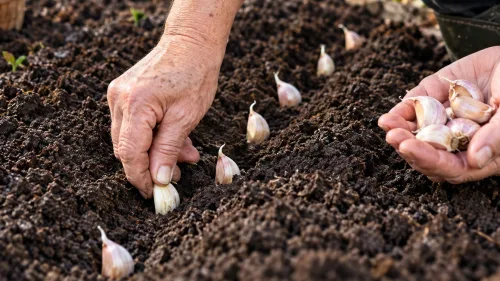
How to Grow Winter Garlic for a Much Bigger Harvest
Autumn planting is the key to strong, healthy winter garlic, but the details make all the difference. With the right timing, bed choice, seed-clove treatment and a simple bicarbonate trick, you can noticeably boost yield.
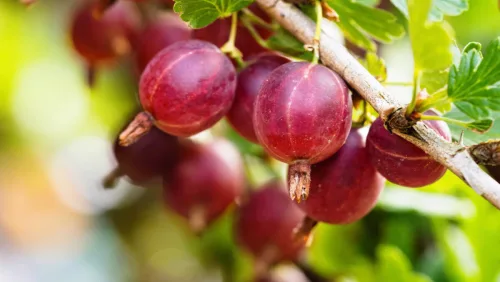
A tree or shrub planted properly in autumn can outpace spring stock and improve fruiting
Many fruit trees and soft-fruit shrubs establish better when planted in autumn, because roots keep growing while the top is dormant. Done well, this head start means stronger spring growth, less watering, and a healthier first year.
Comments (0)
Be the first to comment.