
 English
  Polski
  Deutsch
  Nederlands
  Svenska
  Norsk
Norsk  Dansk
Dansk  Français
  Italiano
  Español
  Português
  Slovenčina
  Suomi
Suomi  Gaeilge
 Switzerland has banned a plant Czechs love in their gardens
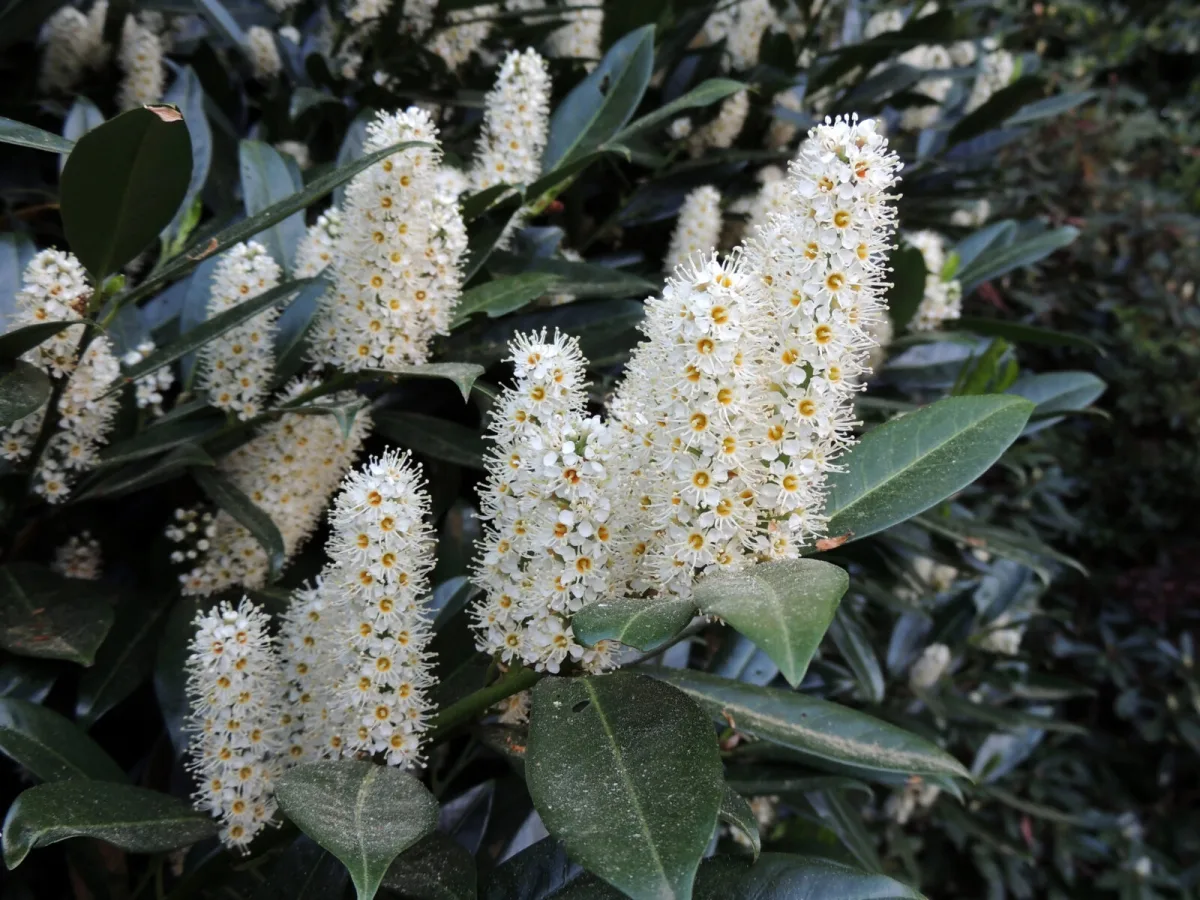
Cherry laurel has long been regarded here as a reliable ornamental shrub that quickly forms a dense thicket and does an excellent job of hiding fences and less attractive corners of the garden. Many homeowners choose it primarily for its evergreen leaves, which keep the garden looking tidy even through the winter months. In spring it also flowers with showy white blooms in racemes, and later dark fruits appear, which look decorative on the shrub.
It’s this combination of rapid growth, toughness and the ability to create a compact green wall that makes it a popular choice for hedging. While in Czech gardens it’s seen as a practical, low-maintenance solution, in some countries it’s viewed far more critically.
What’s problematic about cherry laurel
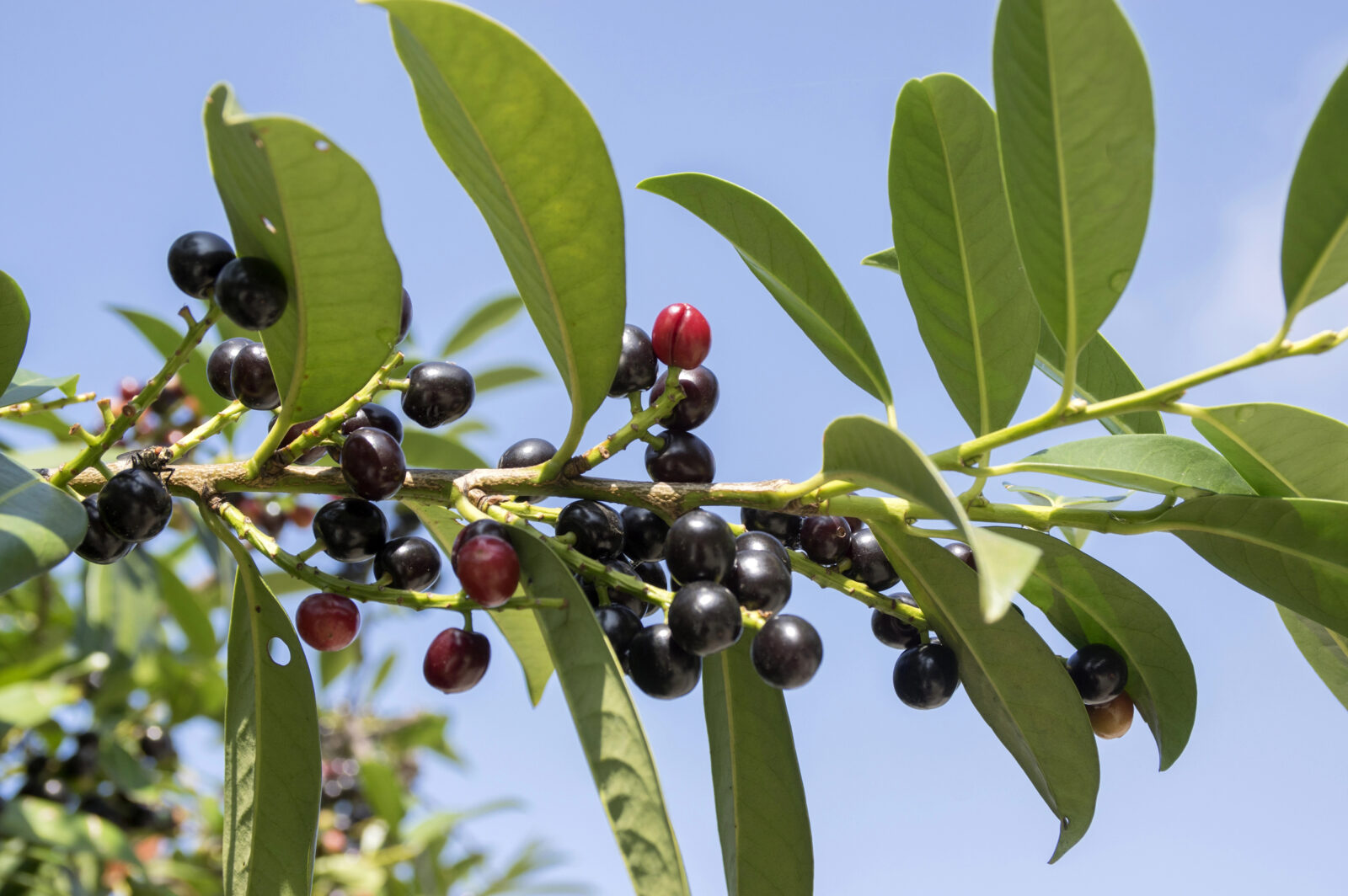
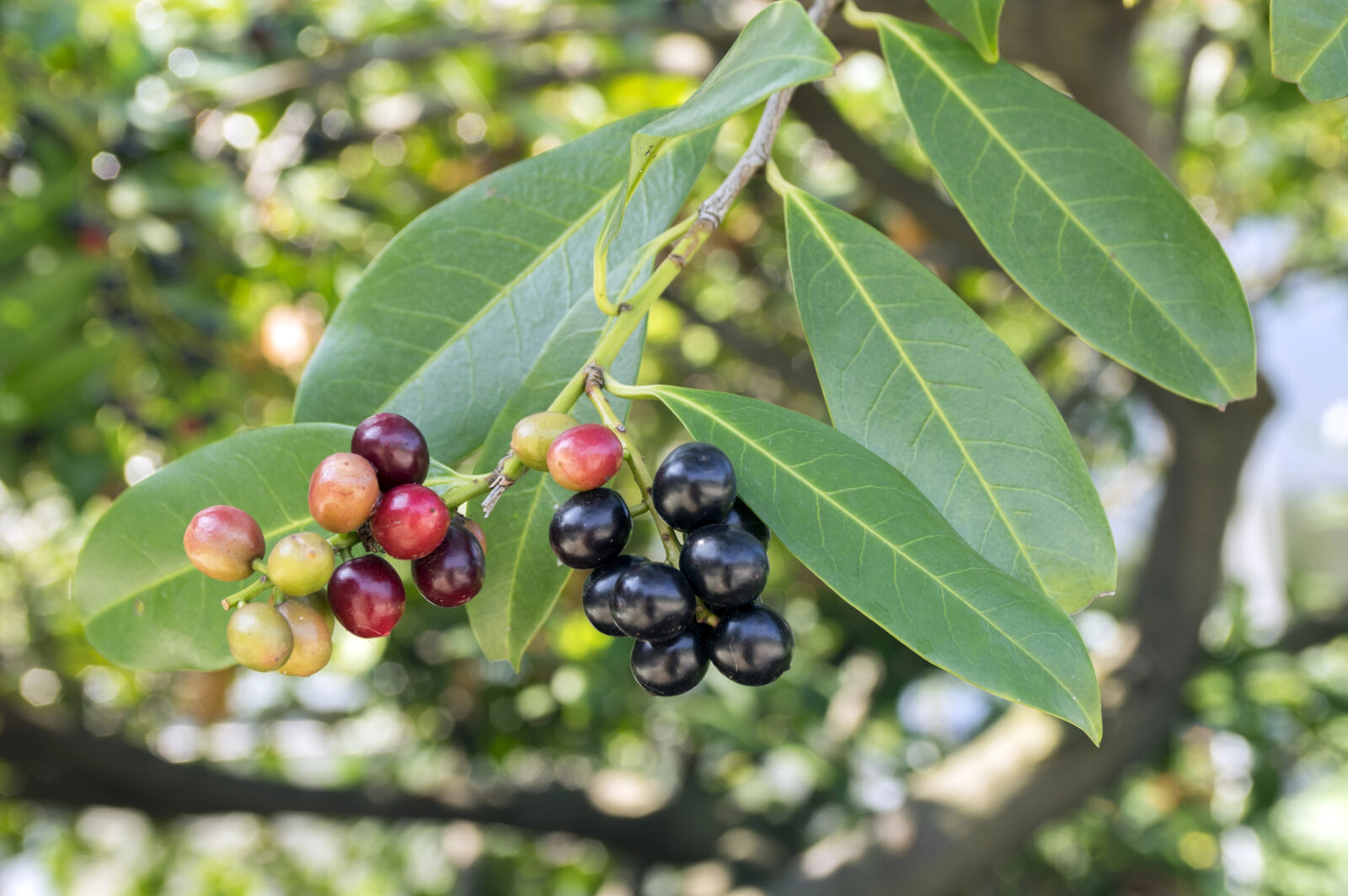
Cherry laurel is also frequently discussed for its toxicity. The leaves and seeds contain substances known as cyanogenic glycosides, which can be dangerous if ingested. The fruits may look tempting at first glance, but they are not meant to be eaten. That, however, is not the main reason the shrub attracts so much debate.
More significant is its ability to spread beyond gardens. Birds readily eat the fruits and then disperse the seeds into the surrounding area. In a garden this is usually manageable, but once cherry laurel gets into the wider countryside, it can start colonising sites where it’s no longer so easy to control.
Switzerland’s ban on import, sale and even gifting
In Switzerland, cherry laurel has come to be seen as a species that poses a risk to local nature. From 1 September 2024, a ban therefore applies on its import, sale and even gifting. In practice, that means people can no longer buy it legally, and it must not reach the market even informally.
For owners who already have it on their property, the rules are not set up as a blanket obligation to cut the shrub down. The emphasis is mainly on responsibility: it’s necessary to prevent the plant from spreading further into surrounding nature. The measures are aimed primarily at stopping further spread and naturalisation outside gardens.
Why it’s considered invasive in Switzerland
Swiss authorities classify it among invasive species, meaning plants that can spread uncontrollably outside their native range and displace native vegetation. Cherry laurel can quickly take over woodland edges, scrub and various open areas. It forms dense stands and restricts both space and light for native species.
The result is pressure on biodiversity, the diversity of plants and animals in the landscape. When one very vigorous species expands at the expense of others, the environment becomes simplified and altered. Switzerland is trying to prevent exactly this scenario, which is why it has chosen a relatively strict regime.
What the situation is in the Czech Republic
In the Czech Republic, cherry laurel is not banned so far. It continues to be commonly sold and planted, mainly as a fast-growing hedge. At the same time, however, warnings from experts are growing that in some places here it can behave problematically too, and is beginning to spread to areas where its presence is no longer just a matter of garden taste.
Caution is especially important when considering where cherry laurel is planted. One thing is a maintained garden, where the shrub can be clipped, fruits collected and its growth monitored. Another is planting close to open countryside, woodland edges and unmanaged areas, from which it can easily spread further.
Invasive plants that are already well known here
On the list of invasive species in the Czech Republic are other plants that are demonstrably very damaging to nature. A typical example is Japanese knotweed, which can overrun riverbanks and push out native species with almost no competition. Giant hogweed is also often mentioned; its sap can cause painful skin reactions. Another well-known species is Himalayan balsam, which may look striking in flower, but can spread along rivers and streams exceptionally quickly.
Beautiful in the garden doesn’t have to be safe for the landscape
Alongside these notorious problems, there are also plants people like to grow without realising they can be risky for the wider countryside. These include Canadian goldenrod and giant goldenrod. They look attractive in a border, but if they escape beyond the garden, they can displace meadow herbs and change the character of the habitat.
Black locust is discussed in a similar way. In bloom it is very attractive to bees and looks picturesque, yet in some habitat types it can significantly alter both woodland composition and the ground flora. The simple rule is this: what works as an ornament by the house doesn’t automatically belong in the wider countryside.
What to take away from the whole situation as a gardener
The cherry laurel story shows how differently countries can approach the same plant. Garden practice sometimes intersects with nature conservation only when an ornamental species begins spreading uncontrollably. If you grow cherry laurel, it makes sense to maintain it regularly, reduce fruiting by pruning, and not let it “escape” beyond the boundaries of your property.
An ornamental shrub can be a brilliant helper for a hedge, but responsible growing starts where we also consider the surrounding landscape.
Source: Pestrá zahrada, Swiss Community, Swiss federal authorities, Pestrazahrada.cz

A lover of nature, gardens, and everything that moves, blooms, or grows. He literally grows everything, from herbs to rare species, and he enjoys caring for animals just as much. In his work, he connects modern technology with tried-and-tested grandmotherly methods and is happy when both paths lead to the same goal.
Related articles
Why the Tree That Feeds a Family for Generations Is Disappearing from Czech Gardens
The English walnut used to be a staple of larger gardens and farmyards, valued for its nutritious nuts and many practical uses. With the right site and variety, it remains one of the most rewarding long-lived trees you can plant.
How to Get Rid of Mice and Rats in the House, Loft and Garden Effectively
Mice and rats don’t leave quietly—scratching sounds, droppings and gnaw marks are clear warnings. A lasting solution comes down to three steps: block entry points, remove food sources, then use traps or professional control.
Two Mistakes When Harvesting Onions Can Cut Your Supply by Months
With good growing and the right handling, onions can turn into a near year-round pantry staple. These simple harvest and curing steps determine whether they keep for weeks or for months.
Comments (0)
Be the first to comment.