
 English
  Polski
  Deutsch
  Nederlands
  Svenska
  Norsk
Norsk  Dansk
Dansk  Français
  Italiano
  Español
  Português
  Slovenčina
  Suomi
Suomi  Gaeilge
 Letting Cucumbers Get Overgrown May Be Holding Back Your Harvest
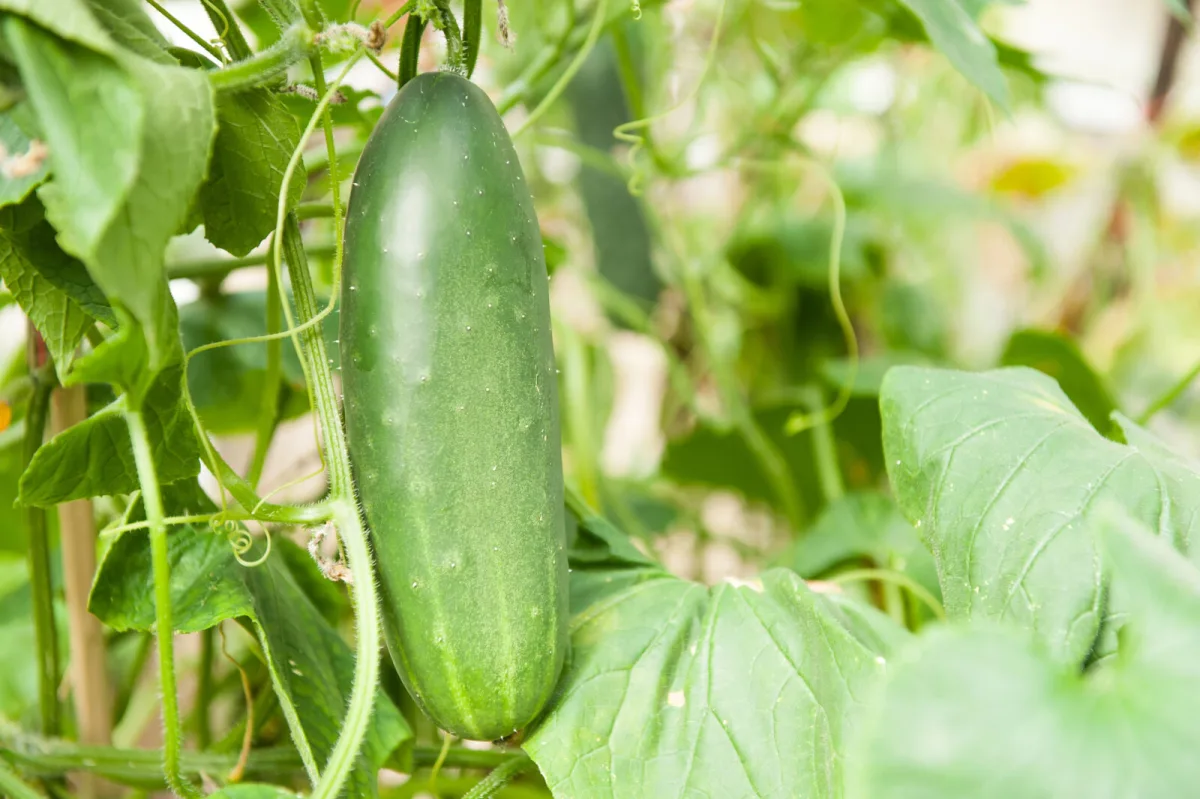
Cucumbers are sensitive to changing conditions and can stall in growth surprisingly fast. Typically you’ll notice the runners hardly lengthening, fewer flowers than before, small fruitlets turning yellow or dropping, and the harvest slowing down. The sooner you identify the main cause, the easier it is to get the plants going again. Early correction also helps keep fruits tasty, without bitterness and without issues with rot or mildew.
Temperature extremes and overheated roots as a common reason for a weak crop
Prolonged heat, when temperatures stay above 30 °C, often doesn’t suit cucumbers. The soil dries out quickly, the surface crusts over, and the root zone overheats, which holds the plant back. What’s more, in the hottest part of the day pollinator activity drops, so flowers may not be well pollinated and fewer fruits set. A practical solution is mulching, which stabilises the microclimate around the roots, holds moisture, and reduces temperature swings. Suitable materials include dried grass clippings, straw, or even nettles; the key is to add mulch gradually and keep the soil beneath it evenly moist.
Watering determines growth and fruit flavour
With cucumbers, the most common mistakes are made with watering. If you use ice-cold water on heat-stressed plants, for example straight from a well, you can trigger temperature shock. The roots respond to stress by stopping growth, plants become more prone to disease, and the fruits can develop a bitter taste. It’s better to let water stand and water regularly, so the soil doesn’t swing between drought and waterlogging, which often shows up as misshapen fruit.
Water mainly at the roots, because wet leaves increase the risk of downy mildew. Mulch will also help you retain moisture, making watering more effective. In practice, a thorough soak twice a week works well, roughly 20 litres per 1 m². If you don’t mulch and a heatwave hits, you may need to water more often depending on how quickly the bed dries out.
Feeding cucumbers when they grow leaves but not fruit
Another cause of stagnation is unbalanced nutrition. You’ll recognise nitrogen deficiency by weak growth and paler leaves. The opposite extreme is when the foliage is lush and vigorous but there are hardly any fruits; then there’s usually too much nitrogen and the plant is short mainly of potassium and phosphorus, which support flowering and fruit set. Natural fertilisers can help, such as a chicken-manure ferment, which is diluted with water after fermenting at a ratio of 1:9. This kind of feed supports the roots and the formation of new flowers, helping the plant return to cropping.
Disease prevention and correct harvesting so cucumbers don’t stop setting fruit
Herbal ferments or pure nettle ferments topped up with horsetail aren’t suitable as fertiliser during heavy fruiting, but they work well as a foliar spray. Used once a week, they can help limit the development of powdery mildew, but they should always be diluted with water at roughly a 1:15 ratio.
Harvesting also makes a big difference. As soon as cucumbers reach a good size, it’s best to pick them regularly. If you let several fruits get overgrown, the plant directs most of its energy into them, reduces the production of further flowers, and small fruitlets then often turn yellow and drop. Regular picking keeps the plant in a productive mode and the harvest usually picks up quickly.
Source: The Spruce, Gardener’s World, Pestrazahrada.cz

A lover of nature, gardens, and everything that moves, blooms, or grows. He literally grows everything, from herbs to rare species, and he enjoys caring for animals just as much. In his work, he connects modern technology with tried-and-tested grandmotherly methods and is happy when both paths lead to the same goal.
Related articles
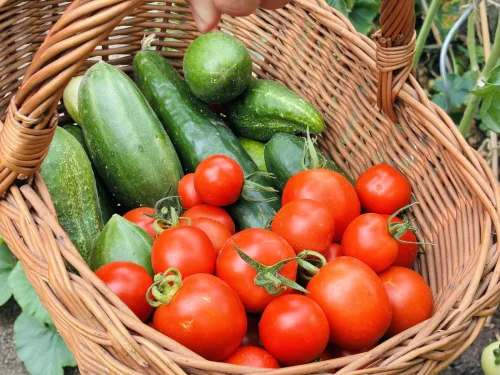
The More Often You Harvest, the Longer Plants Keep Cropping
With fruiting vegetables, frequent picking keeps plants flowering and producing for longer. A few crops, such as aubergines, are tastiest when harvested slightly earlier rather than fully mature.
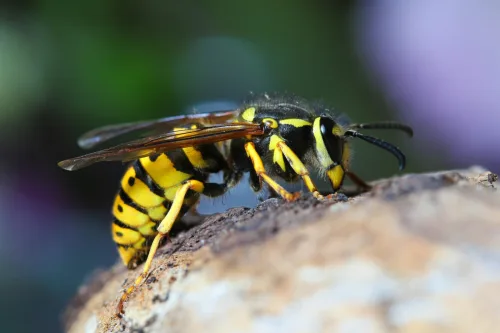
Wasps Aren’t Just a Barbecue Menace They Can Ruin Your Garden Woodwork Too
Weathering isn’t always the main culprit behind damaged outdoor timber. Wasps can scrape fibres from boards and beams surprisingly fast, leaving grooves that soak up water and accelerate decay.
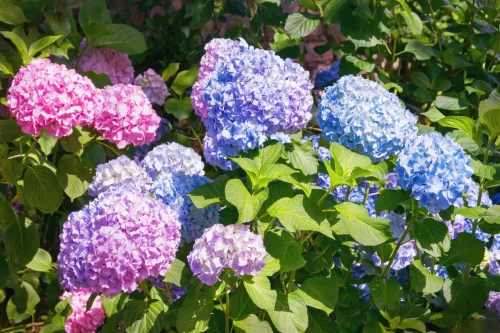
Why hydrangeas wilt in summer even when watered and how to save them fast
Hydrangeas can look limp in hot weather even if you’ve been watering faithfully. The key is to check what’s happening in the root zone, then adjust watering, shade and mulching so the plant can actually use the moisture available.
Comments (0)
Be the first to comment.