
 English
  Polski
  Deutsch
  Nederlands
  Svenska
  Norsk
Norsk  Dansk
Dansk  Français
  Italiano
  Español
  Português
  Slovenčina
  Suomi
Suomi  Gaeilge
 How to Grow Crisp-Leaf Lettuce
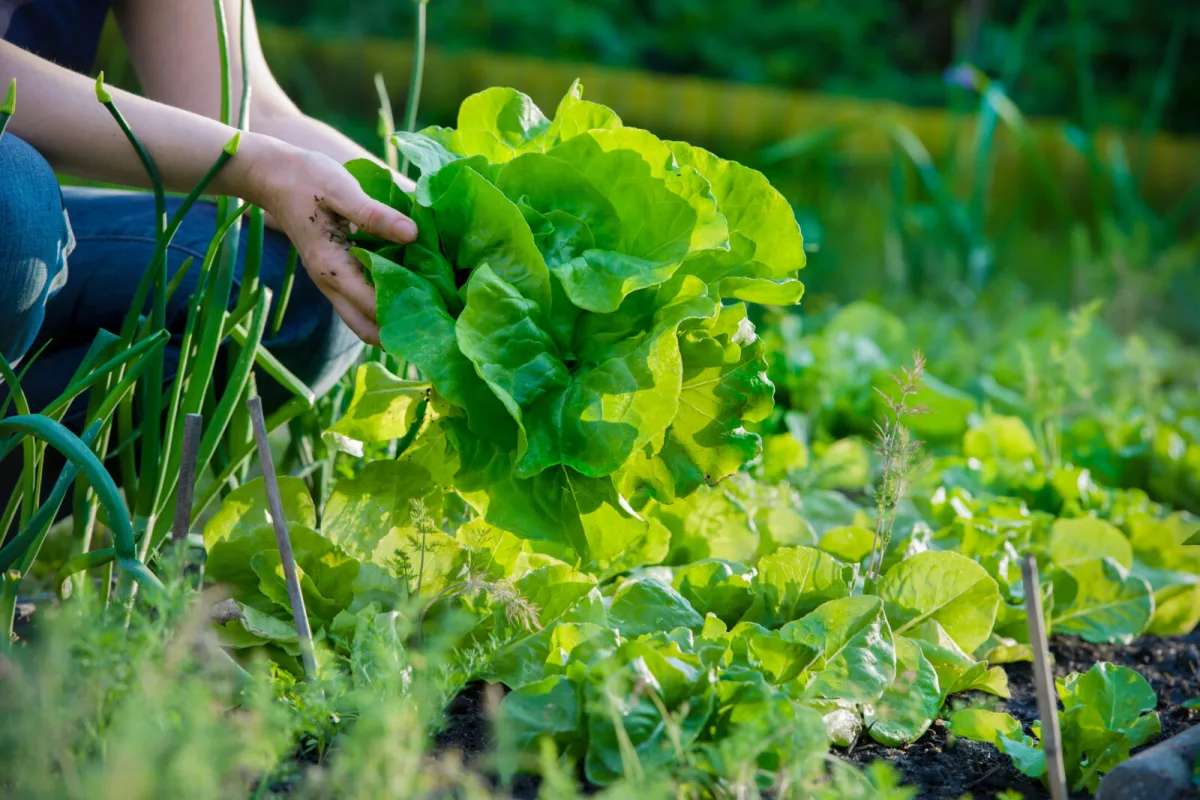
Head lettuce is one of the most rewarding spring vegetables because it grows quickly and even beginners can raise it successfully. It can be eaten on its own, but it’s just as good as a light side dish that brightens up a meal. The leaves contain a range of vitamins and minerals, and lettuce is valued for its higher folate content as well. In everyday nutrition it’s often mentioned as helpful when you feel tired, for supporting digestion, and as a good part of a heart- and vessel-friendly diet.
There are many varieties, differing in colour, head shape and flavour. The length of the growing period depends on the variety and on whether you raise transplants or sow straight outdoors. Typically it ranges from about 30 to 110 days, with spring types often finishing within roughly 75 days.
When and how to sow for an early harvest
If you want to harvest as early as possible, it pays to raise transplants. Sowing is done in winter, usually from January to February, into trays or cell modules filled with compost. Seeds can be sown in rows or broadcast, and you can sow fairly thickly because you’ll prick the seedlings out later.
When raising seedlings, keep the daytime temperature at around 15 °C and don’t let it drop below 10 °C at night. Once the plants have two true leaves, it’s a good time to pot them on. For a few days after potting on they benefit from around 18 °C; then it’s better to move to about 14 °C and keep night temperatures roughly between 10 and 13 °C. Water sparingly, give plenty of light, and ventilate regularly so the seedlings don’t become leggy.
If you have a cold frame, polytunnel or greenhouse, you can simplify the process and move young seedlings straight into the soil without the extra step of pricking out into modules.
Direct sowing into beds and timing for summer lettuces
Some varieties can be sown directly outdoors, or under glass. Sow in rows about 30 cm apart. Depending on the weather and the specific variety, sowing usually starts from around mid-March, with harvest from late spring into early summer. Summer varieties are often sown straight into the bed during April and May.
When to plant lettuce out and how deep to set it
Spring transplants with at least four true leaves are planted out from roughly March to the end of April, and all-season varieties later as well. Typical spacing is about 25 × 25 to 30 cm; for more vigorous types it’s worth leaving up to around 40 cm between plants.
Head lettuce likes a shallower planting depth. It’s important that the plant’s growing point stays at least about 1 cm above soil level; otherwise it can rot and the head forms poorly. For good head formation it does best at temperatures around 12 to 15 °C. After planting, occasional hoeing and an even watering routine help a lot. If you want to speed growth and reduce pest pressure at the same time, you can cover newly planted seedlings with horticultural fleece for a few weeks.
Thoughtful companion planting works well too. Lettuce typically grows happily alongside spinach, radishes, carrots or onions.
Care during growth and correct watering
The best soil is a free-draining loam with a near-neutral reaction, roughly pH 6 to 7. The site should be sunny and on the warmer side because that speeds growth, although lettuce will also cope with partial shade. Let the soil guide your watering: once it’s dry about 1 cm down, it’s time to water. Direct water to the roots, not onto the leaves. Waterlogging is often a problem, as it encourages disease and tends to weaken the plant.
Harvest, the right moment, and short-term storage
You don’t have to harvest all heads at once—you can cut them as needed. Wait until the head is mature and the centre feels firm to the touch. At the same time, it’s important to harvest before the lettuce starts to bolt, because the leaves then turn bitter quickly.
Harvesting in the morning is ideal. Cut the head just above ground level and remove the outer leaves. Lettuce doesn’t keep for long after harvest, but you can extend its life by storing it in the fridge, for example wrapped in a damp tea towel.
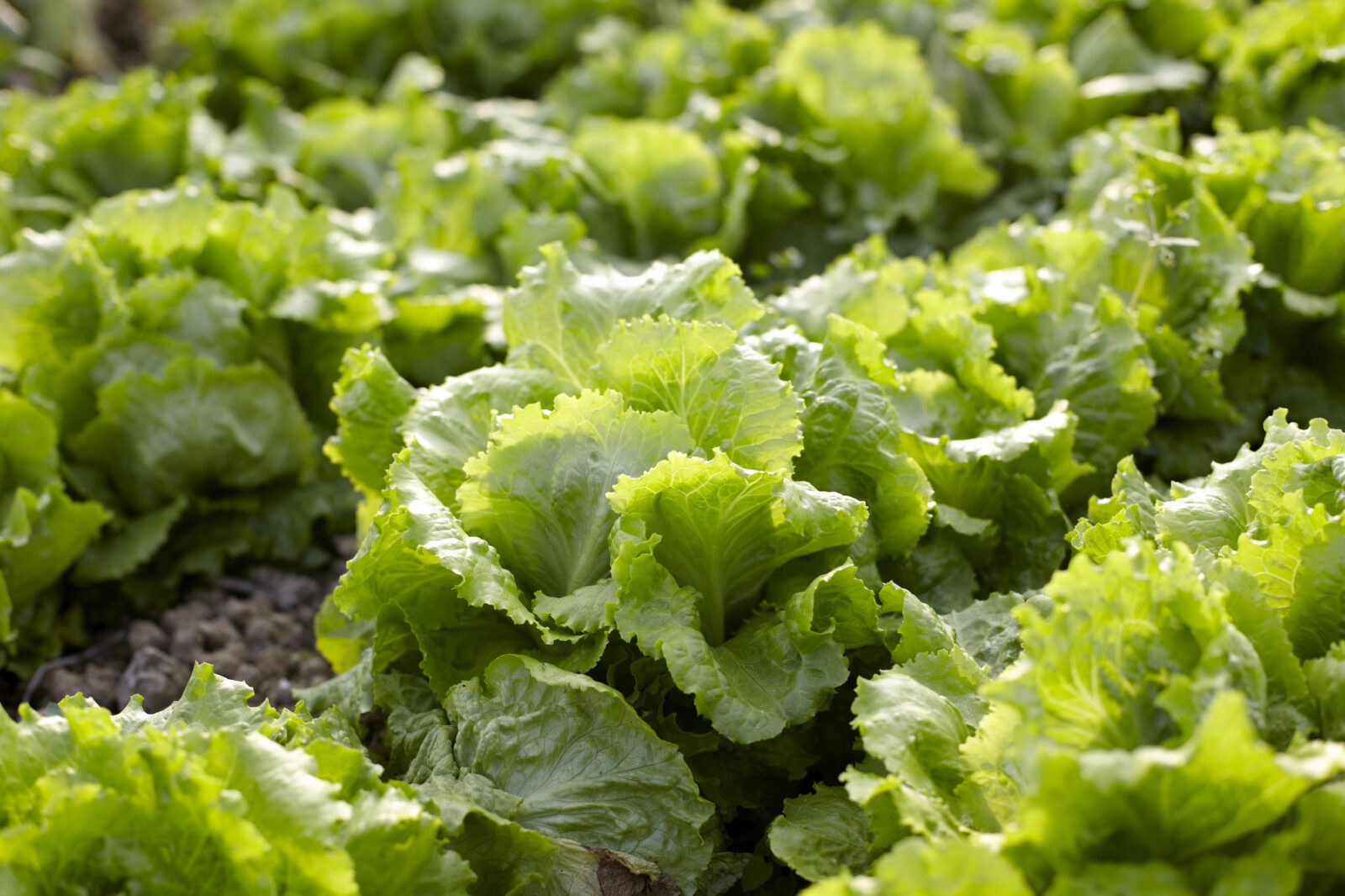
Diseases and pests, and protection from slugs
In the garden, expect lettuce to attract pests and to suffer from diseases from time to time. Slugs and snails are common, as are aphids, and among fungal issues, powdery mildew can appear. As prevention, raised beds work well because they reduce pressure from pests that move along the ground.
If you don’t have a raised bed, a simple beer trap can help against slugs. Sink a glass into the soil so that about a 1 cm rim remains above the surface, then fill it about two-thirds full of beer. The pests are attracted and end up in the trap.
For aphids, a natural spray is often suitable, and smart companion planting can help too. For example, chives planted nearby can deter insects with their scent.
Reliable varieties for spring, summer and all season
Amur is an early spring variety that typically forms firm, round, light-green heads. It’s known for resistance to downy mildew and usually bolts less; the growing period is about 65 to 75 days.
Adinal is an all-season butterhead type. It forms medium-sized heads with blistered leaves and is also praised for decent keeping quality.
Červánek is a Czech early variety with red-tinged leaves and medium-sized heads. It suits spring and autumn growing, both outdoors and in a greenhouse.
Jupiter is a summer variety that copes better with drier conditions. It tends to be more resistant to mildews and viral mosaic, and it forms larger, well-closed heads with a pleasant flavour.
Mona is often recommended for early spring planting and for growing through a long part of the season, roughly from April to September. Heads are typically medium-sized.
Pražan is classed as an iceberg lettuce. It’s usually sown from March to May, can be grown in beds or in a greenhouse, and is harvested roughly from July to September.
Mars is a very early summer type with medium-sized heads. It can handle weather swings and cooler temperatures, and suits growing in spring as well as autumn.
Source: Moj dom, RHS, The Spruce, Pestrazahrada.cz

A lover of nature, gardens, and everything that moves, blooms, or grows. He literally grows everything, from herbs to rare species, and he enjoys caring for animals just as much. In his work, he connects modern technology with tried-and-tested grandmotherly methods and is happy when both paths lead to the same goal.
Related articles
The Christmas Amaryllis That Can Bloom for Years but Most People Throw It Away After Flowering
Hippeastrum is a spectacular winter-blooming bulb that, with the right care, will flower again year after year. Learn how to plant it correctly, look after it after flowering, and bring it into dormancy so it reliably reblooms.
How to Grow Winter Garlic for a Much Bigger Harvest
Autumn planting is the key to strong, healthy winter garlic, but the details make all the difference. With the right timing, bed choice, seed-clove treatment and a simple bicarbonate trick, you can noticeably boost yield.
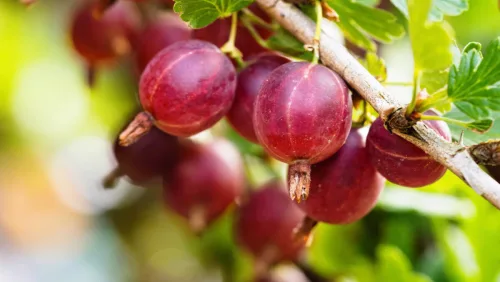
A tree or shrub planted properly in autumn can outpace spring stock and improve fruiting
Many fruit trees and soft-fruit shrubs establish better when planted in autumn, because roots keep growing while the top is dormant. Done well, this head start means stronger spring growth, less watering, and a healthier first year.
Comments (0)
Be the first to comment.