
 English
  Polski
  Deutsch
  Nederlands
  Svenska
  Norsk
Norsk  Dansk
Dansk  Français
  Italiano
  Español
  Português
  Slovenčina
  Suomi
Suomi  Gaeilge
 Canadian Blueberries With Giant Fruit and How to Harvest Bigger, Sweeter Berries
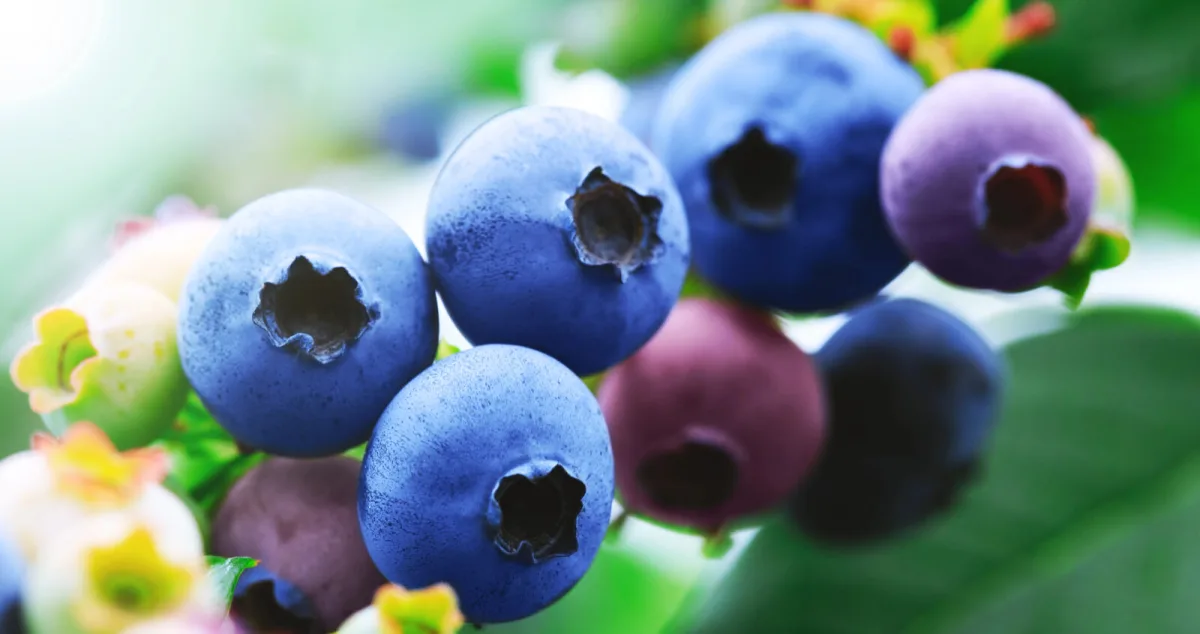
Canadian blueberry, also known as highbush blueberry (Vaccinium corymbosum), is one of the most popular fruiting shrubs in modern edible gardens. Compared with our native bilberry, it has larger berries, higher and more reliable yields, and it’s also easy to pick. “Giant” fruit isn’t just marketing: in some cultivars the berries can be cherry-sized, and with ideal care they can be very sweet and full-flavoured. Size isn’t only about genetics, though—it’s also about soil, moisture, pruning, and pollination.
Blueberry groups and which ones produce the biggest berries
For large fruit, the most common choice is highbush blueberries. In warmer regions, rabbiteye blueberries (Vaccinium virgatum, formerly ashei) also perform well—they’re long-lived, very productive, and often notably sweet. In cooler areas, highbush is usually the safer bet: it winters well and, with the right pH, can form truly hefty clusters of fruit.
Blueberry flavour has more to do with the cultivar and growing conditions than with whether the berry is small or large.
Cultivars for truly large fruit and a long picking season
Among the best-known “jumbo” highbush cultivars is Chandler, with extremely large berries and a longer ripening window. Draper often delivers very good fruit with a firm texture, while Legacy is valued for strong flavour and reliability. In rabbiteyes, the icon for big berries is Titan, often recommended for genuinely huge size, and Ochlockonee for a late crop. For sweet fruit and heavy set, Vernon is frequently mentioned, and as an excellent pollinator and late-season workhorse, Powder Blue. For a home garden, it’s practical to plant cultivars with different ripening times so you can pick steadily all summer.
The foundation of success is acidic soil and healthy roots
Blueberries need an acidic environment, ideally pH 4.5–5.5. At a higher pH, the bush struggles, produces smaller berries, and often turns yellow. If you need to acidify soil properly, elemental sulphur worked into the soil ahead of time is a reliable option, because it acts gradually. A dedicated blueberry (ericaceous) compost is also suitable, along with regular top-ups of acidic organic matter around the bush. It’s important to remember that the roots are shallow and sensitive both to drought and waterlogging—so soil structure and drainage are decisive.
Water, mulch, and sun as the trio for bigger, sweeter berries
Large berries form when the plant has enough water during growth and berry swelling. Even a short dry spell can reduce the size and sweetness of the entire crop. Regular watering helps, and above all a thick layer of mulch extending to the drip line, which holds moisture, keeps roots cool, and stabilises pH. Full sun is best; even partial shade typically reduces not only yield, but also berry size and sugar development.
Pruning as the quickest route to bigger fruit
Highbush blueberries produce their best crops on younger, vigorous wood. Annual pruning isn’t “cosmetic”—it’s a tool for larger berries. The goal is to remove the oldest, heavily woody canes, open up the centre of the bush, and keep several strong young shoots. An overloaded bush with lots of weak twiggy growth will give many small berries; a properly renewed bush produces fewer clusters, but they’ll be larger, firmer, and sweeter.
Pollination and cultivar combinations determine yield
Although many highbush blueberries are self-fertile, for a truly heavy crop it’s better to have at least two compatible cultivars with a similar flowering time. With rabbiteyes, cross-pollination is often essential, and without a pollinator the crop can be poor. Supporting pollinators in the garden, ensuring plenty of flowers nearby, and avoiding sprays during bloom usually translates into fuller clusters and more evenly developed berries.
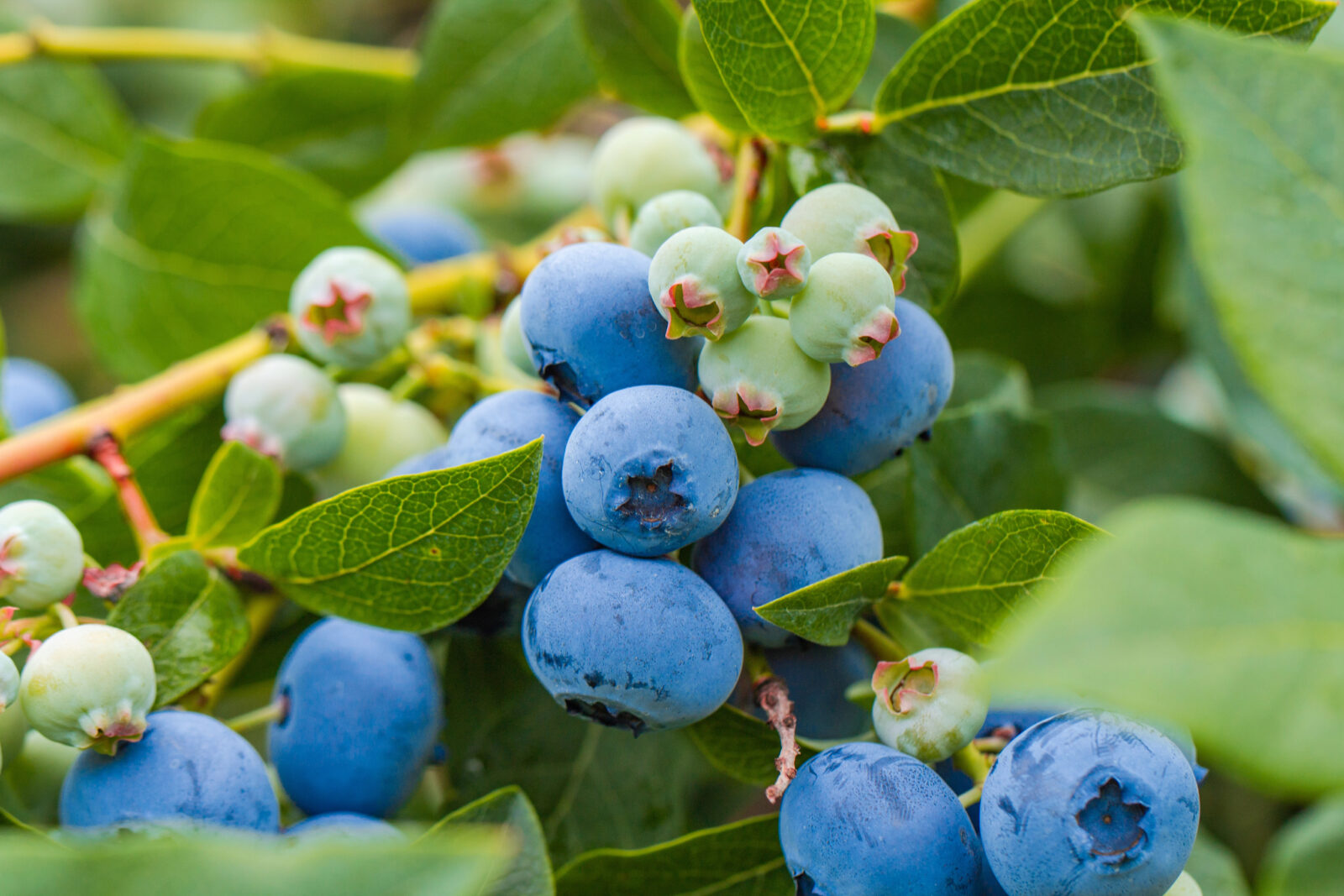
Growing in containers and how not to lose berry size
Blueberries can also be grown on a balcony, especially lower-growing types and compact cultivars. For giant berries, however, you mustn’t underestimate pot volume, acidic compost, and regular watering—because in a container the roots dry out faster. If you want maximum sweetness, choose a sunny spot, mulch the surface of the pot too, and feed with fertilisers formulated for acid-loving plants in smaller doses through the season.
The most common reason for small, tart blueberries
If the berries are small and not very sweet, the cause is often surprisingly simple: not enough water in summer, pH that’s too high, shade, or neglected pruning. Once you get these four factors right, even an ordinary cultivar will start producing larger berries. And if you then choose a “jumbo” cultivar and pair it with a suitable pollinator, you have a very real chance of harvesting blueberries that look more like grapes in size and outclass most shop-bought fruit for flavour.
Source: Rural Sprout, Growables, Pestrazahrada.cz

A lover of nature, gardens, and everything that moves, blooms, or grows. He literally grows everything, from herbs to rare species, and he enjoys caring for animals just as much. In his work, he connects modern technology with tried-and-tested grandmotherly methods and is happy when both paths lead to the same goal.
Related articles
The Christmas Amaryllis That Can Bloom for Years but Most People Throw It Away After Flowering
Hippeastrum is a spectacular winter-blooming bulb that, with the right care, will flower again year after year. Learn how to plant it correctly, look after it after flowering, and bring it into dormancy so it reliably reblooms.
How to Grow Winter Garlic for a Much Bigger Harvest
Autumn planting is the key to strong, healthy winter garlic, but the details make all the difference. With the right timing, bed choice, seed-clove treatment and a simple bicarbonate trick, you can noticeably boost yield.
A tree or shrub planted properly in autumn can outpace spring stock and improve fruiting
Many fruit trees and soft-fruit shrubs establish better when planted in autumn, because roots keep growing while the top is dormant. Done well, this head start means stronger spring growth, less watering, and a healthier first year.
Comments (0)
Be the first to comment.