
 English
  Polski
  Deutsch
  Nederlands
  Svenska
  Norsk
Norsk  Dansk
Dansk  Français
  Italiano
  Español
  Português
  Slovenčina
  Suomi
Suomi  Gaeilge
 This Plant Repels Mosquitoes, Scented Summer Evenings and a Prettier Balcony
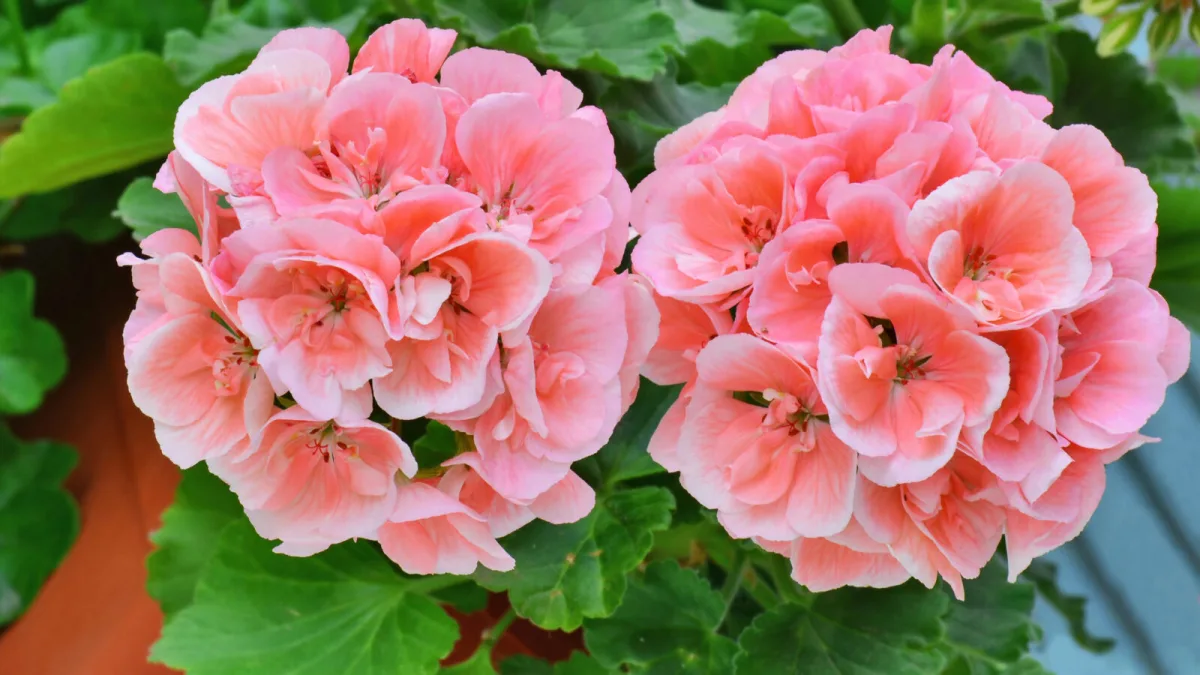
As warm weather arrives, the urge to spend evenings outdoors on the balcony, patio, or in the garden grows, but mosquitoes usually return right along with it. Many people reach for citronella candles or chemical sprays, yet there’s a solution that’s natural, decorative, and surprisingly effective. Pelargoniums with aromatic leaves can perfume the area, brighten it up, and at the same time make it less pleasant for mosquitoes to linger near the places where you relax. And right now is the ideal time to plant them.
A pelargonium isn’t a geranium and it has stronger benefits
People often confuse pelargoniums with “geraniums”, but in reality they have different qualities that are very practical for summer. They tend to have more aromatic foliage, daintier flowers, and in certain cultivars a noticeable insect-deterrent effect, especially against mosquitoes. Some types are grown specifically for this trait, most notably lemon-scented forms known as Pelargonium citrosum.
The fragrance is most noticeable when you touch the leaves or simply brush past the plant. It’s this citrusy, aromatic profile that mosquitoes dislike. They’re highly sensitive to scents, and they often avoid areas that smell unpleasant to them. The result is straightforward: outdoor seating can feel calmer without having to keep reapplying repellent.
The benefit isn’t only practical. Pelargoniums also work well as ornamentals, because they flower in a range of colours and their leaves can be attractively cut and textured. They create a pleasant backdrop, and their scent carries in the evening air from spring onwards.
Why spring is the best time to plant
Pelargoniums are warmth-loving plants and don’t appreciate frost. That’s why planting is recommended once the risk of late ground frosts has passed. Spring brings more light and steadier temperatures, helping the plant root in well, put on strength faster, and start flowering sooner.
If you plant early enough, by late May to early June it can already be well established and ready to fragrance the space just as the first waves of mosquitoes appear. Planting too late often means a slower start, later flowering, and therefore a weaker effect during the period when you most want to sit outside.
Where pelargoniums work best and how to give them the right conditions
They’re easy to grow, which is another reason they suit beginners. They do well in full sun or light partial shade and can be grown in containers or in the ground. On a balcony, they shine in a window box in a bright spot; in the garden, they can edge a path or fill a bed near the patio.
What matters is a light, fertile, and above all well-drained compost, which you can enrich with a little composted organic matter. Water regularly but moderately. It’s better to let the potting mix dry slightly between waterings than to keep it wet, because prolonged damp can damage the roots.
If your main goal is to reduce mosquitoes, choose varieties with strongly scented foliage. Besides lemon-scented types, there are also forms that smell like mint or rose. They’re most effective where mosquitoes are most bothersome, near a table, garden seating, or by a sun lounger. There, pelargoniums act as a fragrant barrier that complements other simple steps, such as reducing standing water nearby.
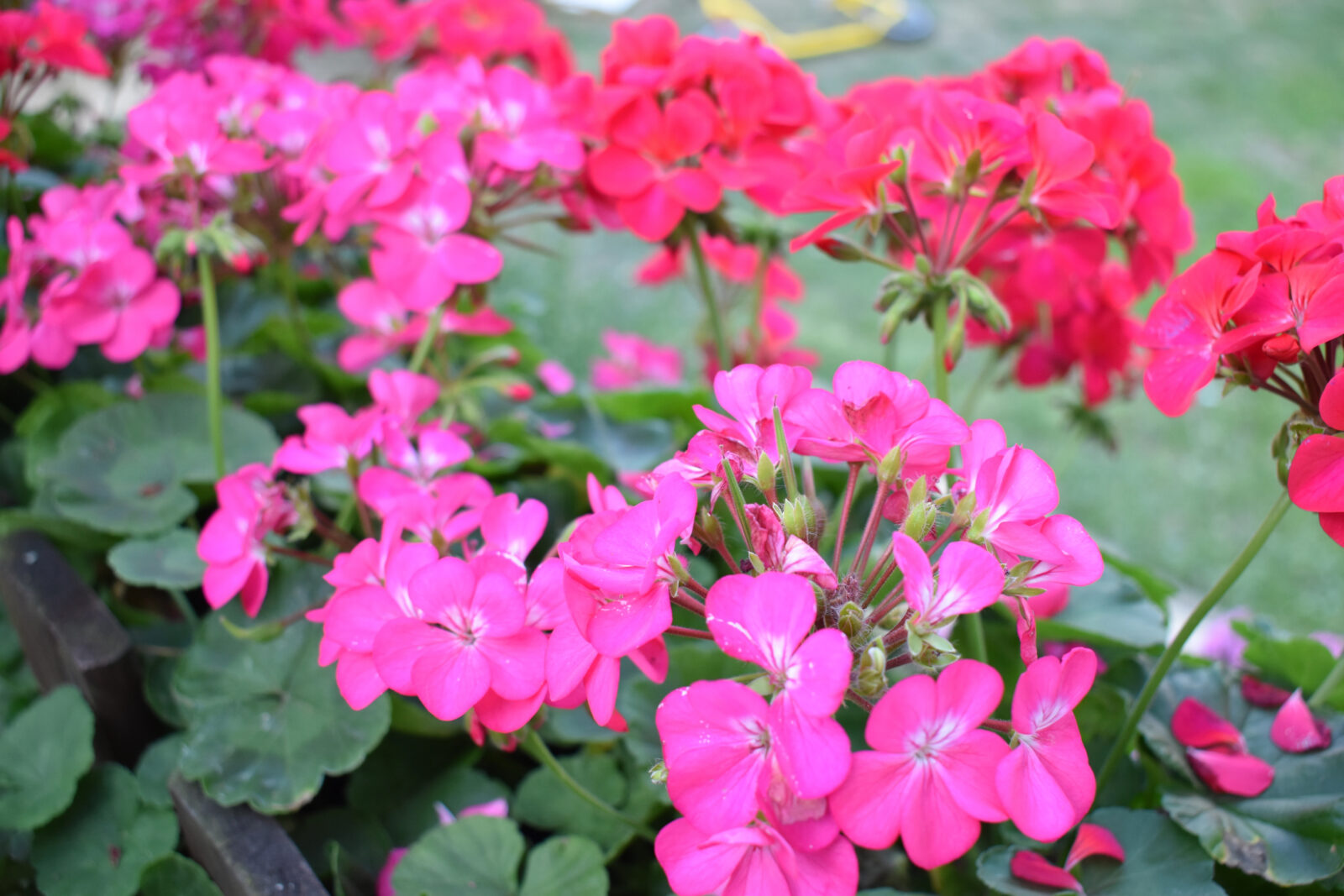
It flowers for a long time and needs minimal care
Once the plant is established, it doesn’t require complicated intervention. To encourage more blooms, it’s worth removing spent flowers regularly. If you add a fertiliser for flowering plants about once every two weeks, pelargoniums can bloom right through to October, and longer in milder areas.
Another advantage is that you can keep the plants for next season. In autumn, before the first frosts, pots can be moved to a sheltered place, or you can take cuttings and overwinter them. That way you don’t have to start from scratch every spring, and you can easily propagate more plants for both balcony and garden.
A useful choice for a more gentle garden
Pelargoniums also fit a low-chemical approach. By using a fragrant plant instead of harsh repellents, you’re kinder to your surroundings and to your own comfort. Interestingly, while mosquitoes often dislike the scent, the flowers may attract pollinators such as bees and butterflies, which help maintain a natural balance in the garden.
One plant that plays several roles at once
Pelargoniums bring several benefits together: they look good, smell strongly, are easy to grow, and can help create a space that’s less attractive to mosquitoes. If you want to spend more summer evenings outside with fewer interruptions, it pays to think about planting in good time. Right now is the period when they can get off to the best start and reward you with lush growth and fragrance in peak season.
Source: Farmingdale Observer, Pestrazahrada.cz

A lover of nature, gardens, and everything that moves, blooms, or grows. He literally grows everything, from herbs to rare species, and he enjoys caring for animals just as much. In his work, he connects modern technology with tried-and-tested grandmotherly methods and is happy when both paths lead to the same goal.
Related articles
The Christmas Amaryllis That Can Bloom for Years but Most People Throw It Away After Flowering
Hippeastrum is a spectacular winter-blooming bulb that, with the right care, will flower again year after year. Learn how to plant it correctly, look after it after flowering, and bring it into dormancy so it reliably reblooms.
How to Grow Winter Garlic for a Much Bigger Harvest
Autumn planting is the key to strong, healthy winter garlic, but the details make all the difference. With the right timing, bed choice, seed-clove treatment and a simple bicarbonate trick, you can noticeably boost yield.
A tree or shrub planted properly in autumn can outpace spring stock and improve fruiting
Many fruit trees and soft-fruit shrubs establish better when planted in autumn, because roots keep growing while the top is dormant. Done well, this head start means stronger spring growth, less watering, and a healthier first year.
Comments (0)
Be the first to comment.