
 English
 Polski
 Deutsch
 Nederlands
 Svenska
 Norsk
 Dansk
 Français
 Italiano
 Español
 Português
 Slovenčina
 Suomi
 Gaeilge
In Mid-November You Can Still Safely Plant Trees, Fruit Bushes and Roses

Mid-November can still be a suitable time for planting a wide range of garden plants. The deciding factor is the condition of the soil. If it isn’t frozen and can be worked without difficulty, you can continue planting both ornamental and productive woody plants. At this time of year, container-grown trees and shrubs, bare-root deciduous stock, and evergreens sold with a root ball all establish well.
Alongside ornamentals, you can still start new fruit plantings. This applies to fruit trees and bushes too, which still have a chance to root in well before hard frosts arrive. An autumn planting date is often advantageous because there is more natural moisture in the soil, and plants can get going in spring without much delay.
After planting, root protection is essential
Newly planted woody plants need protection before winter so frost doesn’t damage their roots. A thicker layer of organic mulch helps a great deal, limiting how deeply the soil freezes and keeping moisture levels more even at the same time. Suitable materials include compost, bark, fallen leaves, or other natural matter that will gradually break down.
If needed, you can also transplant younger shrubs at this time of year. Some species can be propagated at the same time by division, which is an easy way to get new plants and, at the same time, rejuvenate an older clump or shrub.
Don’t plant the same fruit species in the same spot
When renewing the fruit area of the garden, it’s worth remembering that replanting the same species in the same place is usually not a good idea. The soil may be depleted in a one-sided way, and diseases or pests typical for that crop can persist there. So if you’re removing an old apple, pear, or plum tree, it’s sensible to consider a different species, or significantly improve the soil and allow the site to rest.
Choosing fruit trees by altitude
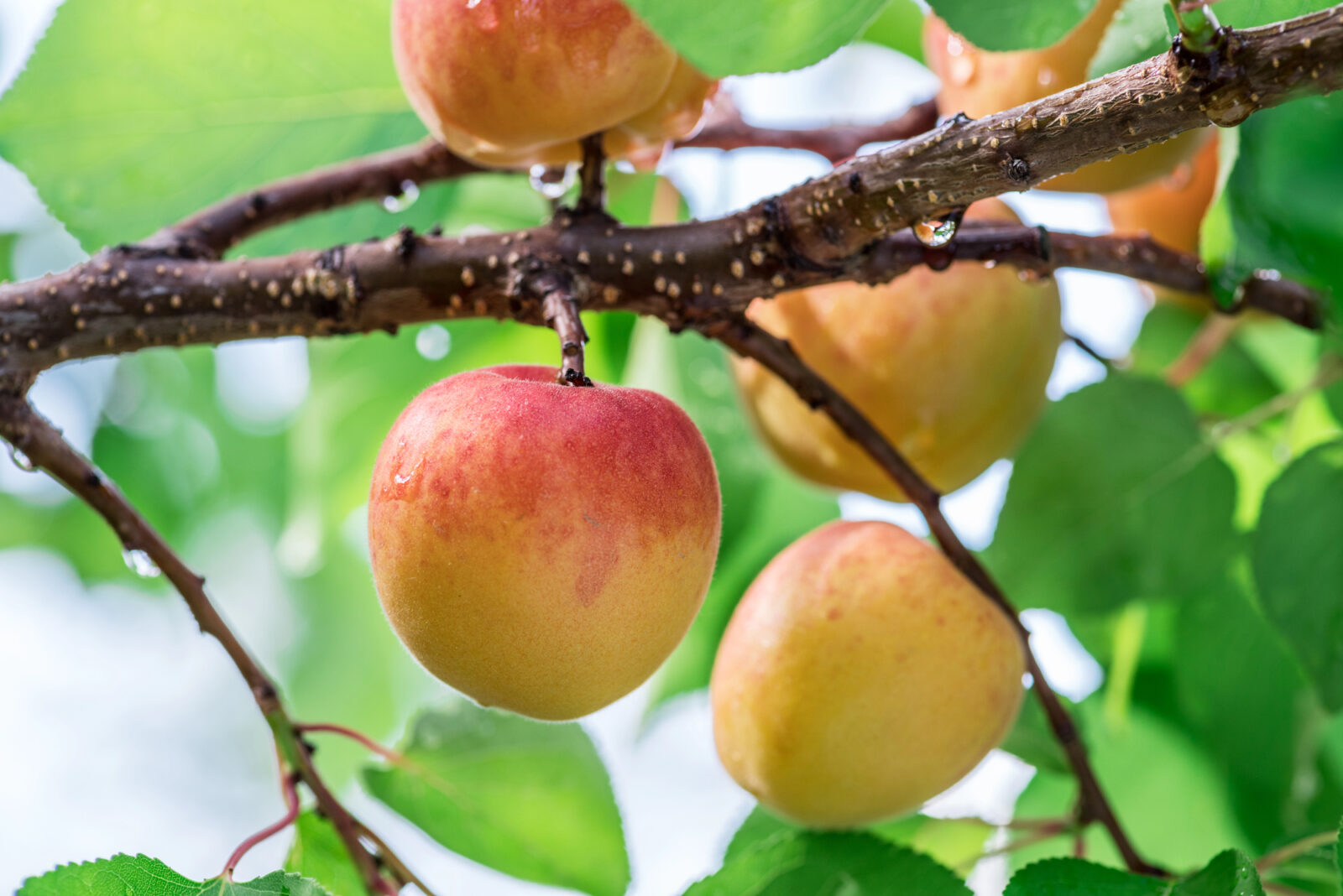
With fruit trees, the garden’s position plays an important role too. Different species have different heat requirements and need varying lengths of growing season, so they suit different altitudes. Warmth-loving peaches and apricots usually perform best in lower-lying areas up to about 250 m above sea level. Pears and walnuts also cope with sites up to 500 m.
Sweet cherries, sour cherries, plums and other Prunus types can do well up to roughly 600 m above sea level. Of the commonly grown fruits, apples tend to be the most adaptable and can be grown successfully even around 700 m above sea level. Choosing the right species and cultivar for local conditions greatly increases the chance of healthy growth and a regular harvest.
Roses can be planted in autumn too
Roses are among the plants that can be planted from spring through autumn and, if the weather cooperates, even into November. With bare-root plants, it’s advisable to shorten both shoots and roots before planting, cutting back into healthy tissue. With roses grown in a pot, typically only the top growth is reduced, while the root ball is disturbed as little as possible.
For planting, prepare a hole about 30 cm deep and around 40 cm wide. It’s worth mixing compost into the backfill soil to improve structure and nutrient supply. The rose should be set slightly deeper than it was growing before, by about 5 cm. The graft union should sit below the soil surface, as this helps protect the named variety grafted onto the rootstock from winter damage.
How to protect roses from winter frosts
After planting, it’s important to secure roses well for winter. Along with heaping soil up around the base, a mulch of sawdust or other suitable material also helps. In exposed sites and during snowless spells, you can use horticultural fleece to protect against hard, dry frosts. Sharp freezes without a covering of snow are often more dangerous for roses than a long but steady winter.
If the soil hasn’t frozen yet, November can still be a very good time for planting woody plants and roses, as long as you don’t neglect to protect the roots and above-ground parts from frost after planting.
Autumn planting can therefore be a practical way to prepare your garden for the next season. Plants settle in quietly over winter and, in spring, usually get off to a faster start than those planted later. All it takes is choosing the right species, respecting the conditions of the site, and giving new plants careful protection.
Source: Pestrá zahrada, Ideal Home, Thrive, Pestrazahrada.cz

A lover of nature, gardens, and everything that moves, blooms, or grows. He literally grows everything, from herbs to rare species, and he enjoys caring for animals just as much. In his work, he connects modern technology with tried-and-tested grandmotherly methods and is happy when both paths lead to the same goal.
Related articles
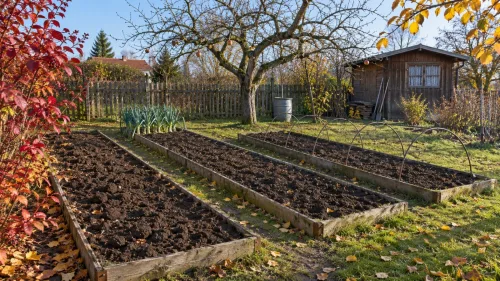
Plant Garlic Now Cool Soil Protects It From Rot Depth and One Small Mistake Matter
November may be quieter in the garden, but it’s prime time to prep beds and plant garlic. Cooler soil helps reduce rot, and correct planting depth plus good technique make all the difference.
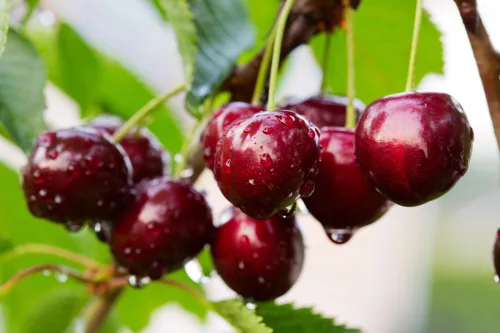
When to Plant a Cherry Tree in Your Garden for Strong Roots and Heavy Crops
Cherry trees establish best when planted during dormancy, either in autumn after leaf fall or in early spring before bud break. The right timing depends as much on soil and weather conditions as it does on the type and quality of the young tree.
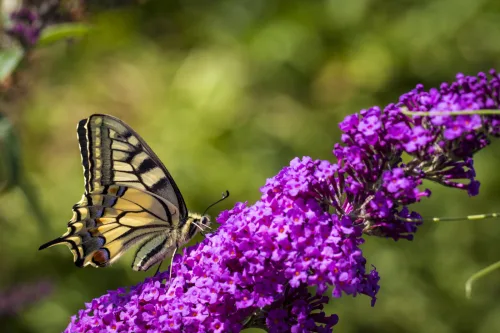
When to Plant a Butterfly Bush for Heavy Bloom and Better Winter Survival
Butterfly bush (Buddleja davidii) rewards you with months of flowers when it’s planted at the right time. Spring planting is usually the safest choice, giving the shrub time to root well before winter.
Comments (0)
Be the first to comment.