
 English
 Polski
 Deutsch
 Nederlands
 Svenska
 Norsk
 Dansk
 Français
 Italiano
 Español
 Português
 Slovenčina
 Suomi
 Gaeilge
Want a Fairy-Tale Garden in Spring Do This Simple Step Before Winter
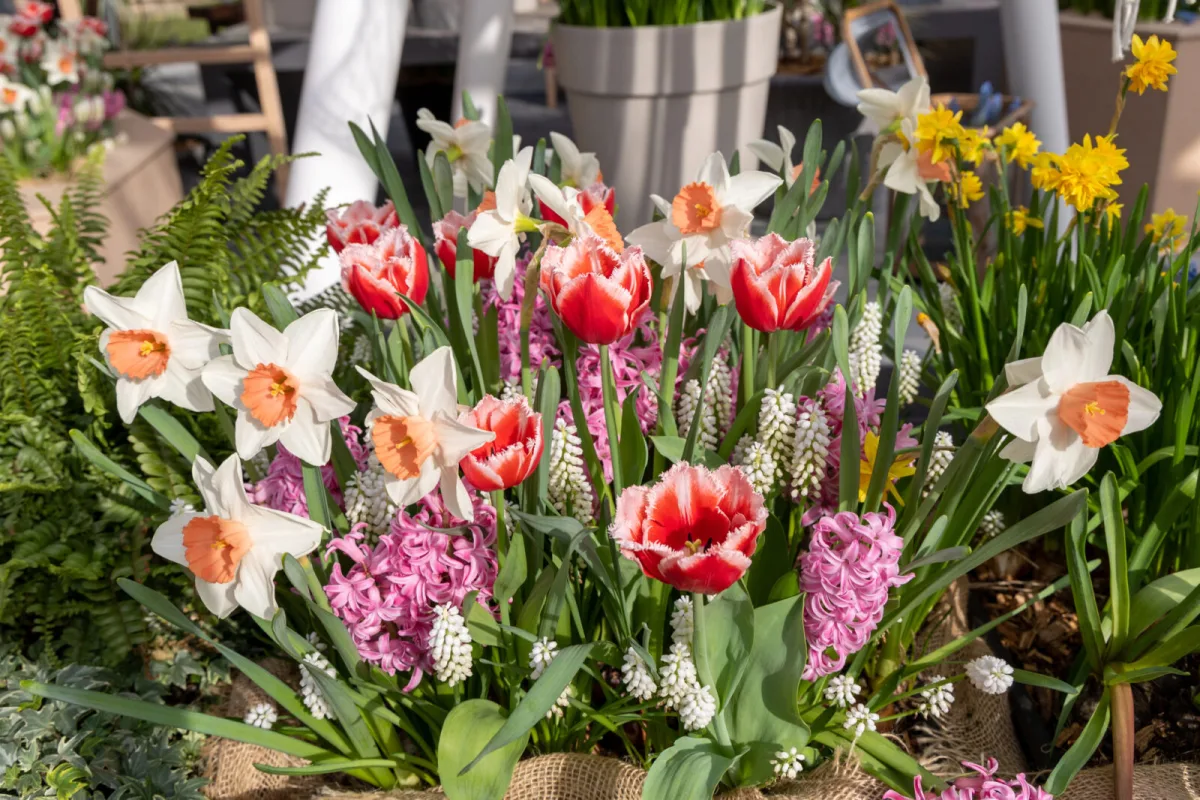
As summer flowers fade and the garden begins to settle down, the ideal time arrives for planting bulbs. In autumn, with very little effort, you can prepare borders, containers and even lawns so they look full of colour and life in spring. Bulbs are one of the most affordable ways to achieve generous flowering from the first mild days right through to early summer.
Their advantage isn’t just looks. They bloom when there are still few flowers in the garden, making them valuable for bees and other pollinators. Give them the right spot and the right planting time and they will reward you with a dependable, often striking display.
When to plant bulbs so they thrive in spring
Most spring-flowering bulbs need a period of winter cold, which is essential for proper development and flowering. That’s why autumn planting matters so much. From September onwards it’s best to plant the kinds that bloom early in spring, such as crocuses, daffodils and hyacinths. Through September and October you can also plant lilies, ornamental alliums and crocosmia.
Tulips are usually best planted in November, when the soil is cooler and the bulbs are less likely to start growing too early or run into disease problems. If you want that spring “flood” of daffodils, tulips or soft carpets of crocuses, don’t put off autumn planting. Winter helps bulbs kick-start the process that leads to strong, healthy flowers.
Colour choices and planting design shape the overall effect
Bulbs offer a wide spectrum of colours, from delicate pale tones to rich, high-contrast combinations. Some gardeners prefer calm harmony in closely related shades, while others love bold pairings of yellow, purple, pink and red. Neither approach is wrong; what matters is that the whole scheme suits the character of the garden and ties in with surrounding planting.
When planning, think ahead to the time after flowering too. Bulb foliage needs a while after bloom so the plant can recharge for next season. At this stage the leaves can look untidy. That’s why it’s sensible to weave in perennials that come into their own later and begin to take over. Cranesbills (hardy geraniums), lady’s mantle and ornamental grasses work particularly well, adding bulk and another decorative layer to the border.
Companions for borders and for spots beneath trees
Well-chosen plant combinations help keep the garden attractive for more of the year. Bulbs shine in early spring, then summer perennials or groundcover plants take over. This way the border doesn’t look empty after flowering, and the change between seasons feels natural.
Many bulbs also do well in shadier parts of the garden, especially under deciduous trees. In late winter and early spring they still get plenty of light because the canopy hasn’t fully leafed out. After flowering they can die back naturally into the soil. In these spots, it helps to add plants that will fill the space later. Foamflower (Tiarella), epimedium, lungwort, ferns or shade-tolerant cranesbills are all excellent choices.
Under trees, bulbs can create a very natural spring scene that feels effortless yet elegant.
Planting in containers brings spring closer to the house
Autumn planting of bulbs in pots and other containers is an excellent option for terraces, courtyards, front doors and small urban gardens. A big advantage is being able to place spring flowers exactly where you’ll see them most. It’s essential to use containers with drainage holes and a high-quality, free-draining compost. If you need to improve drainage, adding a coarser component will help.
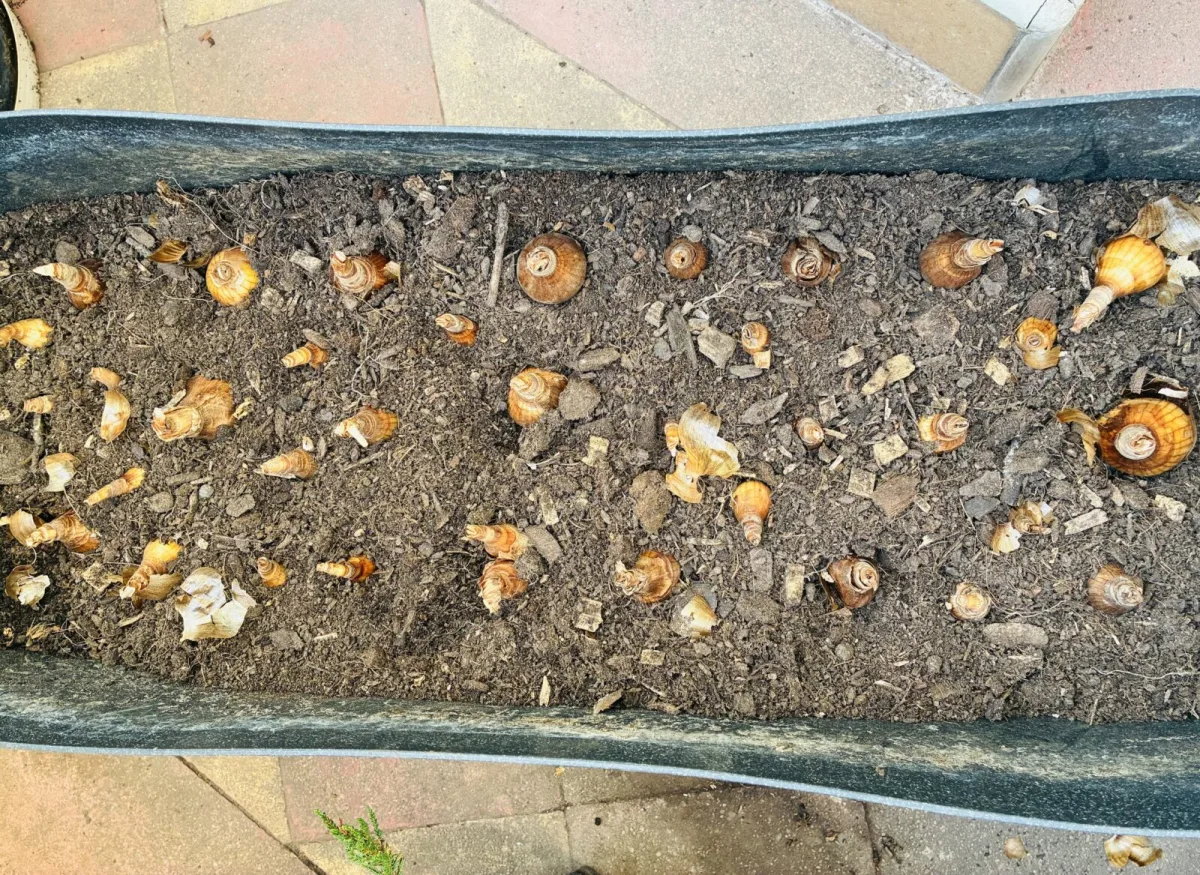
In containers, bulbs are usually planted more densely than in open ground so the display is more impactful. Even so, leave a little space between them and don’t let them touch. Layering different types by flowering time is very popular: put tulips at the bottom, daffodils above them and crocuses closer to the surface. The container will then come into flower in succession over several weeks.
Natural-looking bulbs in the lawn
You can also achieve a very impressive result by planting into grassy areas. Daffodils, snowdrops, crocuses or smaller botanical tulips can brighten a lawn in a gentle, natural way. They also provide early food for insects, and many kinds gradually spread on their own.
If you want the planting to look unforced, avoid neat rows. A much more natural effect comes from scattering bulbs loosely across the area. After flowering, don’t rush to mow. The leaves need time to die back so energy can return to the bulb. This patience is the key to flowers returning year after year.
Bulbs can also bloom indoors during winter
Some types are also suitable for growing indoors during Advent and the winter holidays. Paperwhite daffodils and hyacinths are especially popular, bringing not only colour but also a strong fragrance. With forcing, they can flower earlier than would be possible outdoors.
At first they need a cooler, darker place to develop roots. Once shoots appear, they can be moved to a bright spot indoors. Prepared this way, bulbs can lift the season when there’s little greenery or blossom outside and give the home a fresher feel.
A small autumn step with a big spring payoff
Planting bulbs in autumn is one of the simplest gardening tasks, with an exceptionally rewarding result. All it takes is choosing suitable types, timing it correctly and giving them a good site. Whether you plant them in borders, under trees, in pots or in the lawn, you’ll get a vibrant, colourful spring garden with very little work.
That’s exactly where their magic lies. While the garden rests quietly in autumn, the foundations of next season’s display are already being laid beneath the soil. Plant bulbs in good time and with a bit of thought, and after winter you can look forward to the first bold wave of colour, scent and new life.
Source: RHS, Almanac , Pestrazahrada.cz

A nurse by profession, she is passionate about healthy living, nature, and everything that benefits both people and the world around them. In her free time, she enjoys gardening, cooking, sewing, and caring for her family. In her articles, she loves combining professional expertise with practical experience from the garden and everyday life.
Related articles
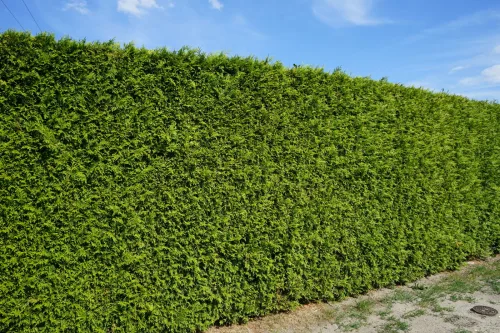
What to Plant Along a Fence Instead of Thuja
Thuja may be the default choice for screening, but it’s far from the only evergreen option. These three shrubs and trees create year-round privacy with a fresher, more distinctive look.
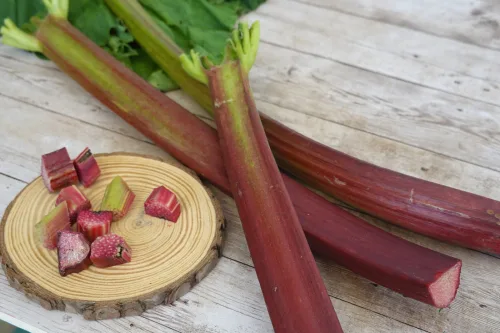
Rhubarb planted in November shrugs off the cold and is almost indestructible patience after planting is the key
Rhubarb is a remarkably hardy perennial vegetable that will crop for years with minimal fuss, even in cooler gardens. The secret is giving it space, rich moisture-retentive soil, and resisting the urge to harvest too soon.
The Prettiest Fall Window Boxes Don’t Rely on Just One Flower
Fall window boxes and outdoor containers don’t have to be built around chrysanthemums alone. Mix foliage plants, seasonal bloomers, trailing accents, and a few small decorations for a fuller look that lasts for weeks.
Comments (0)
Be the first to comment.