
 English
 Polski
 Deutsch
 Nederlands
 Svenska
 Norsk
 Dansk
 Français
 Italiano
 Español
 Português
 Slovenčina
 Suomi
 Gaeilge
Is your oleander dropping leaves in winter It might not be a problem the mistake is what you do next
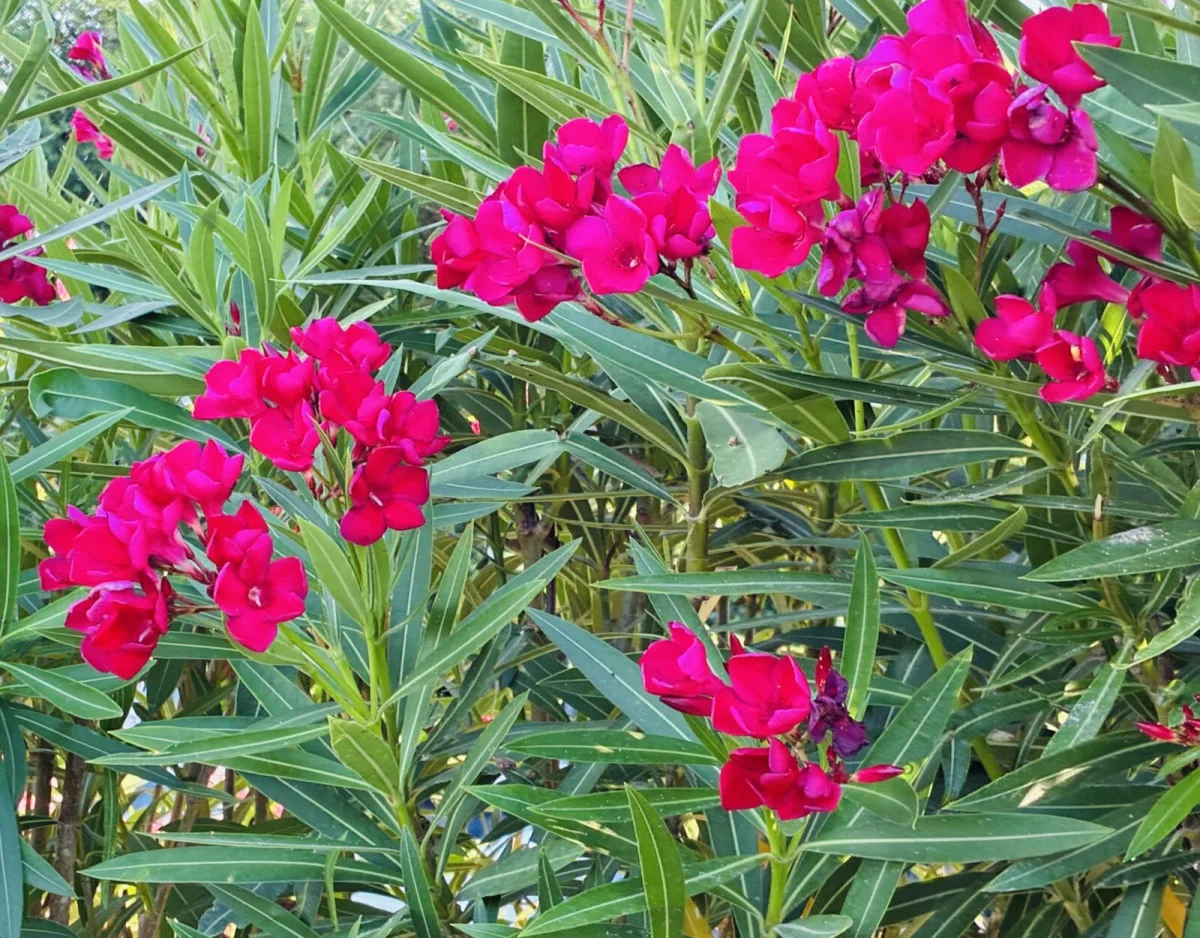
Oleander is one of the most popular container plants, decorating patios, courtyards and gardens through the warm months with abundant blooms and a strong fragrance. But as soon as temperatures start to drop, the question arises: what next? Bringing an oleander indoors may sound like an easy fix, but this plant has specific needs. It requires plenty of light, can grow to a substantial size, and in winter it needs a slightly different routine than it does in summer.
For growers in colder regions, overwintering oleander indoors is often the only way to carry the plant through to the next season. With the right care, it can restart growth in spring and reward you with fresh flowers in summer. The key is knowing when to bring it in, how to prepare it, and what conditions to provide over winter.
When you need to move oleander into shelter
Oleander will tolerate a touch of chill, but prolonged exposure to low temperatures can harm it. It’s not only the roots and leaves at risk, but also the flower buds for next season. Where temperatures only dip occasionally, a thicker layer of mulch around the root area may help. In places where cold winters are the norm, it’s safer to move the plant indoors, or at least into a protected, frost-free space.
It’s practical to grow oleander in a pot year-round. With older, established specimens, lifting them from open ground and returning them to a container can be difficult, so it’s best to plan ahead for winter moving. In spring and summer the plant can stay outdoors as a patio feature, but in autumn it should be brought under cover in good time.
Preparation before overwintering
Before moving oleander indoors, it’s worth tidying it up with a bit of pruning. After flowering, it helps to shorten spent shoots by about half and lightly pinch back the remaining branches. This keeps the plant more compact, makes it easier to position indoors, and often encourages better flowering the following season. There’s no need for a hard prune every year, but regular shaping is beneficial for container growing.
Before you bring it in, check the plant’s health, remove any damaged parts, and consider whether the pot has become too cramped. However, repotting is not ideal right before the winter rest. If it needs a larger container or fresh compost, it’s better to leave that job for a more suitable time.
How to care for oleander during the winter months
Winter care for oleander isn’t difficult, but it does need to match its natural resting period. From late autumn until roughly the end of February, the plant prefers a drier regime. Watering should be limited so the potting mix isn’t constantly wet. Too much moisture combined with cool conditions can lead to root problems.
The best spot is bright and cool, but above freezing. The cool temperature helps the plant settle into dormancy. At this time, there’s no need to push growth, so don’t rush into feeding. More important than fertiliser is restrained watering and a stable environment without sharp fluctuations.
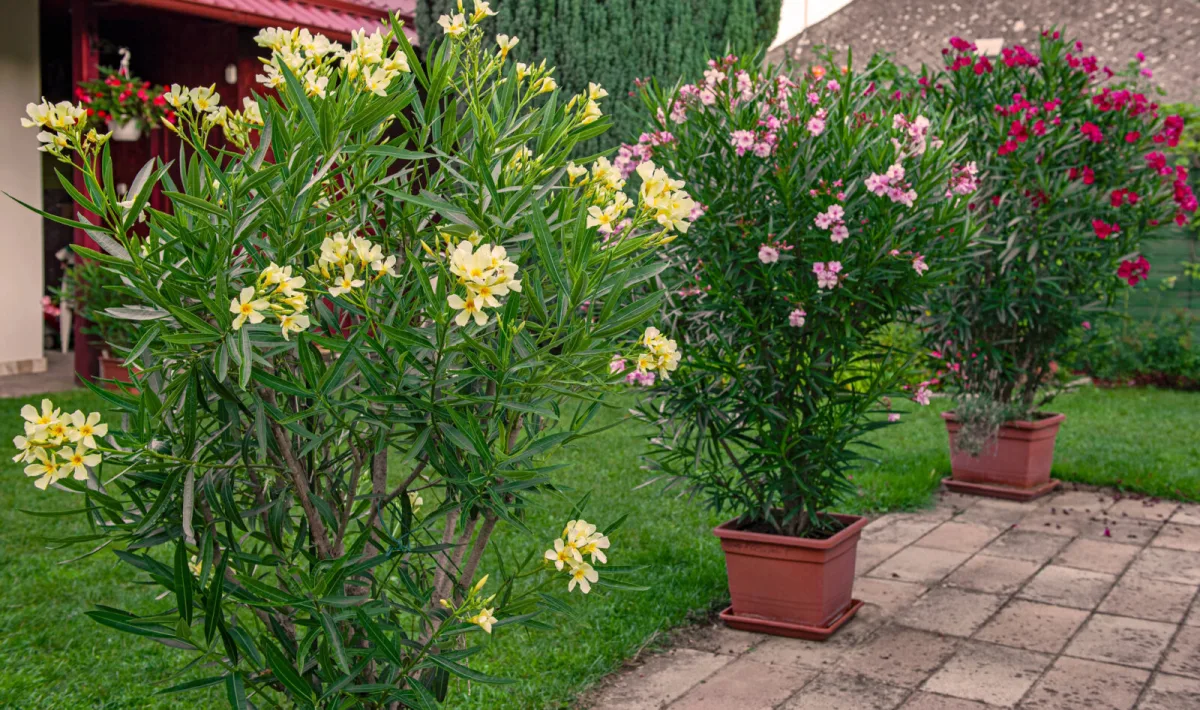
Why oleander rests in winter
Like many other plants, oleander goes through a period of winter dormancy. Cooler weather and shorter days slow its growth and can sometimes cause partial leaf drop. That doesn’t have to indicate a problem, but rather a natural response to less favourable conditions. In fact, trying to keep the plant in active growth through winter often weakens it.
Once days lengthen and temperatures rise in spring, oleander will start to come back to life. That’s when it’s appropriate to gradually increase both watering and light. The plant shouldn’t be “woken up” abruptly, as a sudden change in routine can stress it. A gentle transition is always safer.
Spring wake-up and moving back outdoors
From late winter onwards, you can slowly increase watering. As warmer days arrive, you can begin feeding too. Start with a fertiliser higher in nutrients to kick-start growth, then move to a balanced feed that supports strong leafy growth as well as flowers. If the plant sets few buds, a bloom-boosting fertiliser can help.
Moving it outside should be gradual. Oleander needs time to adjust to stronger sun, wind, and changeable outdoor temperatures. At first, expose it to outdoor conditions only briefly, then extend the time outside day by day. At the same time, you can gradually increase watering. This slow changeover reduces the risk of shock from a sudden environmental shift.
When to repot and what to watch out for
If your oleander needs repotting, it’s not ideal to do it when it’s about to flower or is already forming buds. The best time to repot is after flowering. Many growers find autumn works well as part of the regular pre-winter routine. The plant has time to settle, and at the same time it’s heading into its resting period.
The biggest mistakes when overwintering are keeping it too warm, watering too much, and moving it too quickly into direct outdoor sun in spring. If you avoid these issues, oleander has an excellent chance of getting through winter in good condition and flowering abundantly again next season.
Oleander does best when it has cool conditions in winter, plenty of light and only modest watering. In spring, it needs to be brought back into growth gradually, not all at once.
With the right approach, oleander can become a long-lived container plant that will enhance your outdoor space for many years. Winter care isn’t complicated; it simply requires understanding that during the cold season the plant doesn’t need to grow, but to rest. Those who respect this rhythm are rewarded in summer with a healthy shrub, fresh foliage and lots of flowers.
Source: Gardening Know How, Gardeners World , Pestrazahrada.cz

A nurse by profession, she is passionate about healthy living, nature, and everything that benefits both people and the world around them. In her free time, she enjoys gardening, cooking, sewing, and caring for her family. In her articles, she loves combining professional expertise with practical experience from the garden and everyday life.
Related articles

Eucalyptus can be quite demanding, the right pruning and care are the key to healthy growth
Eucalyptus can make a striking specimen, screen or neatly maintained shrub, but it only thrives when pruned at the right time and in the right way. Learn when to cut, how to shape it, and how to care for it afterwards so it stays strong and long-lived.
How to Get a Christmas Cactus to Bloom Right on Time for the Holidays
A Christmas cactus will only flower on schedule if it gets the right cues well in advance. Cool temperatures, long uninterrupted darkness, and plenty of bright light through the year make all the difference.
Three simple steps to help rhododendrons and azaleas survive winter and flower at their best in spring
A few well-timed autumn jobs make a real difference to rhododendrons and azaleas. Protect the shallow roots, tidy the plant lightly, and keep watering so shrubs head into winter strong and ready to bloom.
Comments (0)
Be the first to comment.