
 English
 Polski
 Deutsch
 Nederlands
 Svenska
 Norsk
 Dansk
 Français
 Italiano
 Español
 Português
 Slovenčina
 Suomi
 Gaeilge
Cutting Down Thuja in Your Own Garden You Could Face a Fine of Tens of Thousands if You Don’t Check One Key Detail
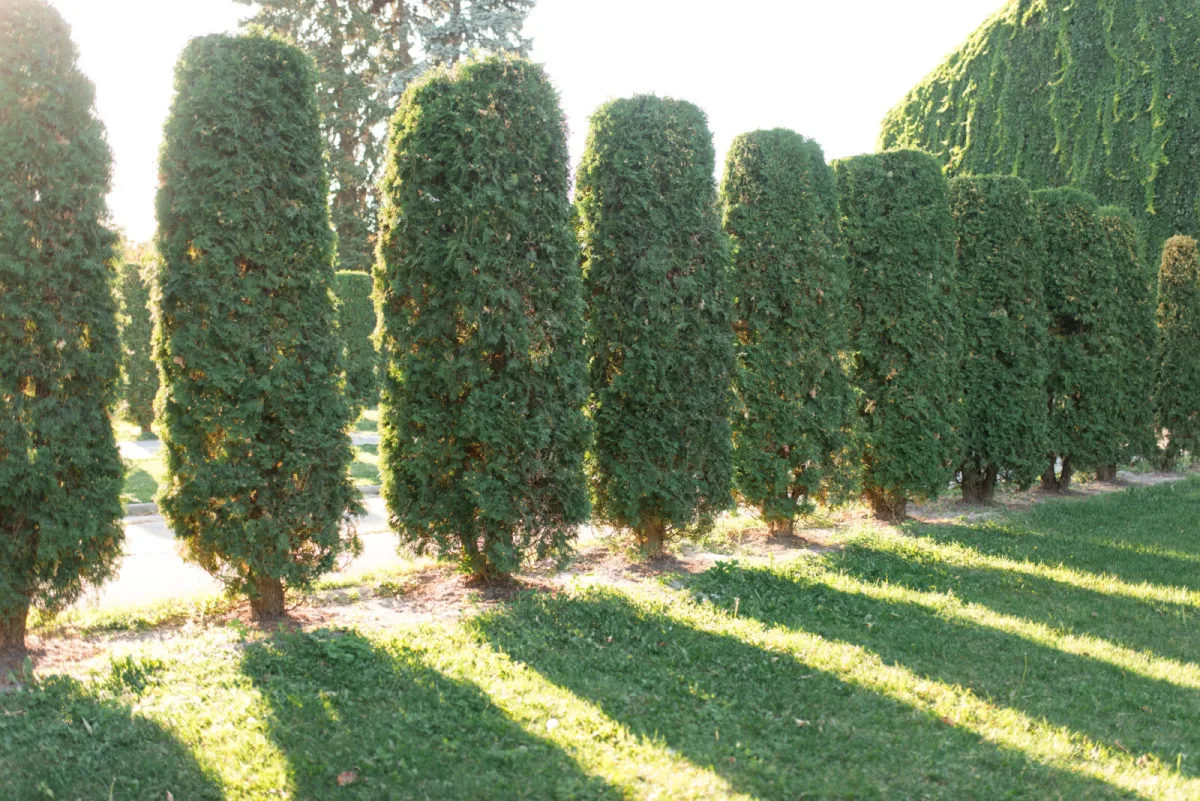
Many people assume they can make decisions about woody plants on their own property completely freely. However, once it comes to felling a tree or even ordinary thuja, rules come into play that cannot be ignored. What looks like a routine garden tidy-up can be assessed by the authorities as an intervention that requires a permit.
Thuja are a common feature of hedges and garden screens. Over the years they can outgrow their space, cast too much shade, get in the way of building work, or simply stop suiting your needs. Even then, it is not guaranteed you can remove them without further steps. Czech legislation sets out the conditions under which felling is possible without the authority’s consent and when you need to follow the official route.
When woody plants can be removed without a permit
As a general rule, woody plants growing outside woodland must not be felled without permission. The law does, however, allow several exceptions. A permit is usually not required if the woody plant has a trunk circumference of less than 80 cm measured at 130 cm above ground level. At the same time, it must not be part of a significant landscape element or an avenue of trees.
A different set of rules applies to fruit trees on plots within built-up areas that are registered as gardens. Even in that case, it is important to keep an eye on the timing of the work. Felling may only be carried out during the dormant season, i.e. from 1 November to 31 March.
The fact that a woody plant is growing on your land does not automatically mean you can remove it at any time and without notifying anyone.
How the law views thuja
Thuja are conifers that are often planted as a dense hedge or for privacy screening. That is exactly why many people think removing them is not subject to the same rules as felling trees. In reality, you need to go by the specific parameters and the location. The key factors are mainly the size of the woody plant and whether it forms part of a more protected feature.
If the thuja do not exceed the set limits and no special protection applies, their removal is usually more straightforward. Even then, it is not sensible to rely on guesswork. With hedges or multiple plants set side by side, the situation can be more complicated, and the interpretation of the rules may not always be entirely clear-cut.
Fines can be an unpleasant surprise
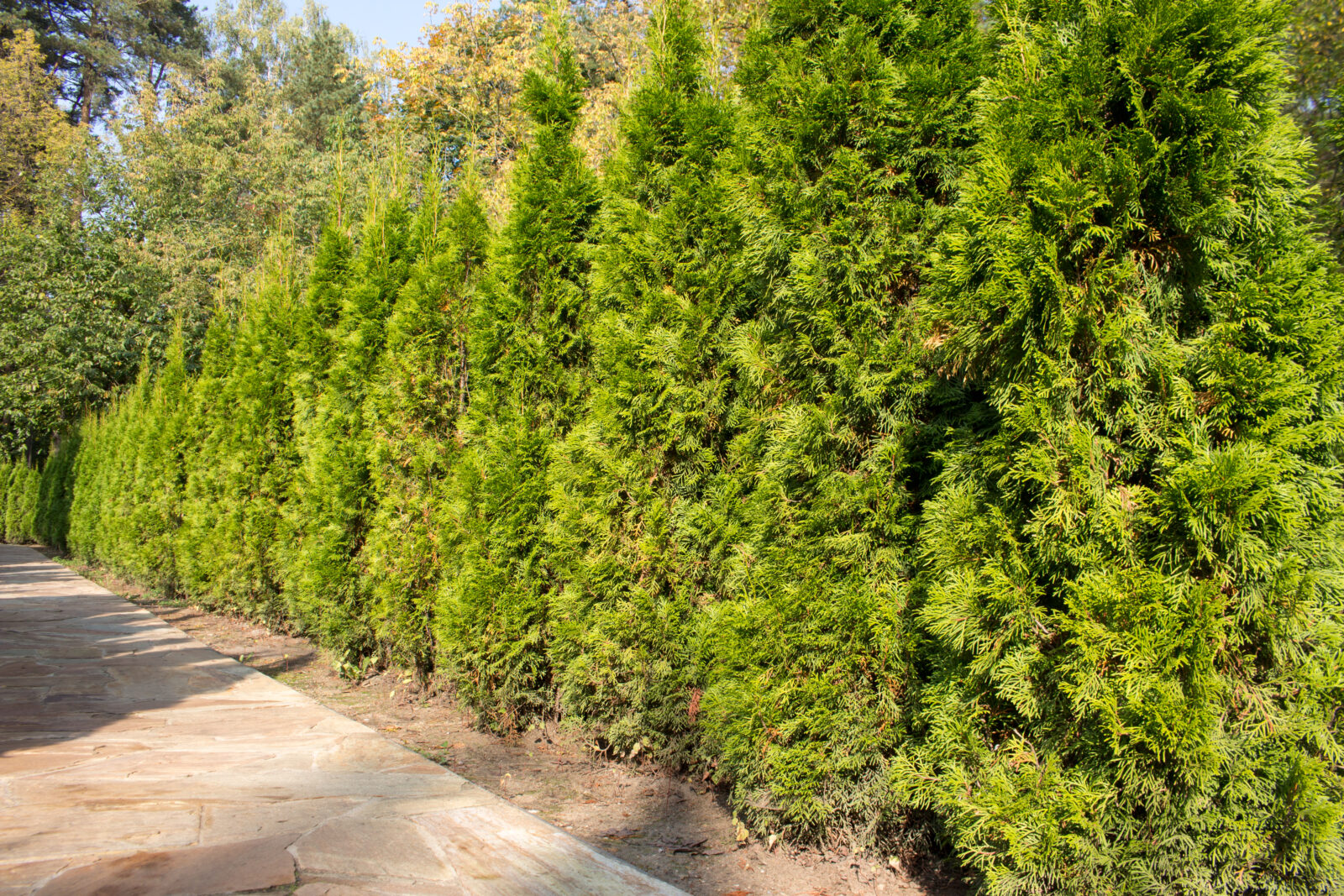
Unauthorised felling is not a minor matter that authorities automatically overlook. For breaches of the rules, fines in the tens of thousands of crowns can be imposed. The amount depends on how serious the intervention was, how many woody plants were involved, and whether it concerned more valuable or protected features.
Removing a larger number of woody plants or felling in places of greater landscape importance can be judged even more strictly. That is when the financial penalty can climb far higher than most garden owners expect. Saving time by skipping a permit can very quickly turn into an expensive mistake.
What to do in advance if you are not sure
The safest approach is simple. If you have any doubts, contact your local municipal office or the relevant environmental department before felling. Officials will tell you whether a permit is required in your case and, if so, what supporting documents you will need to provide.
A brief consultation beforehand can prevent unnecessary problems, fines and disputes. With thuja, the same applies as with other woody plants. Even though they may seem like a common and unobtrusive part of the garden, removing them may not be solely the owner’s decision. It is therefore wise to check the rules first and only then pick up the saw.
Source: CIZP, Public administration services, Deník, Pestrazahrada.cz

A lover of nature, gardens, and everything that moves, blooms, or grows. He literally grows everything, from herbs to rare species, and he enjoys caring for animals just as much. In his work, he connects modern technology with tried-and-tested grandmotherly methods and is happy when both paths lead to the same goal.
Related articles
The Most Unusual Garden Visitor Isn’t Always the Biggest One
A garden can become a surprising meeting place between people and wildlife. Sometimes the most unusual visitor is a quiet, elusive animal you may not notice for years.
You Can’t Do Everything on Your Own Garden Four Situations Where Simple Neglect Becomes a Costly Mistake
A garden may feel like a private world, but it still comes with legal responsibilities. Neglected weeds, burning green waste, invasive plants, or unmanaged boundary trees can all lead to complaints and hefty fines.
Ten smart companion plants for peppers that naturally boost healthy growth and higher yields
Sweet or hot peppers thrive with the right neighbours. Companion planting can reduce pest pressure, support healthier growth, and often deliver a heavier harvest—without relying on unnecessary chemicals.
Comments (0)
Be the first to comment.