
 English
 Polski
 Deutsch
 Nederlands
 Svenska
 Norsk
 Dansk
 Français
 Italiano
 Español
 Português
 Slovenčina
 Suomi
 Gaeilge
What to Plant Along a Fence Instead of Thuja
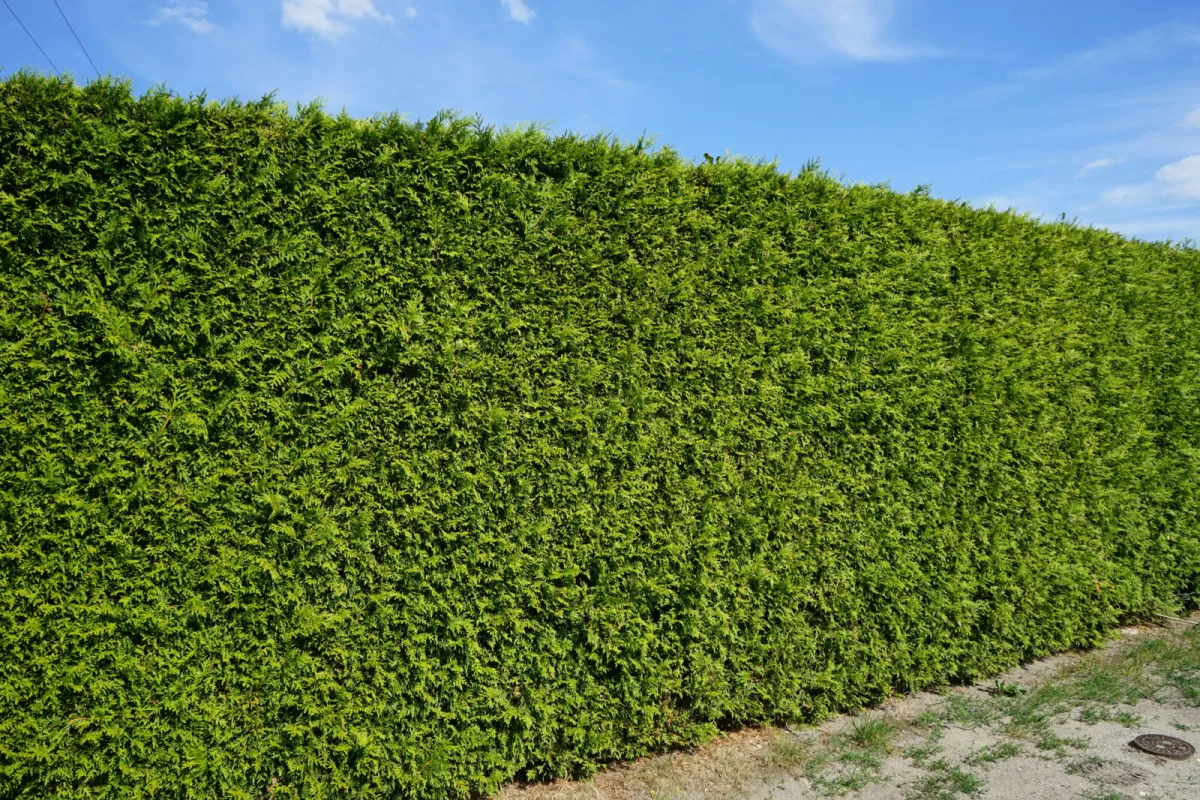
Thuja is often the first choice for planting along a fence, but it’s certainly not the only option. Many people find it overused, others dislike its look, how quickly it ages, or how much space it needs. If you want an evergreen hedge that feels fresh and elegant while giving you privacy all year round, there are other woody plants worth considering. Three in particular are proven alternatives that can create a beautiful green wall without making your garden look like every other one on the street.
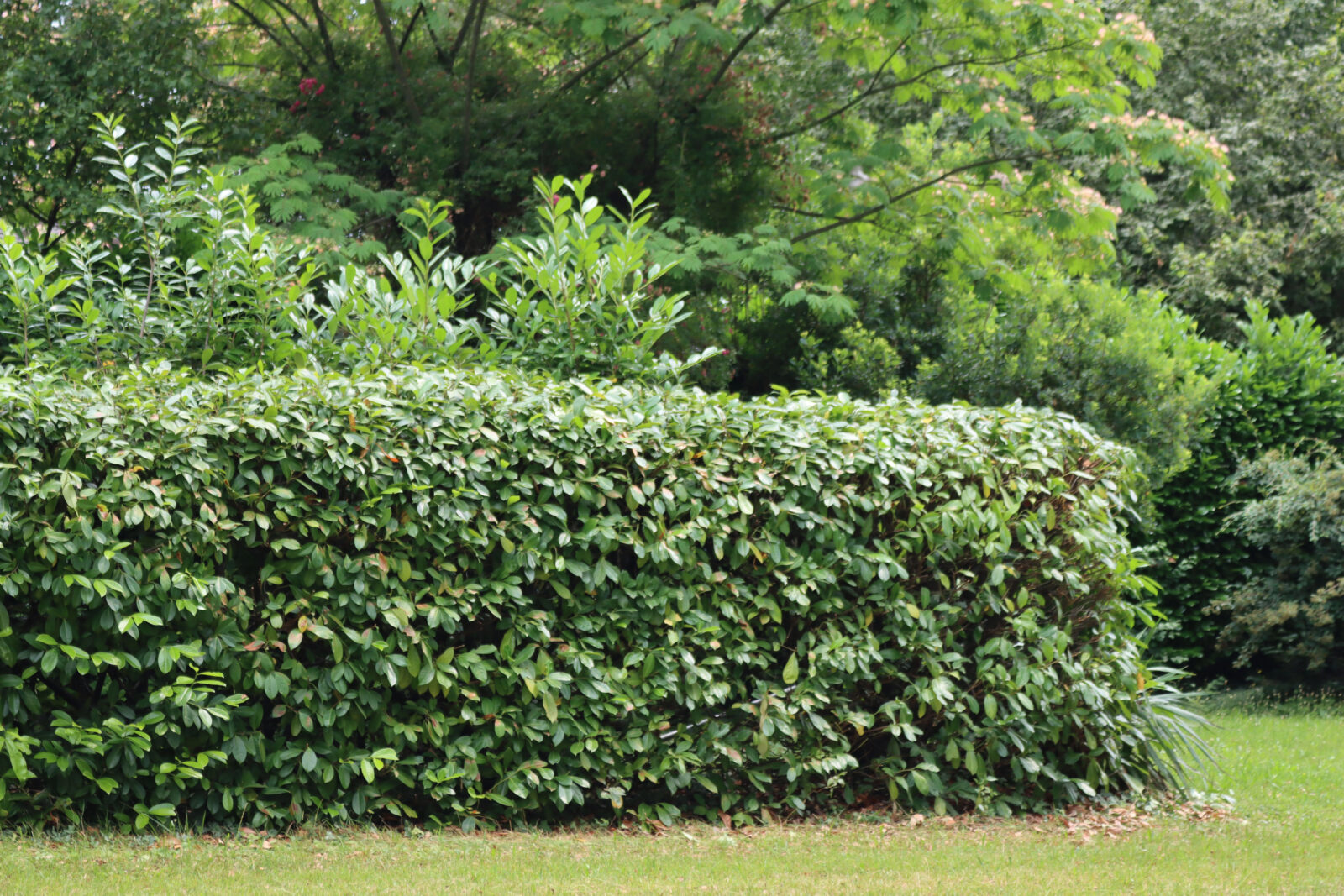
Cherry laurel as a dense green wall with a smart, polished look
The first option is cherry laurel, often simply called laurel (also known as medicinal cherry laurel). It’s popular mainly for its glossy, deep green leaves and very dense growth. When planted correctly and shaped regularly, it forms a compact screen that blocks views from the street and neighbours alike. It looks neat and modern, yet more natural than a wall of conifers.
A big advantage of laurel is that it keeps its leaves year-round, so your privacy doesn’t disappear in winter. It’s especially suitable where you want a faster result and a fuller look. It does, however, need the right site, ideally sheltered from the harshest winter winds. In warmer areas it performs very well, and with consistent care it rewards you with truly lush growth.
Laurel is a good choice for anyone who wants a hedge that looks full and elegant, and isn’t just an ordinary green conifer.
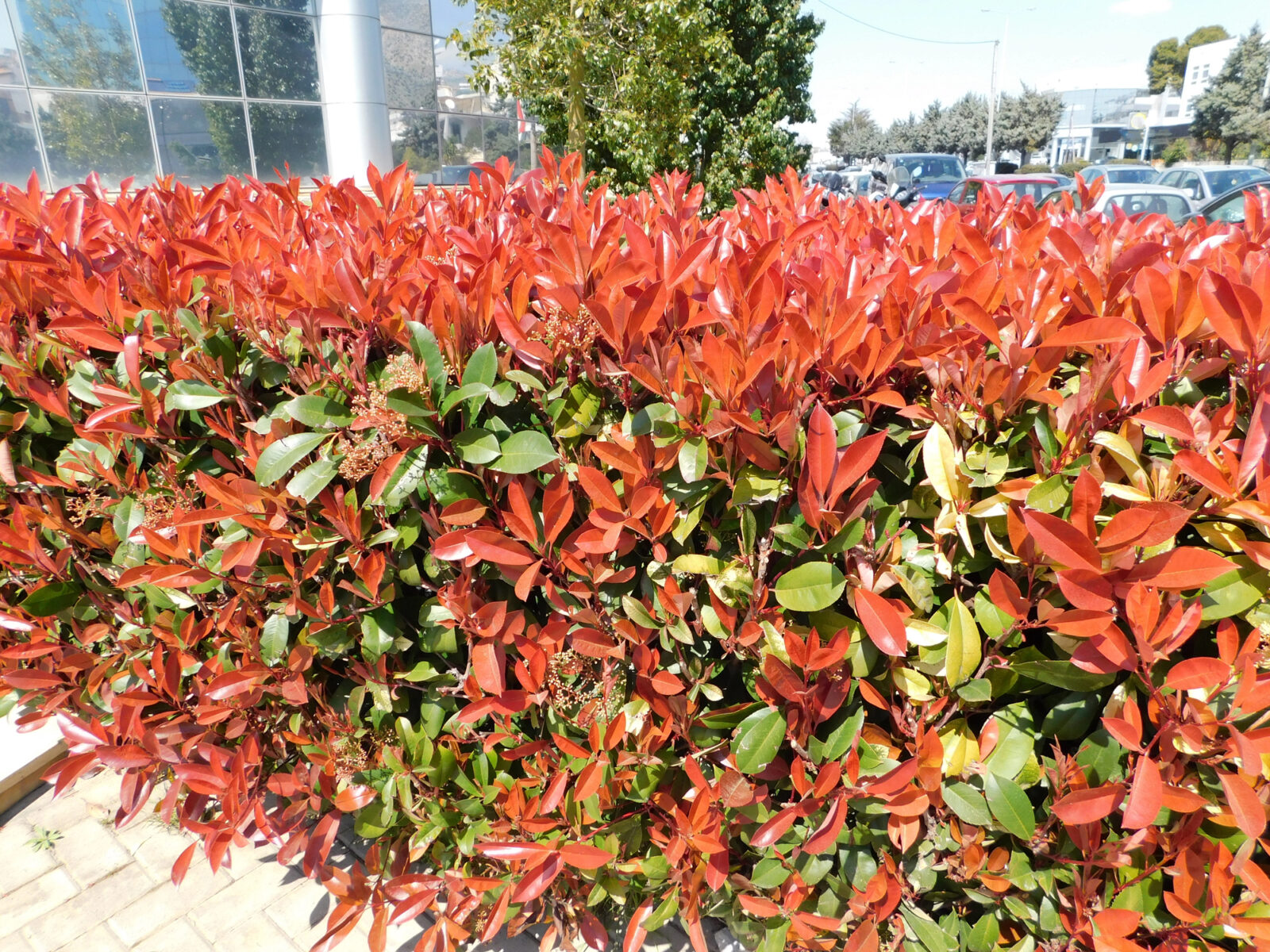
Photinia ‘Red Robin’ adds bold colour as well as privacy
The second interesting alternative is Photinia x fraseri ‘Red Robin’ (often simply called photinia). This evergreen shrub stands out not only for its density, but especially for its young growth in red to bronze shades. A hedge made from it never feels dull, and its appearance shifts throughout the year. It’s chosen by people who want something more practical than a mixed ornamental border, yet more decorative than a plain green screen.
Photinia suits both modern and traditional gardens. With regular clipping it thickens up well, and you can train it as a compact hedge along fencing or let it grow as a looser, more natural screen. Pruning also brings a nice bonus: after each cut it pushes fresh shoots, so the hedge reddens again. Those colourful flushes are its biggest draw, adding impact without having to combine multiple plant species. Do bear in mind it’s more sensitive to frost. It will do best in a sunny to partially shaded position sheltered from cold winds, and in cooler areas it benefits from winter protection in the first few years. If you want privacy with a bit more drama, photinia is a very successful alternative.
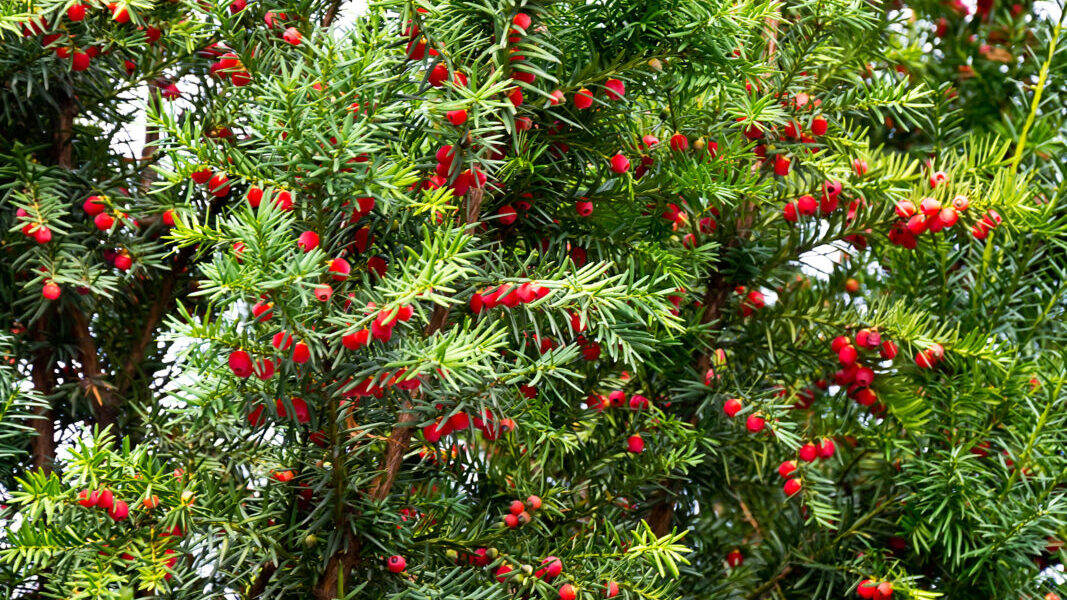
Yew as a classic that will last for decades
The third option is yew. It’s a traditional and exceptionally reliable plant for hedging. It’s evergreen, very dense, and takes pruning beautifully, so you can keep it exactly the height and width that suits you. If you like crisp lines and want complete control over how your hedge looks, yew is an excellent choice.
Its strengths are longevity and the ability to regenerate even from older wood, which isn’t a given with many other woody plants. That makes it easy to shape and maintain even after years. Yew feels calm, elegant, and timeless. It isn’t as showy as photinia, nor as broad-leaved and bold as laurel, but that’s precisely where its appeal lies. It’s for anyone who wants a durable solution without unnecessary fuss.
How to choose the right plant for your fence
When deciding, it’s not just about appearance but also about conditions in your garden. Think about how much space you have, how windy the spot is, how much sun it gets, and whether you want to clip the hedge regularly. Laurel appreciates a more sheltered position, photinia offers a colourful effect, and yew will please anyone who wants a long-term, shapeable, dense hedge.
Patience matters too. Every hedge needs time after planting to strengthen and knit into a continuous screen. But if you choose the right species and give it suitable care, it will reward you with green privacy for many years. That’s the advantage of these three options: they don’t look generic, they’re evergreen, and each brings a slightly different character.
If you don’t want thuja, you have plenty of options
So if you’re wondering what to plant along a fence instead of thuja, you don’t have to compromise between looks and practicality. Laurel gives you a dense green wall, photinia adds attractive colourful new growth, and yew provides a dependable, easy-to-shape foundation for years to come. Each of these plants can create privacy all year round while giving the garden a more individual feel. You just need to choose the one that best matches your style and the conditions on your plot.
Source: Pestrá zahrada, Hedging Plnats Direct, The Sage Journal, Pestrazahrada.cz

A lover of nature, gardens, and everything that moves, blooms, or grows. He literally grows everything, from herbs to rare species, and he enjoys caring for animals just as much. In his work, he connects modern technology with tried-and-tested grandmotherly methods and is happy when both paths lead to the same goal.
Related articles
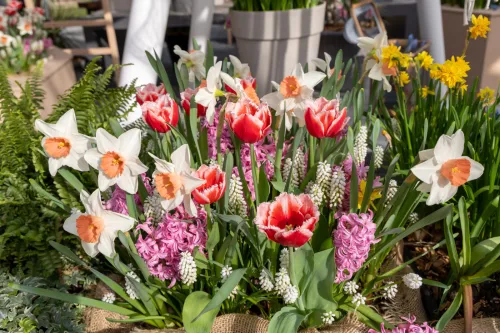
Want a Fairy-Tale Garden in Spring Do This Simple Step Before Winter
Autumn planting is the easiest way to guarantee a colourful spring garden. Plant bulbs at the right time, pair them with the right companions, and enjoy weeks of reliable bloom with minimal effort.
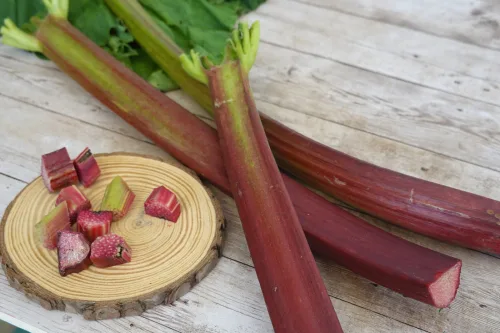
Rhubarb planted in November shrugs off the cold and is almost indestructible patience after planting is the key
Rhubarb is a remarkably hardy perennial vegetable that will crop for years with minimal fuss, even in cooler gardens. The secret is giving it space, rich moisture-retentive soil, and resisting the urge to harvest too soon.
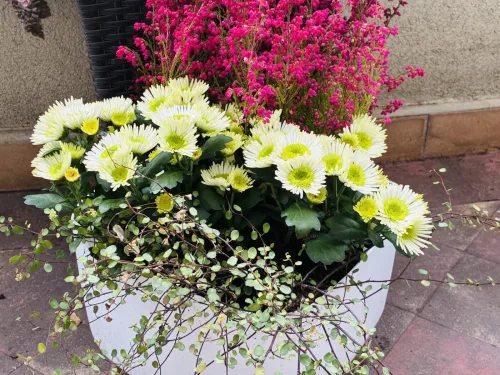
The Prettiest Fall Window Boxes Don’t Rely on Just One Flower
Fall window boxes and outdoor containers don’t have to be built around chrysanthemums alone. Mix foliage plants, seasonal bloomers, trailing accents, and a few small decorations for a fuller look that lasts for weeks.
Comments (0)
Be the first to comment.